
 Explainer
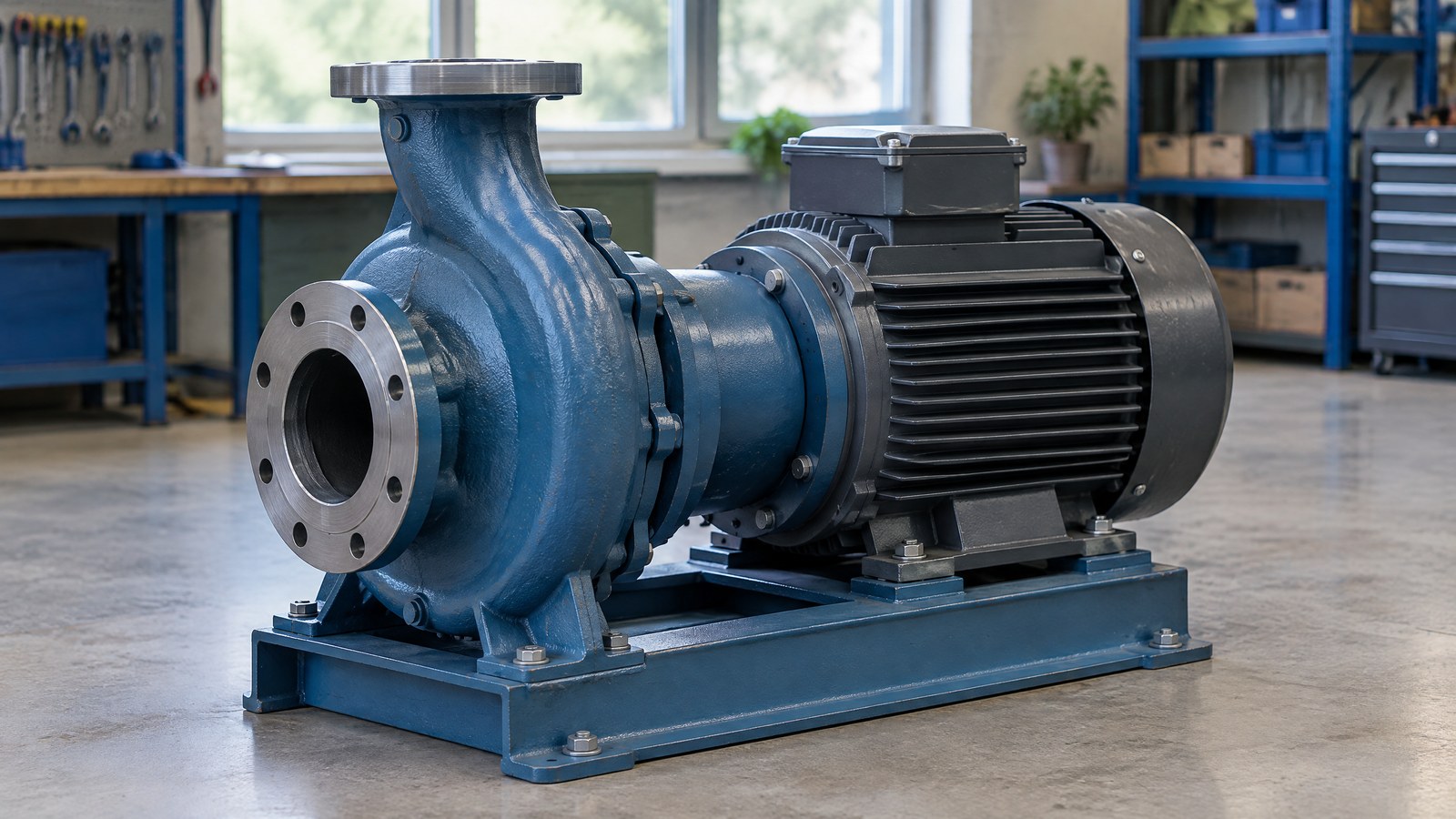
Centrifugal Pump Working Principle: How It Works, Parts and Applications
Follow the liquid from the inlet to the outlet, then see why priming, pipe resistance and pump selection matter.
Physical layer
Understand computer hardware technology, processors, memory, storage, semiconductors, interconnects, power delivery, cooling, and performance bottlenecks.
ExplainerFollow the liquid from the inlet to the outlet, then see why priming, pipe resistance and pump selection matter.
 Explainer
From specialist components to a tested civil engine: understand the factory processes and the quality records behind them.
 Explainer
Follow a request through servers, storage and networks, then explore the power, cooling and security behind the service.
 Explainer
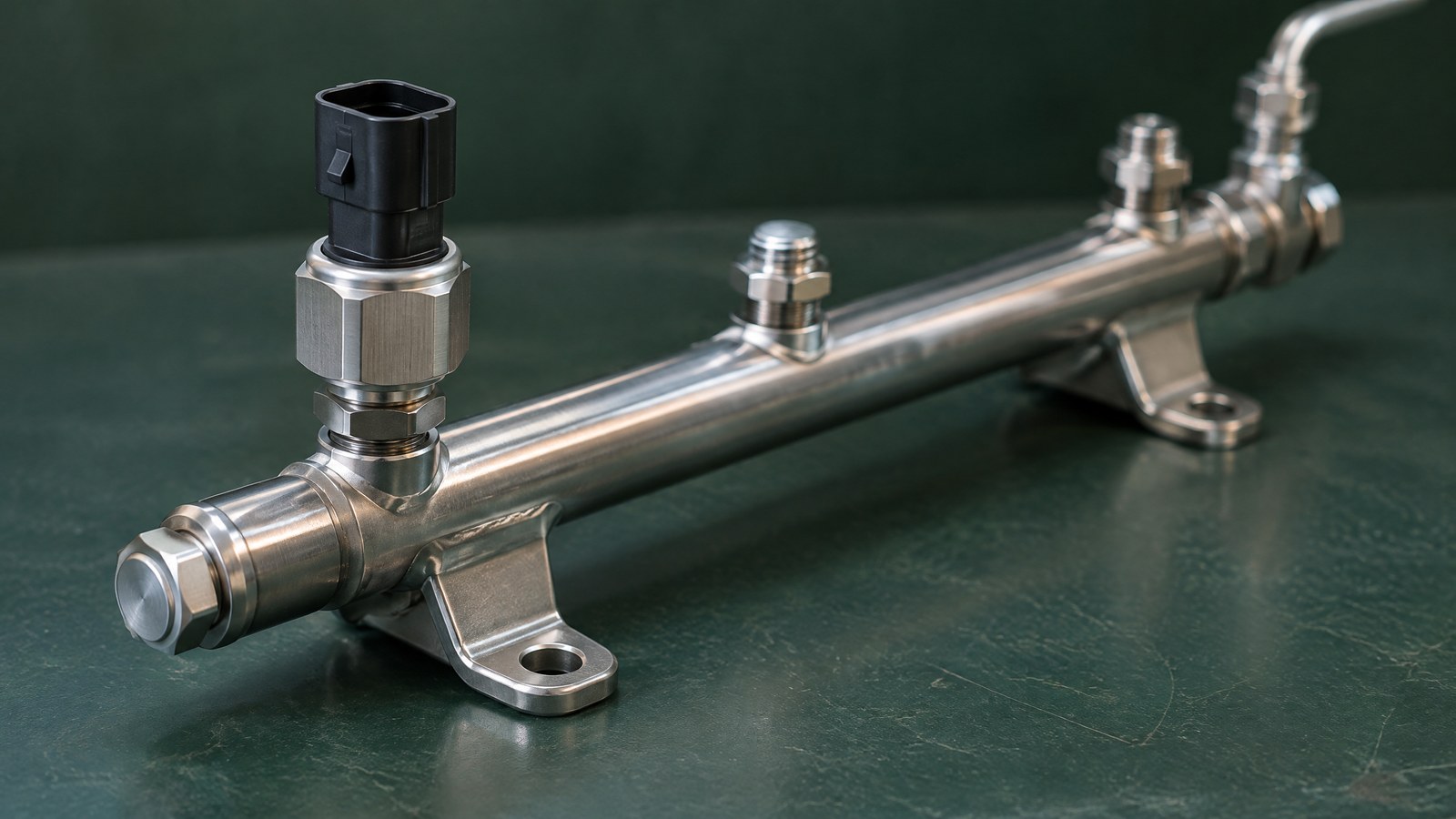
A reader-first guide to the feedback signal that helps a high-pressure fuel-injection system respond to changing engine conditions.
 Explainer
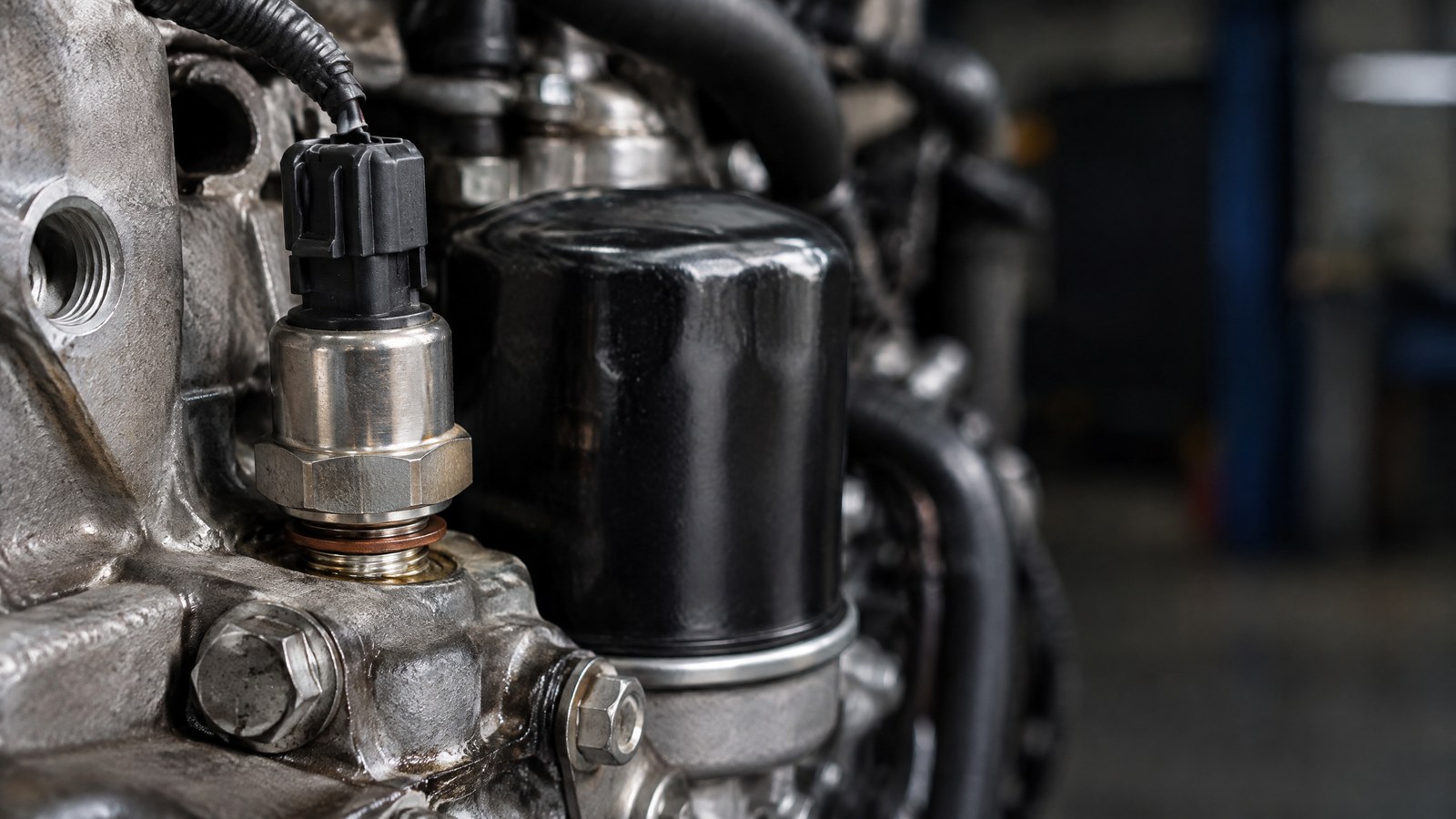
A reader-first guide to oil-pressure monitoring, the difference between sensors and switches, and the safe response to an engine-oil warning.
 Explainer
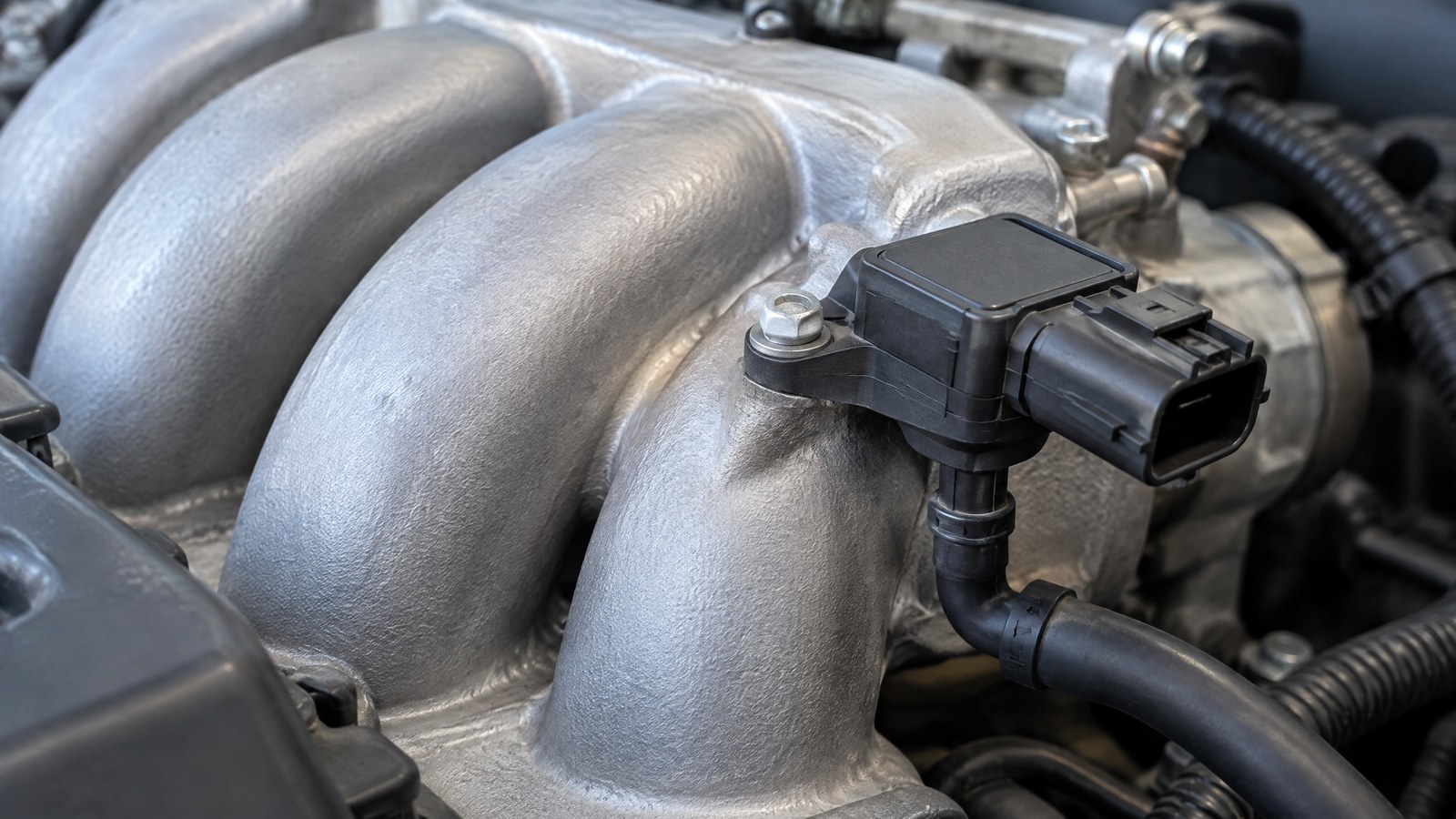
A reader-first guide to intake-manifold absolute pressure, engine-load estimation, altitude context, and the MAP-versus-MAF distinction.
 Explainer
A reader-first guide to biometric device types, matching concepts, practical uses, privacy, security and accessibility limits.
 Explainer
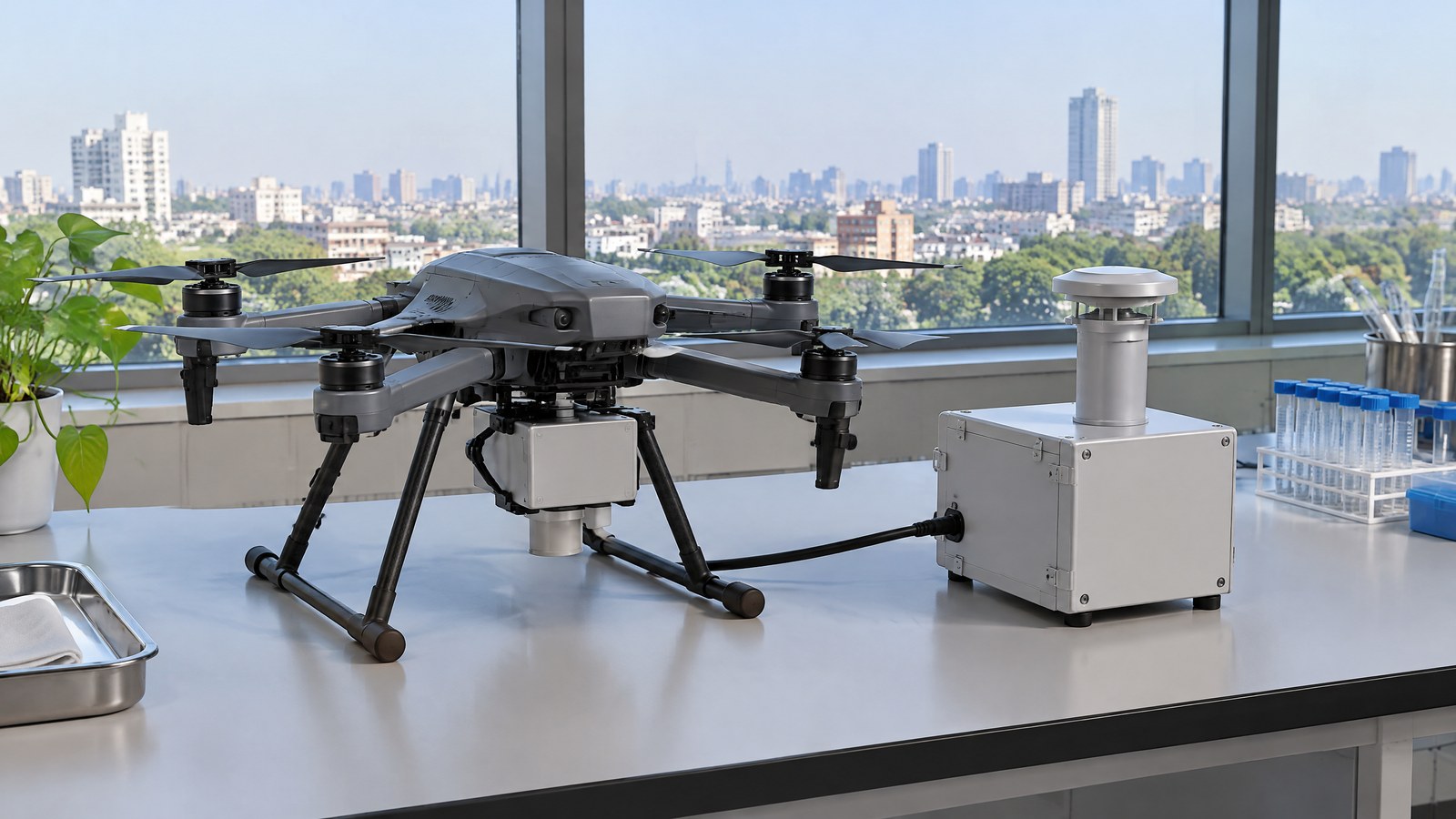
A plain-English India-focused guide to airborne PM sampling: what an optical drone payload can reveal, what can distort it, and why data quality and current airspace checks matter.
 Explainer
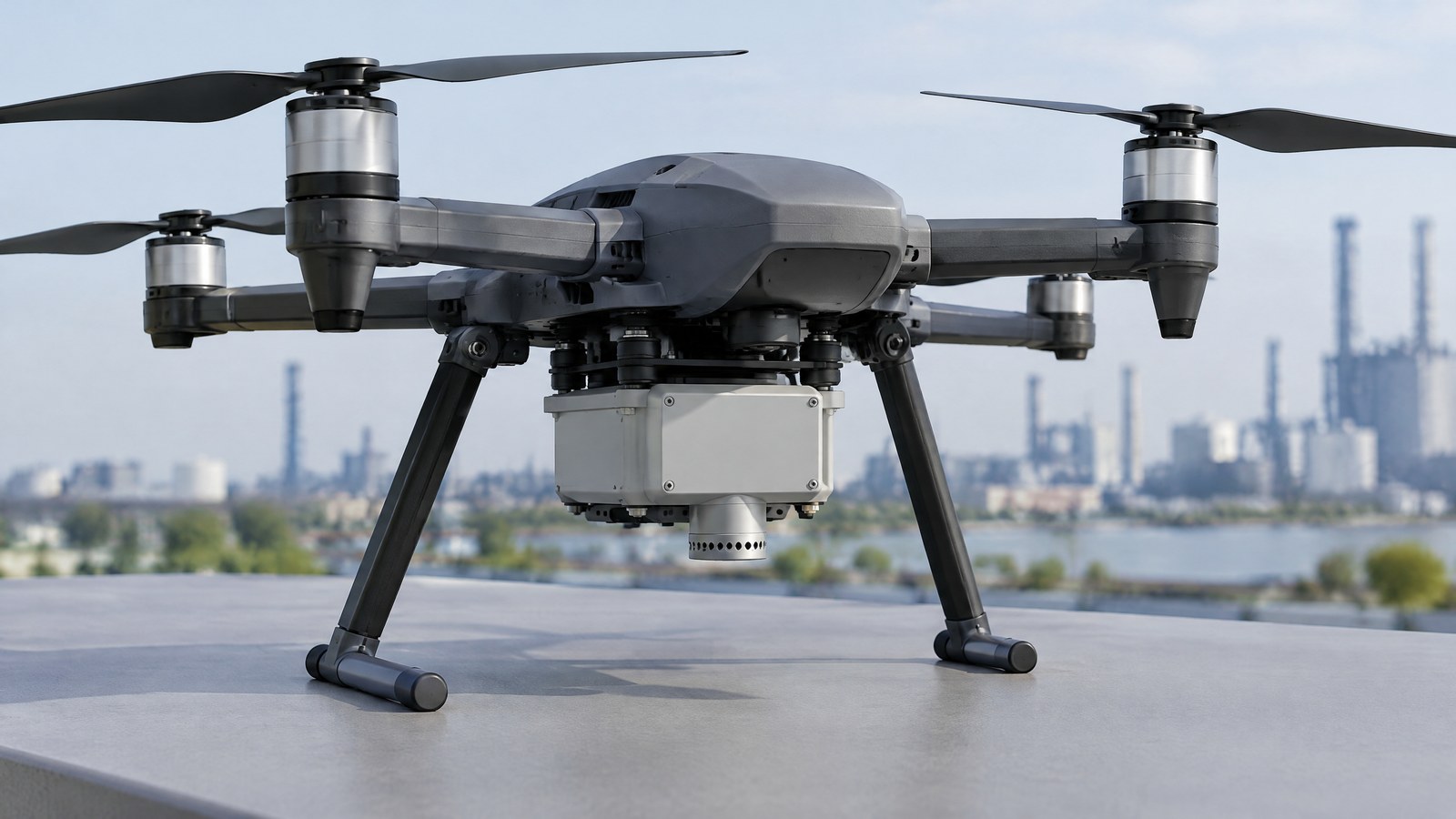
A plain-English India guide to what a civilian drone gas sensor or air sampler can show about an emissions plume—and what it cannot prove.
 Explainer
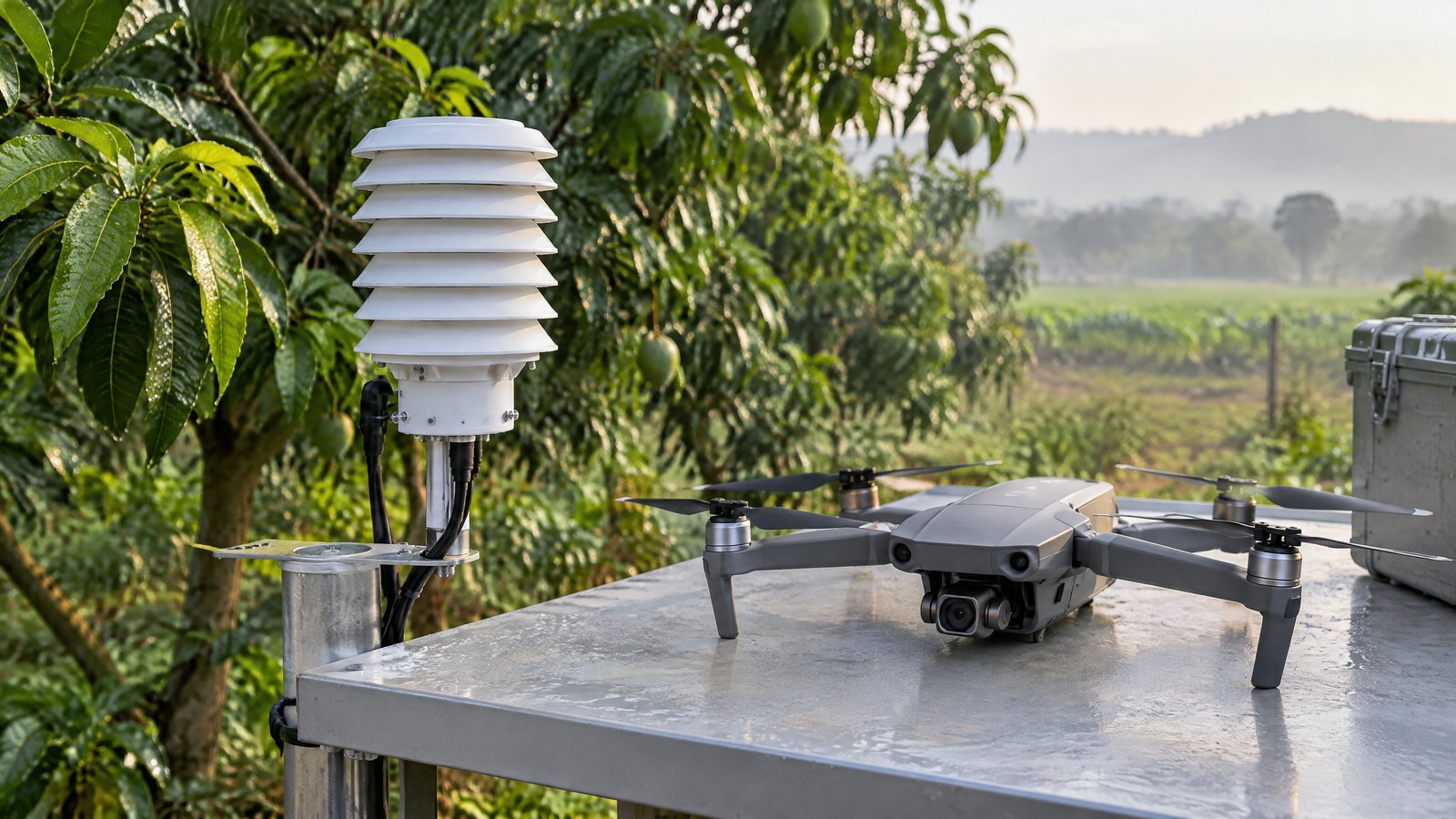
A plain-English India-focused guide to what an airborne temperature and relative-humidity reading can add to microclimate work—and why sunlight, rotor wash, sensor response and official flight checks still matter.
 Explainer
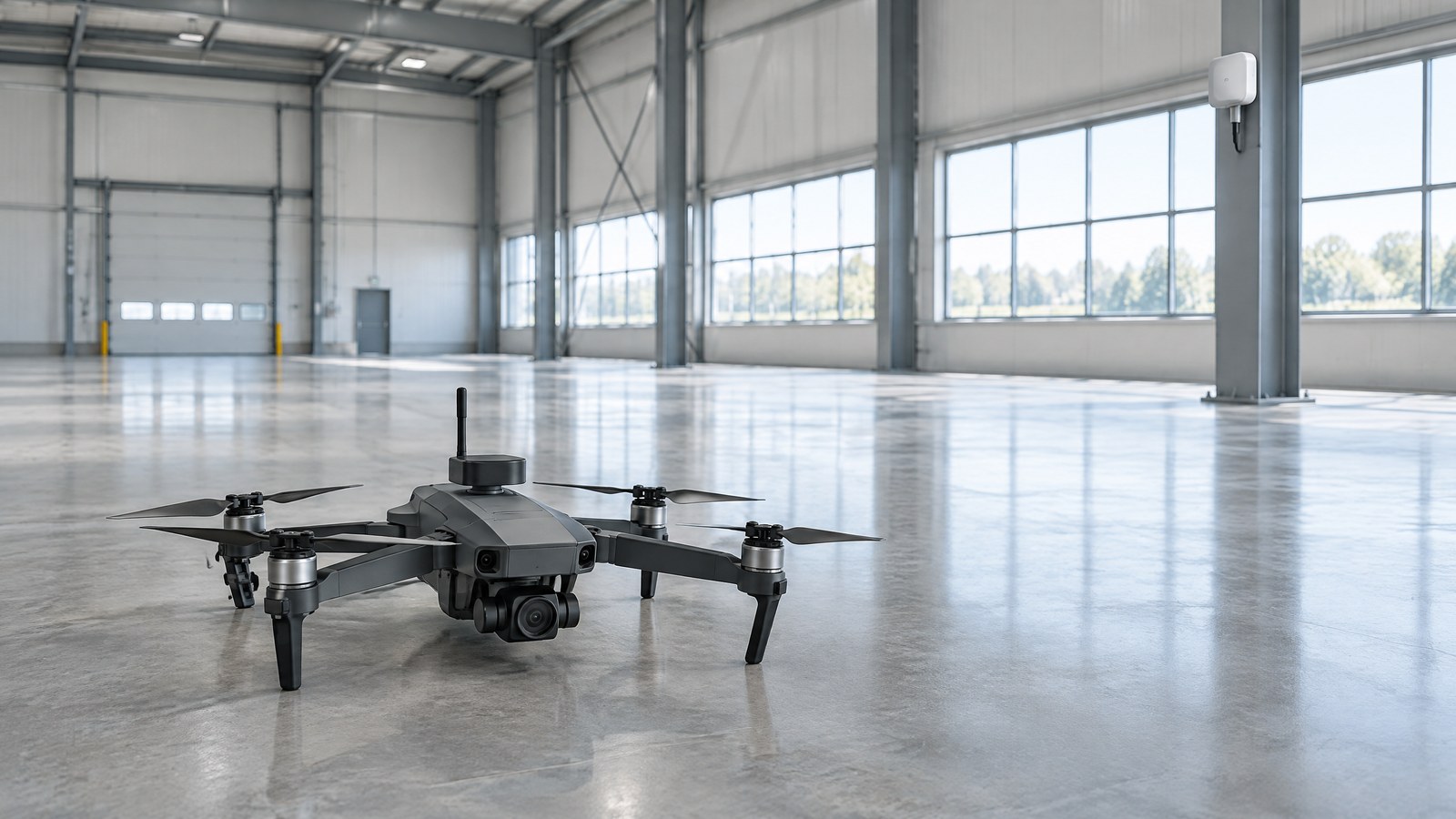
A plain-English India-focused guide to what UWB ranging can and cannot tell a civilian drone during a prepared indoor inspection.
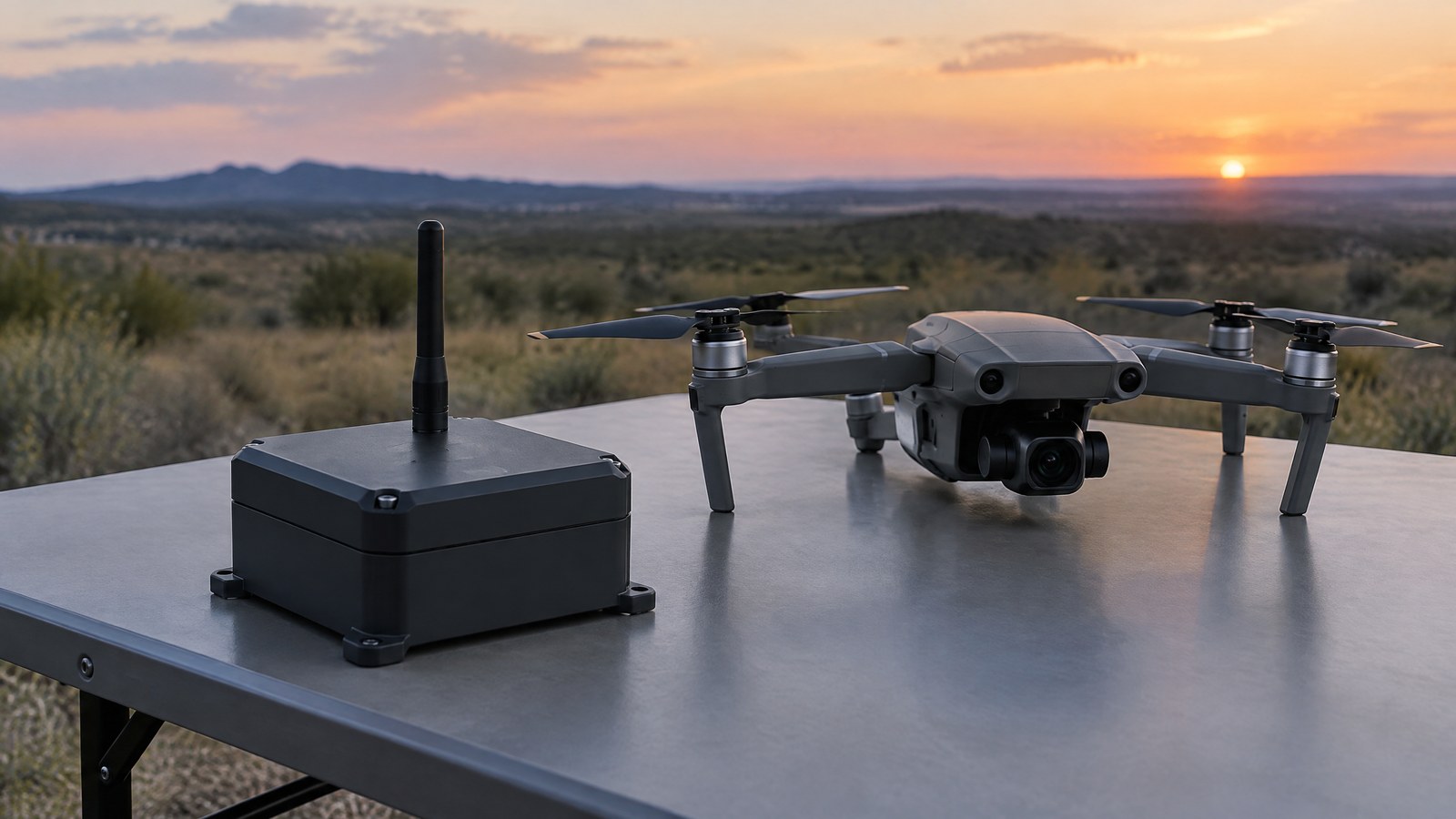 Explainer
A plain-English India-focused guide to the identity and location broadcasts a Remote ID module can send, the limits of those messages, and the separate checks a civilian operator still needs.
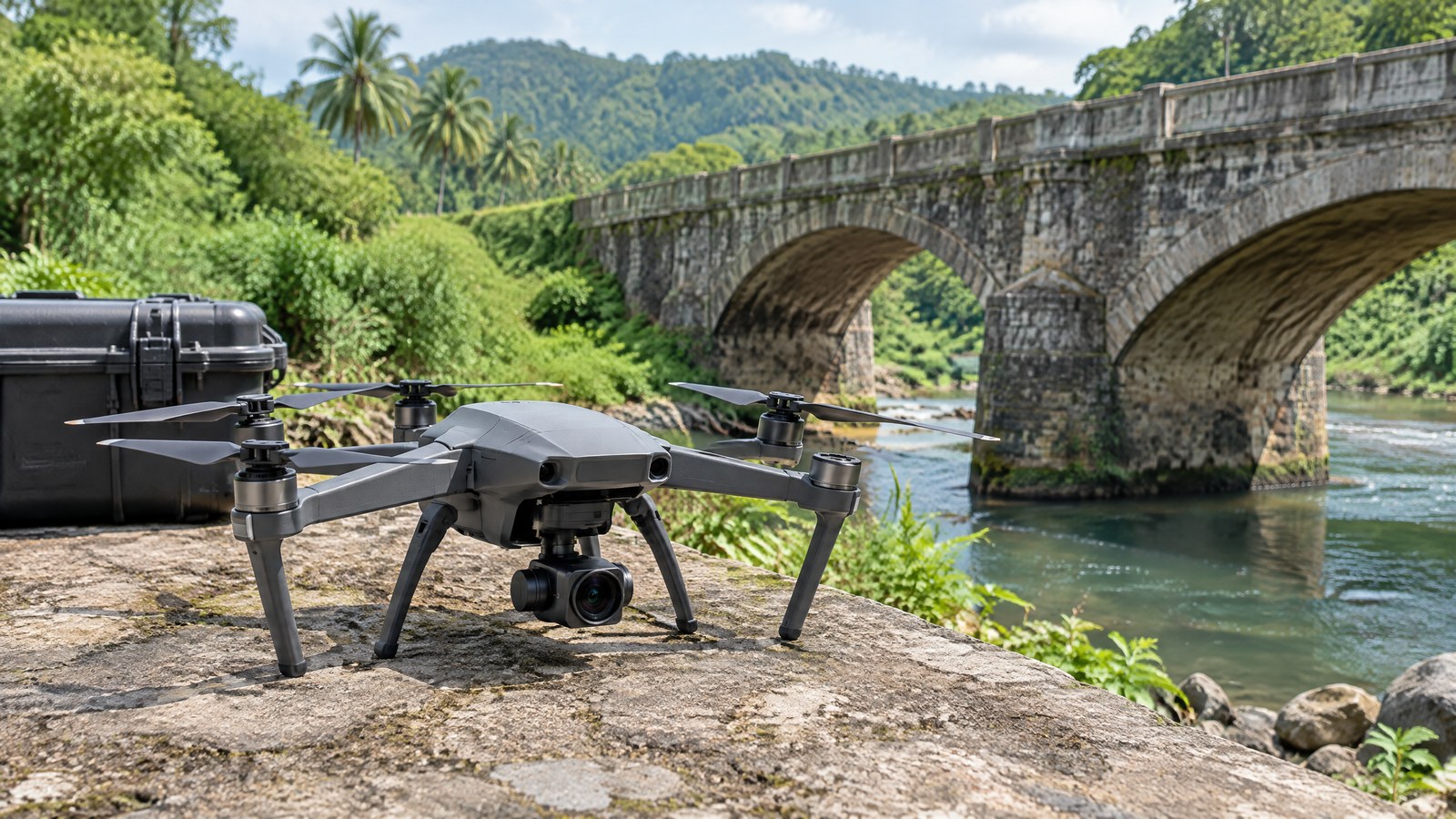 Explainer
A plain-English India-focused guide to visible-light drone mapping, the spatial products it can support, and the limits that keep a camera image from becoming an engineering verdict.
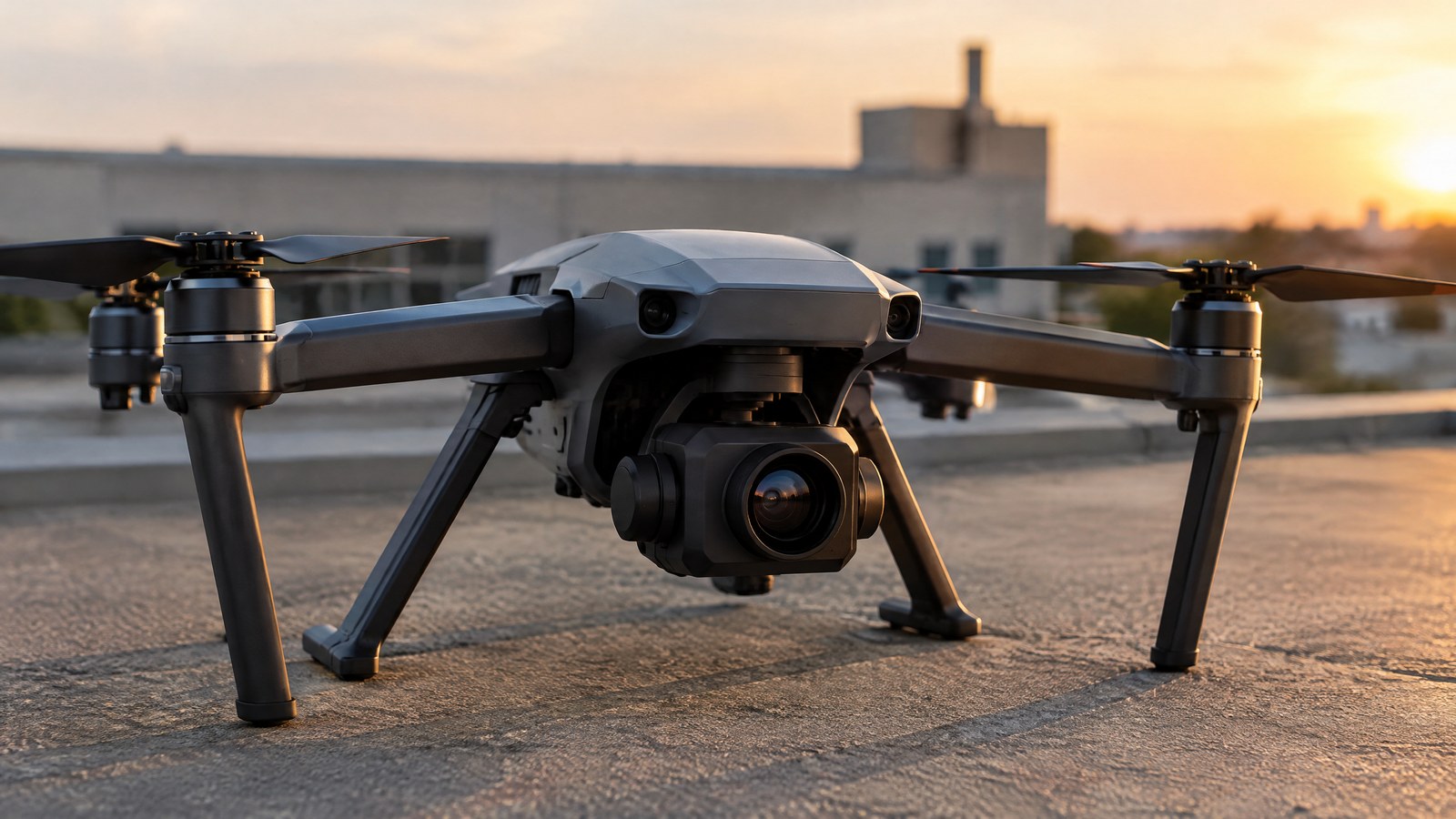 Explainer
A plain-English India-focused guide to thermal-infrared drone cameras for civilian inspection, including what the image shows, what can distort it, and why it is only one input to a qualified assessment.
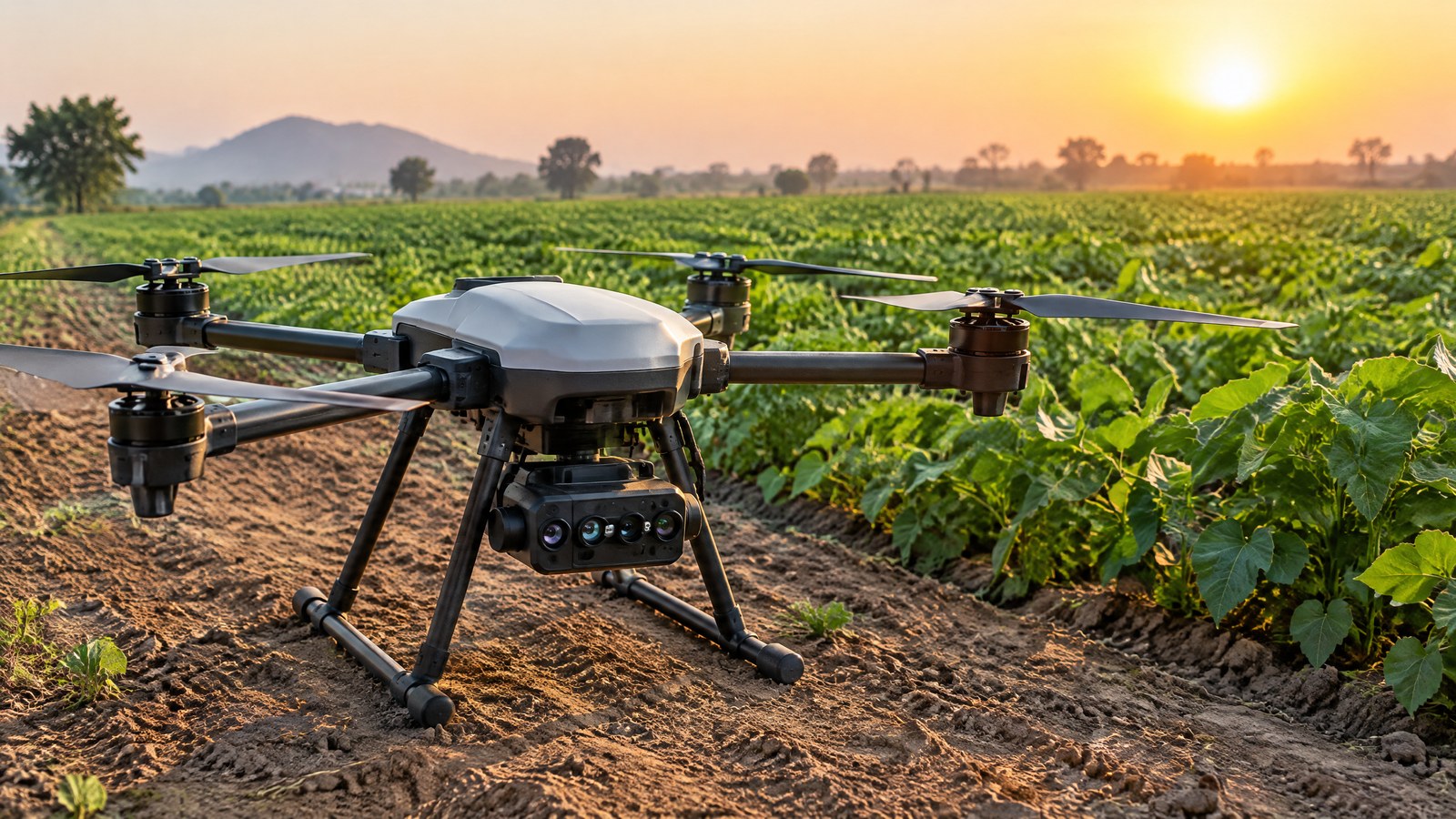 Explainer
A plain-English guide to what a civilian drone multispectral camera measures over crops, why a colour map is not a diagnosis, and how India-focused readers can keep field checks and official compliance checks separate.
 Explainer
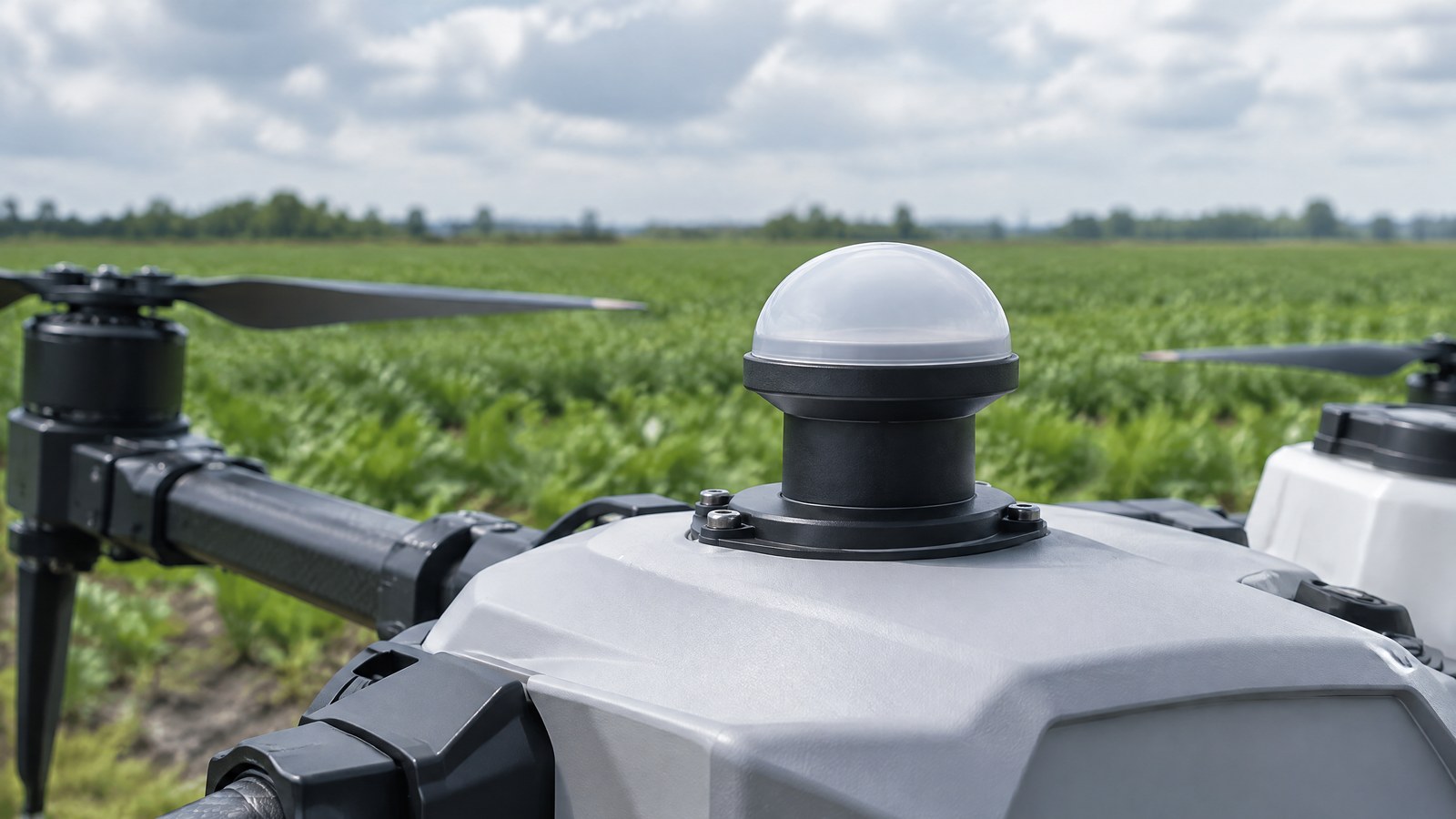
A plain-English India-focused guide to what a drone downwelling light sensor measures, how it supports multispectral calibration, and why it cannot replace reference checks, expert judgement or current official flight checks.
 Explainer
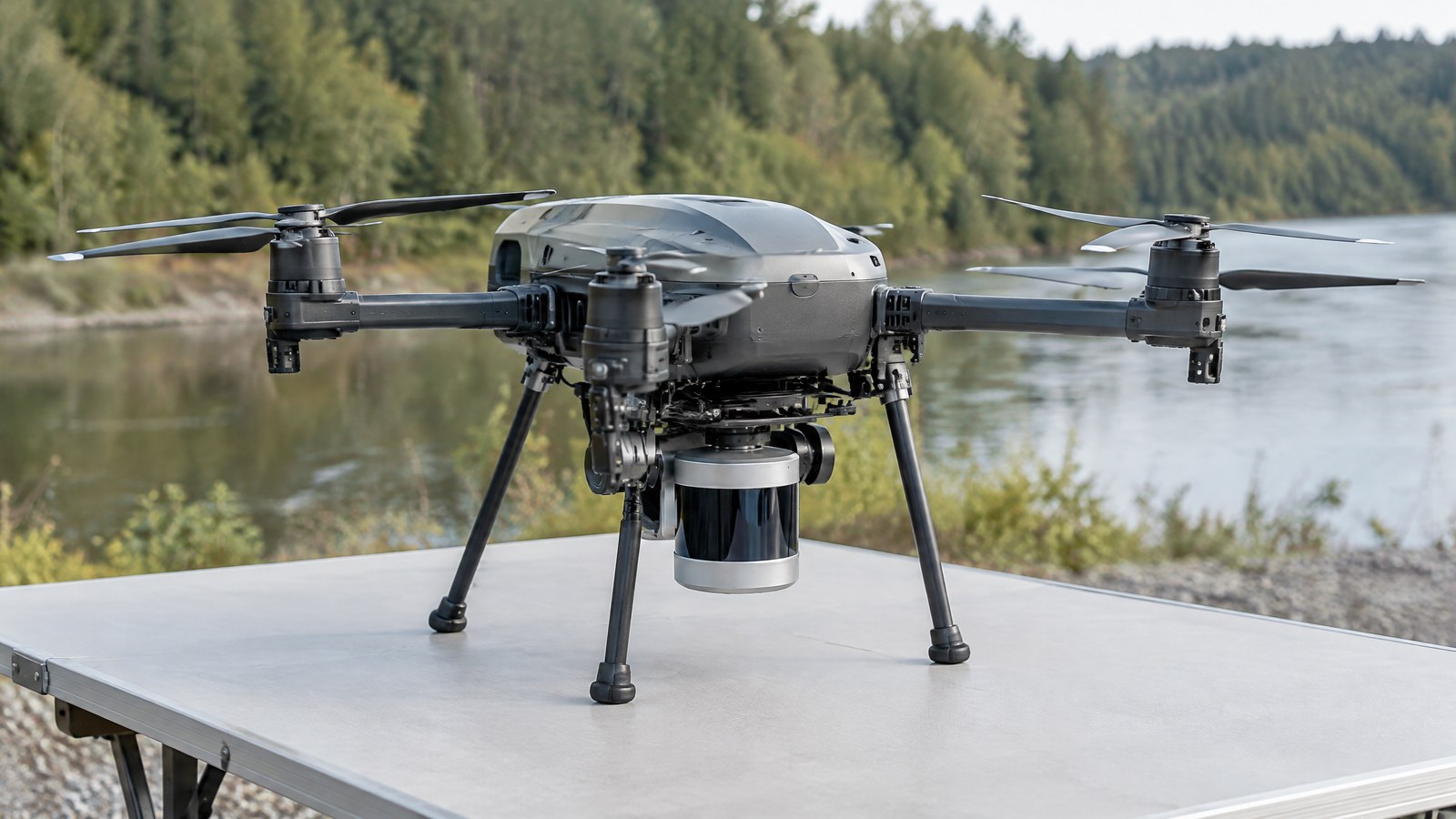
A plain-English India-focused guide to civilian drone LiDAR mapping, from laser returns and point clouds to validation, limits and responsible use.
 Explainer
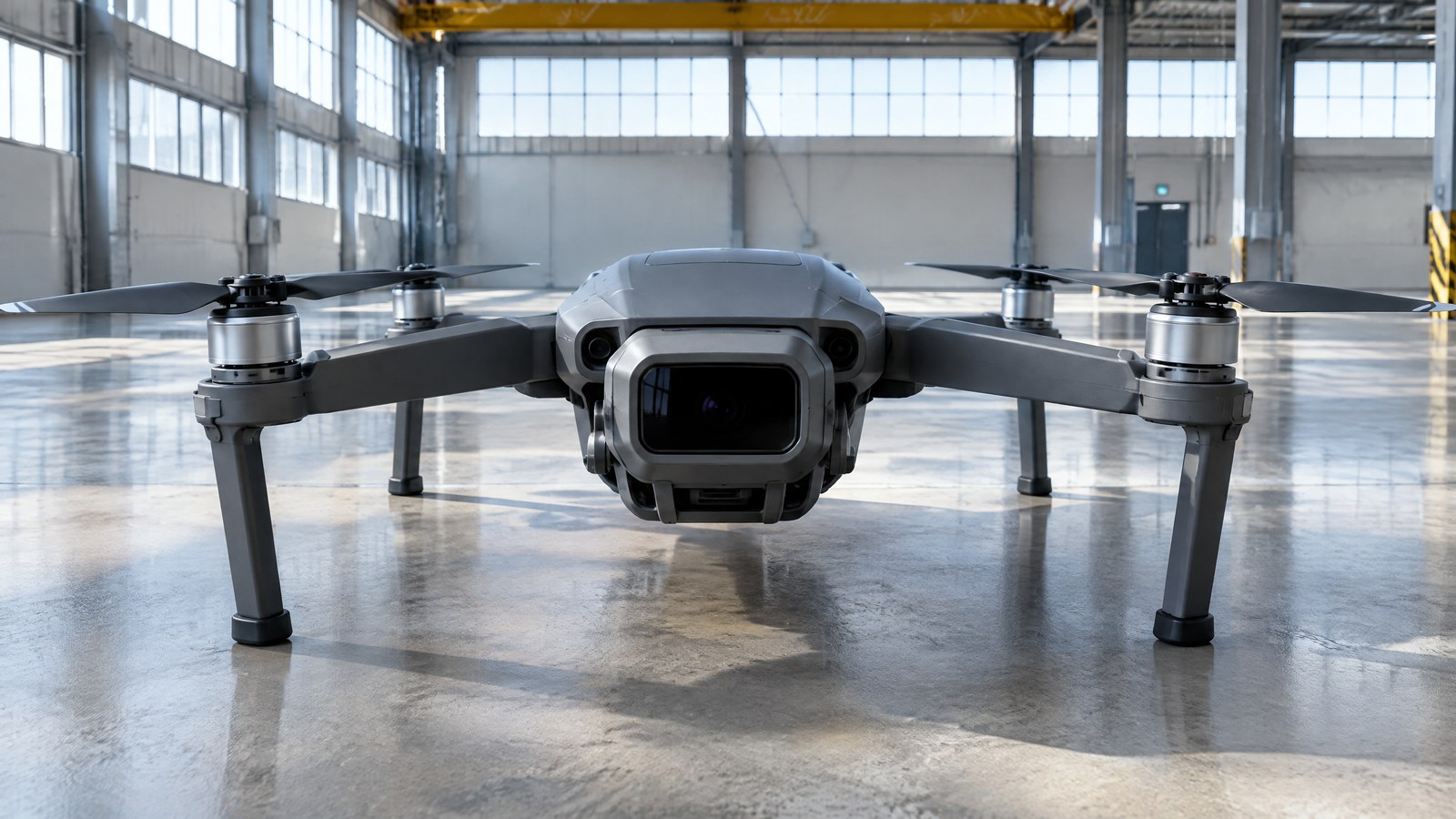
A plain-English India-focused guide to LiDAR obstacle awareness on civilian drones: what laser-ranging returns can indicate, where limits arise, and why the feature does not replace pilot responsibility or current official checks.
 Explainer
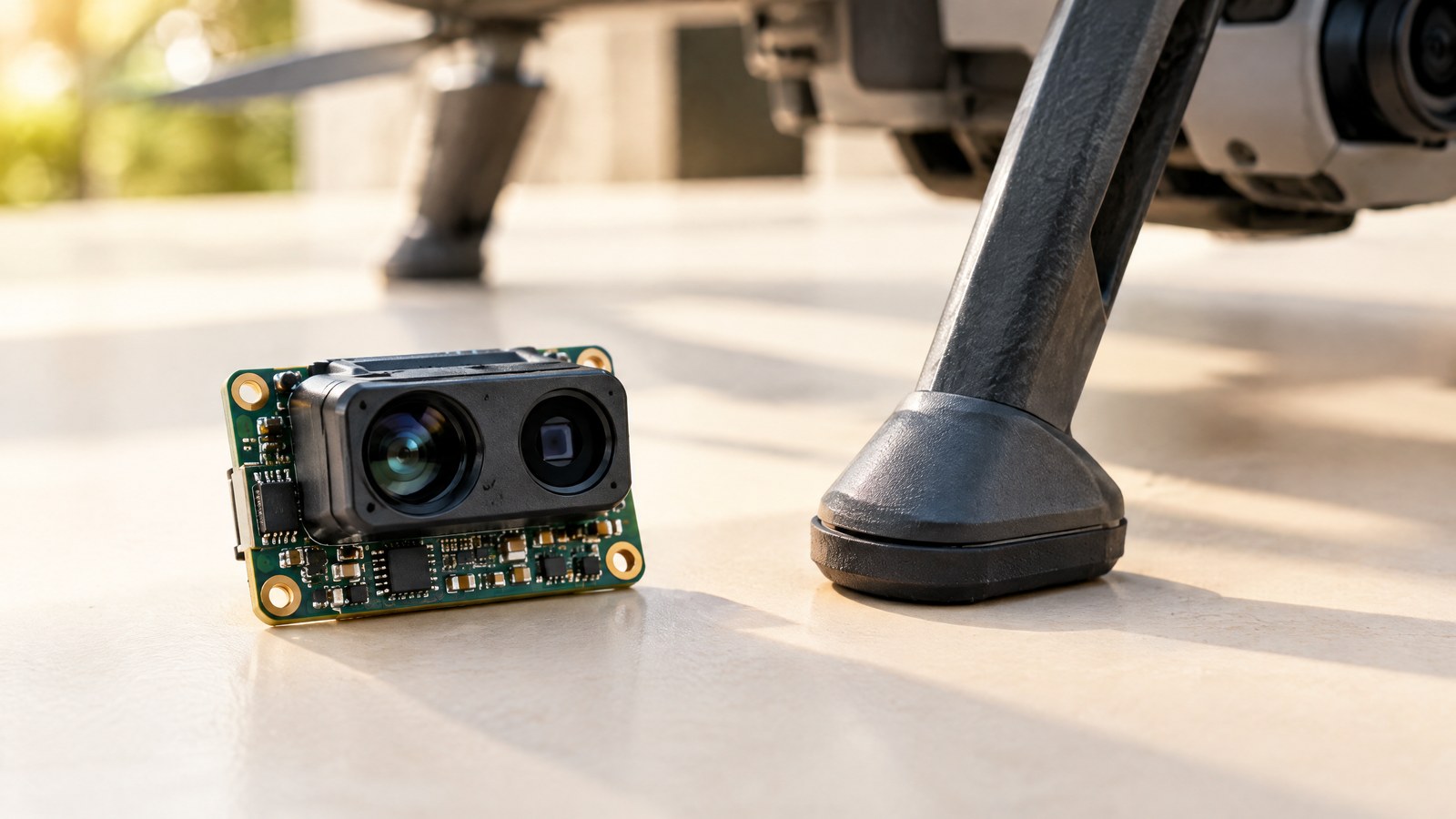
A clear India-focused guide to the short-range distance information a civilian drone ToF sensor can provide, what can distort it, and why it never replaces pilot judgement or official compliance checks.
 Explainer
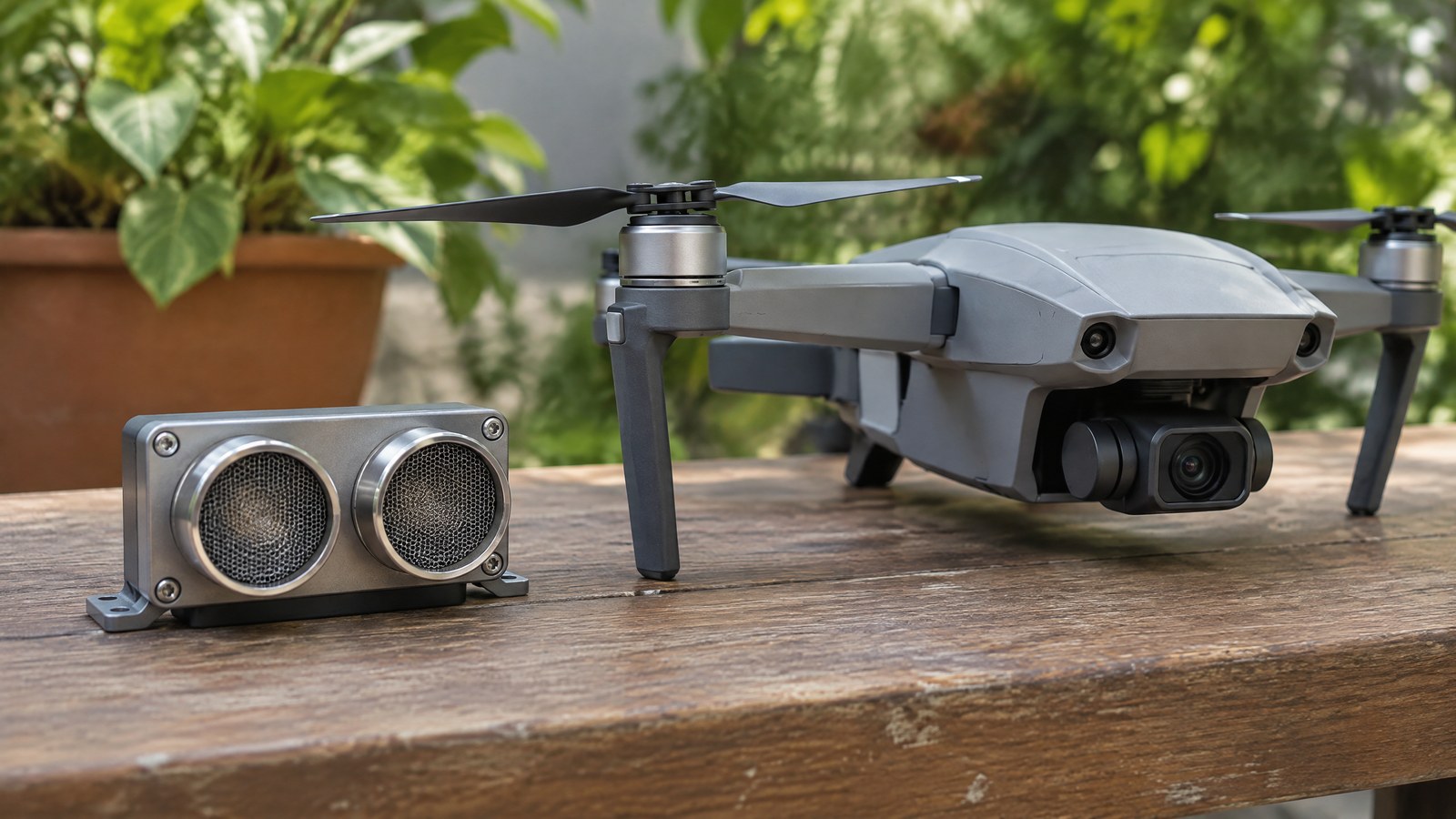
An India-focused guide to what a civilian drone ultrasonic rangefinder measures, where its local echo-distance estimate can help, and why it cannot certify obstacle awareness or a safe operation.
 Explainer
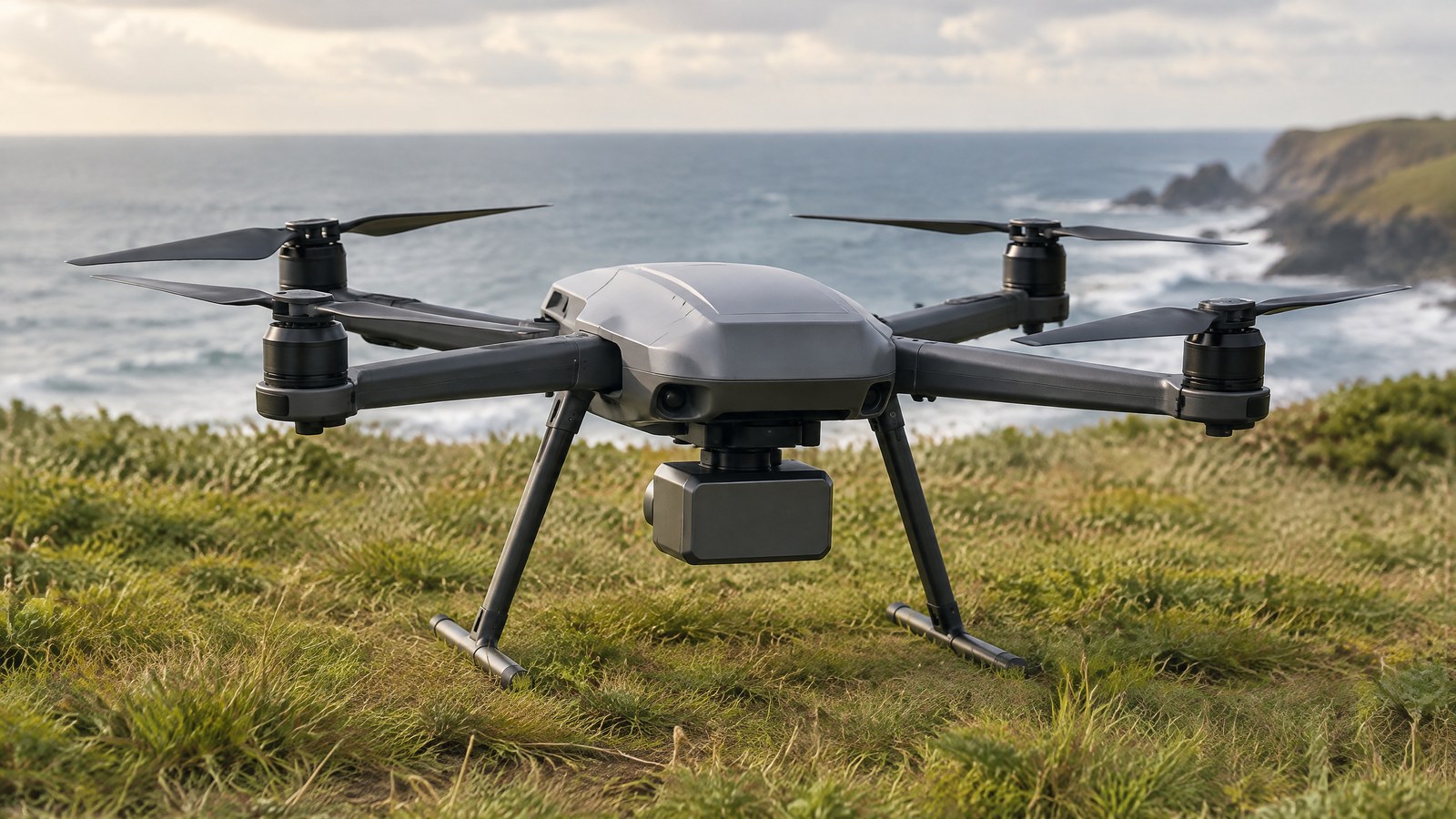
A plain-English guide to the surface-relative distance a civilian drone radar altimeter can estimate, the conditions that shape the reading, and the separate India compliance check operators still need.
 Explainer
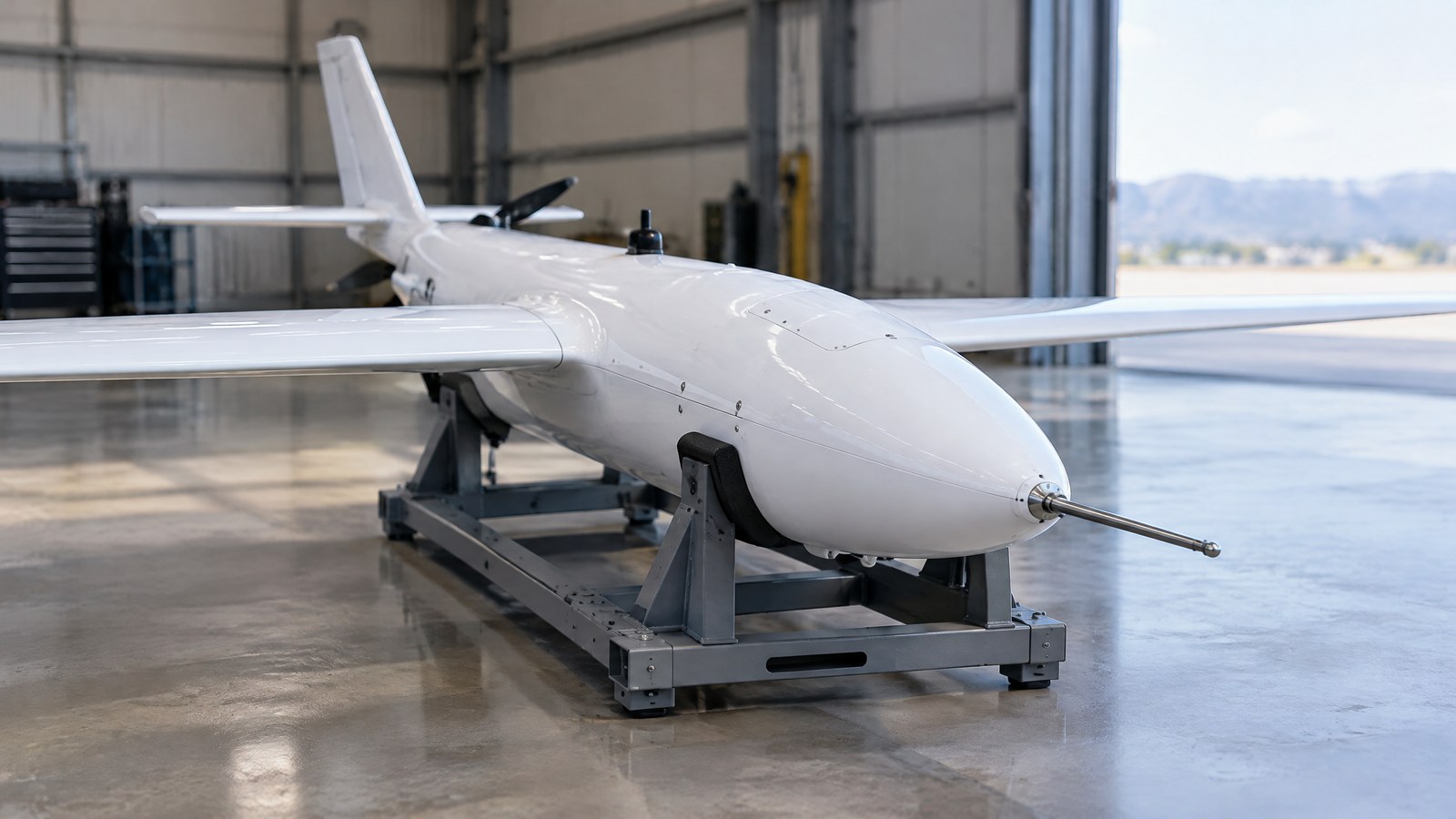
A plain-English India-focused guide to a fixed-wing civilian drone airspeed sensor: what a Pitot/differential-pressure reading represents, how wind and measurement limits matter, and why it never replaces pilot responsibility or current official checks.
 Explainer
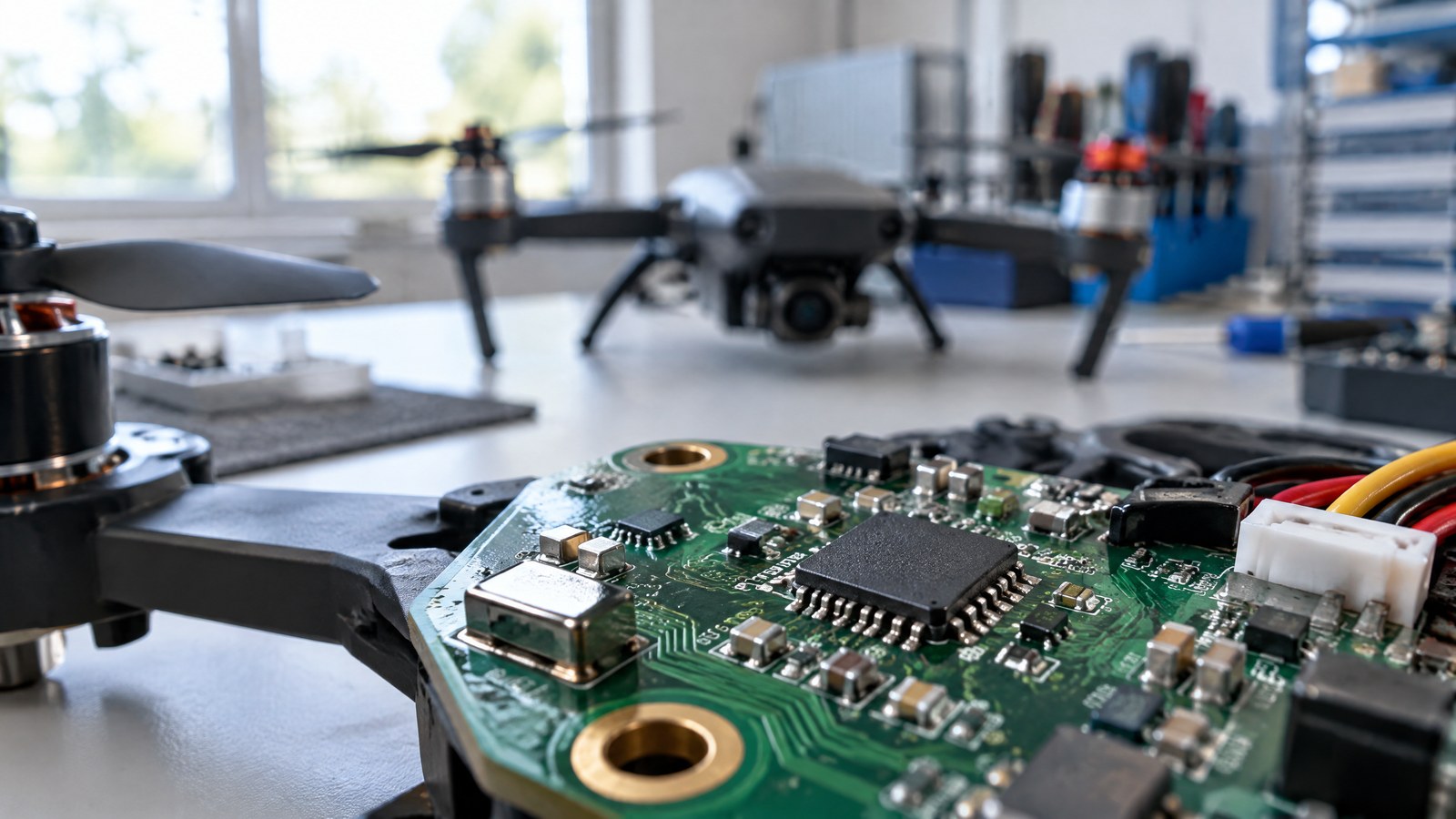
A plain-English India-focused guide to the motion sensor package inside many civilian drones, including what it measures, where its estimates stop, and how to read its role responsibly.
 Explainer
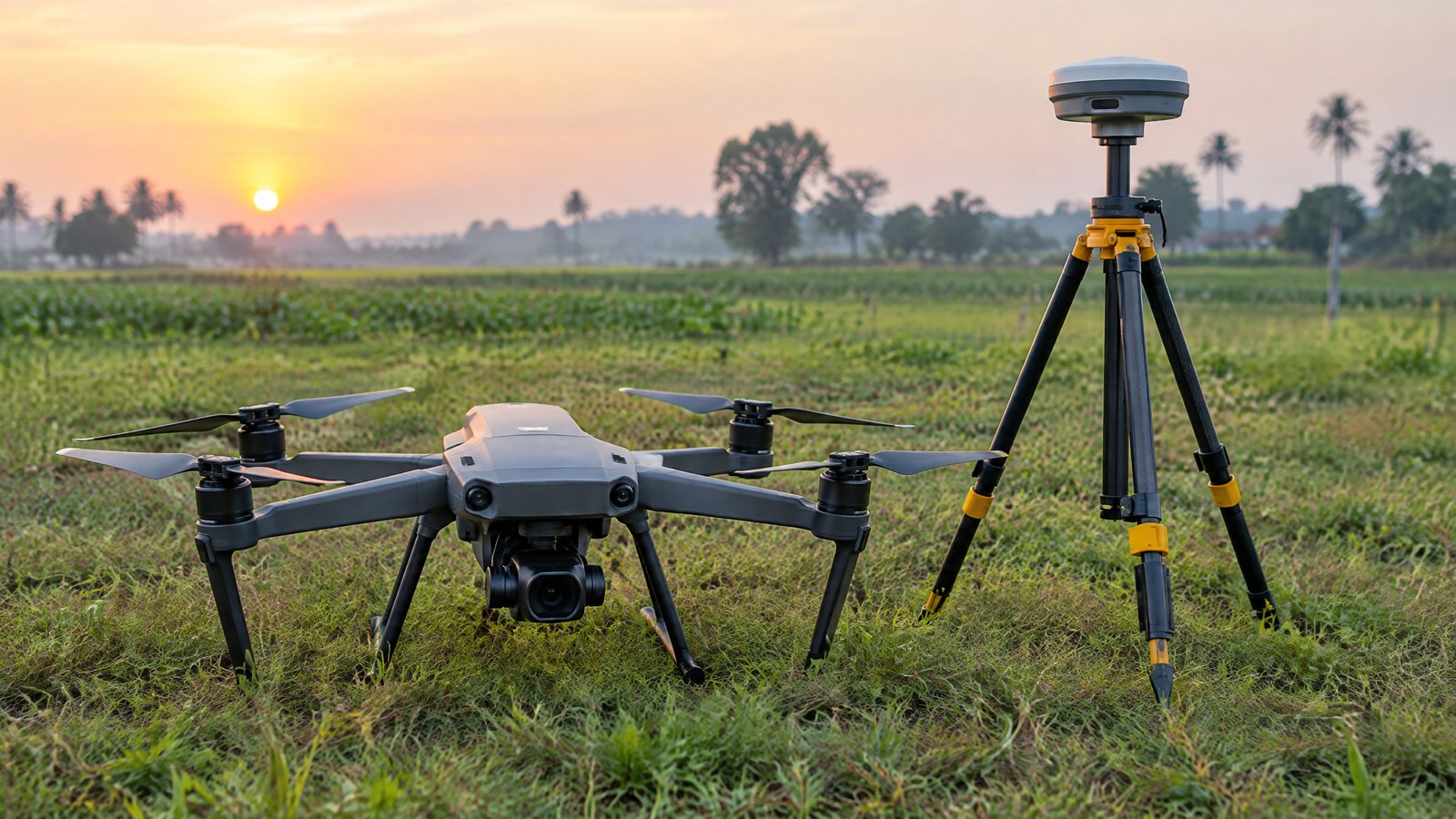
Understand what a civilian drone GNSS/RTK receiver measures, why corrections can help mapping, where accuracy claims stop, and why India airspace checks remain separate.
 Explainer
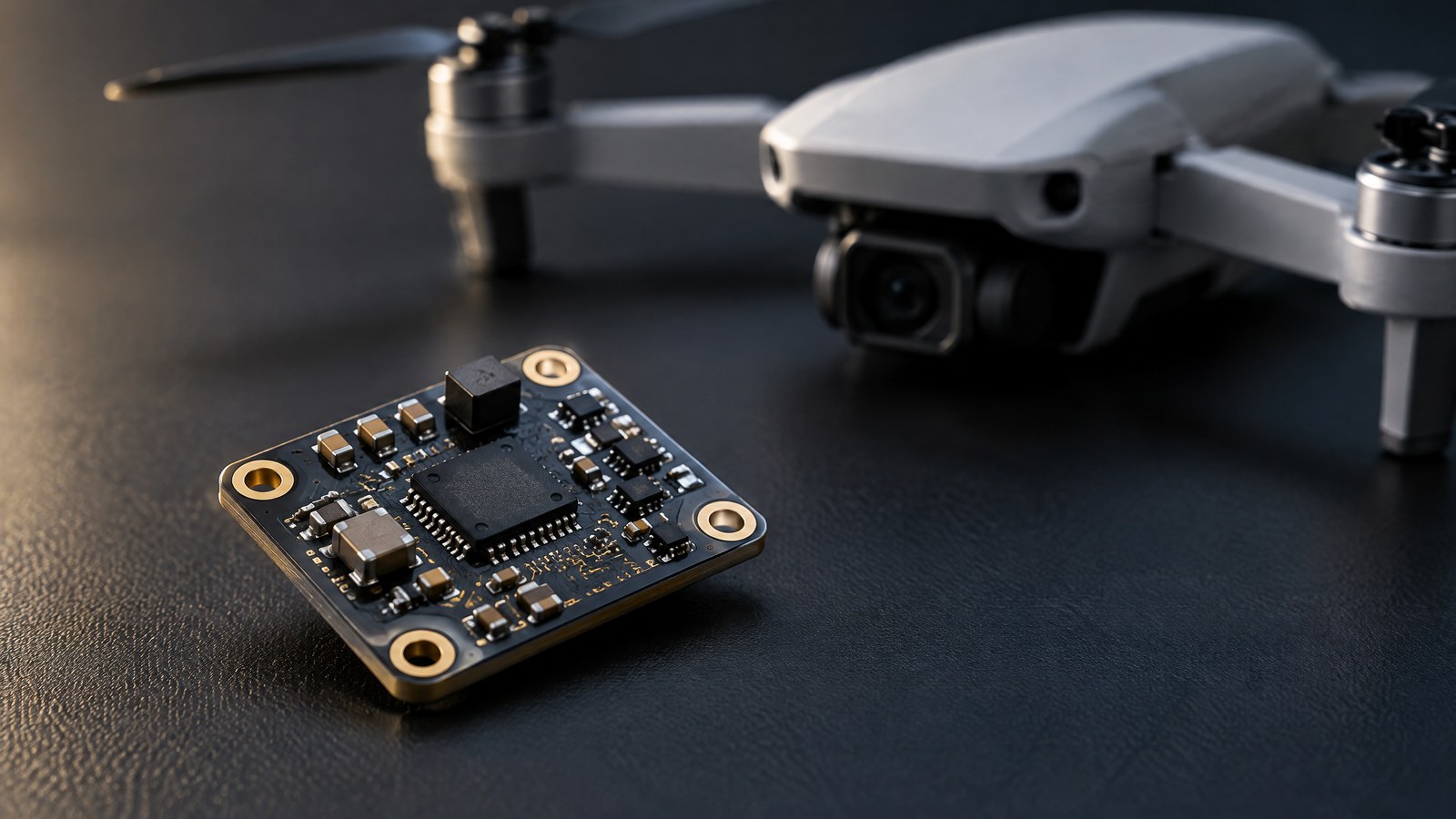
A plain-English guide to the compass sensor in civilian drones: what it measures, where its reading can mislead, and why it is not a survey verdict or a compliance substitute.
 Explainer
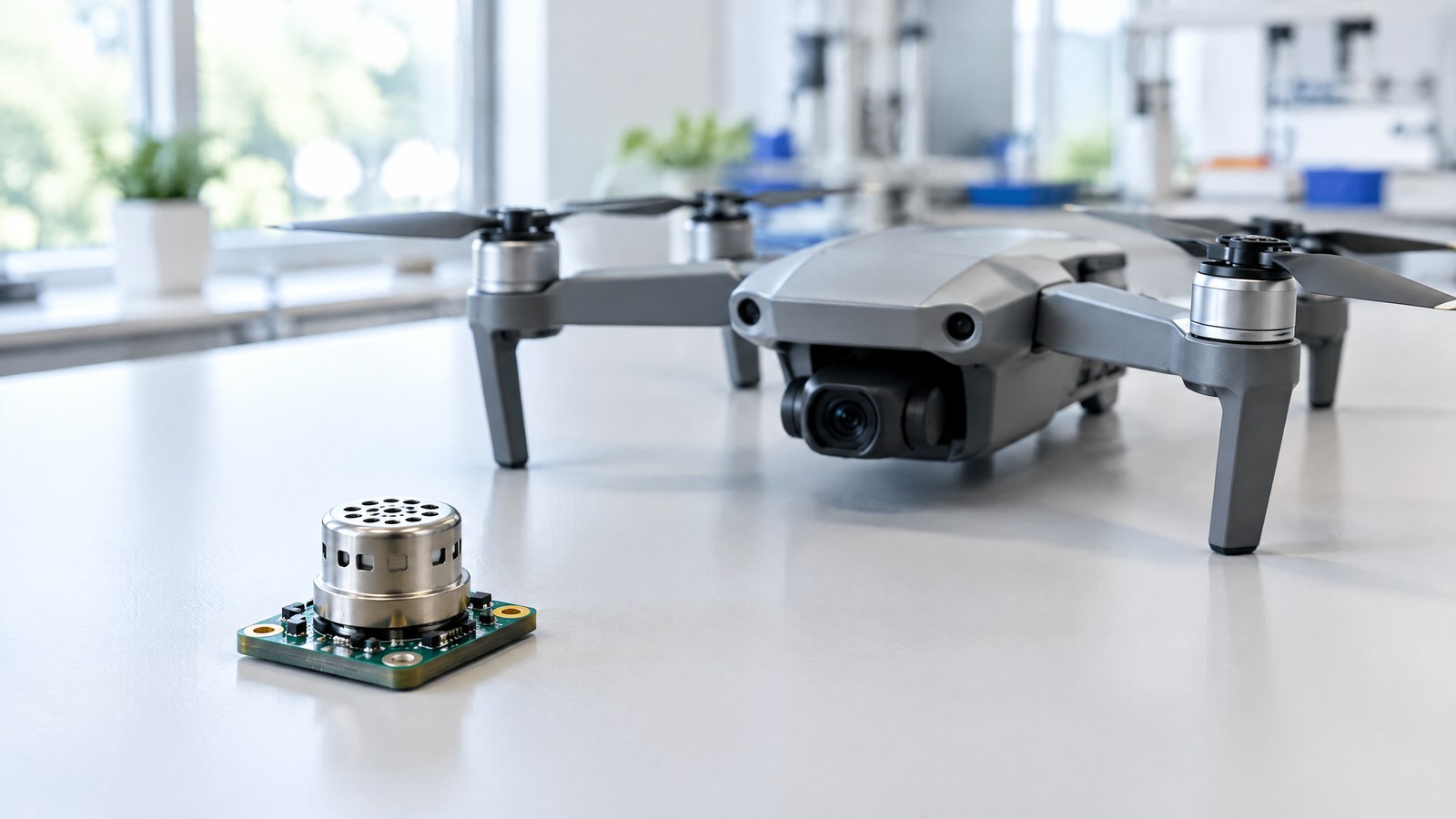
A barometric altitude sensor reads air pressure to support an altitude estimate. Learn what its display means for civilian drone awareness, what it cannot establish, and why it never replaces a current India compliance check.
 Explainer
A plain-English India-focused guide to optical-flow motion sensing in civilian drone indoor inspection, including limits, complementary inputs and current compliance checks.
 Explainer
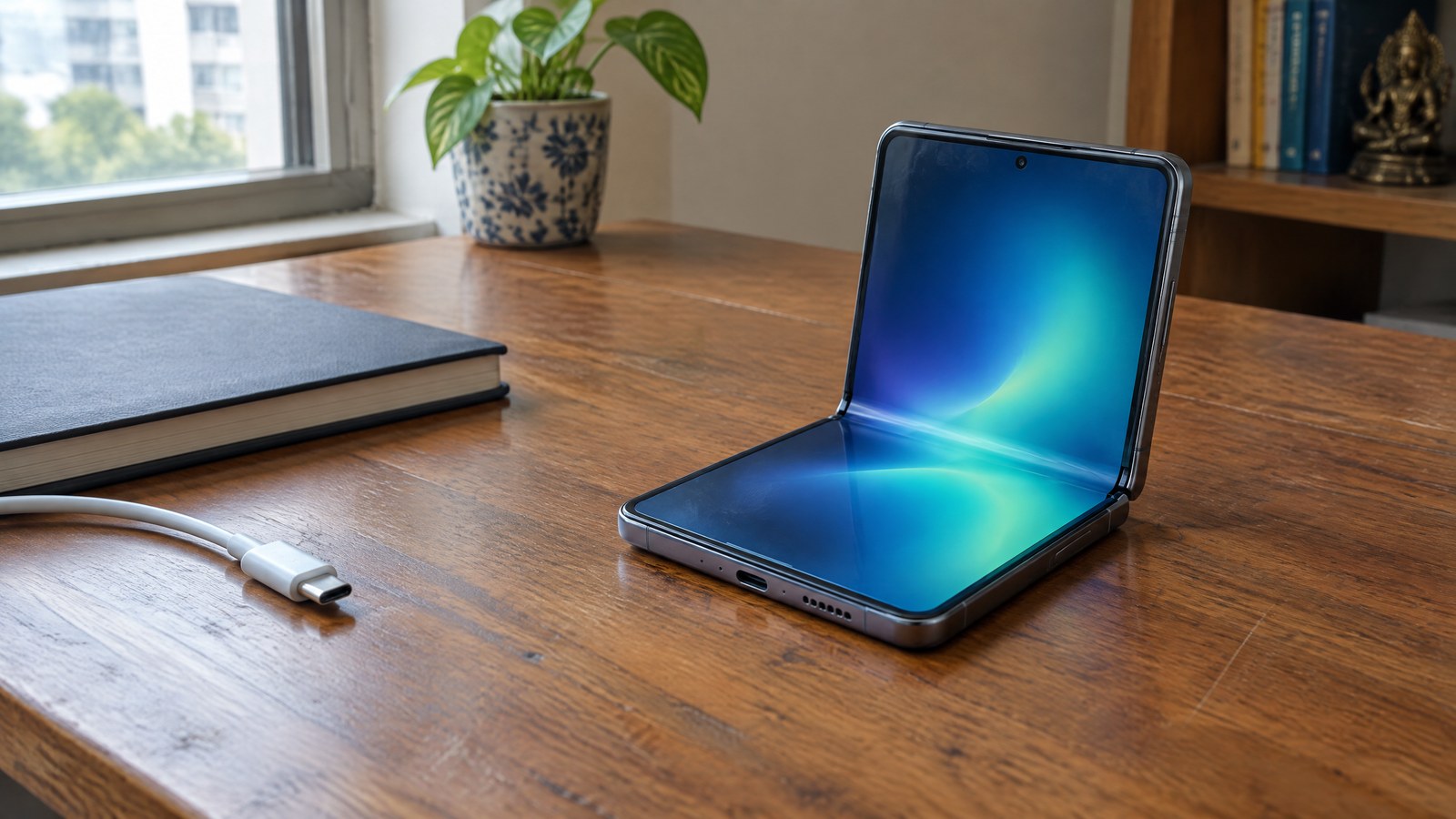
India price, preorder timing, eSIM readiness and the practical checks worth making before choosing Apple’s foldable iPhone.
 Explainer
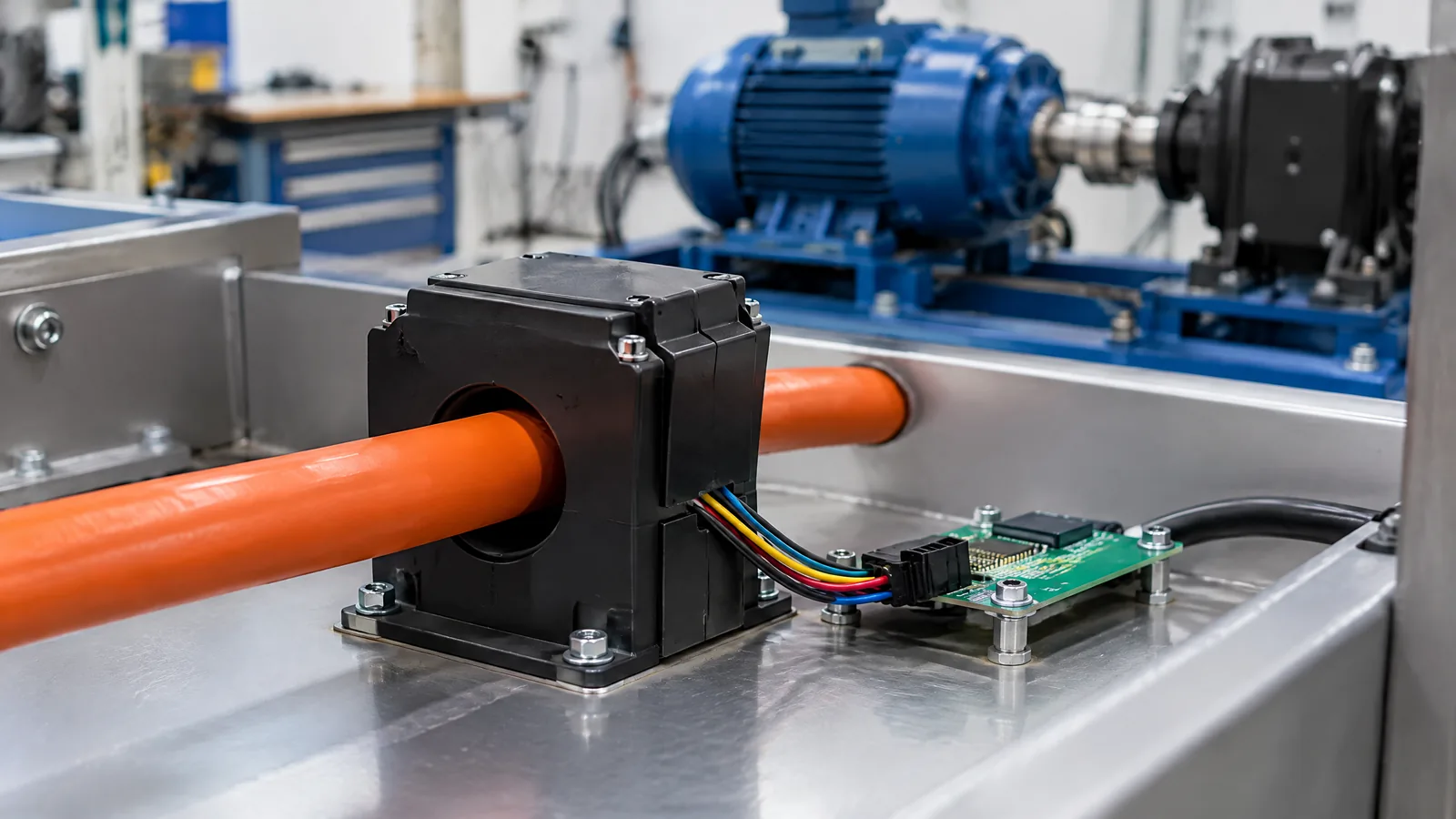
A practical beginner guide to using a Hall-effect current sensor for isolated DC-bus, motor or solar-current measurement and reading its analogue output with an MCU ADC.
 Guide
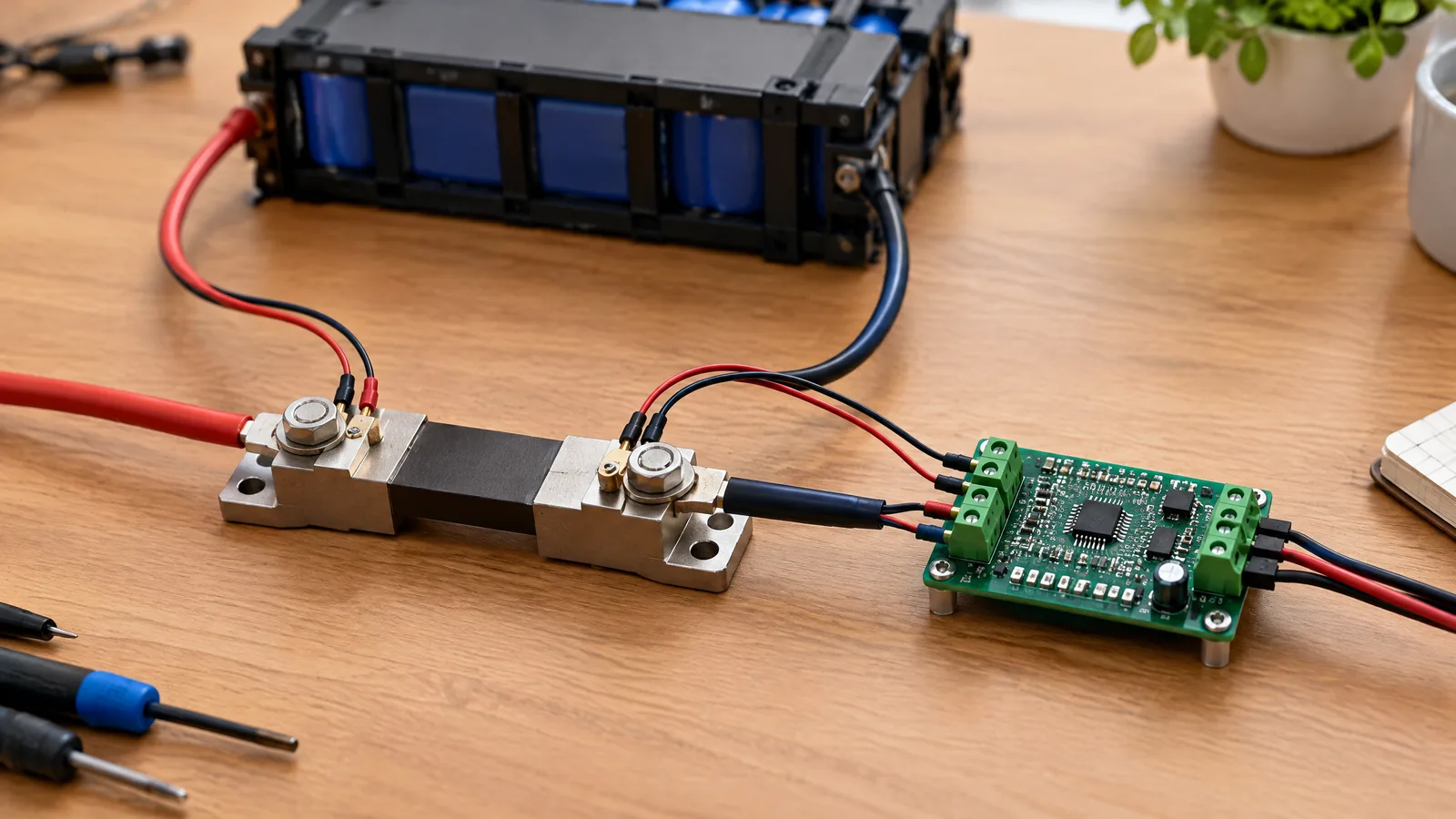
A practical beginner guide to using a precision shunt resistor, amplifier and ADC to estimate current, power and accumulated energy in a low-voltage project.
 Explainer
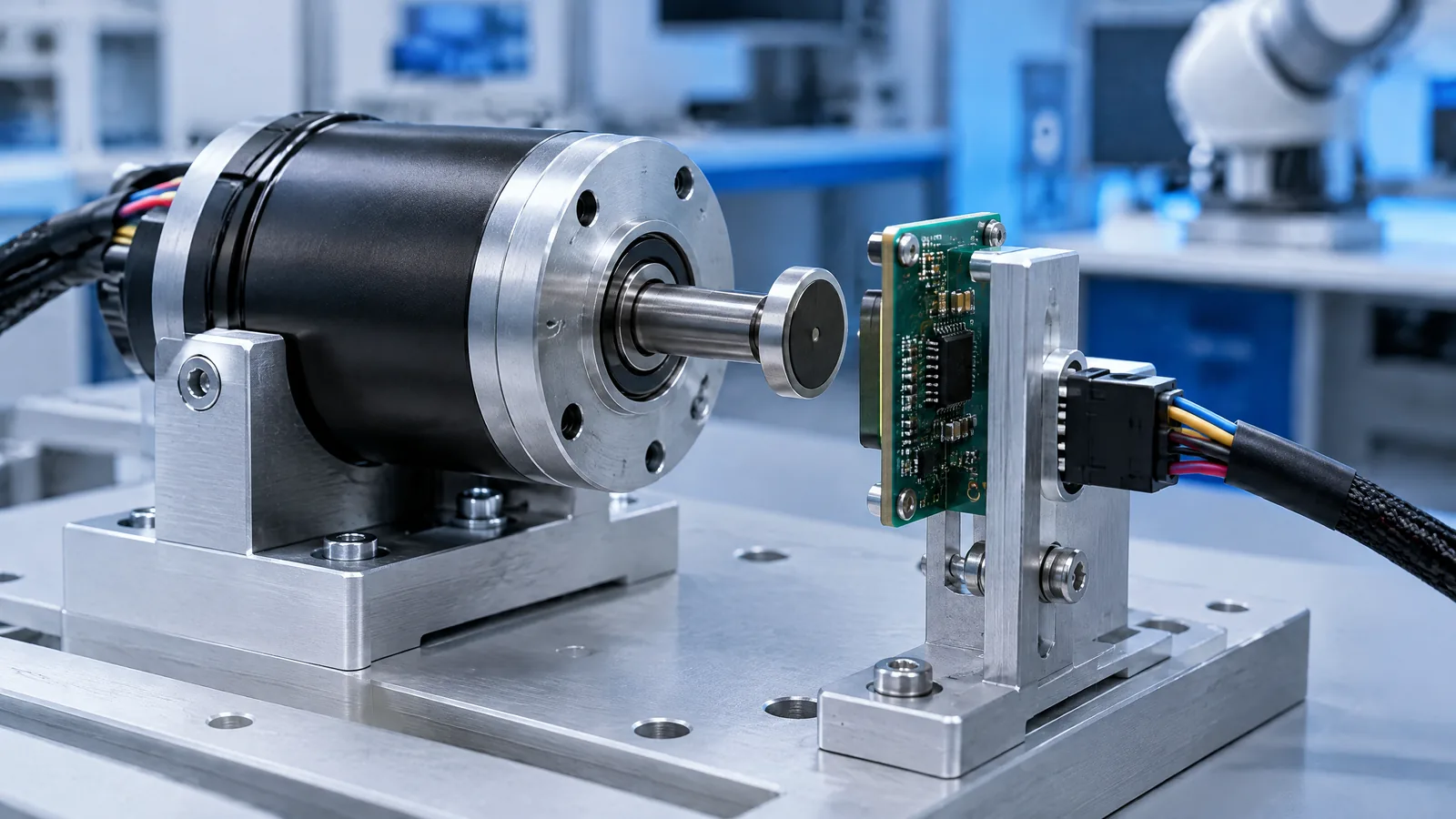
A beginner-friendly guide to how a magnetic rotary encoder turns shaft movement into feedback for motors, knobs and robot joints, and what its magnet, air gap and output cannot tell you by themselves.
 Explainer
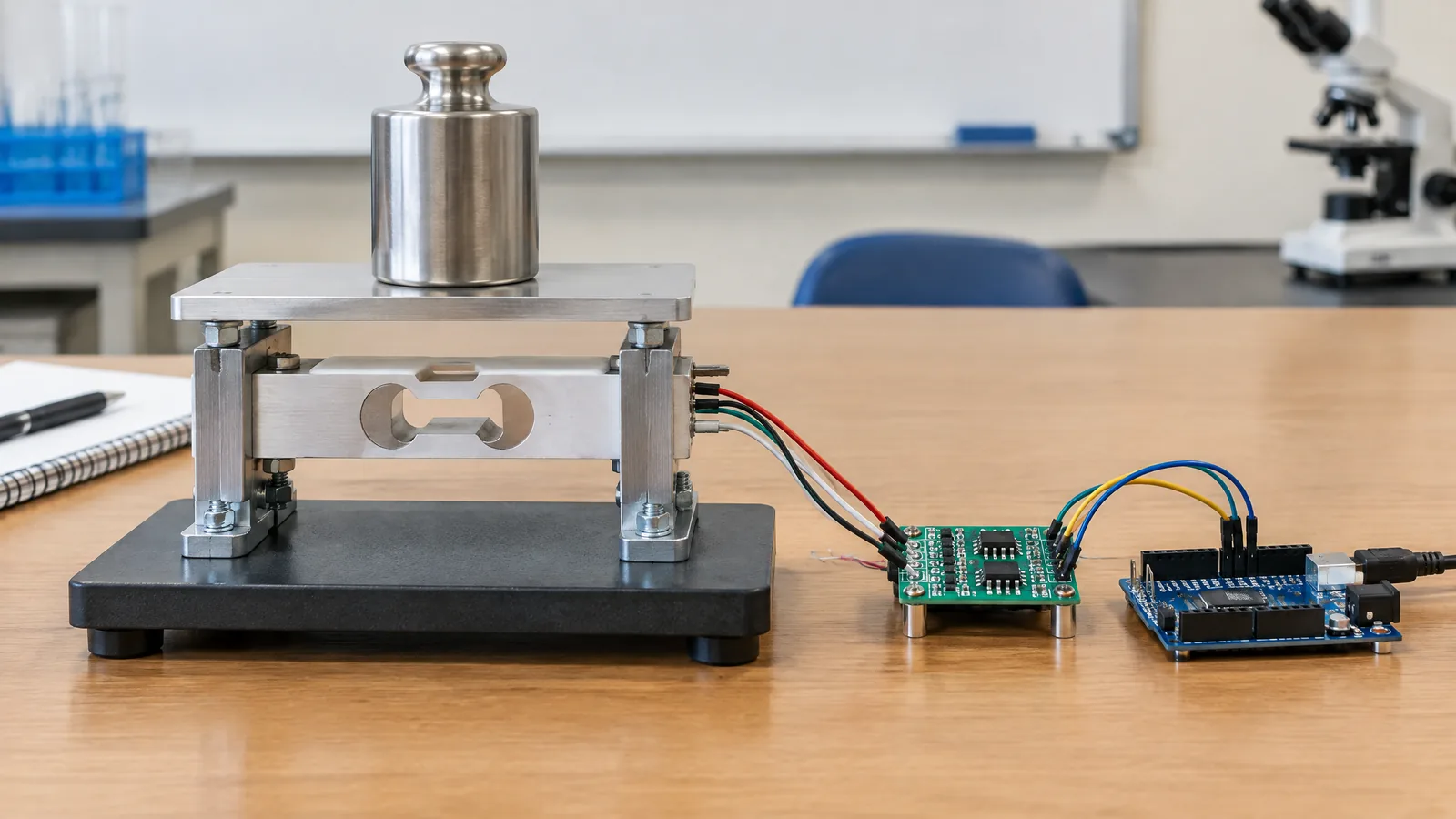
A beginner-friendly explanation of how a strain-gauge load cell, HX711 interface and Arduino work together in a calibrated class, feeder or stock-bin scale—and where the setup should not be trusted.
 Explainer
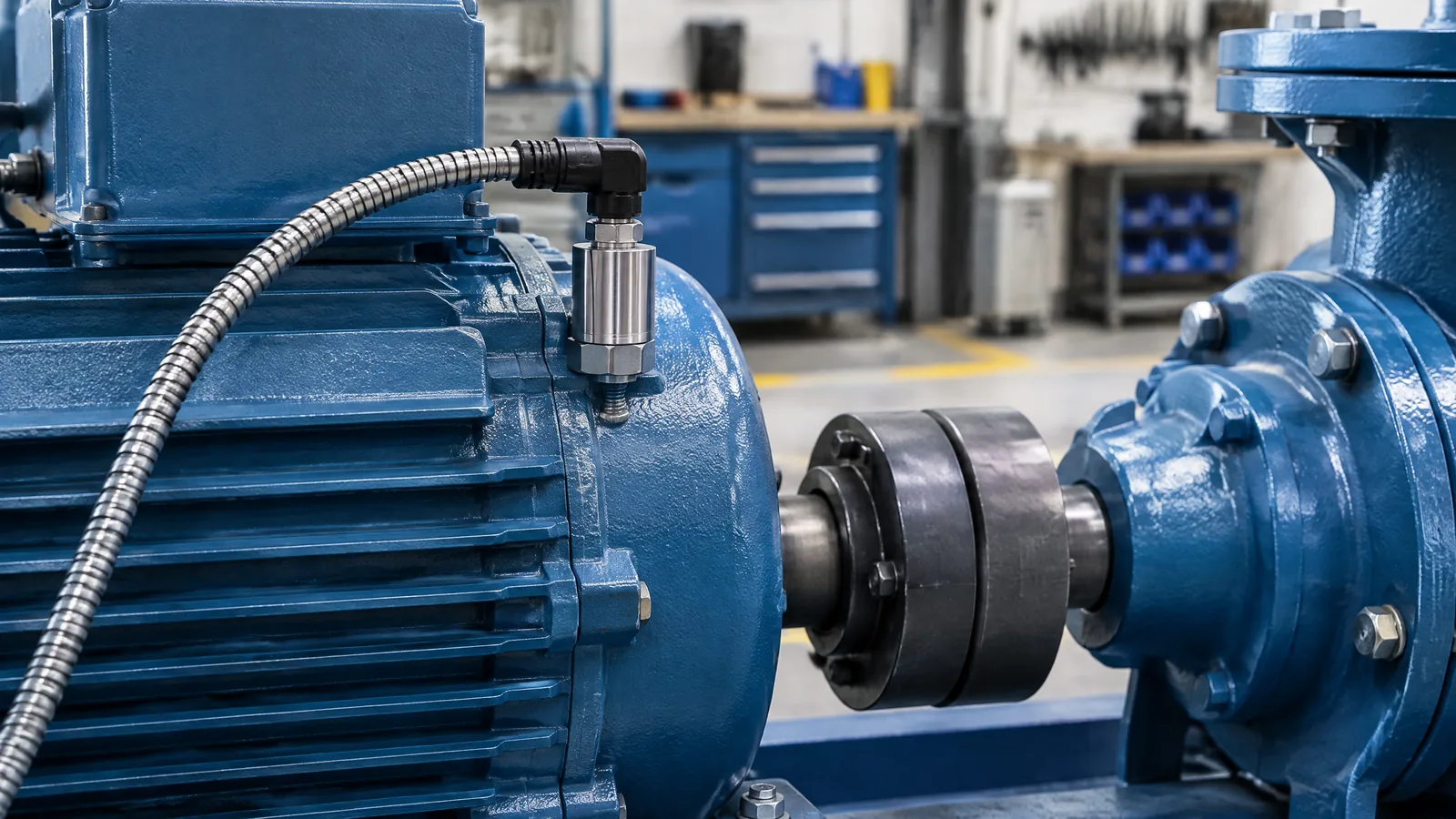
Learn how an industrial vibration sensor tracks changes in fans, pumps and motors, and why mounting, frequency range and a normal baseline matter before maintenance decisions.
 Explainer
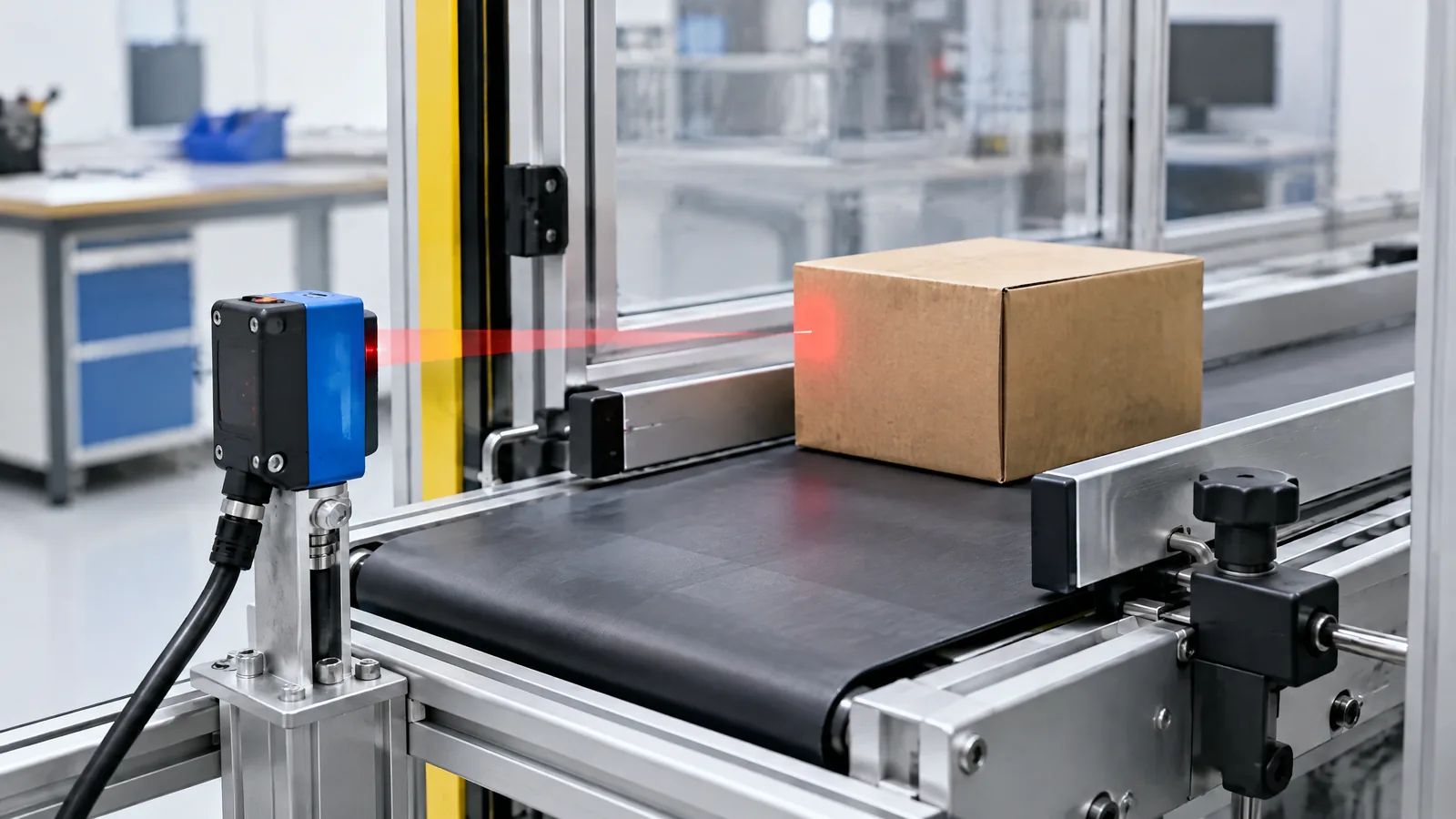
Learn how a photoelectric sensor detects parts, labels and objects on a conveyor, and how reflective, retroreflective and through-beam arrangements differ.
 Explainer
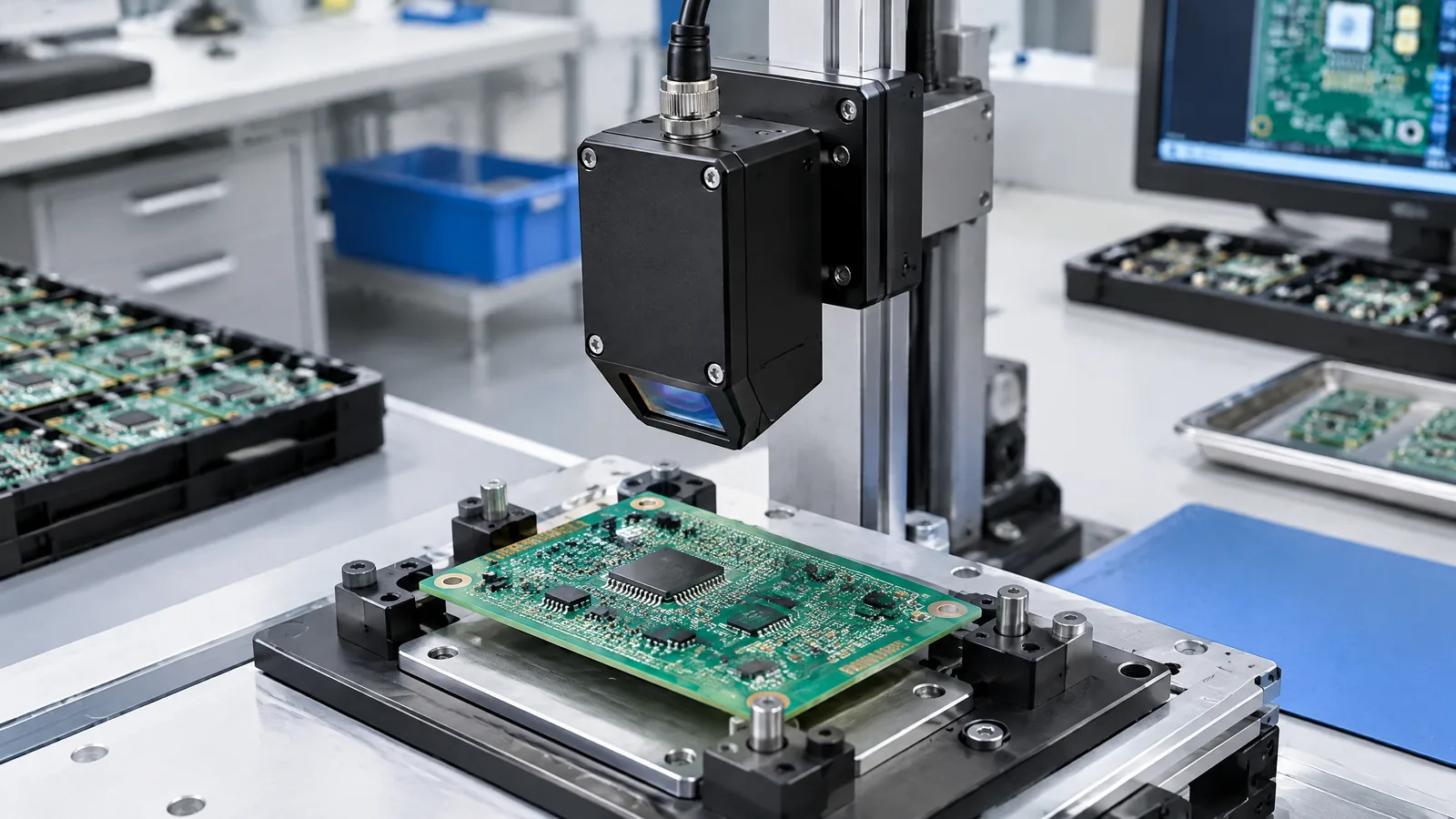
A practical guide to using a laser displacement sensor for PCB component height, thickness, warpage and placement checks, including the setup limits that affect readings.
 Explainer
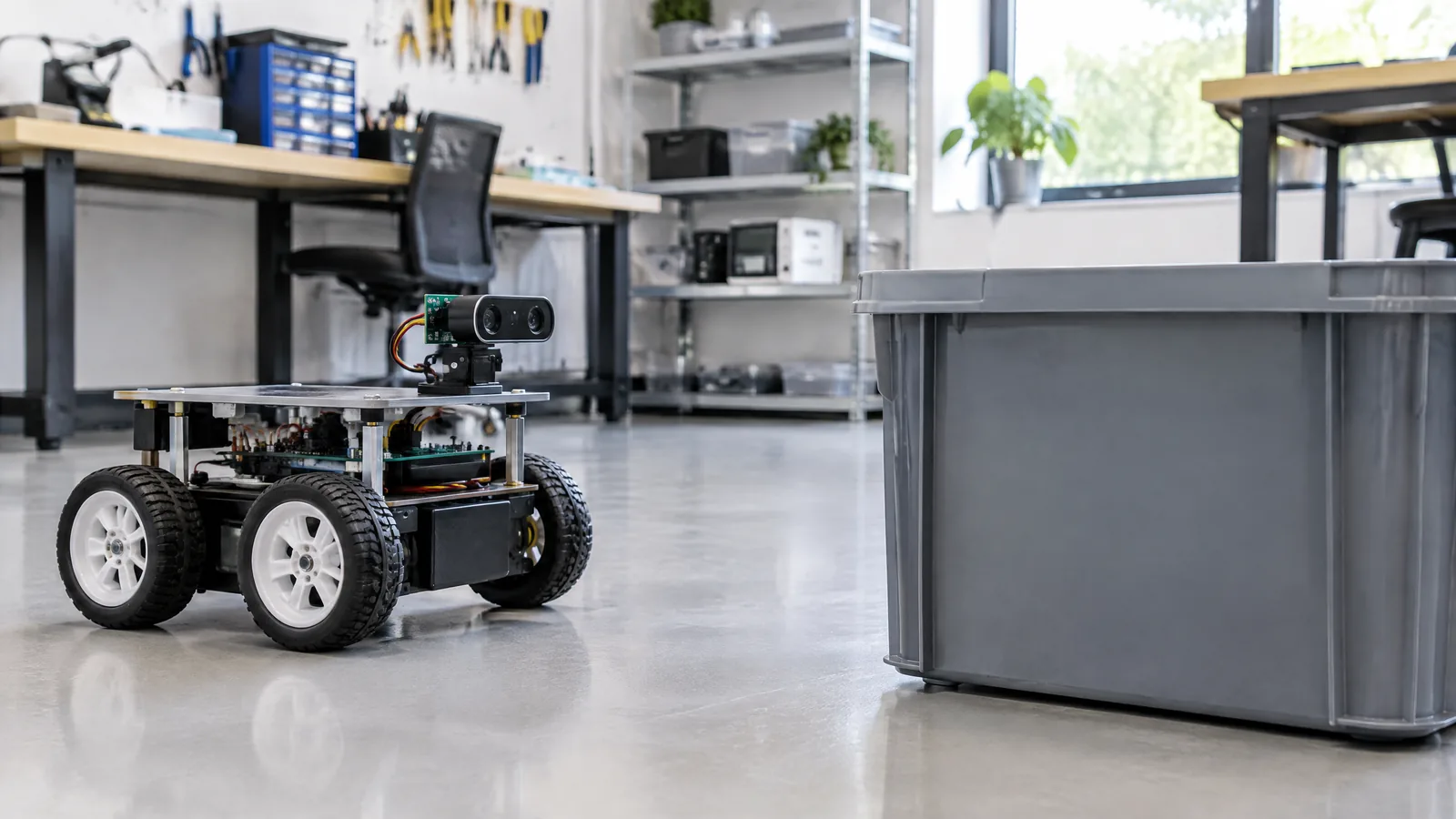
Learn how a Time-of-Flight (ToF) distance sensor measures range with light, where it fits in a robot or prototype, and what to test before using it.
 Explainer
Learn how a particulate matter sensor estimates PM1, PM2.5 and PM10 for an indoor monitor, Arduino logger or HVAC project—and where its readings need care.
 Explainer
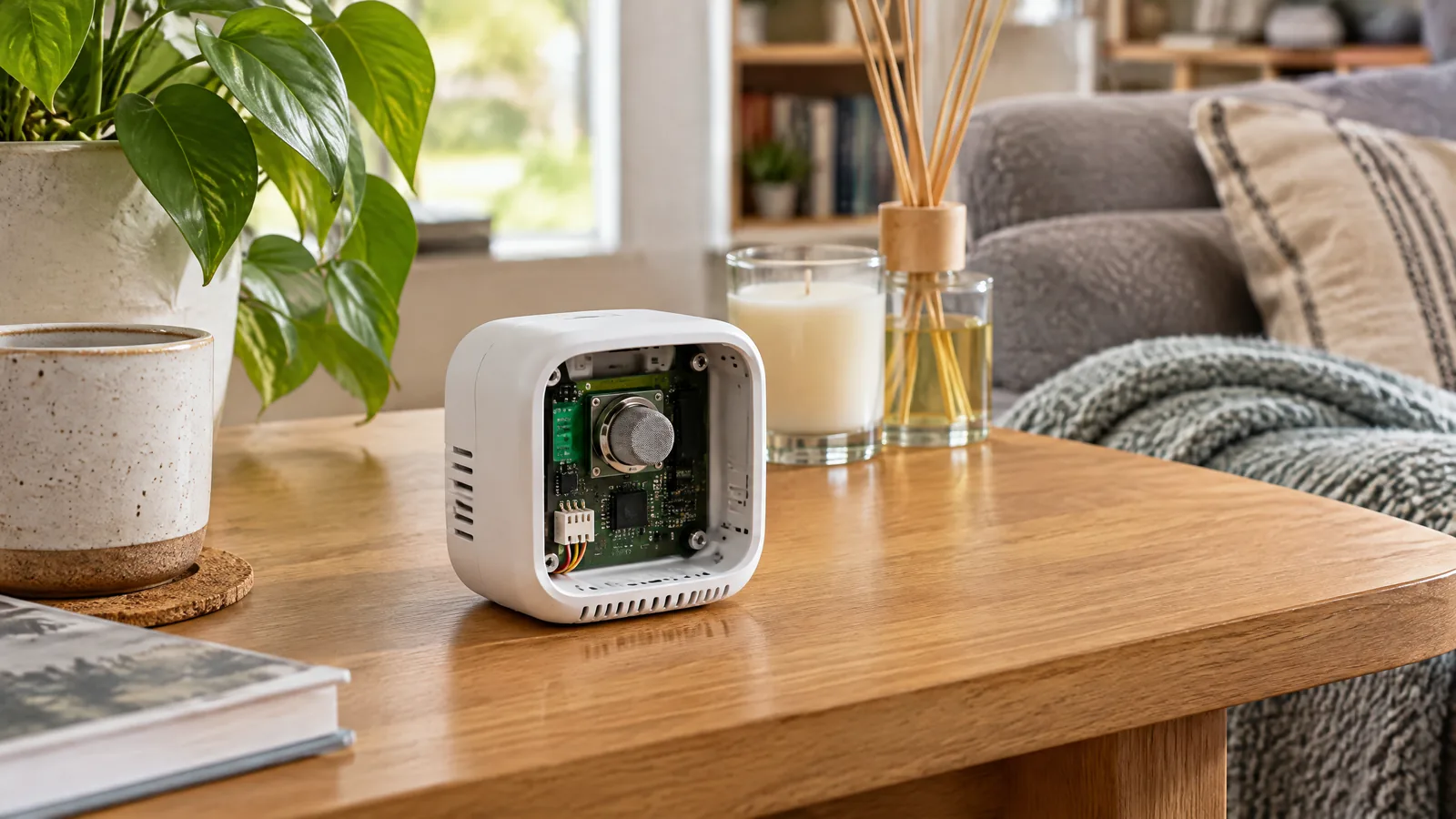
Learn how a VOC/indoor-air-quality gas sensor supports indoor odour and air-quality trends, why IAQ and CO2-equivalent values are model-derived, and where a hobby module stops being a safety detector.
 Explainer
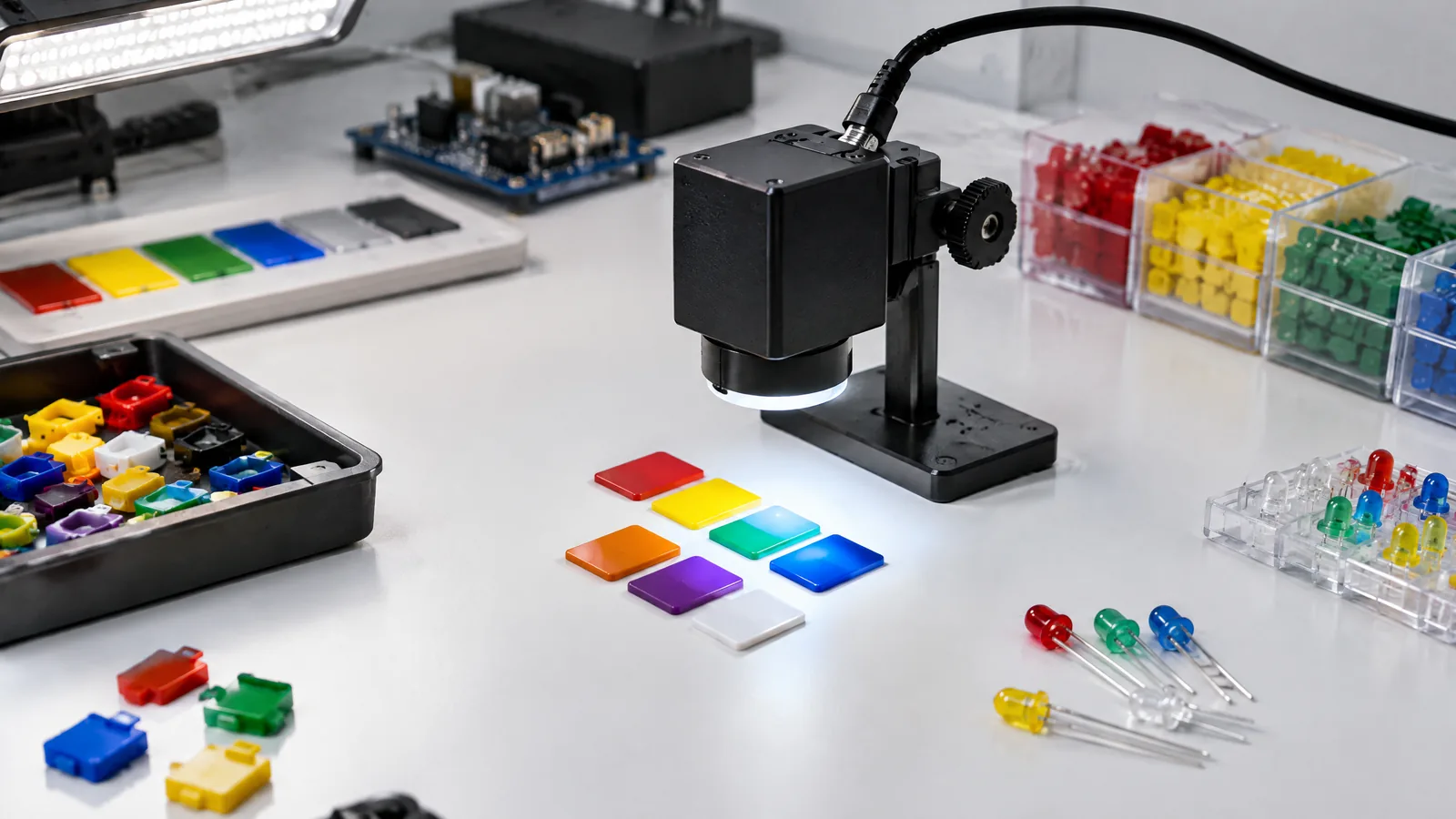
Learn how RGB and XYZ color sensors read filtered light channels, then use calibration to detect coloured parts or compare LEDs without treating the sensor like a camera.
 Explainer
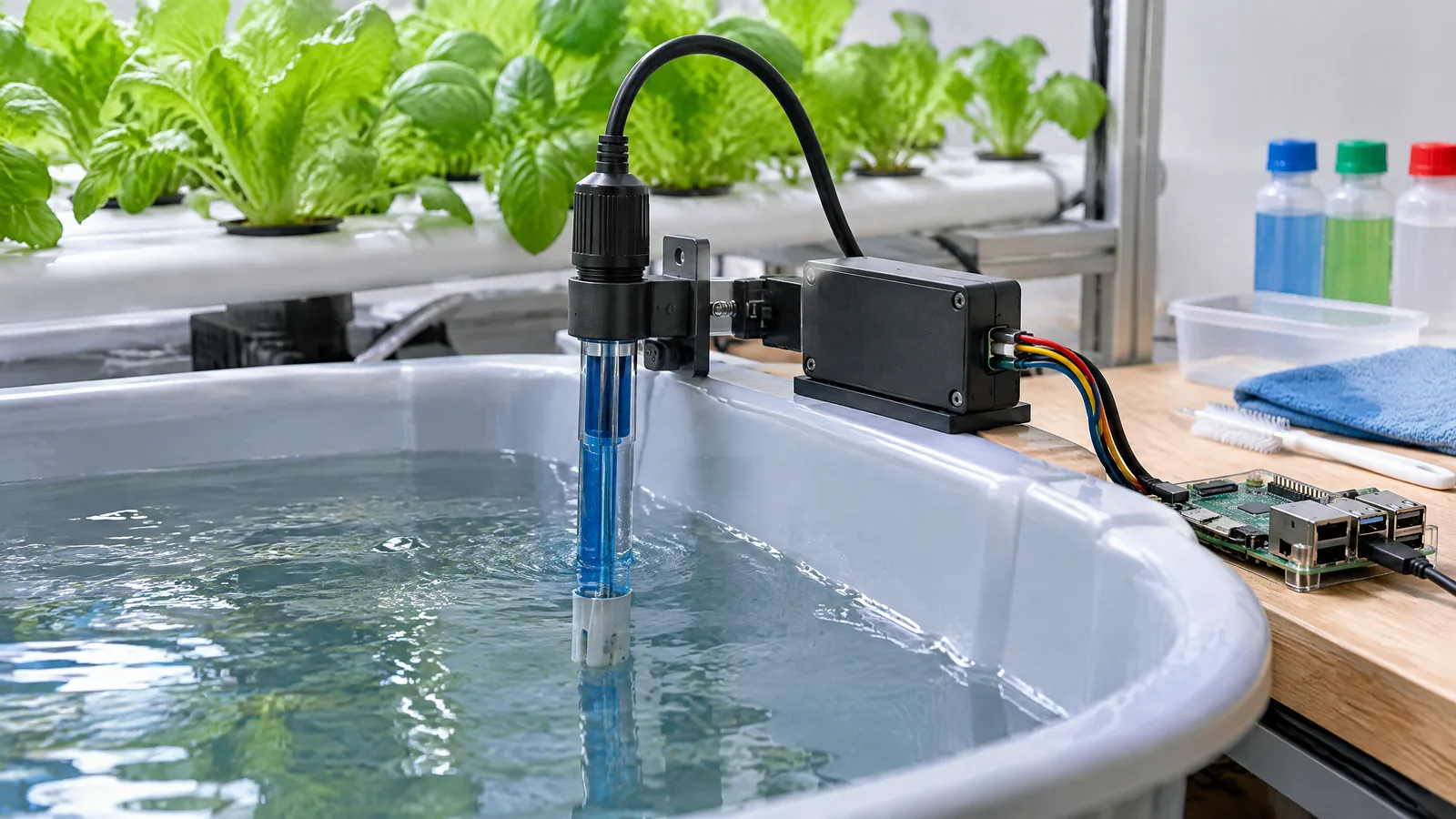
A practical beginner guide to logging water pH with a probe, an embedded interface circuit, and an Arduino or Raspberry Pi—without confusing calibration with maintenance.
 Explainer
Use an electrical-conductivity (EC) sensor to track ionic content in hydroponic solution, while keeping the probe, conditioning circuit, temperature compensation and data logger in their proper roles.
 Explainer
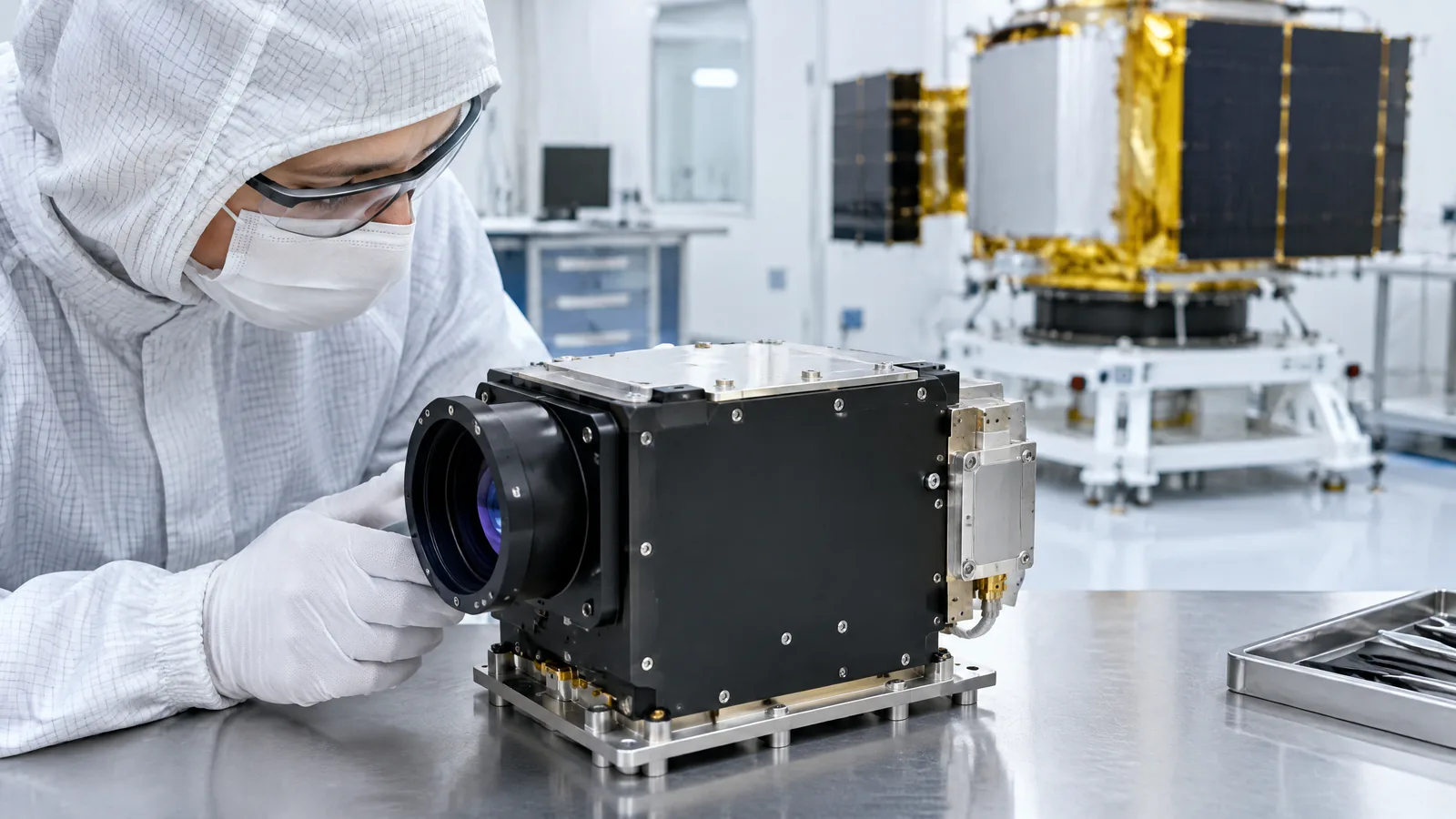
A beginner-friendly explanation of how a star tracker uses star-field images to estimate spacecraft orientation, how it fits into an attitude-control system, and where its limits begin.
 Explainer
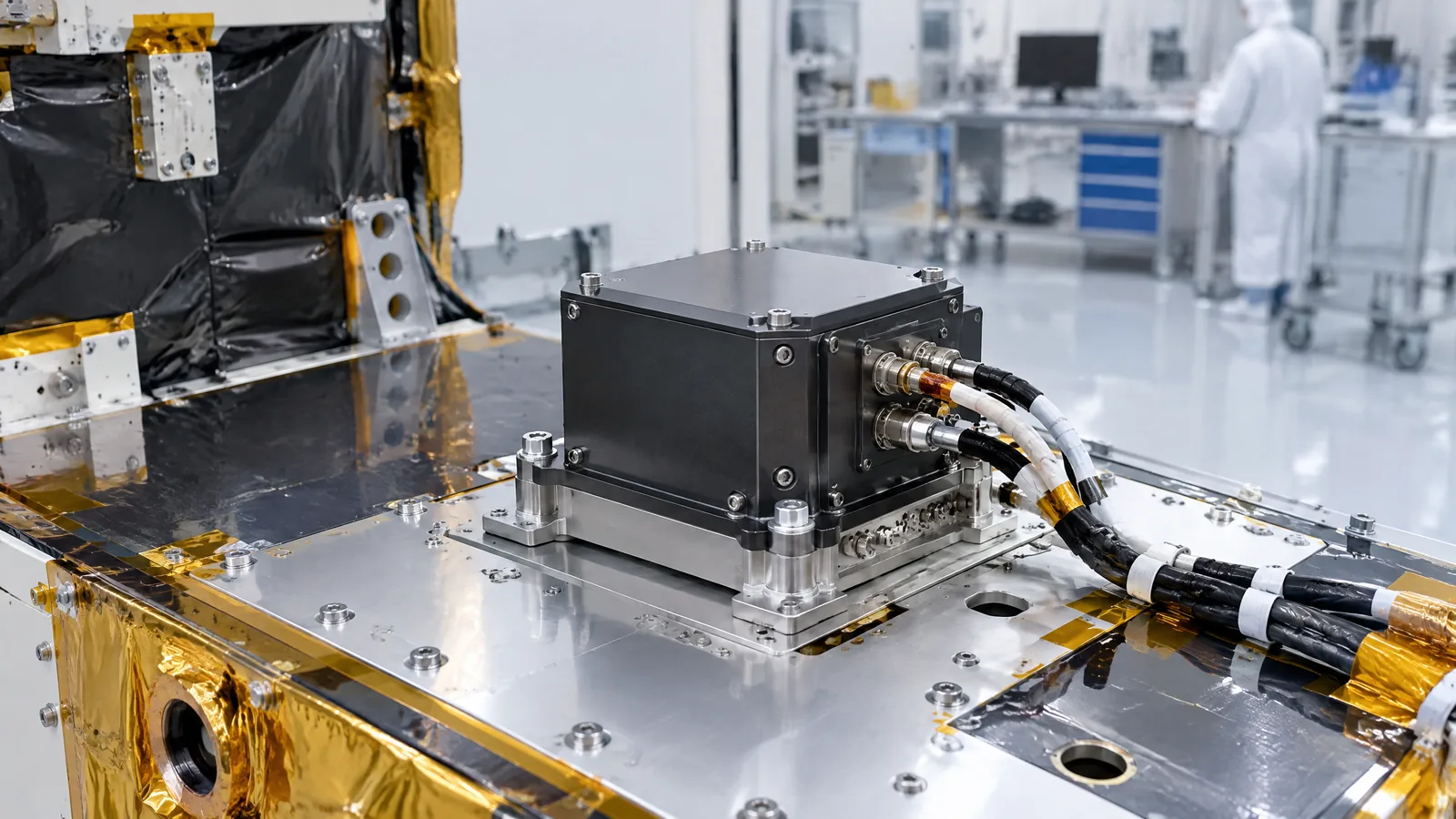
A plain-English guide to what a satellite IMU measures, how it supports three-axis attitude control, and why it cannot replace every spacecraft reference sensor.
 Explainer
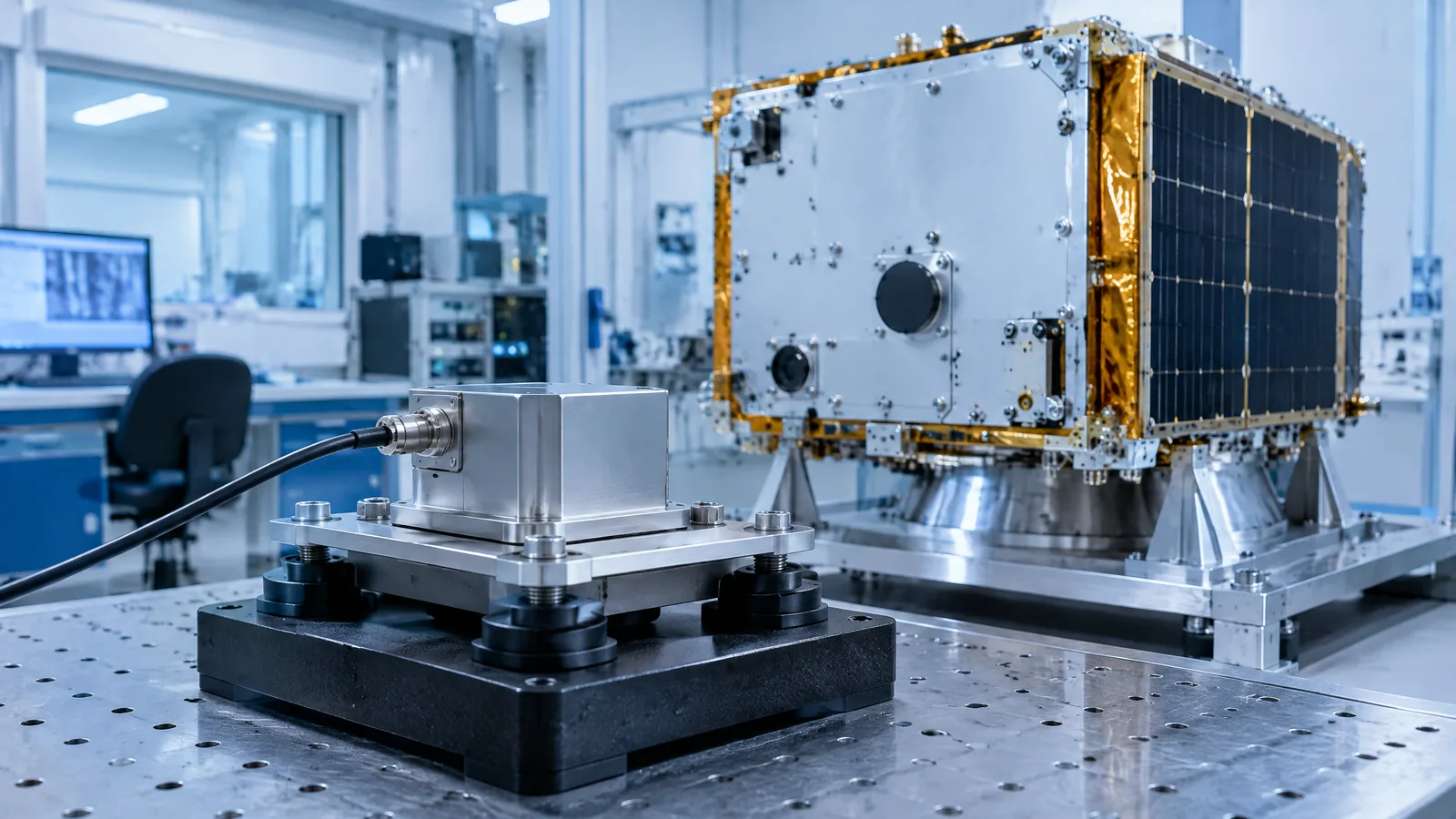
The GRACE-FO accelerometer does not read gravity directly. It measures drag, solar pressure and other non-gravitational forces so the twin-satellite mission can infer changes in Earth's gravity.
 Explainer
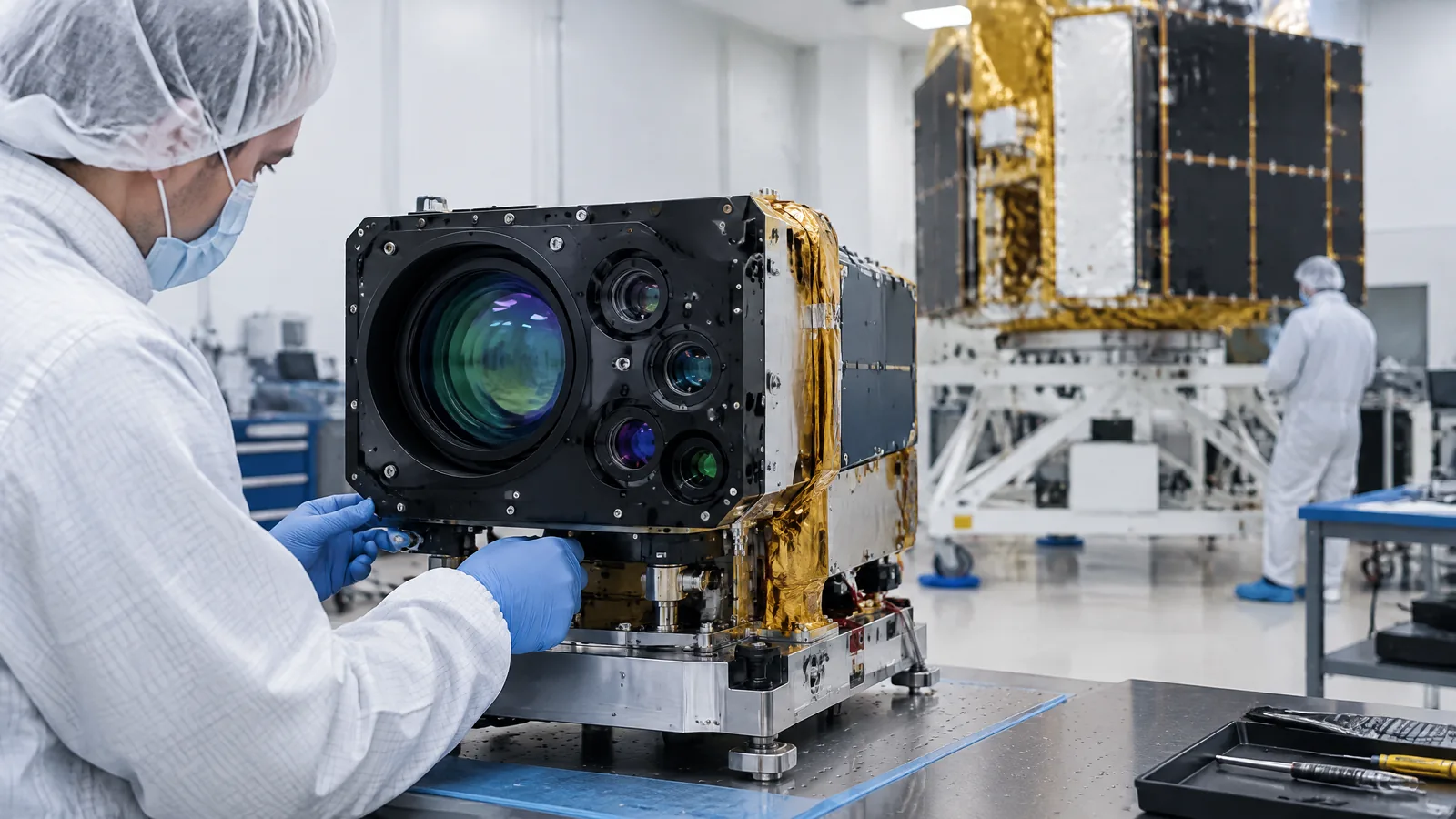
A plain-English guide to the Sentinel-2 multispectral imager, its 13 bands, spatial resolutions, repeat coverage and practical limits for observing land and vegetation.
 Explainer
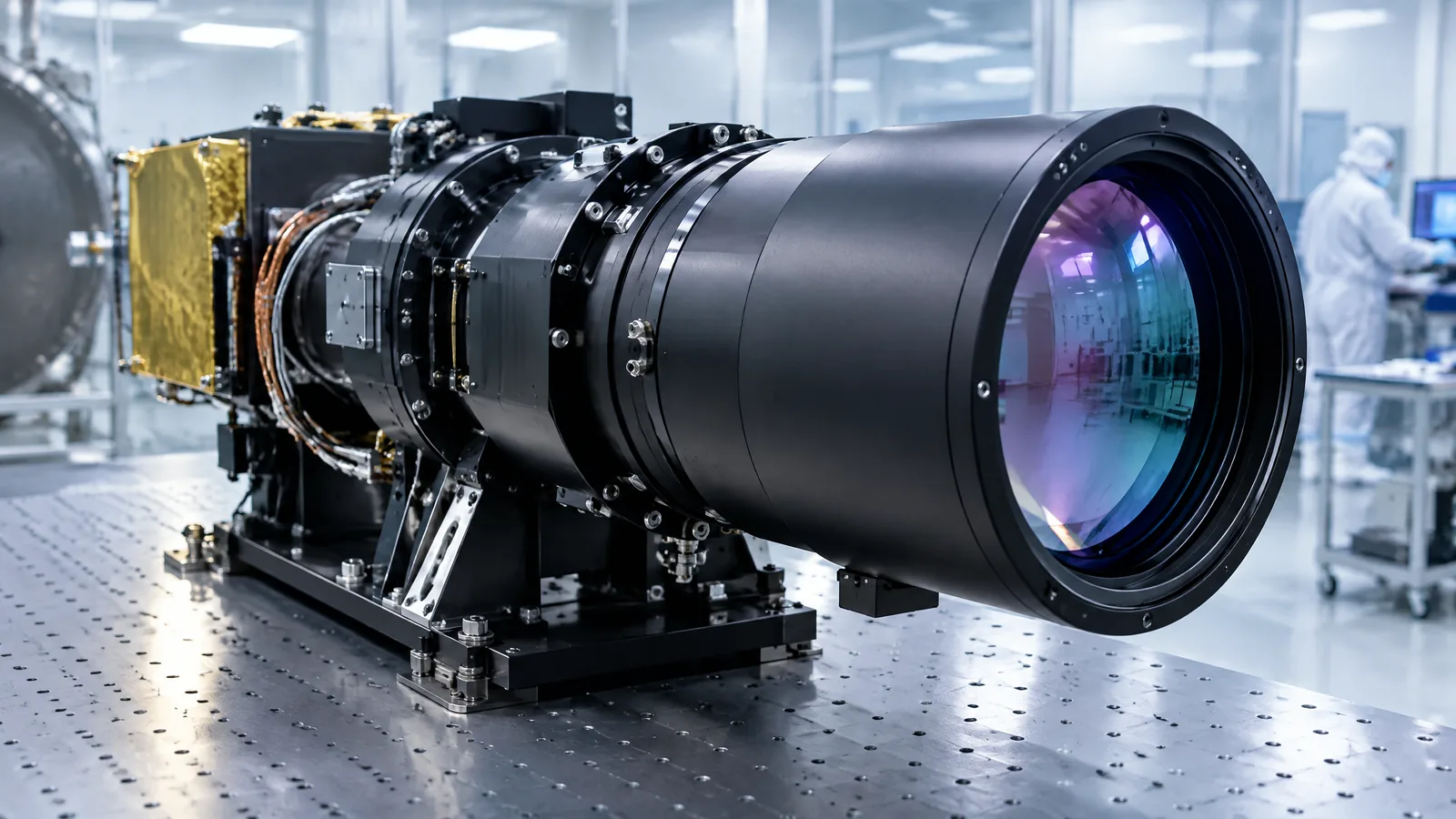
A beginner-friendly explanation of how Landsat 8 TIRS senses emitted thermal infrared radiance and supports observations of water use, glaciers and urban heat.
 Explainer
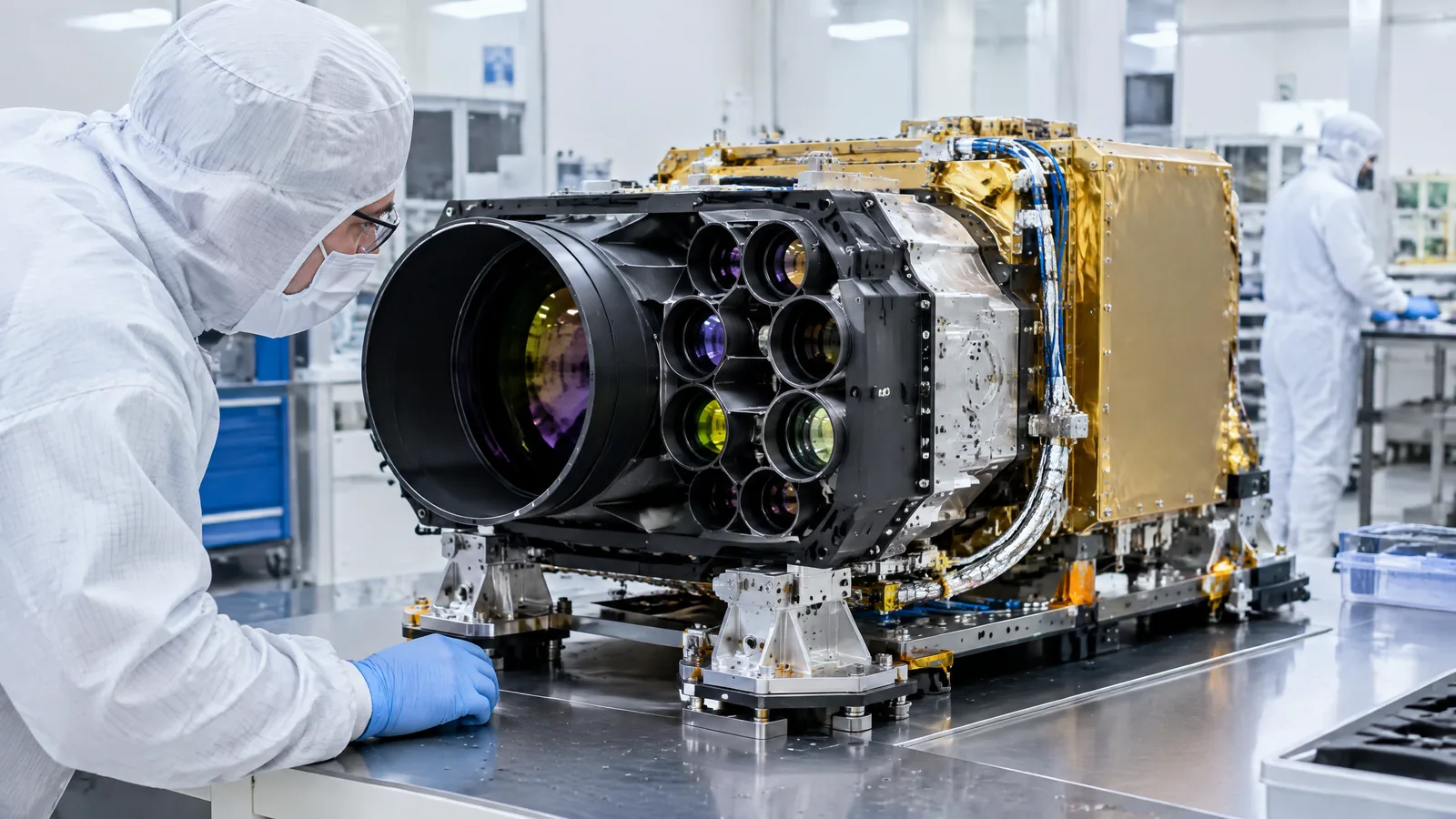
A plain-English guide to how NASA’s AIRS instrument on Aqua reads emitted infrared energy and turns it into three-dimensional atmospheric information.
 Explainer
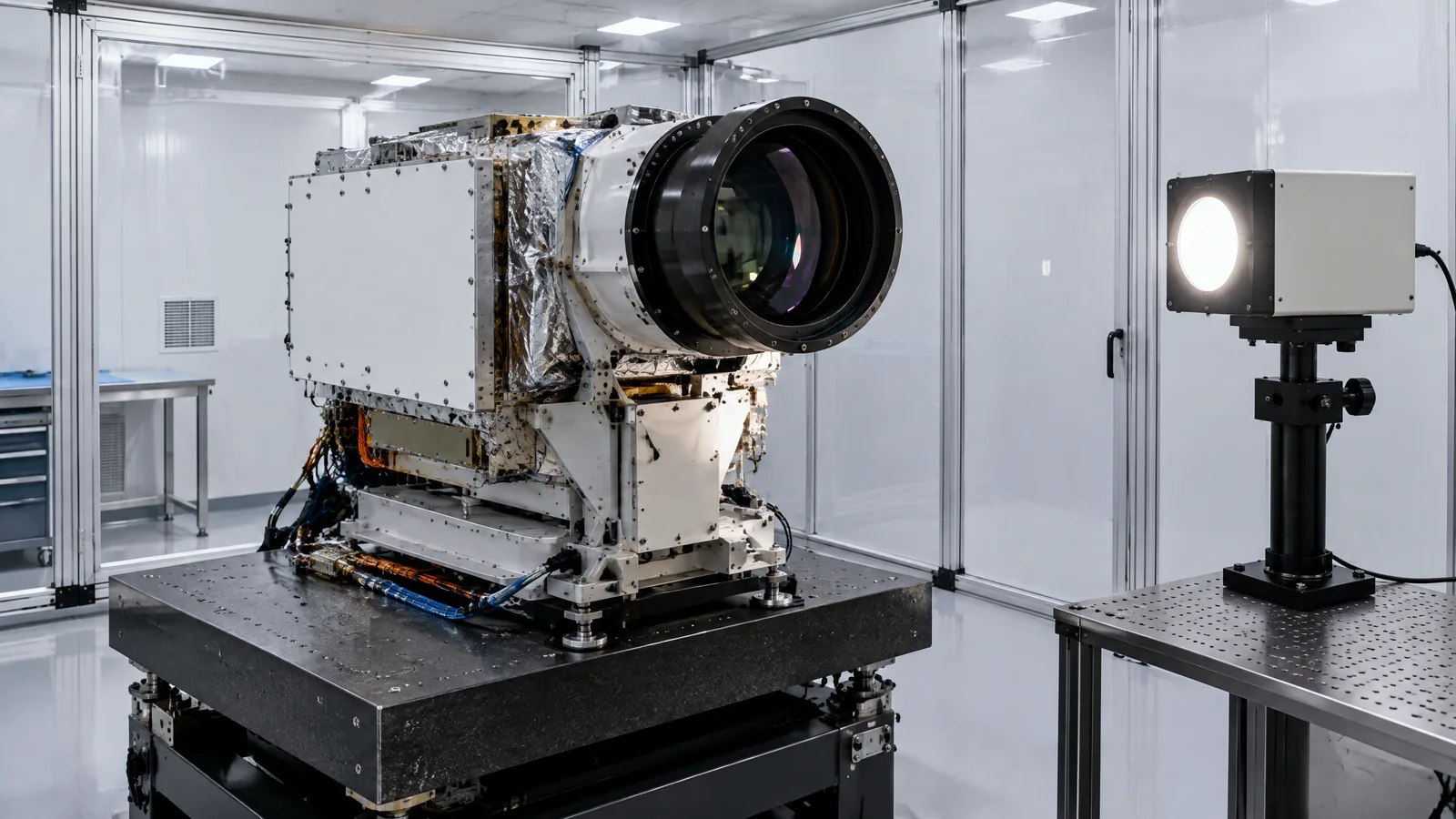
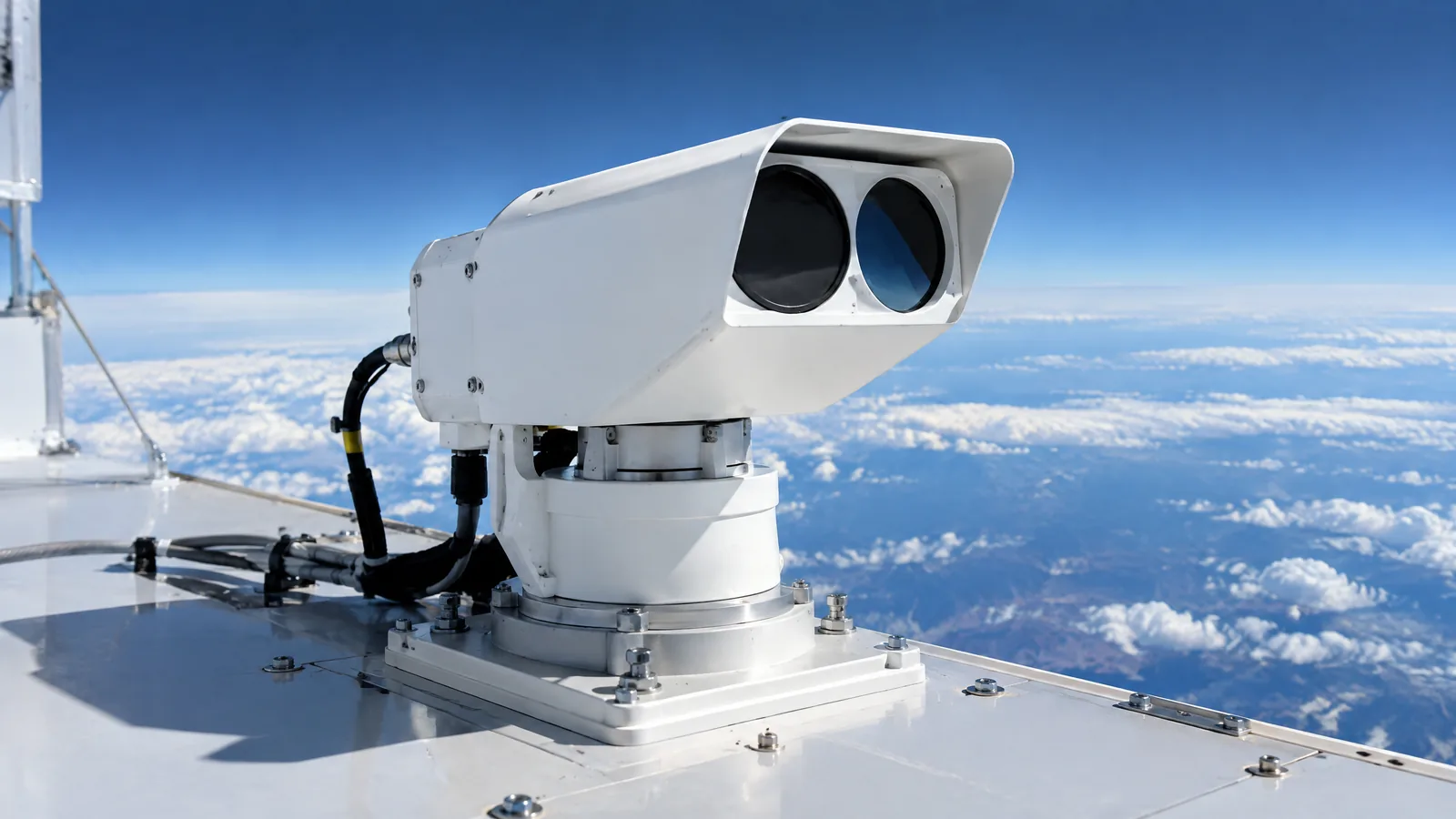
Learn how the Geostationary Lightning Mapper on GOES-R satellites detects total lightning, what its optical data shows, and why forecasters use it for storms, aviation and wildfire monitoring.
 Explainer
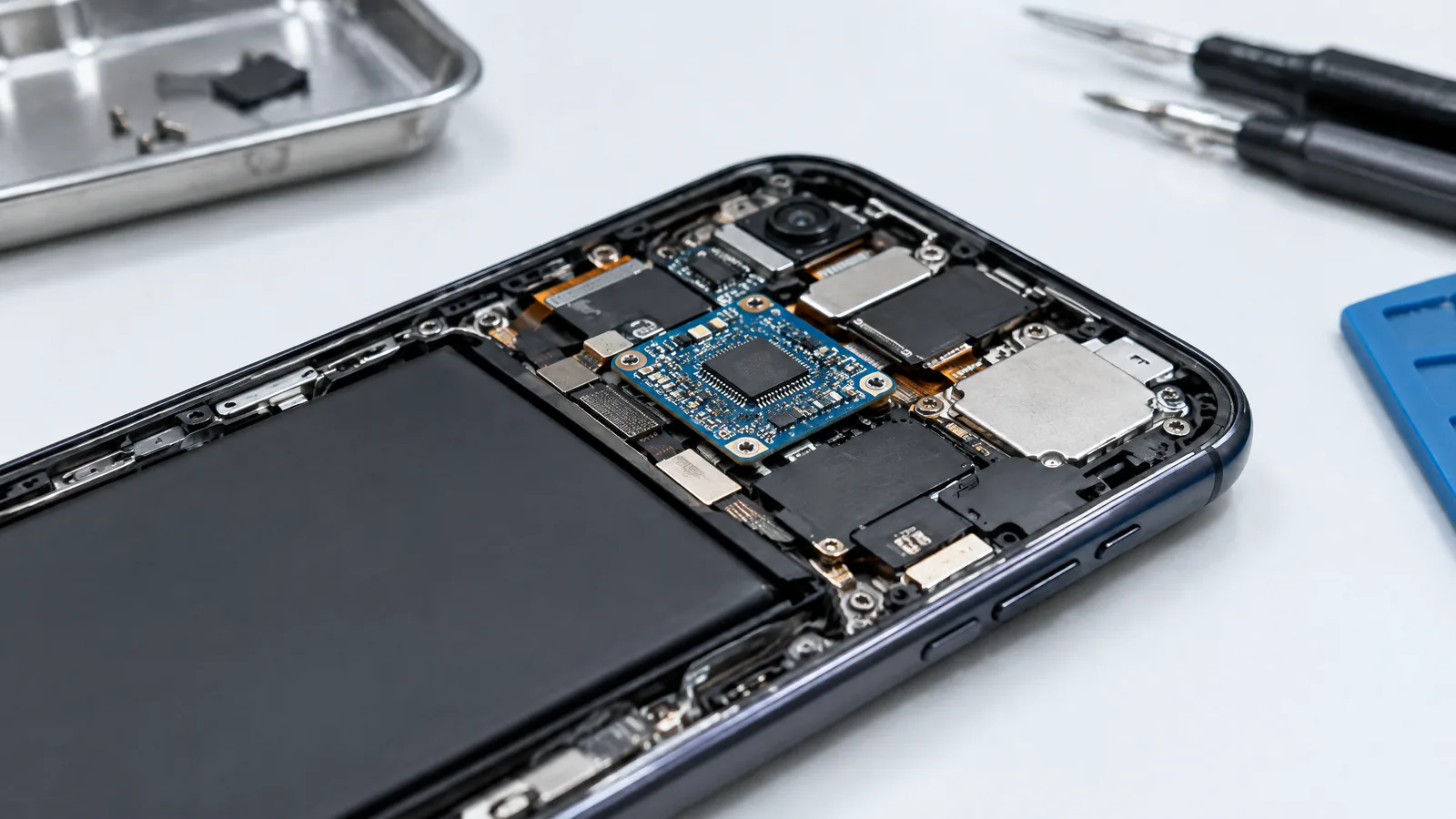
Understand what the CERES broadband radiometer measures on NASA’s Aqua satellite, how its channels observe energy, and why radiation-budget data is not the same as a thermometer reading.
 Explainer
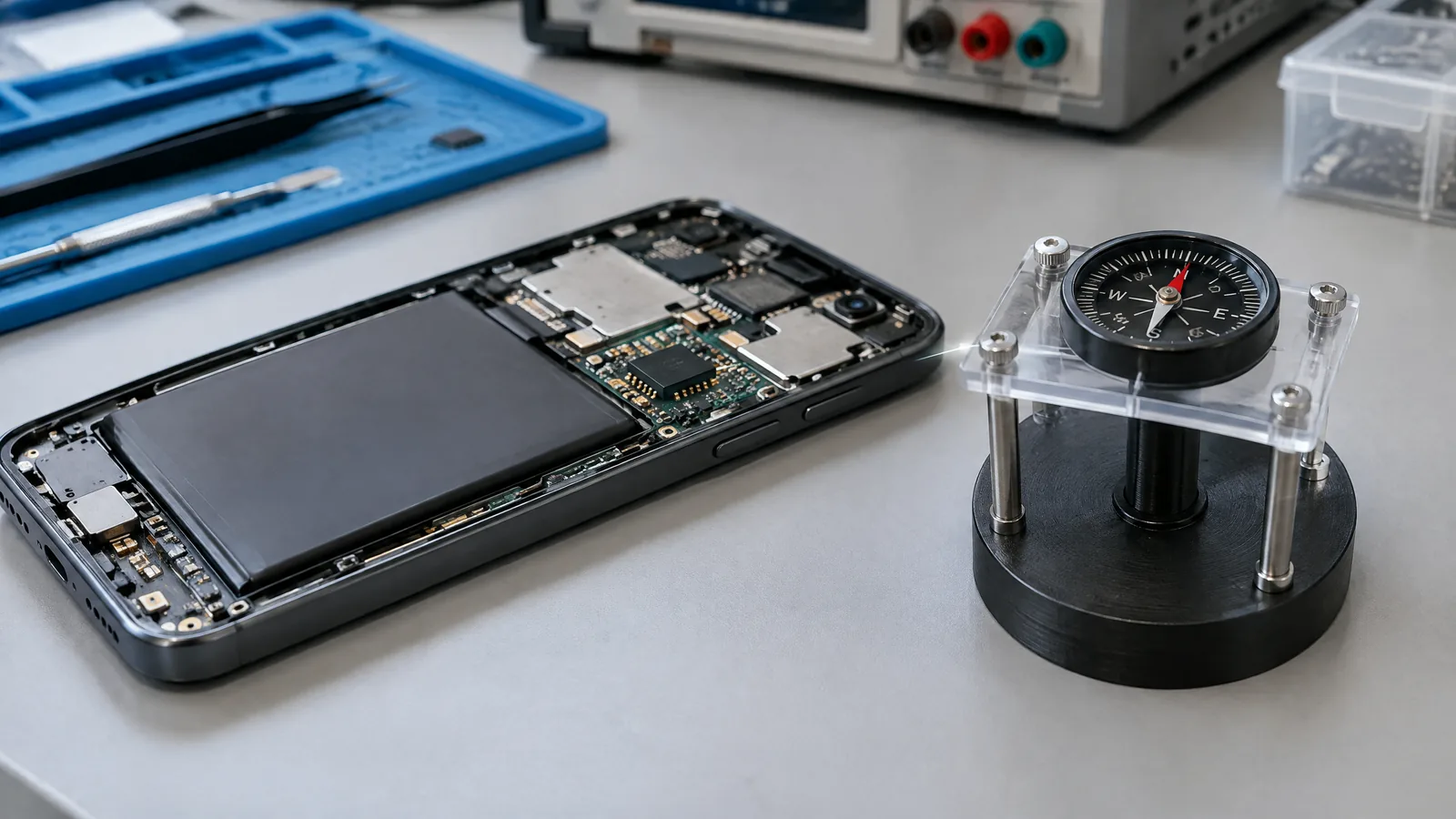
A plain-English guide to how a phone accelerometer detects tilt and movement, supports auto-rotate and gestures, and differs from Android’s software-derived sensors.
 Explainer
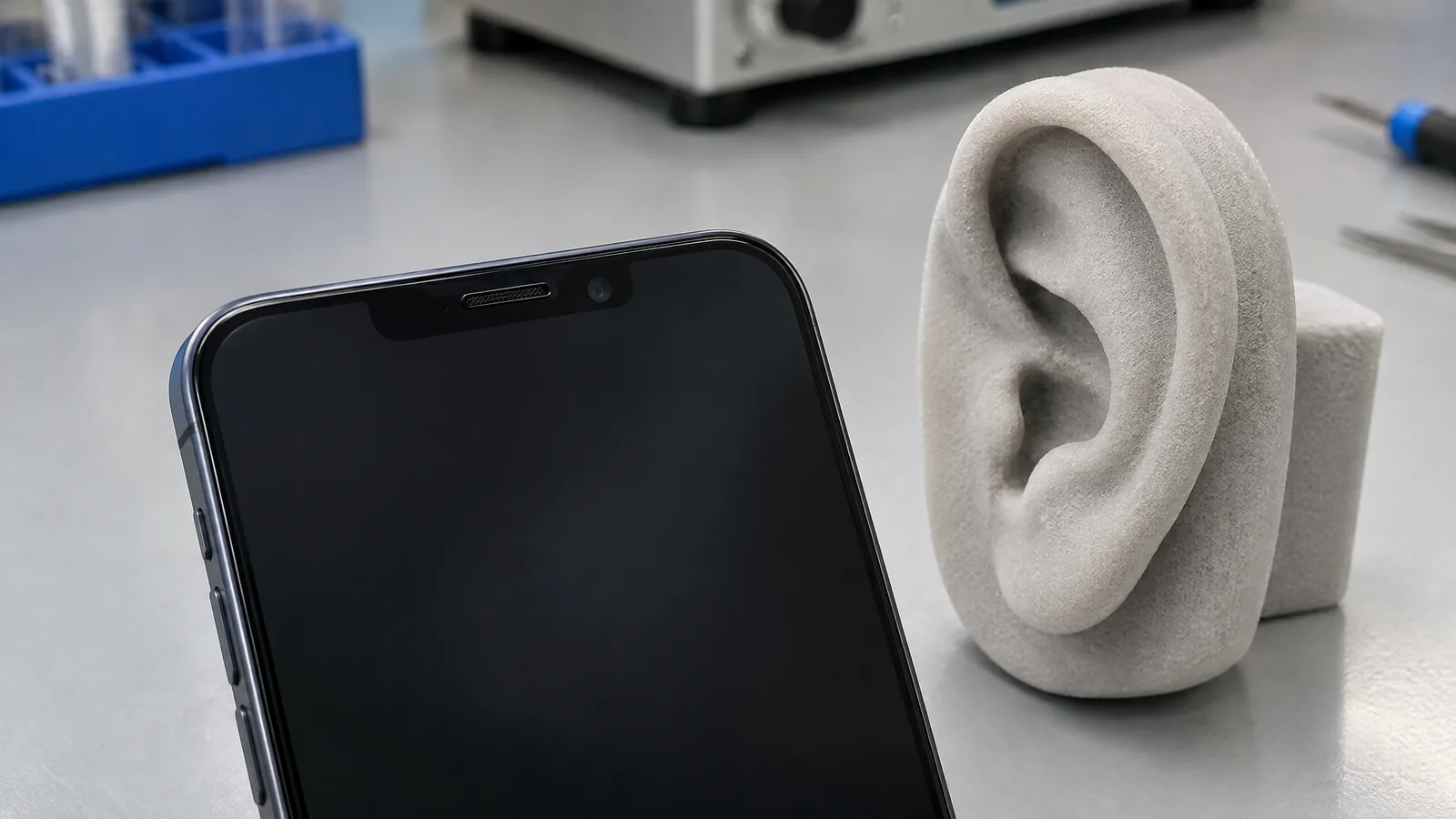
A practical beginner guide to what a phone magnetometer measures, how Android turns field readings into direction, and why nearby metal or magnets can affect a compass.
 Explainer
Understand how a phone proximity sensor helps switch off the display near your ear, why readings vary, and what to check when the screen behaves strangely during a call.
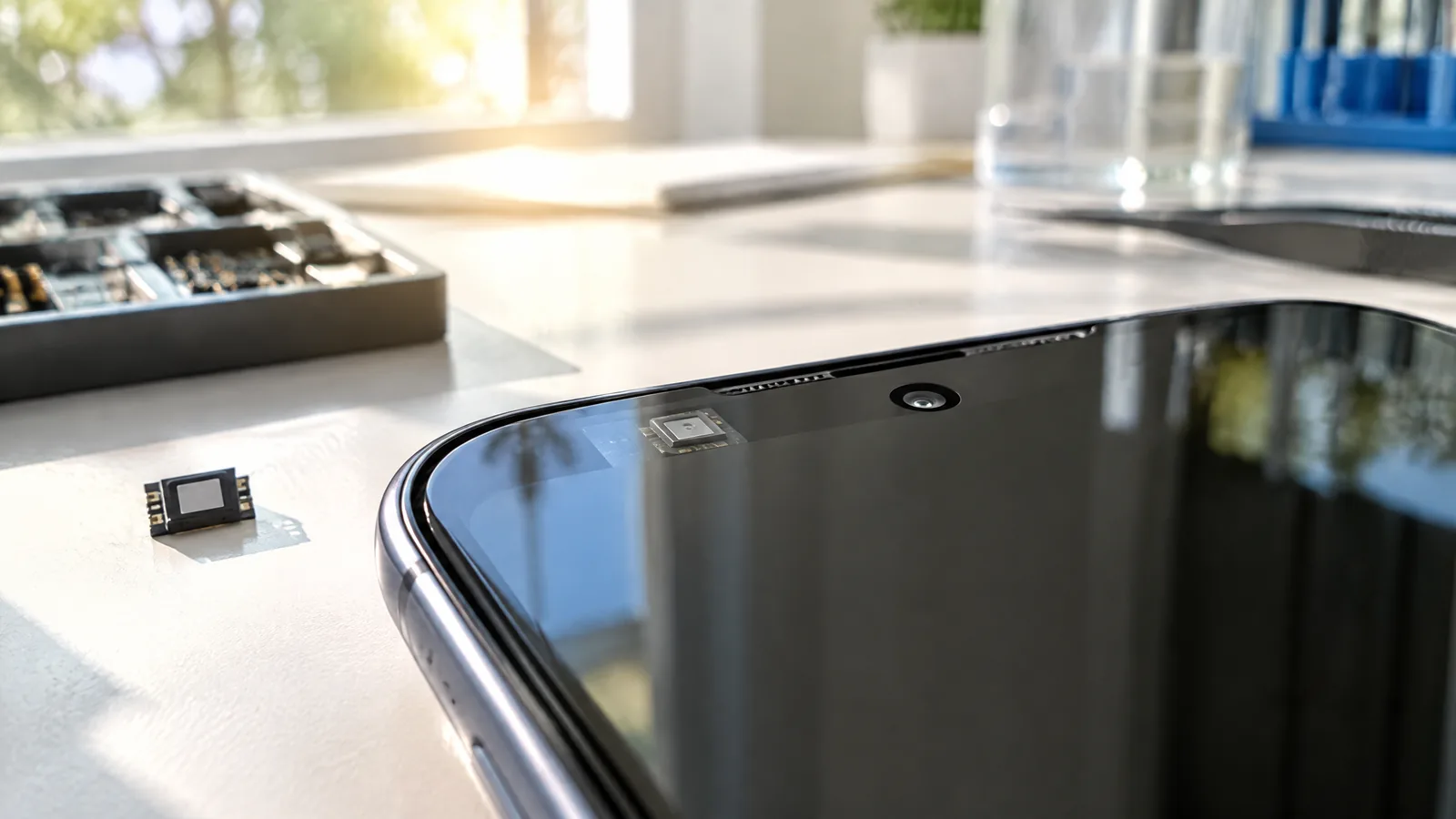 Explainer
Learn what an ambient-light sensor measures in a phone, how it feeds auto-brightness, and why placement, software tuning and screen glare affect the result.
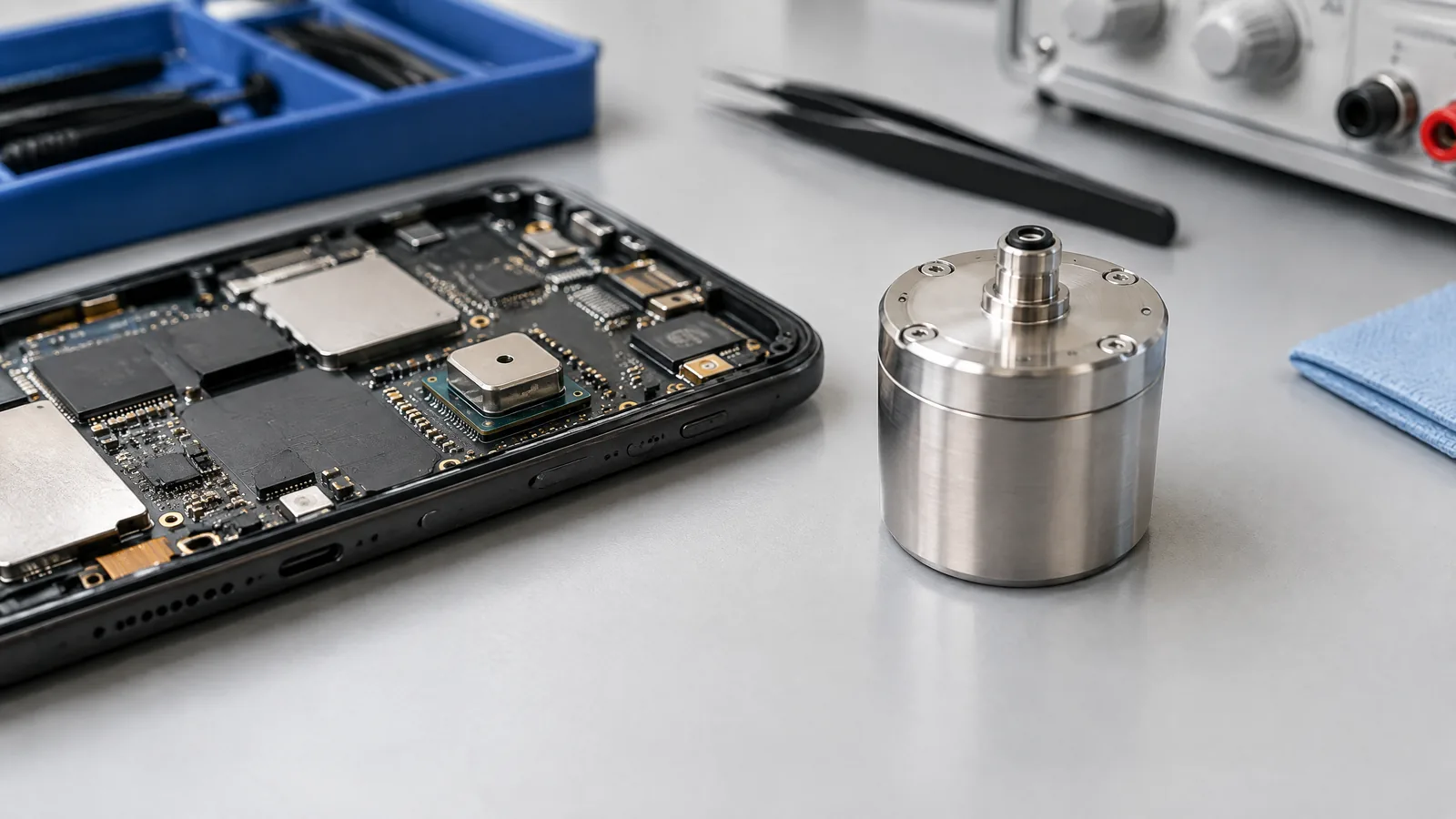 Explainer
A plain-English guide to phone barometer sensor uses, including ambient-pressure readings, vertical-change estimates, model availability and the limits of floor and altitude results.
 Explainer
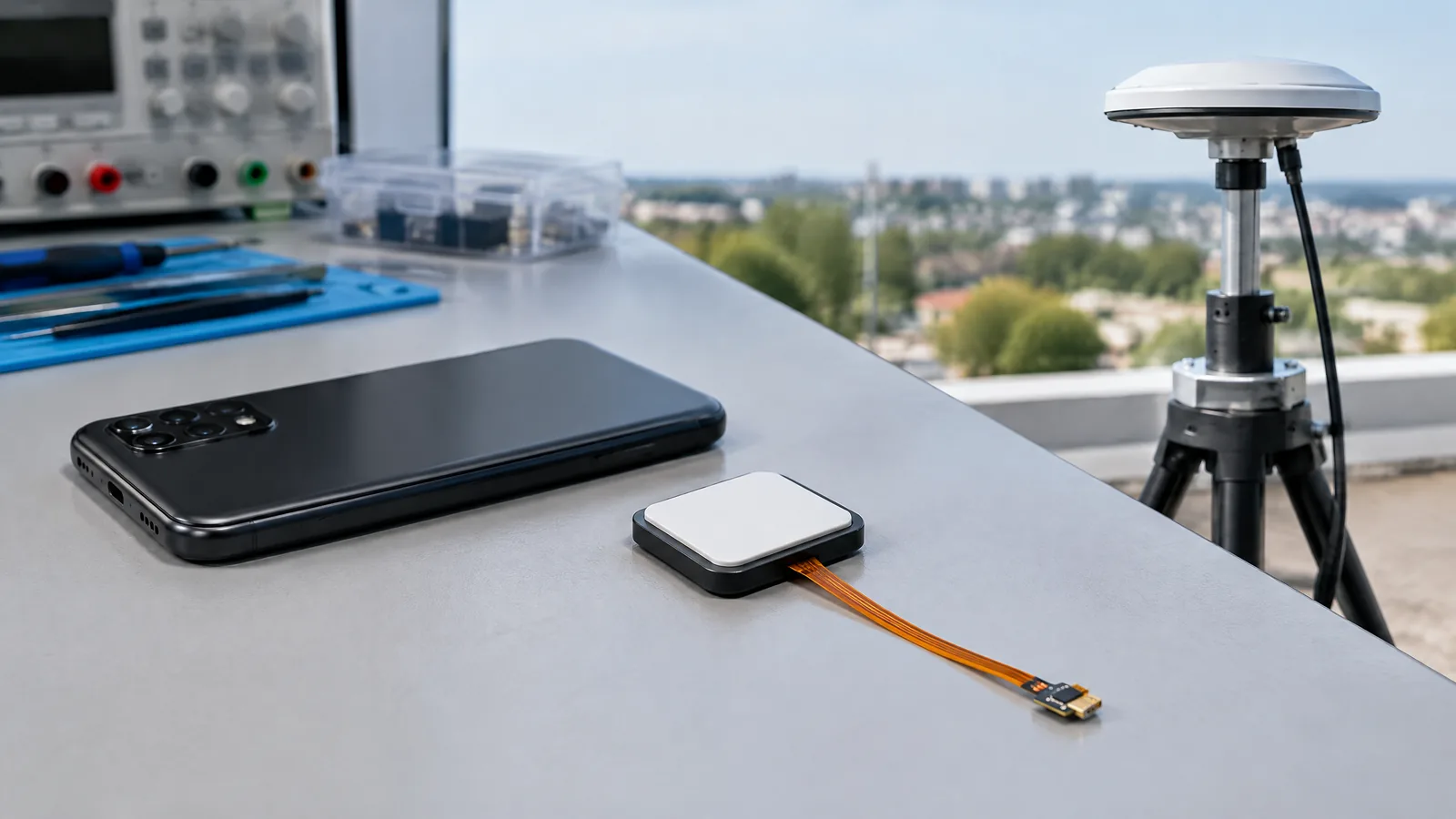
A beginner-friendly explanation of the phone GNSS receiver and antenna behind Maps, route recording and location sharing, including what changes between models.
 Explainer
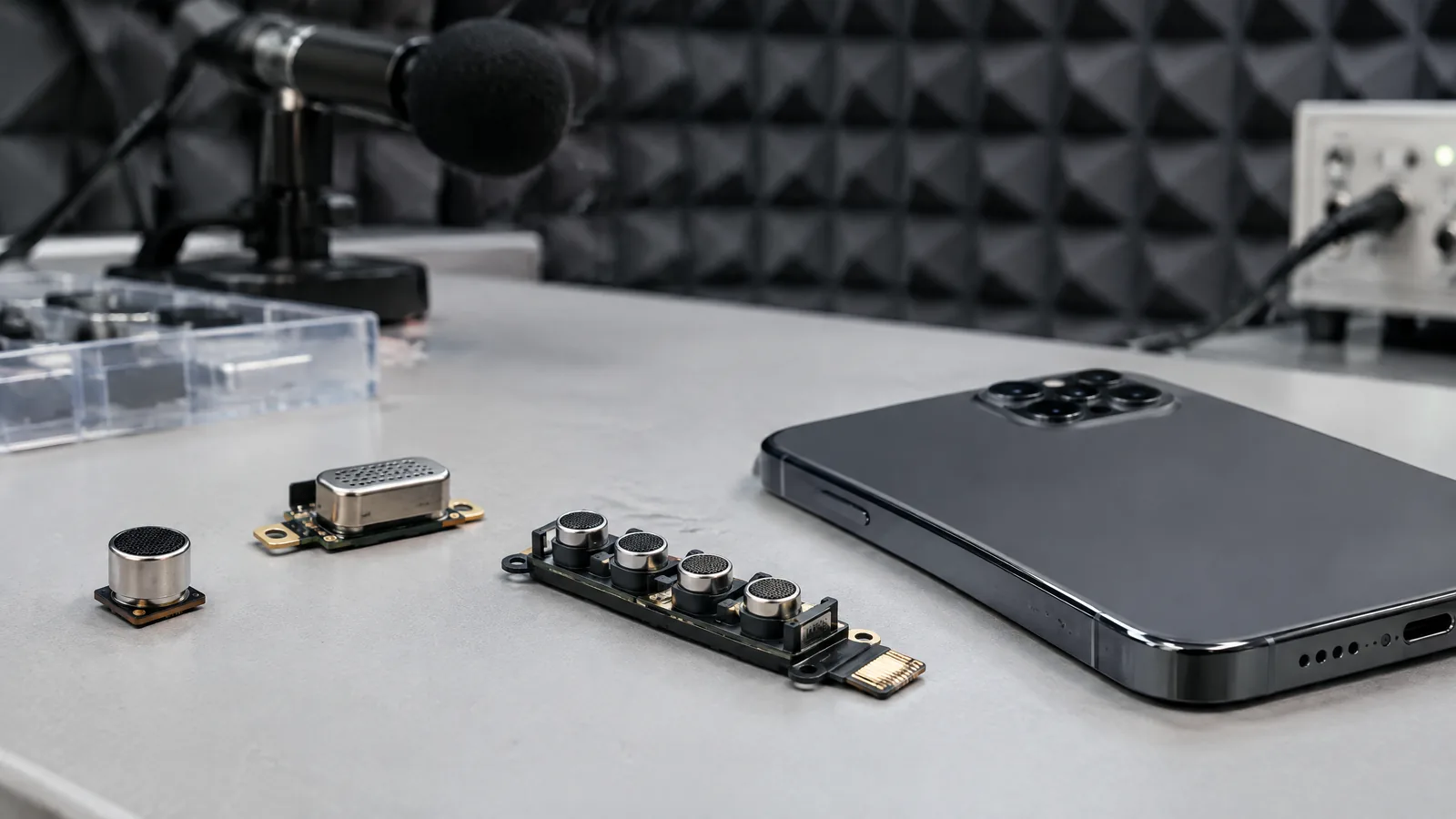
Learn how phone microphones turn sound into audio for calls, voice notes and video, and why arrays, processing and placement affect the result.
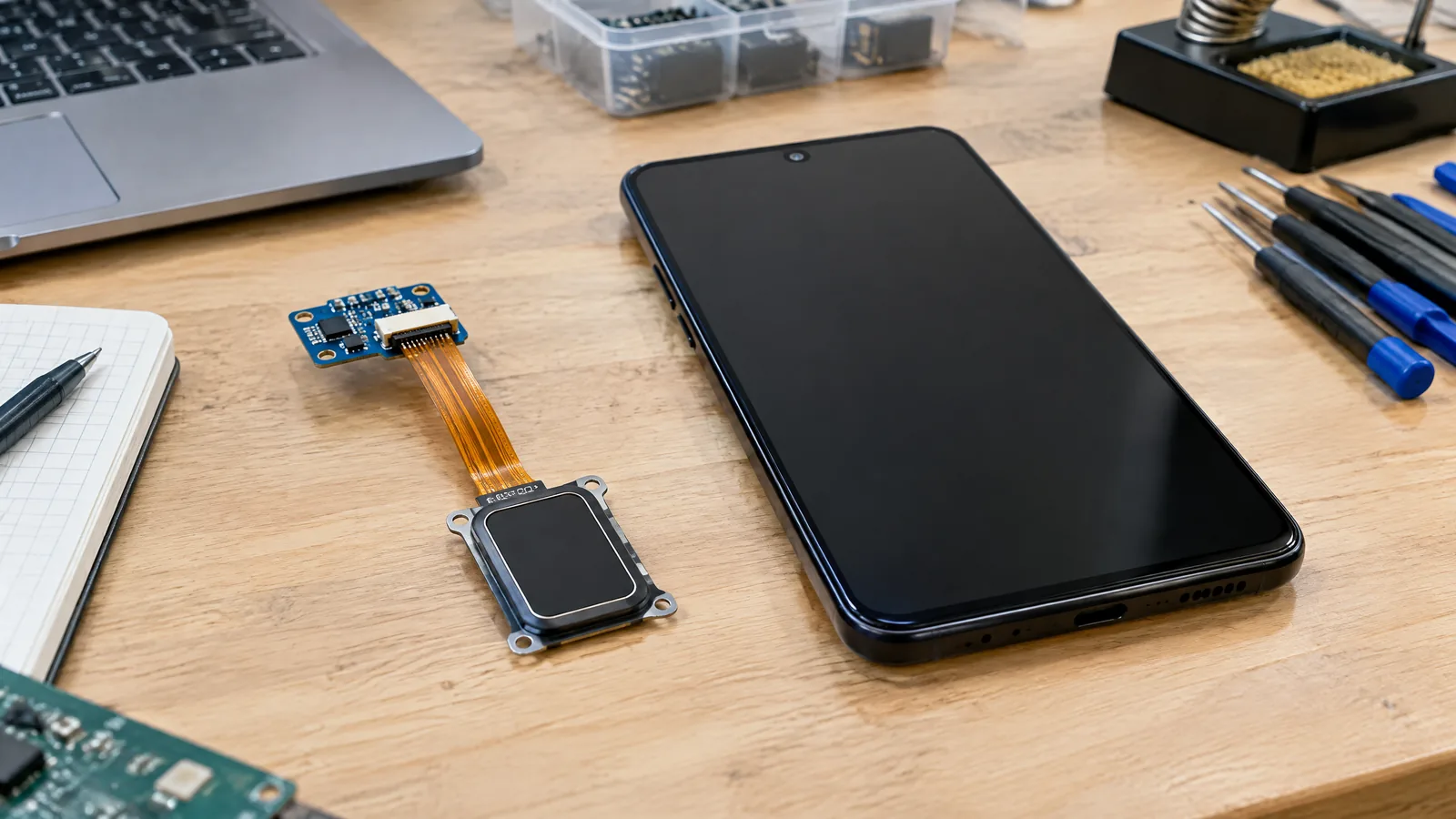 Explainer
A plain-English guide to optical, capacitive and ultrasonic phone fingerprint readers, where they fit on a handset, and what Android security boundaries mean for unlocking and app sign-in.
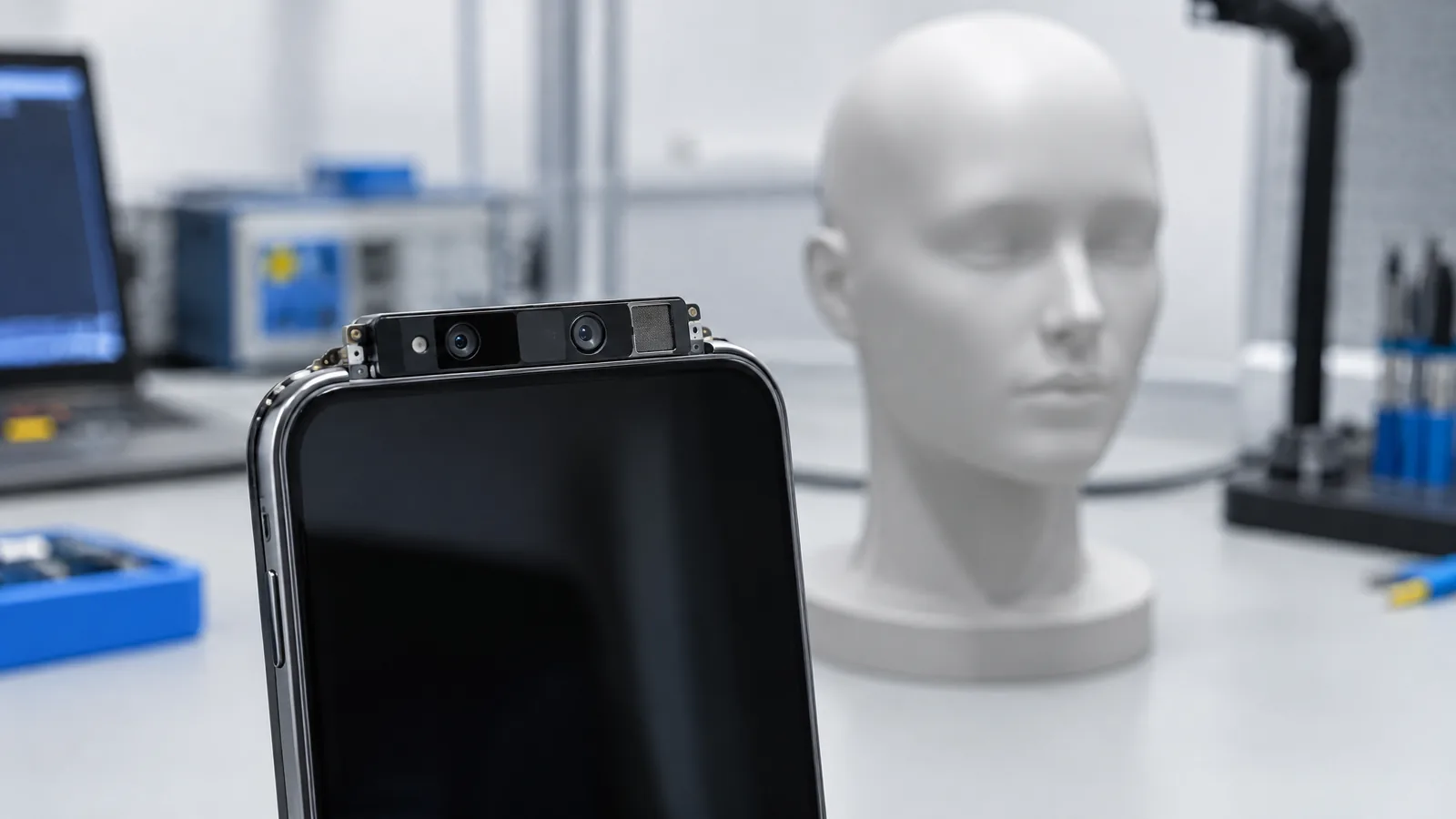 Explainer
A beginner-friendly explanation of the camera, infrared, depth, secure matching and model-specific limits behind face authentication on phones.
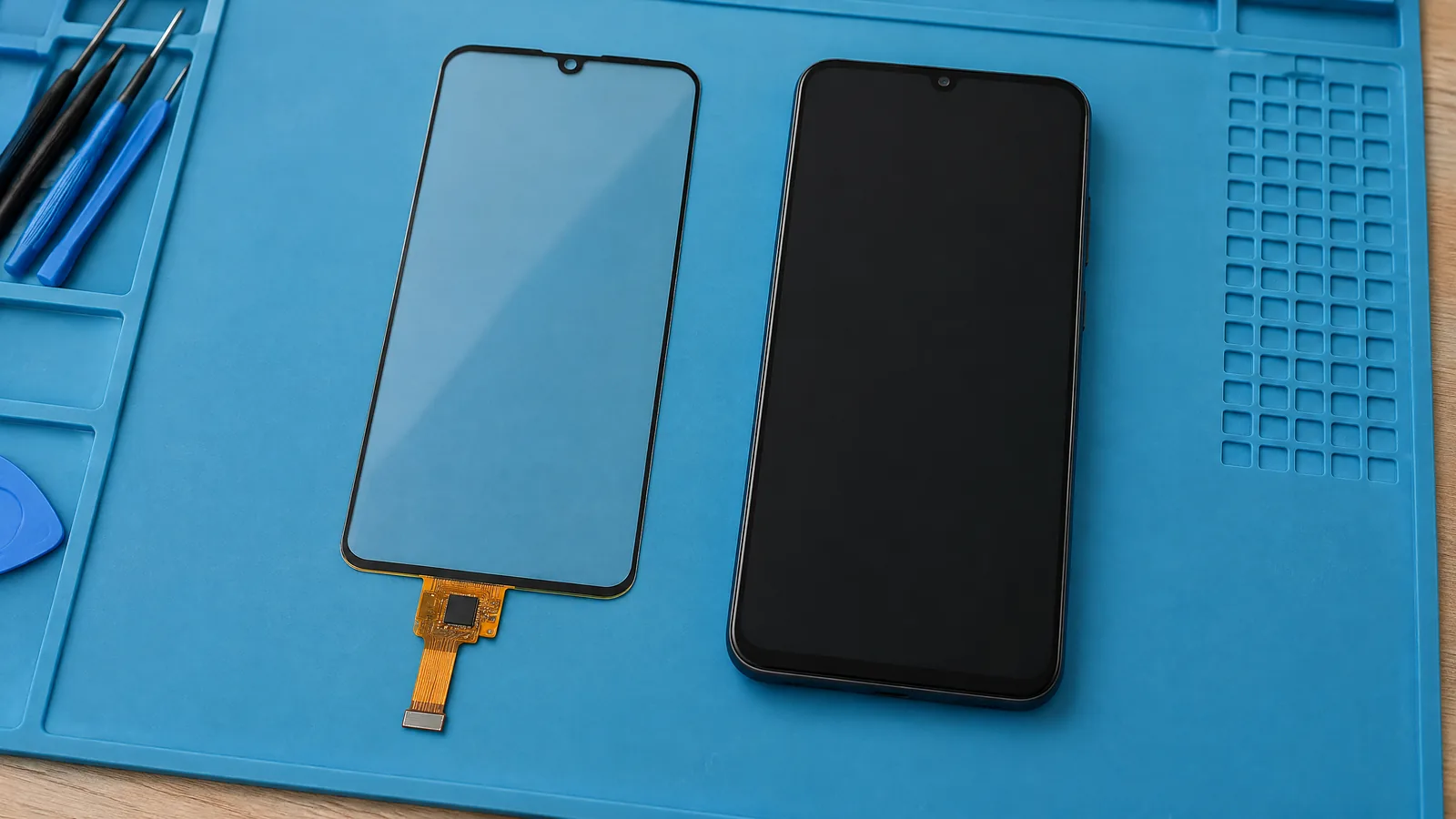 Explainer
When a phone turns a tap, swipe or pinch into an on-screen action, its capacitive touchscreen digitizer measures changes around a fine electrode grid before software interprets the result.
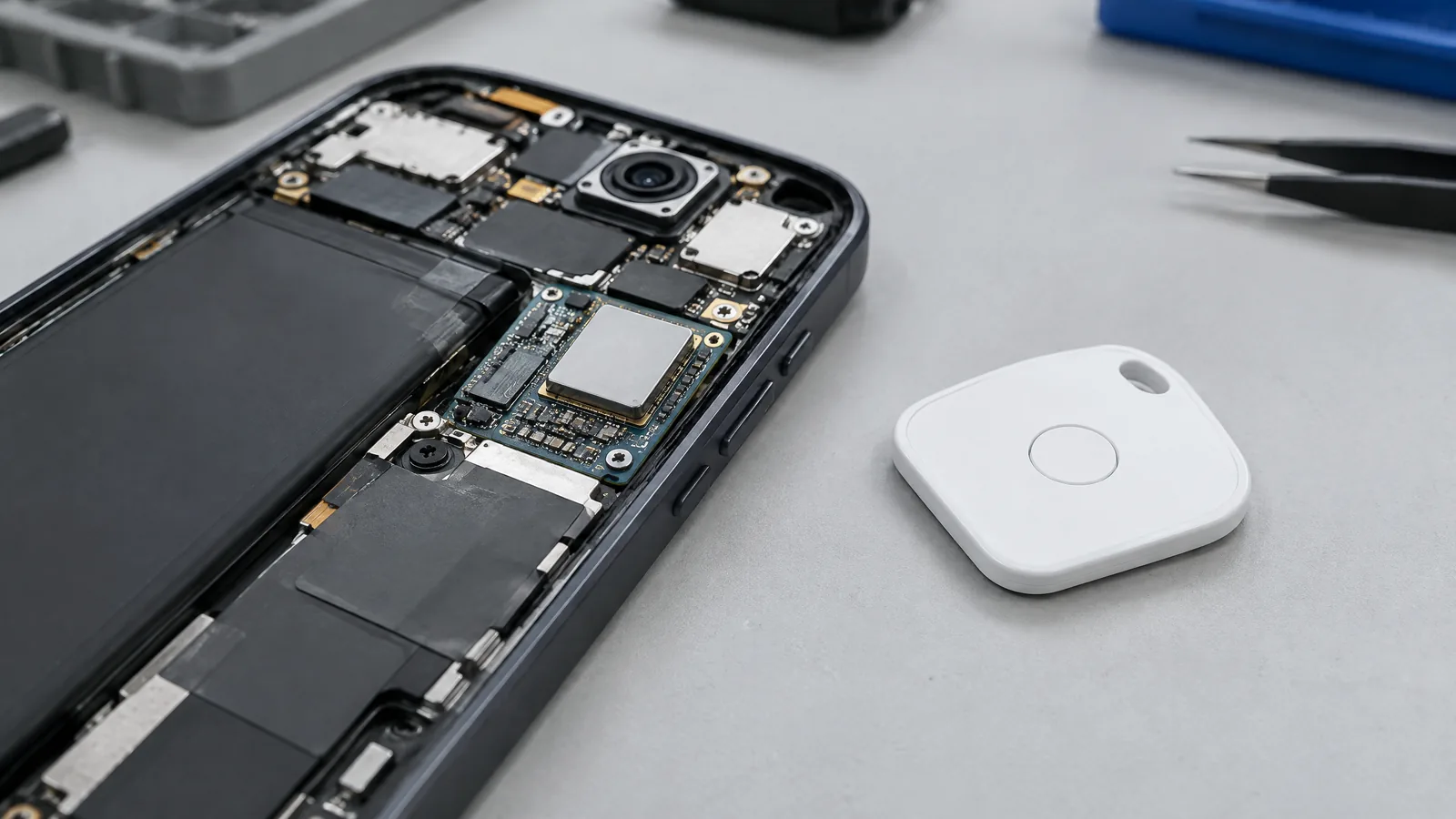 Explainer
Ultra-wideband in a phone can measure the distance and relative position of compatible nearby devices. Here is what the hardware does, what it needs, and why it is not a replacement for GPS.
 Explainer
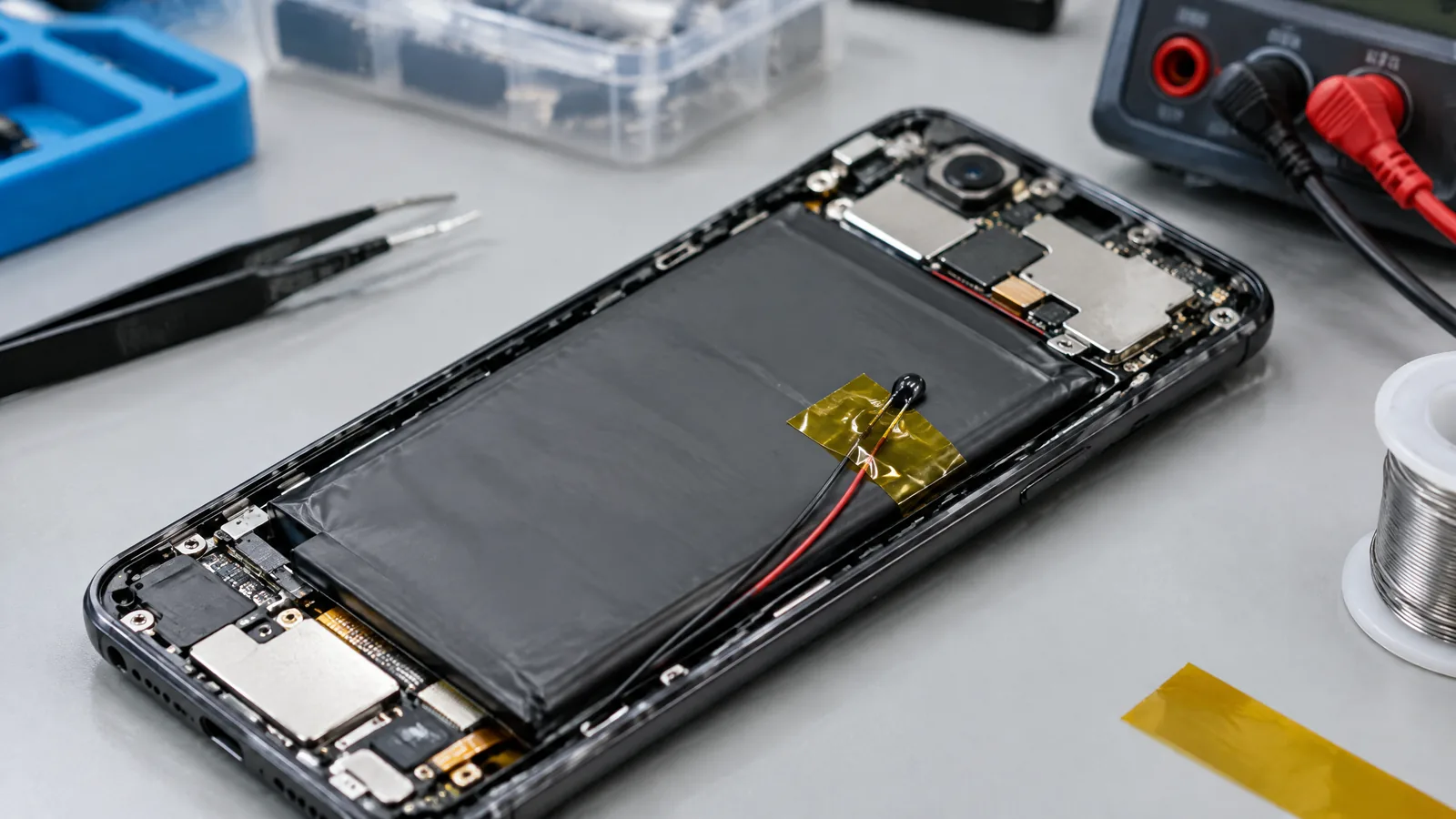
A beginner-friendly explanation of how a phone battery-pack NTC thermistor senses local battery temperature and helps battery-management hardware respond to heat.
 Explainer
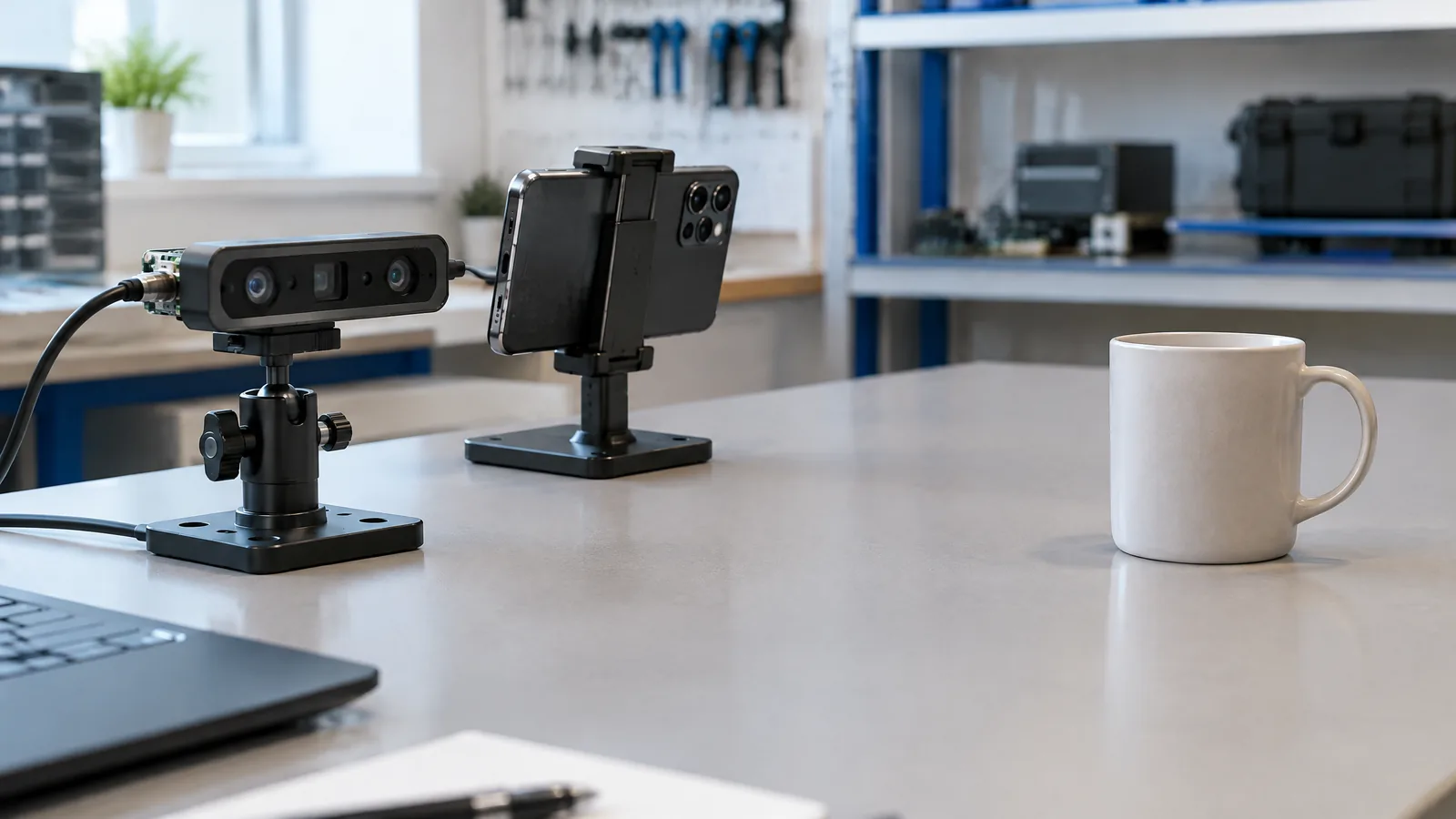
A plain-English guide to LiDAR and ToF depth hardware in phones, what depth maps enable, and why portrait blur does not prove a phone has a scanner.
 Explainer
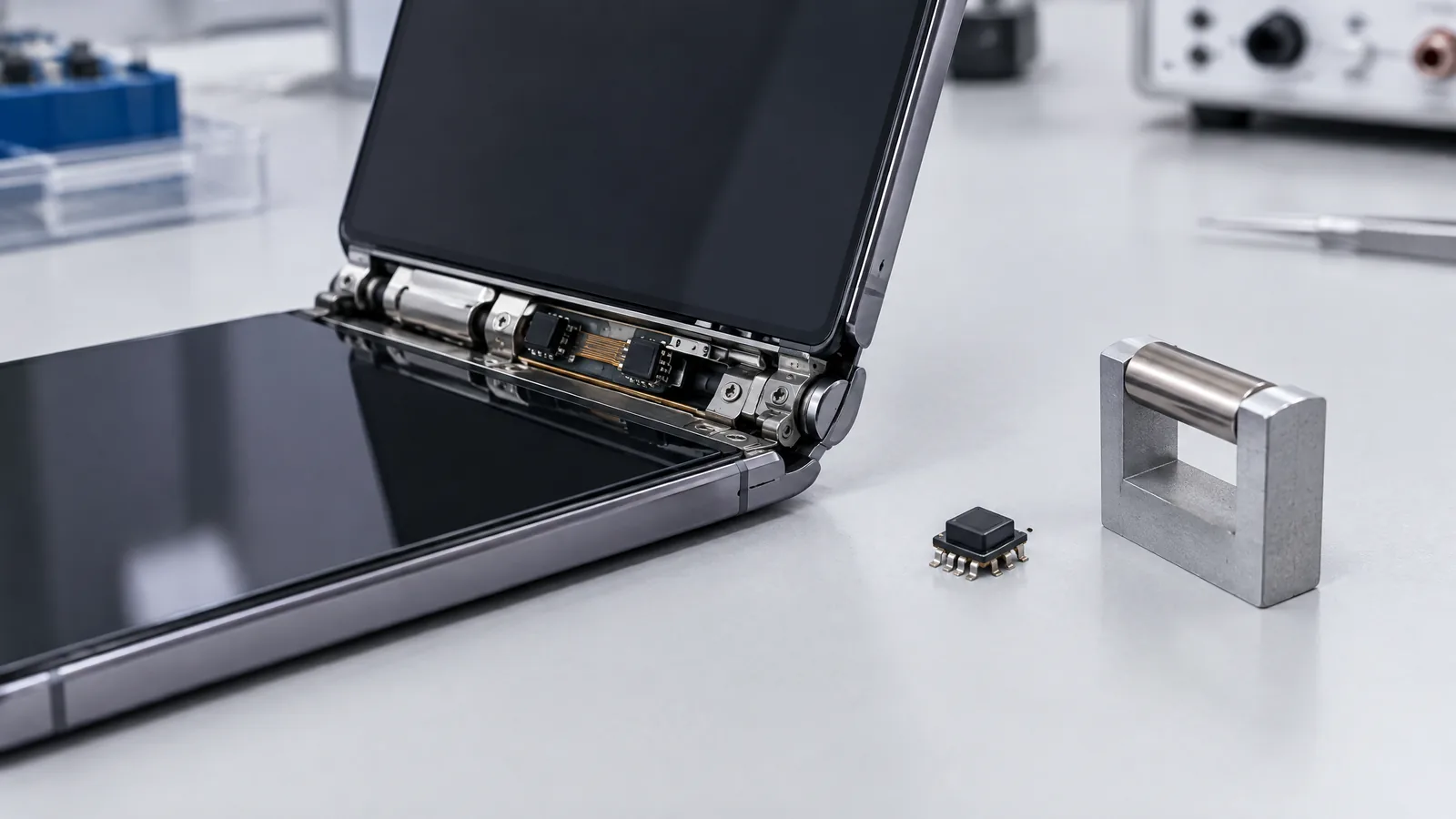
A plain-English guide to how a magnet and Hall sensor can help a foldable phone recognise opening and closing, and why some designs add confirmation sensors.
 Explainer
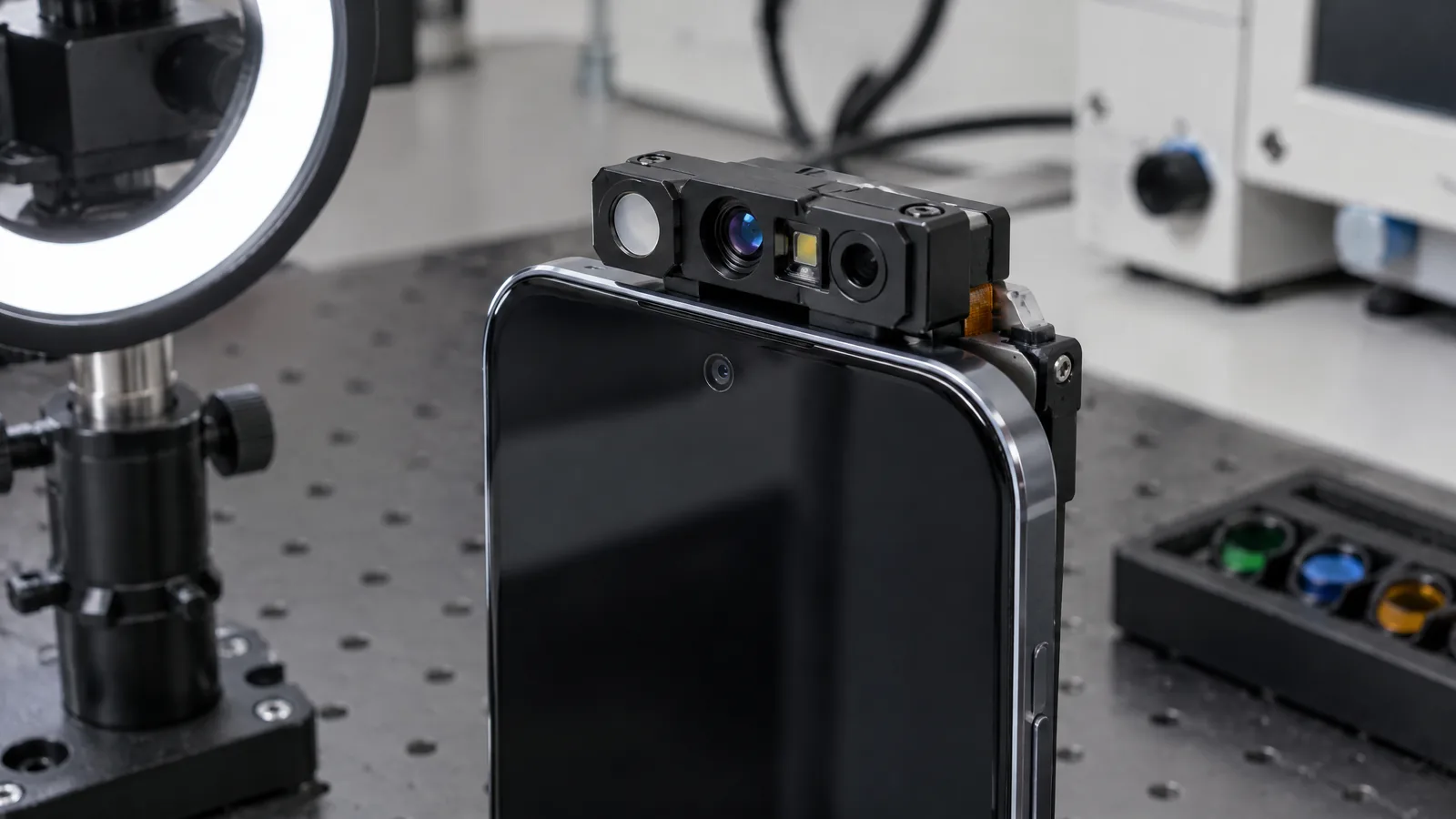
A beginner-friendly look at the physical phone sensor that can read ambient color and light flicker for display management and camera processing.
 Explainer
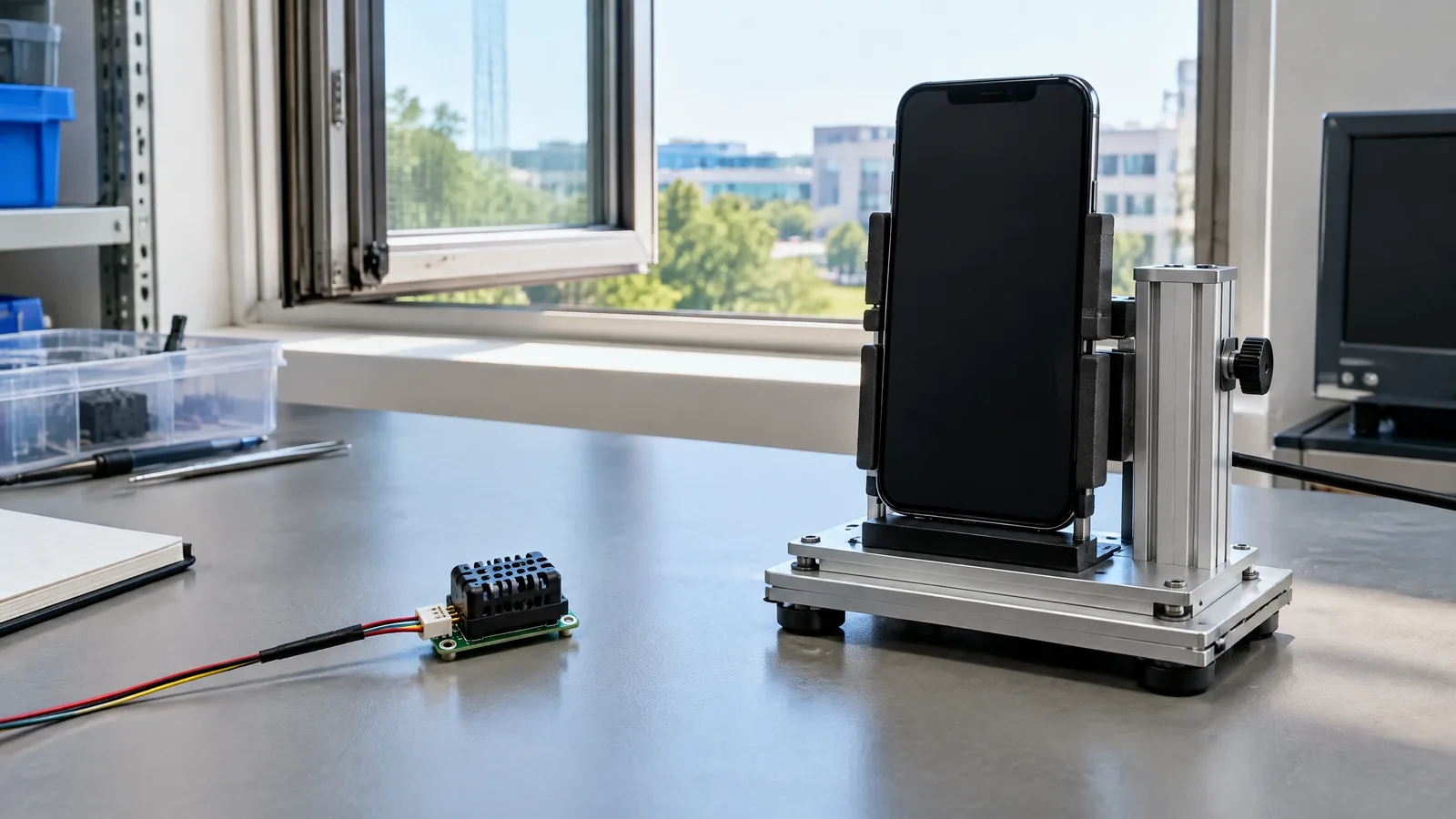
An easy guide to checking whether your phone has an ambient-temperature sensor, what its reading means and why pocket or charging heat can mislead it.
 Explainer
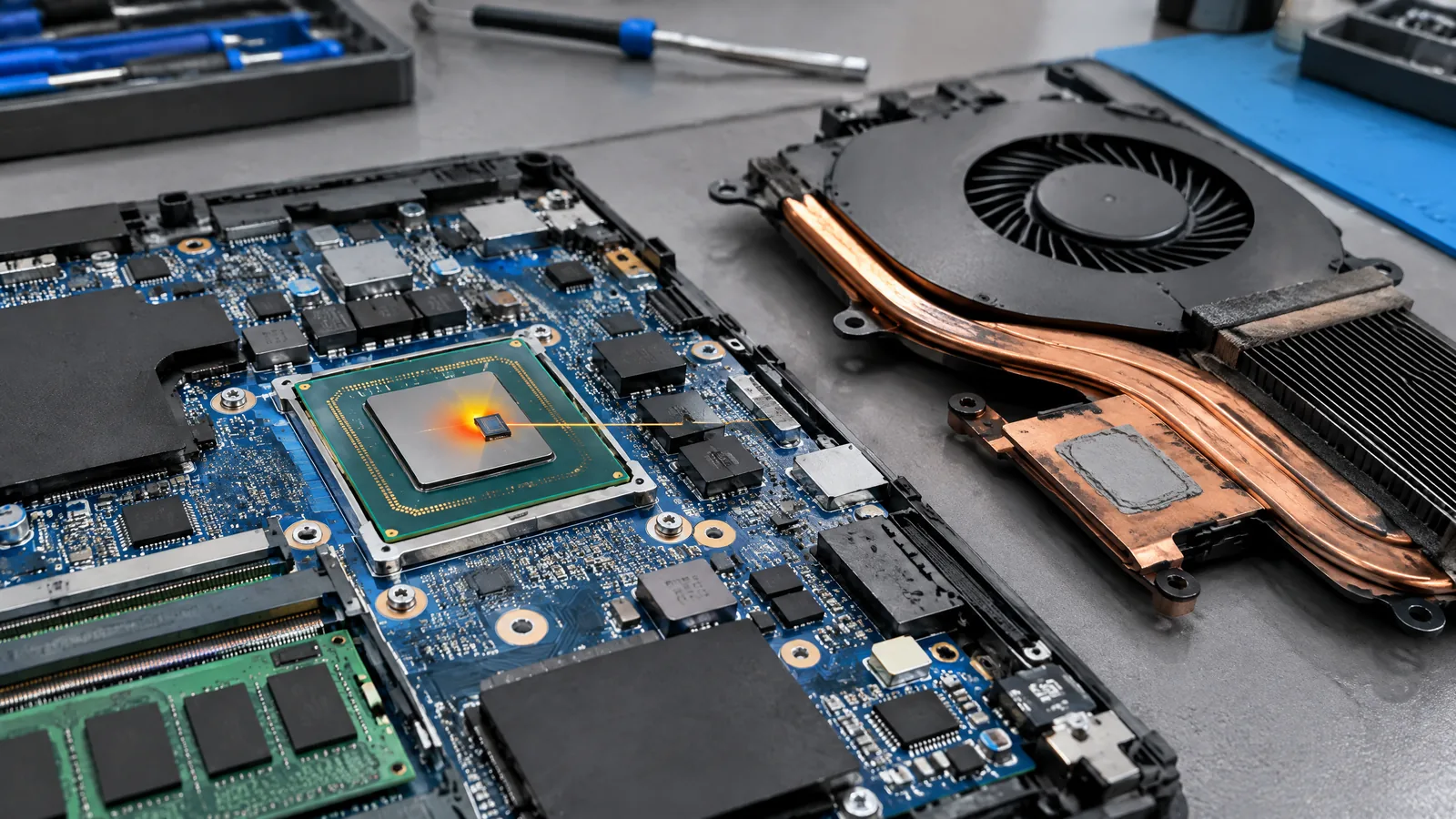
A plain-English guide to the CPU on-die digital thermal sensor (DTS), what its temperature reading represents, and why laptop performance or fan speed can change.
 Explainer
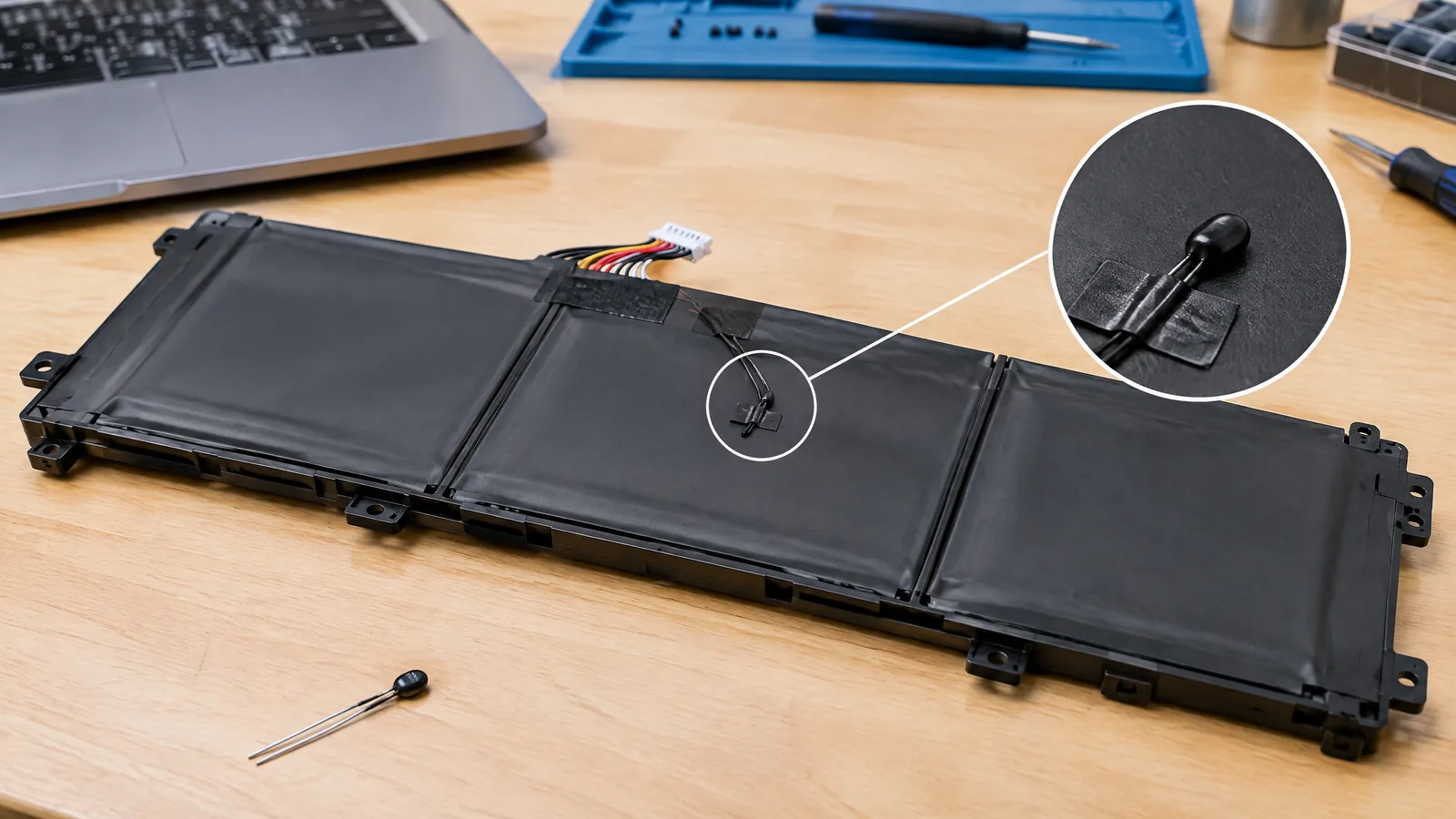
A laptop battery temperature sensor is usually an NTC thermistor that helps the pack monitor heat, protect charging and inform battery estimates.
 Explainer
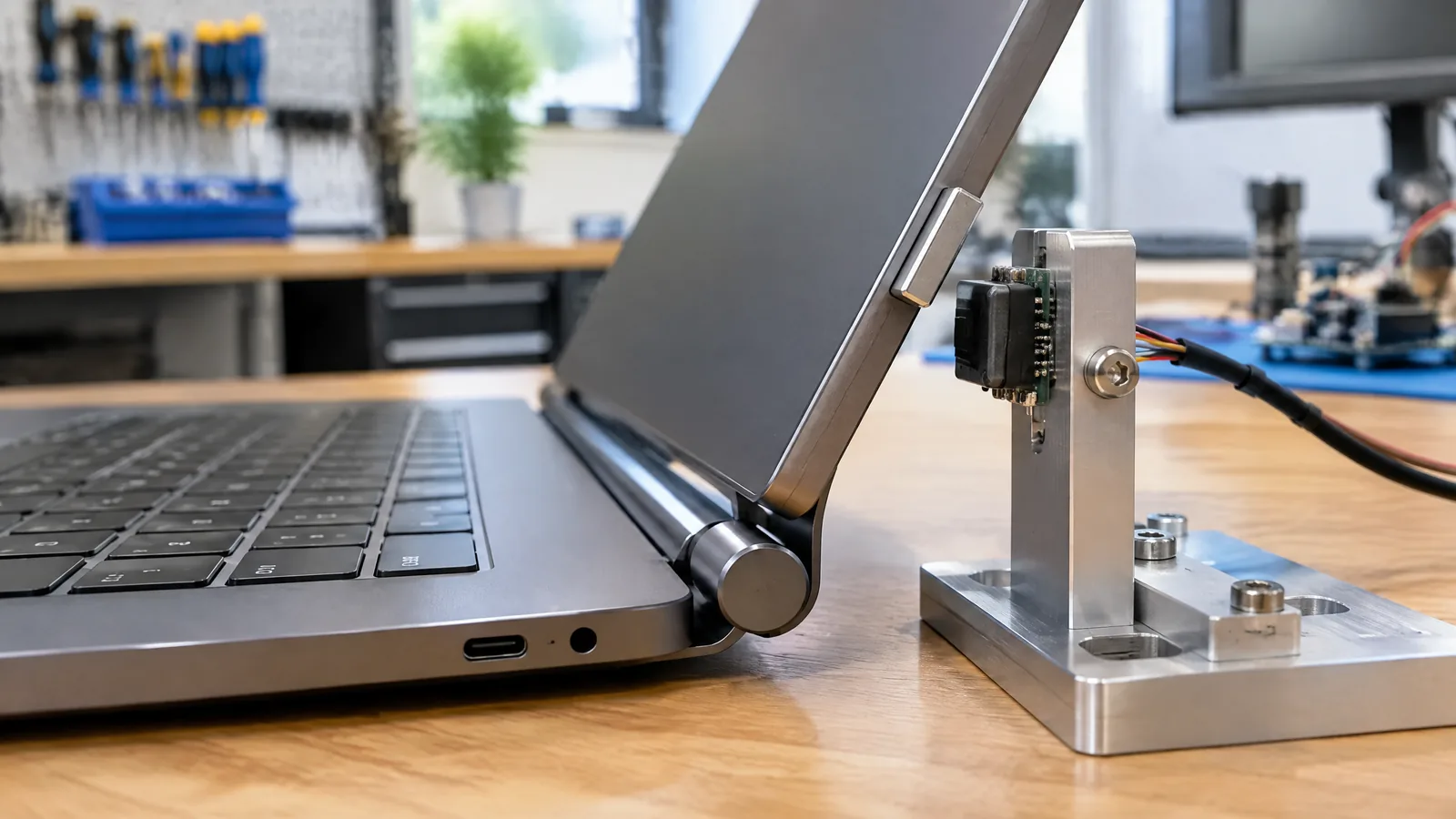
A plain-English guide to how a laptop Hall-effect lid-position sensor detects closure, changes display behaviour and can react to a nearby magnet.
 Explainer
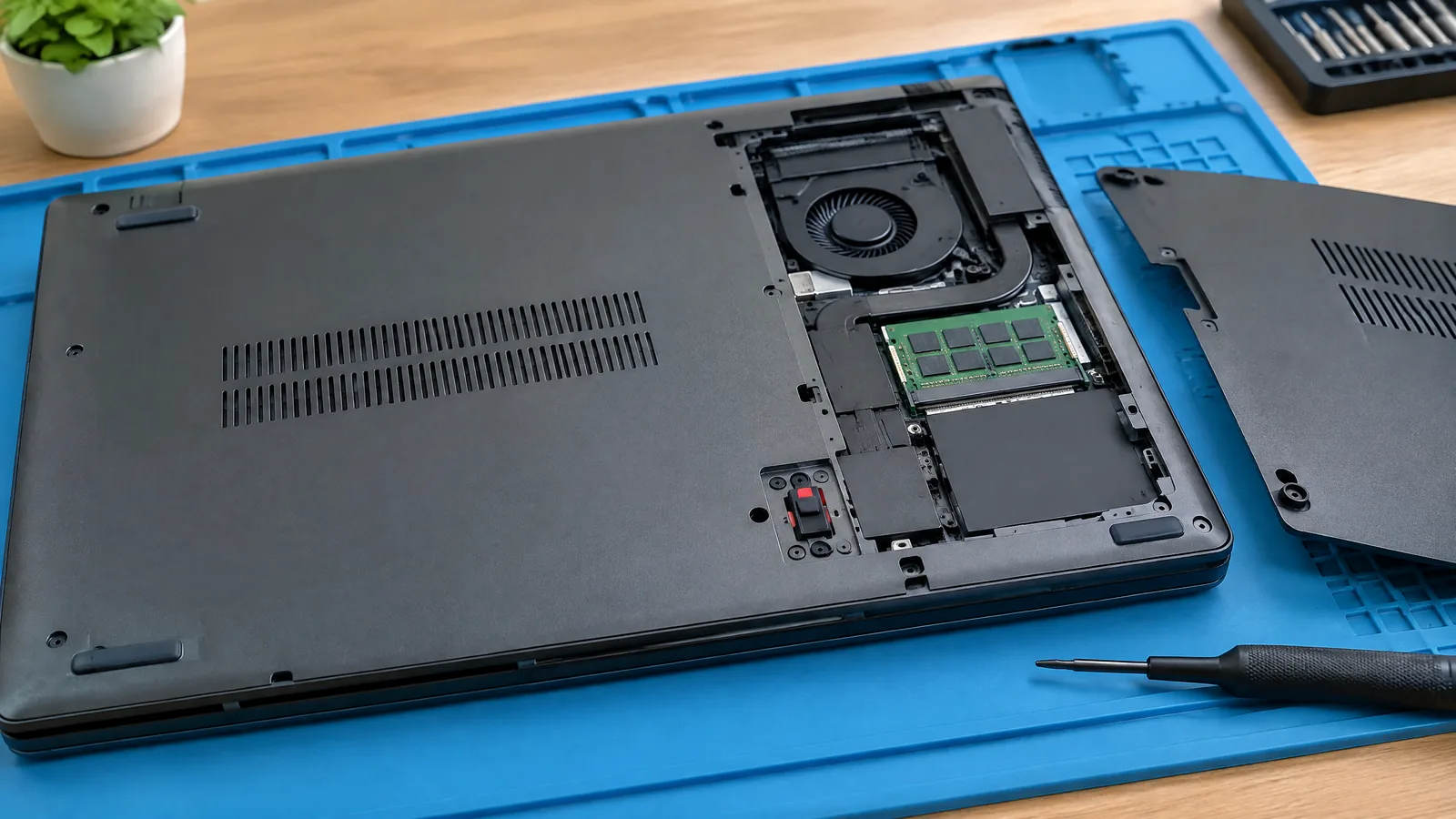
A plain-English guide to the model-specific switch that records a laptop base-cover opening, what the BIOS alert means and why every laptop does not have one.
 Explainer
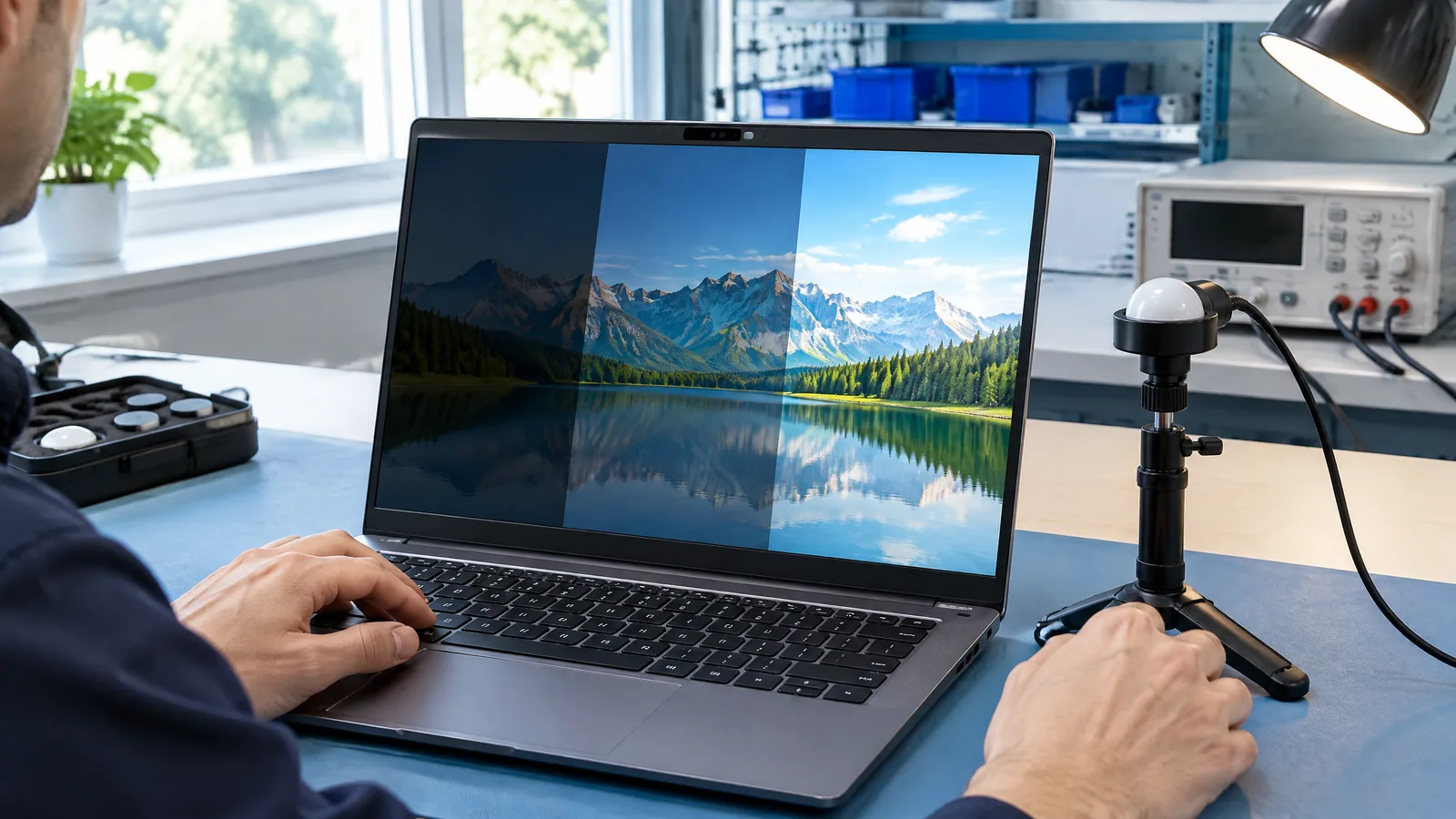
A laptop ambient light sensor reads surrounding illumination so system software can adjust the display. Learn what the ALS measures, why placement and shadows matter, and what to check when auto-brightness behaves oddly.
 Explainer
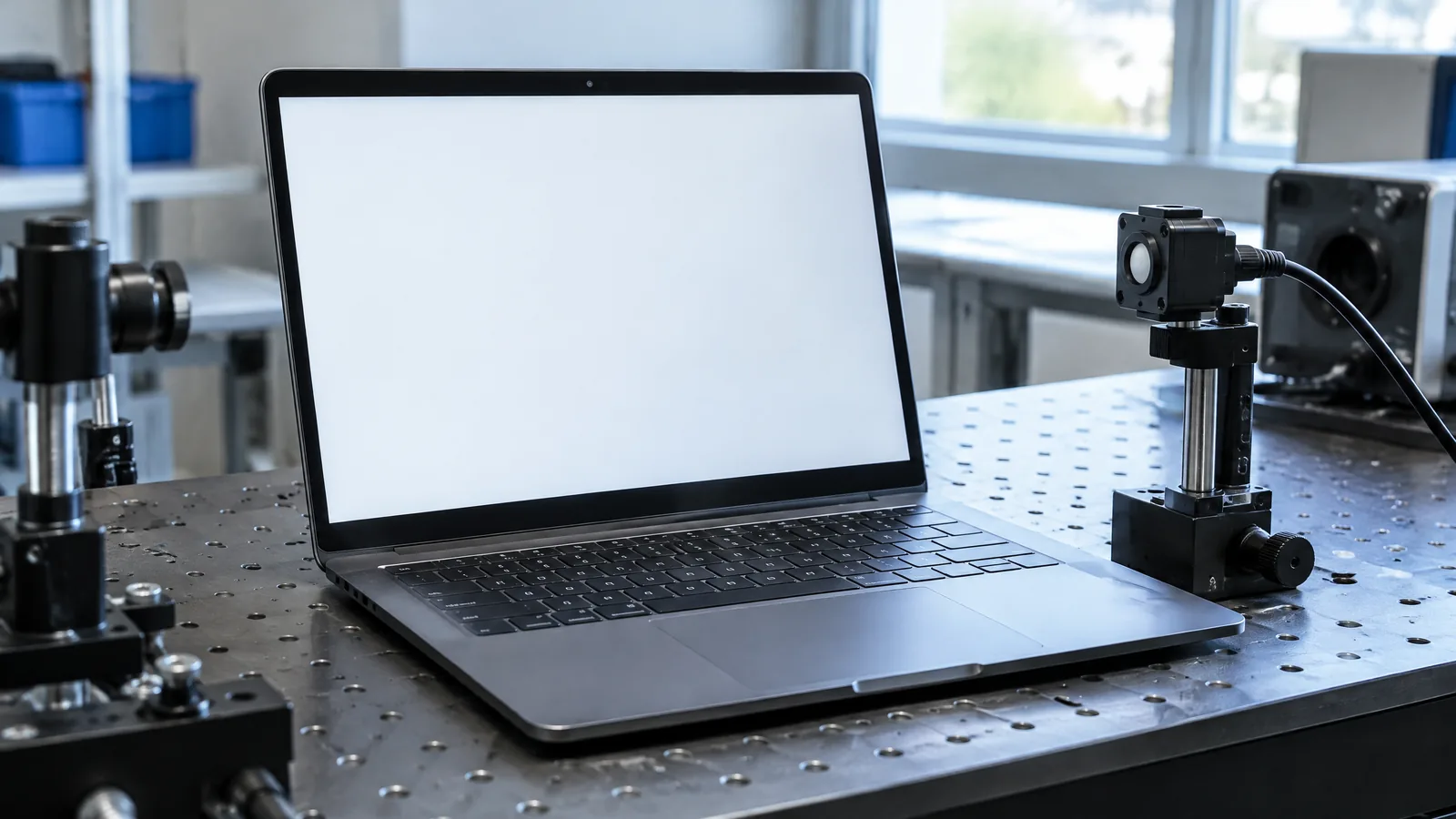
A laptop ambient colour sensor reads the light around you so compatible Windows systems can adjust an internal display’s white point and intensity. Here is what the feature needs, what it changes, and why it may not appear on every laptop.
 Explainer
A plain-English guide to multizone ToF laptop presence sensing, Windows walk-away lock, wake-on-approach, adaptive dimming and practical limits.
 Explainer
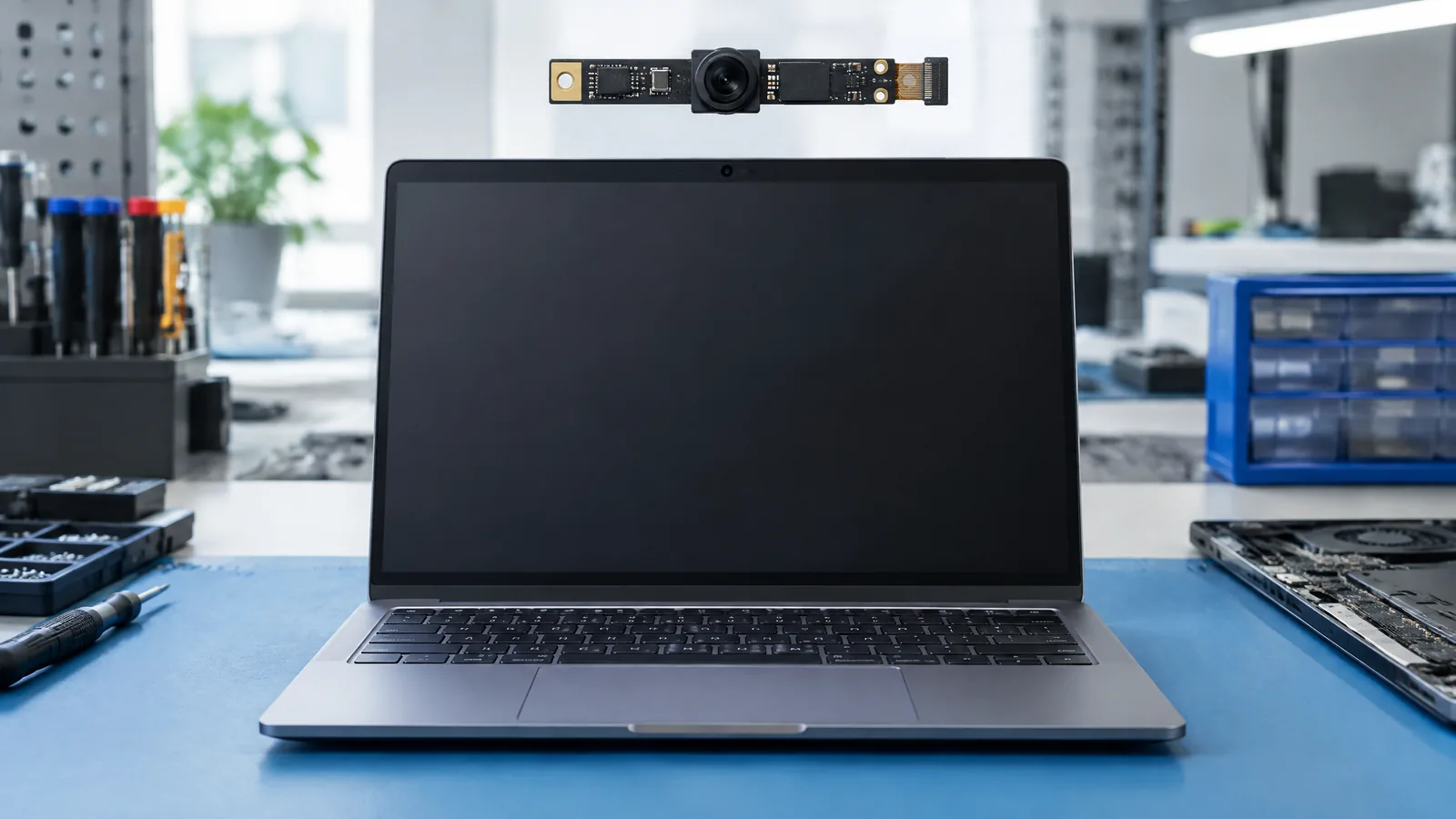
Learn what an integrated webcam CMOS image sensor measures in a laptop, how its output becomes a video frame, and why camera quality and privacy depend on more than the sensor alone.
 Explainer
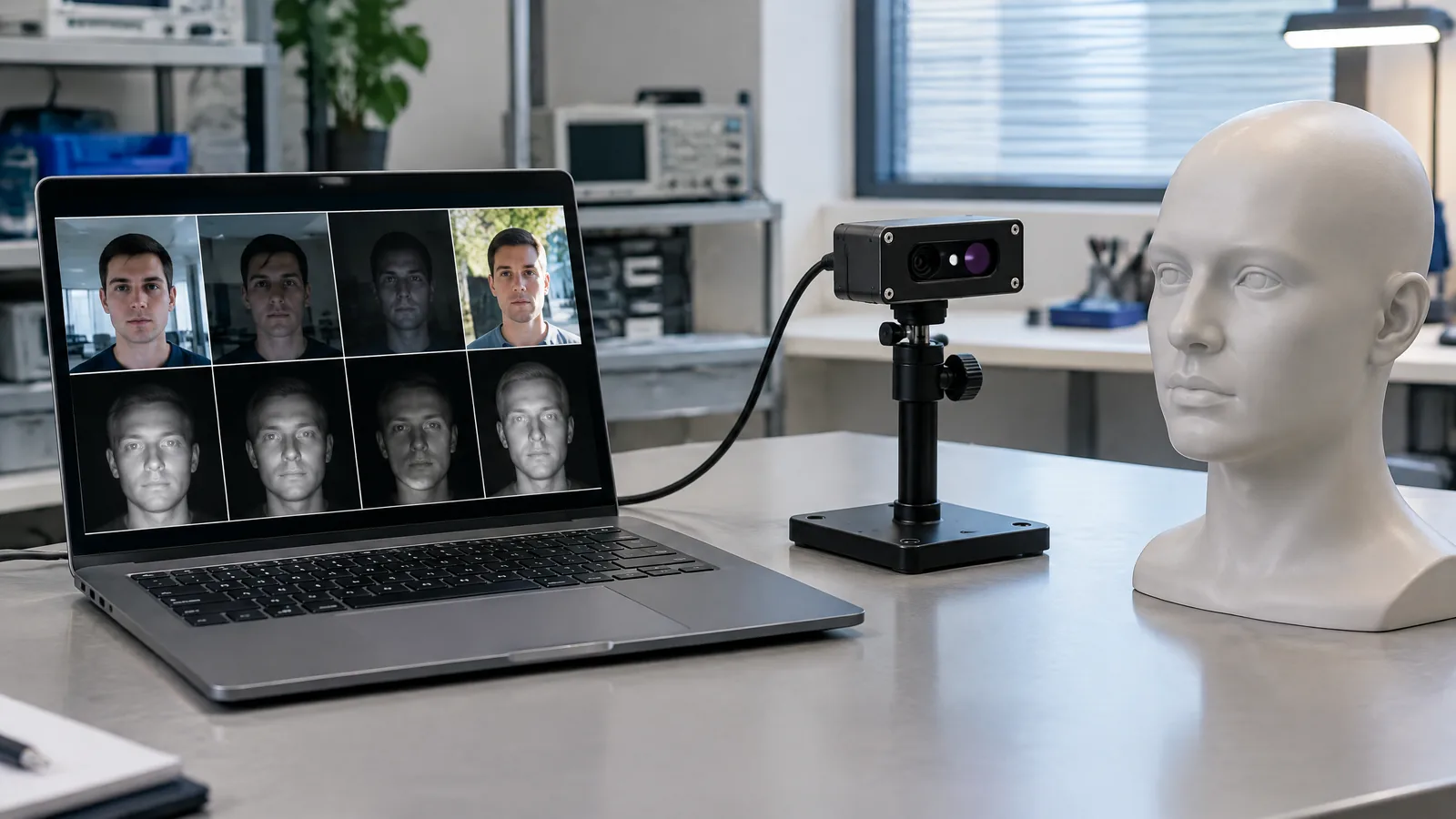
A practical guide to the near-infrared camera used for Windows Hello face sign-in, compatibility checks, external cameras and important limits.
 Explainer
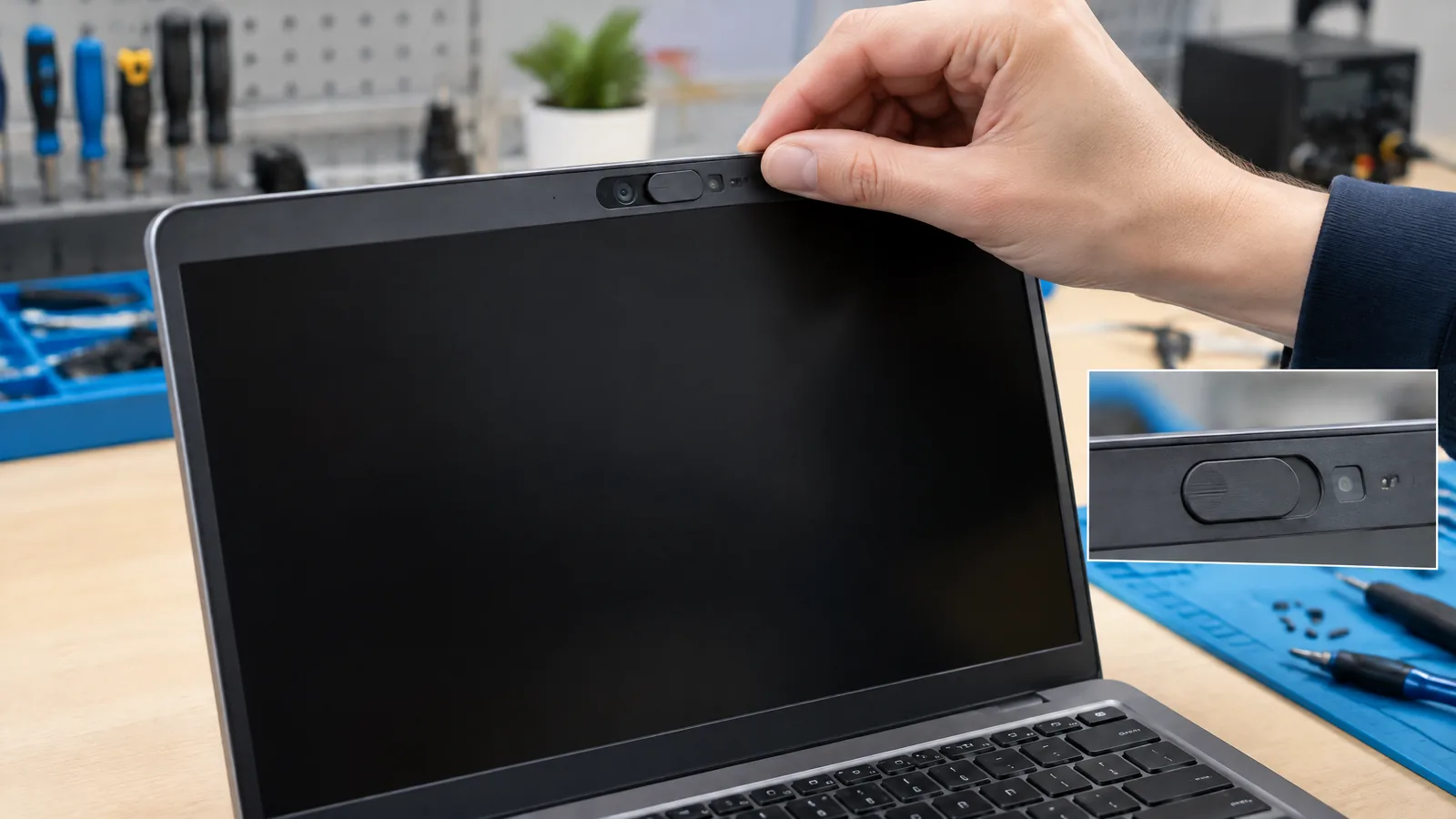
A laptop privacy shutter is a physical cover, but the message on screen depends on a separate state-sensing path. Here is how physical detection and firmware inference work, and what to check when the webcam says it is blocked.
 Explainer
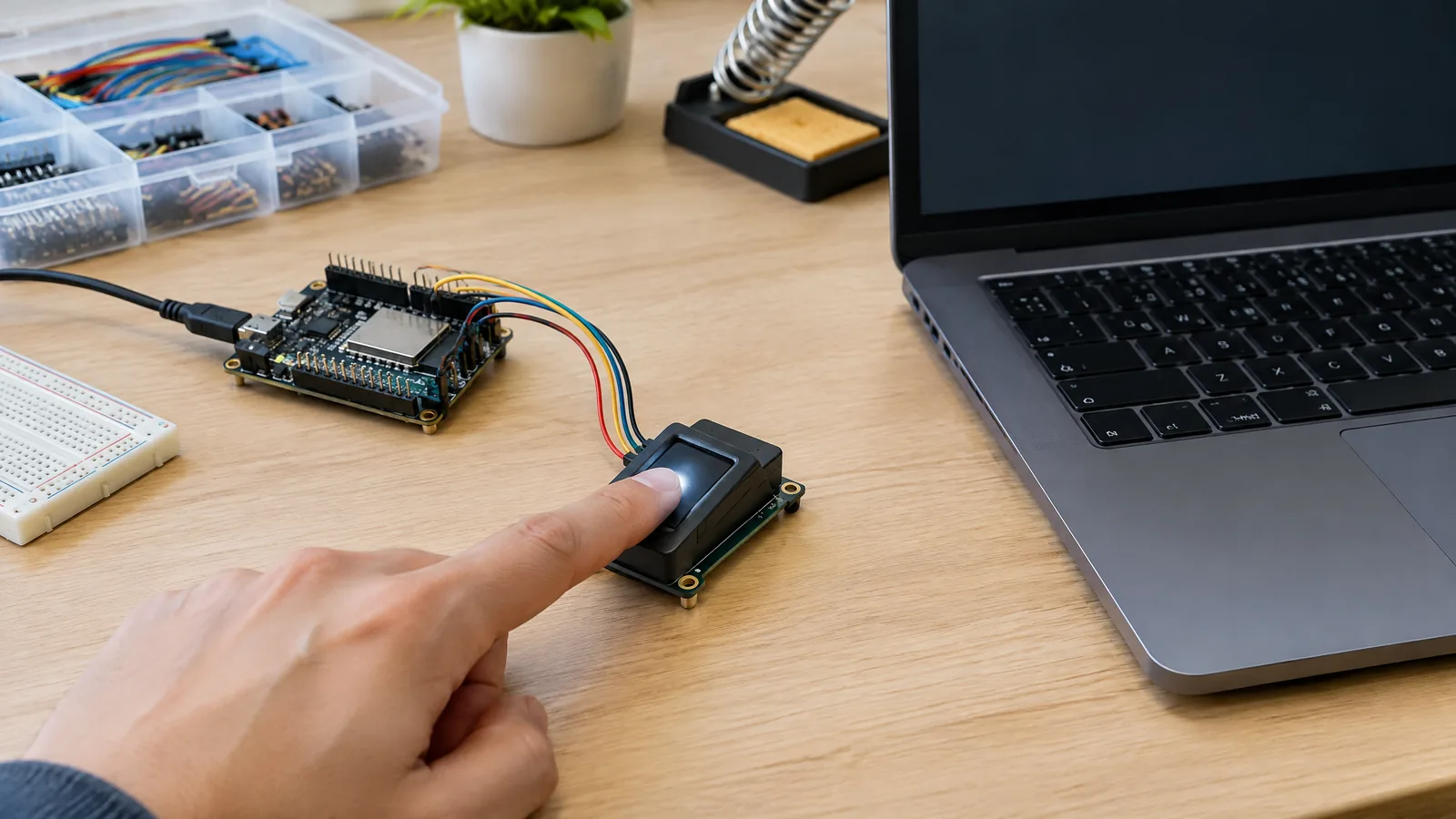
A practical guide to laptop fingerprint readers: what the physical sensor does, how Windows Hello uses it, what optional hardware you need and how to troubleshoot failed scans.
 Explainer
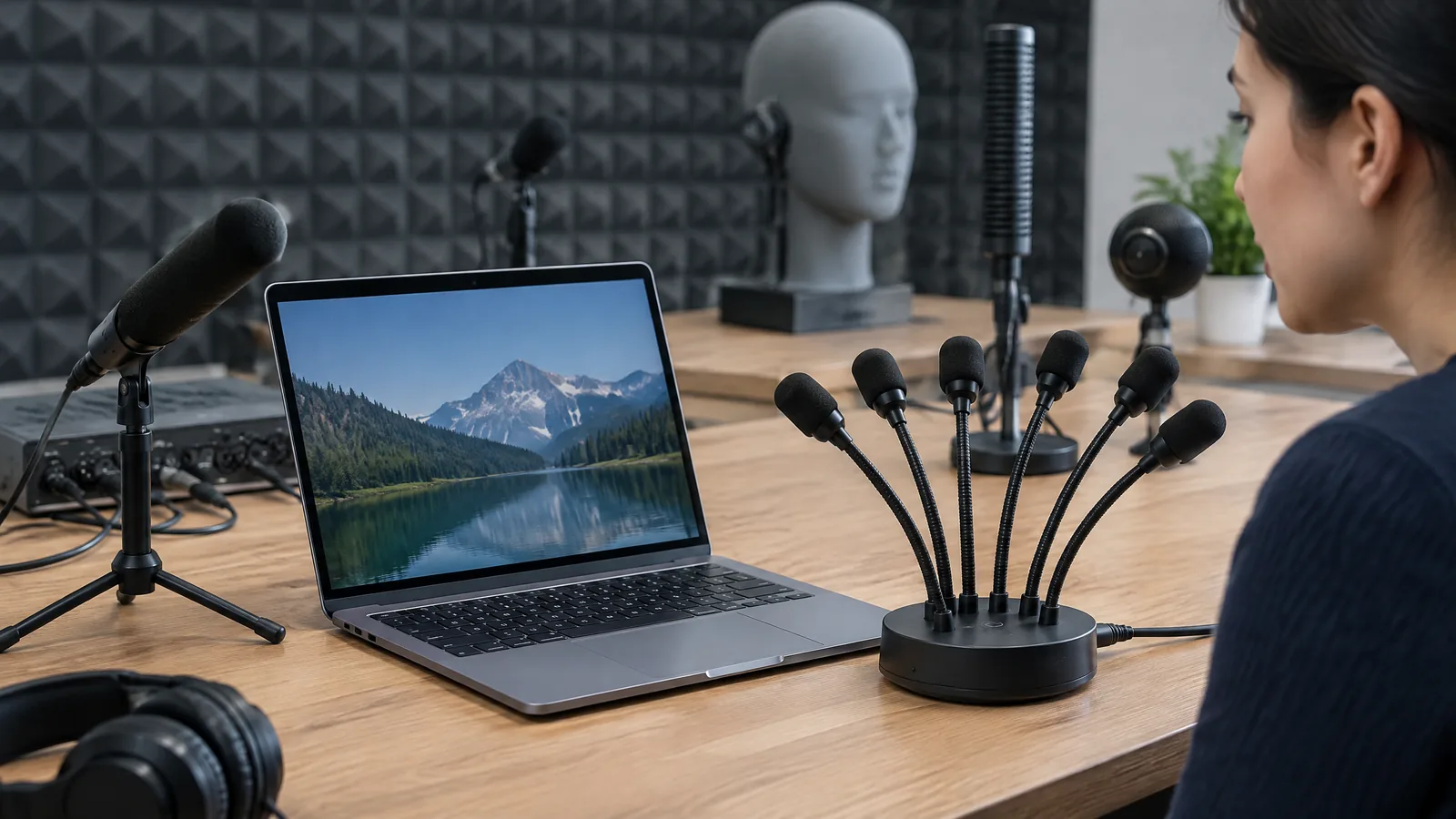
A clear guide to laptop microphone arrays, beamforming, noise suppression, placement limits and what varies between built-in and external setups.
 Explainer
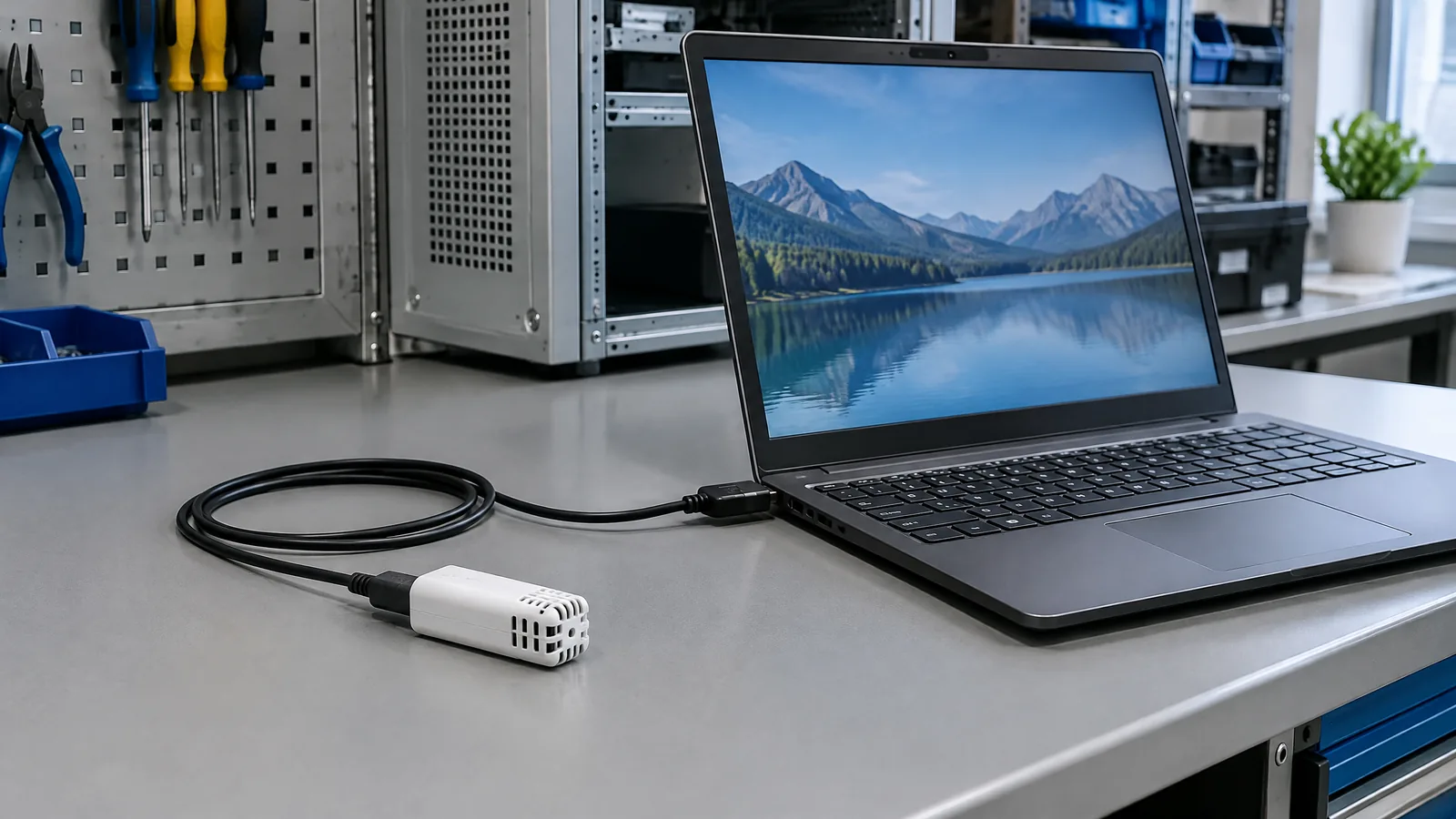
Use an external USB temperature and relative-humidity sensor with a laptop to observe local air conditions, log readings and understand the limits of a small probe.
 Explainer
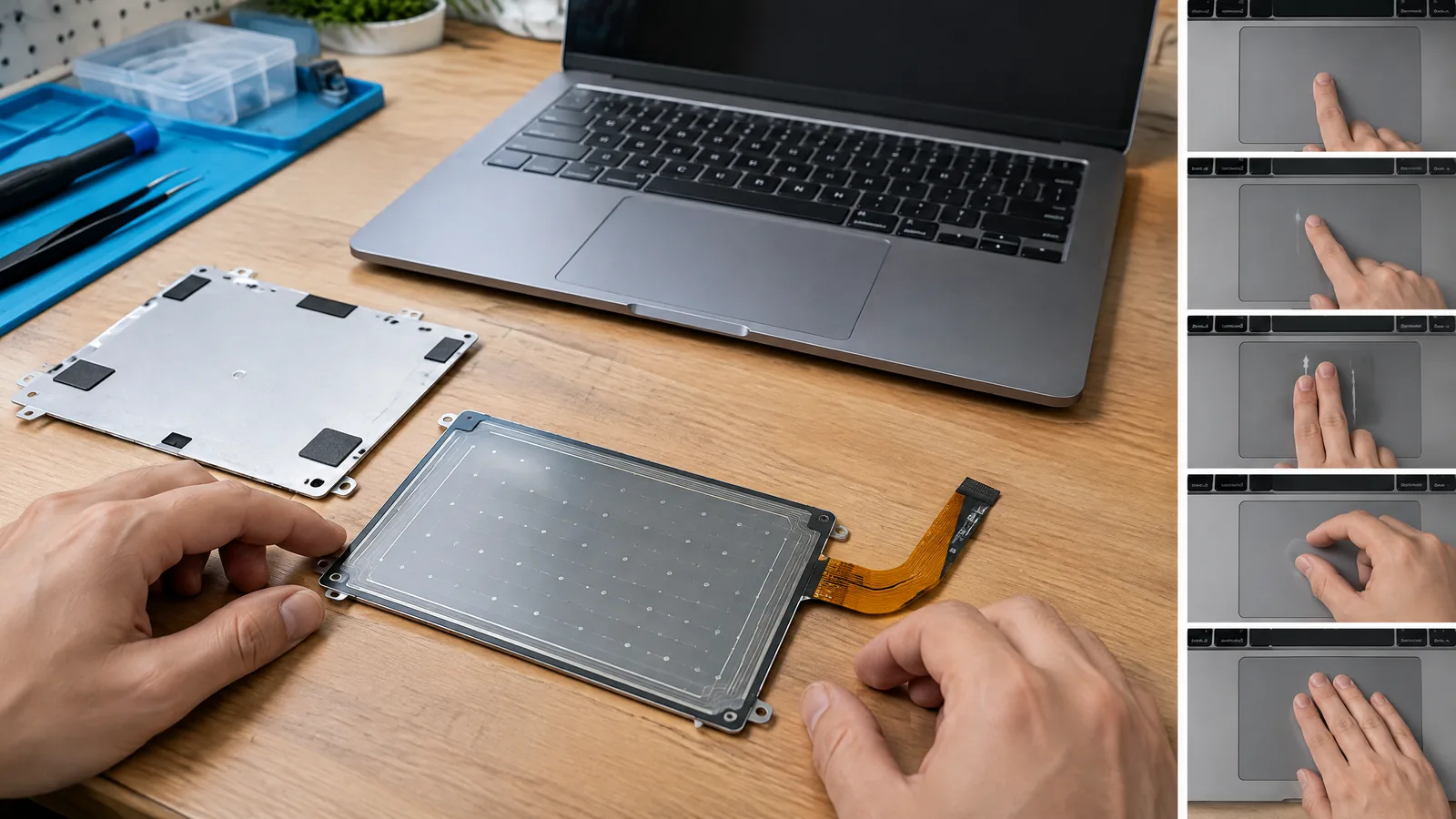
A laptop touchpad capacitive sensor detects changes in an electrode pattern, while its controller and driver turn those changes into pointing, taps, scrolling and palm rejection.
 Explainer
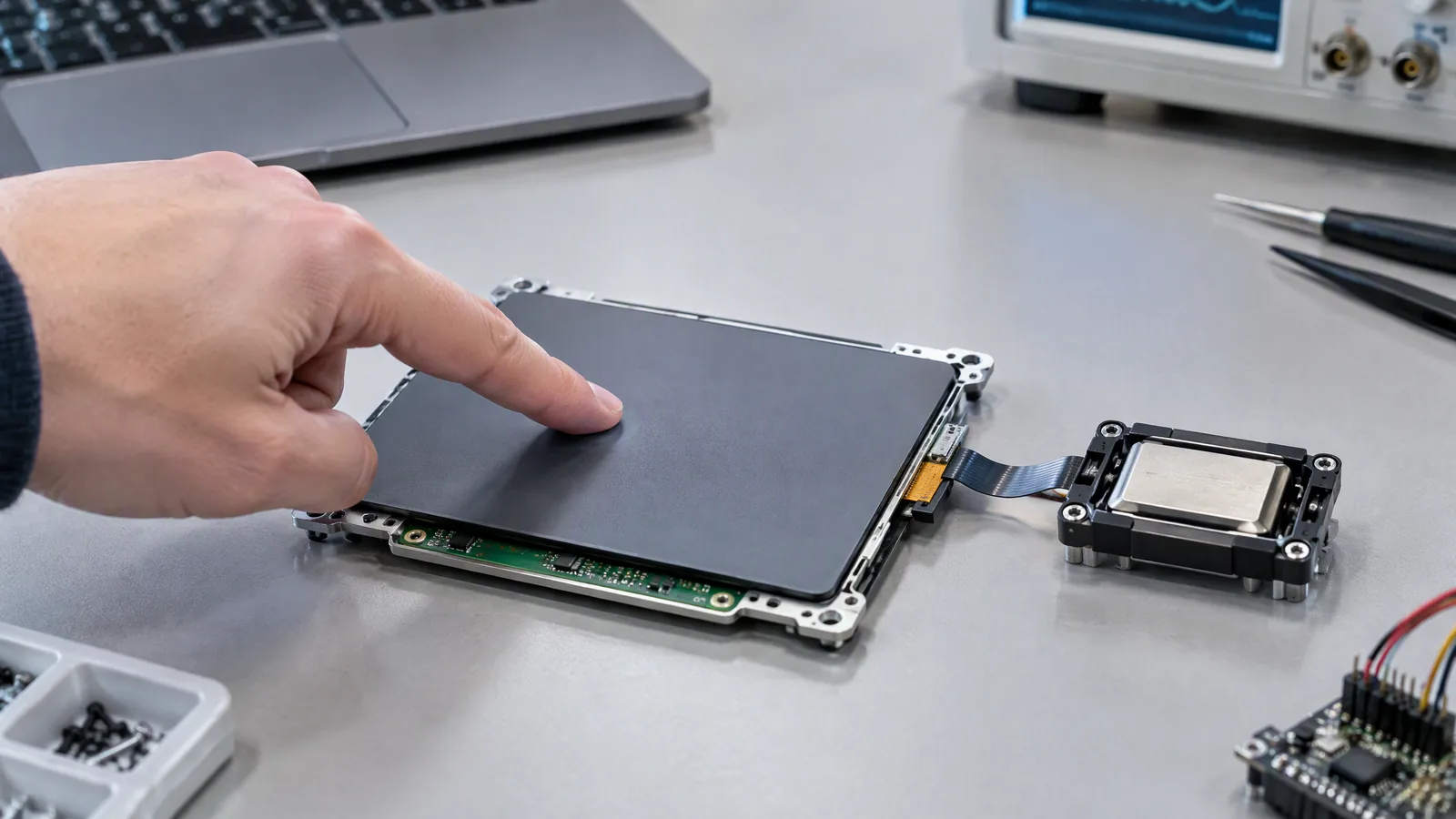
A plain-English guide to the force-sensing touchpad layer in some laptops, including pressure input, click-anywhere behavior, haptics and model-specific limits.
 Explainer
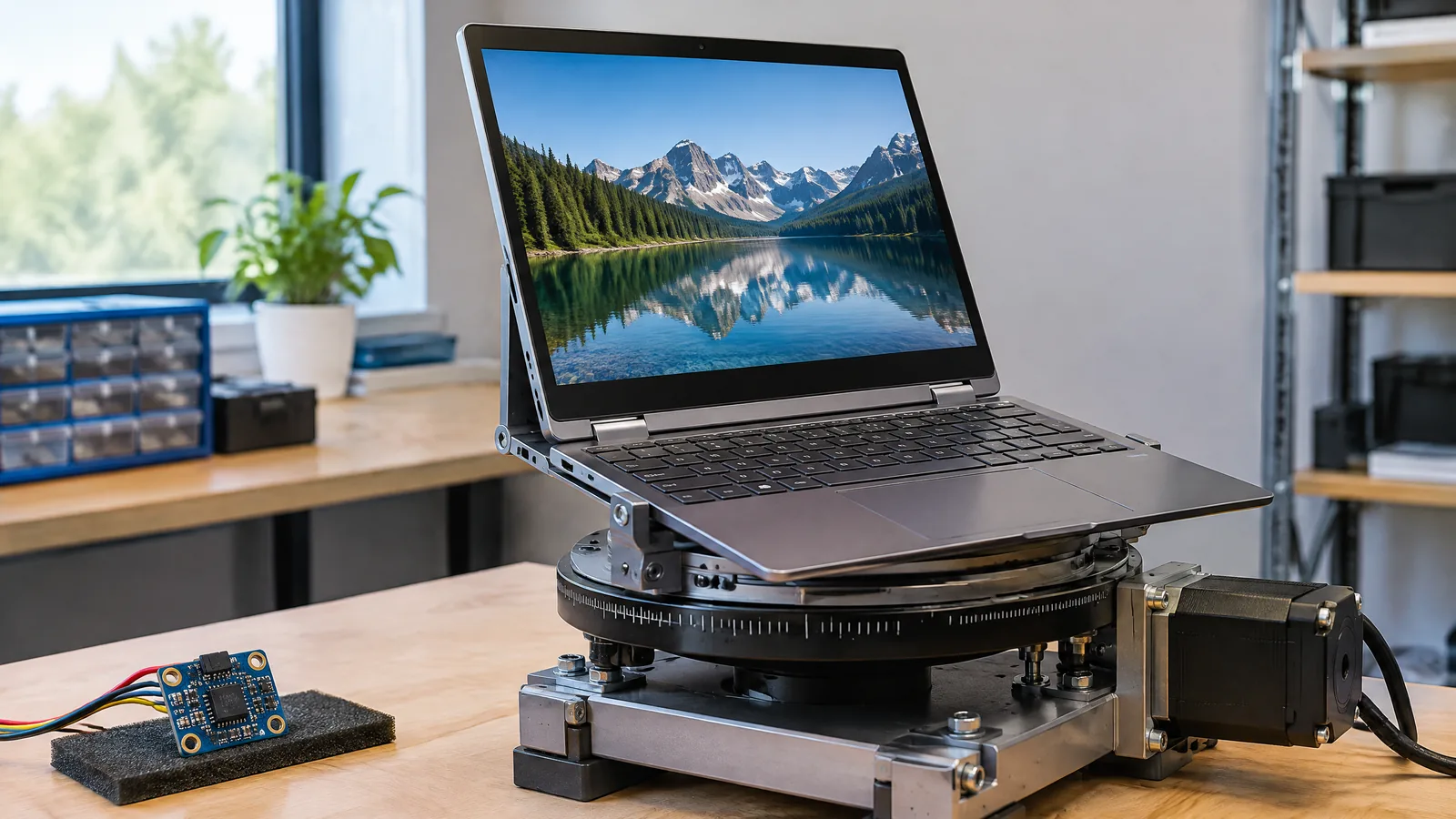
A laptop accelerometer can help a convertible understand movement and tilt, but the sensor is optional and software needs a fallback when it is absent.
 Explainer
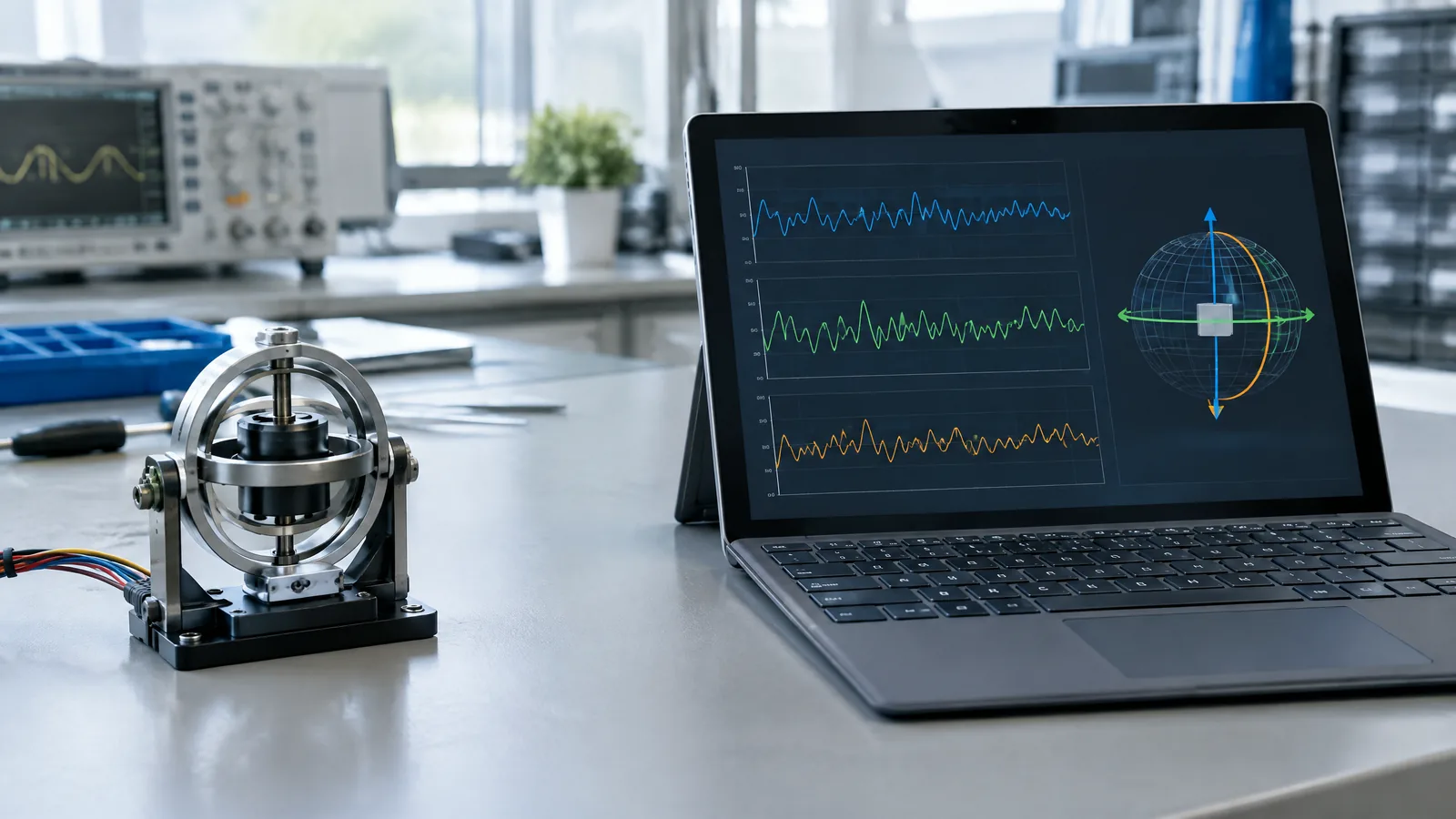
A laptop gyroscope sensor measures rotation rate, not location or absolute heading. Learn where a gyrometer may appear, what Windows can do with it, and why orientation is usually derived.
 Explainer
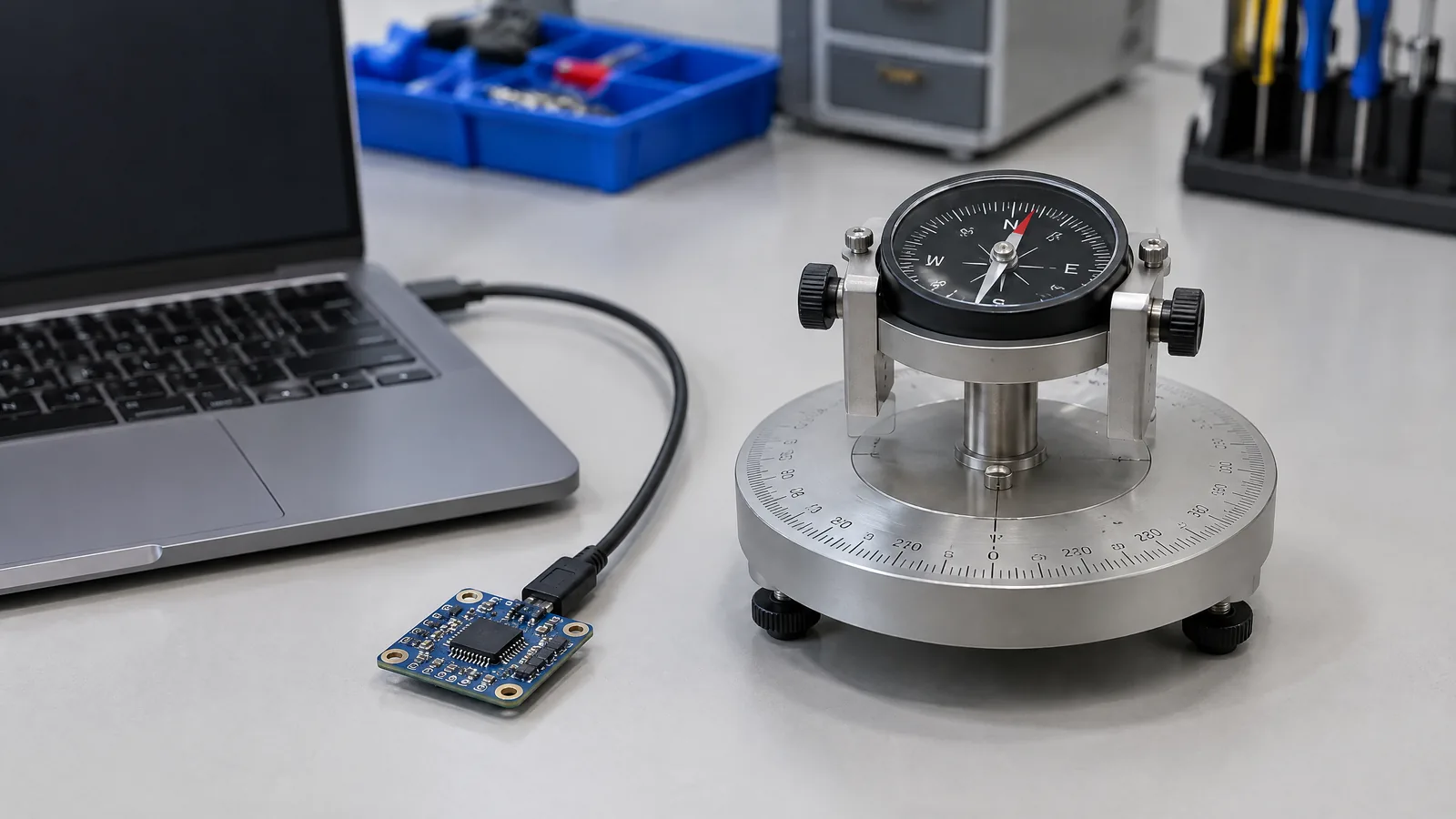
A plain-English guide to optional laptop magnetometer hardware, derived compass headings, calibration, interference and the difference from a lid Hall sensor.
 Explainer
A laptop display colorimeter measures on-screen colour patches so calibration software can build a profile for more consistent creative work.
 Explainer
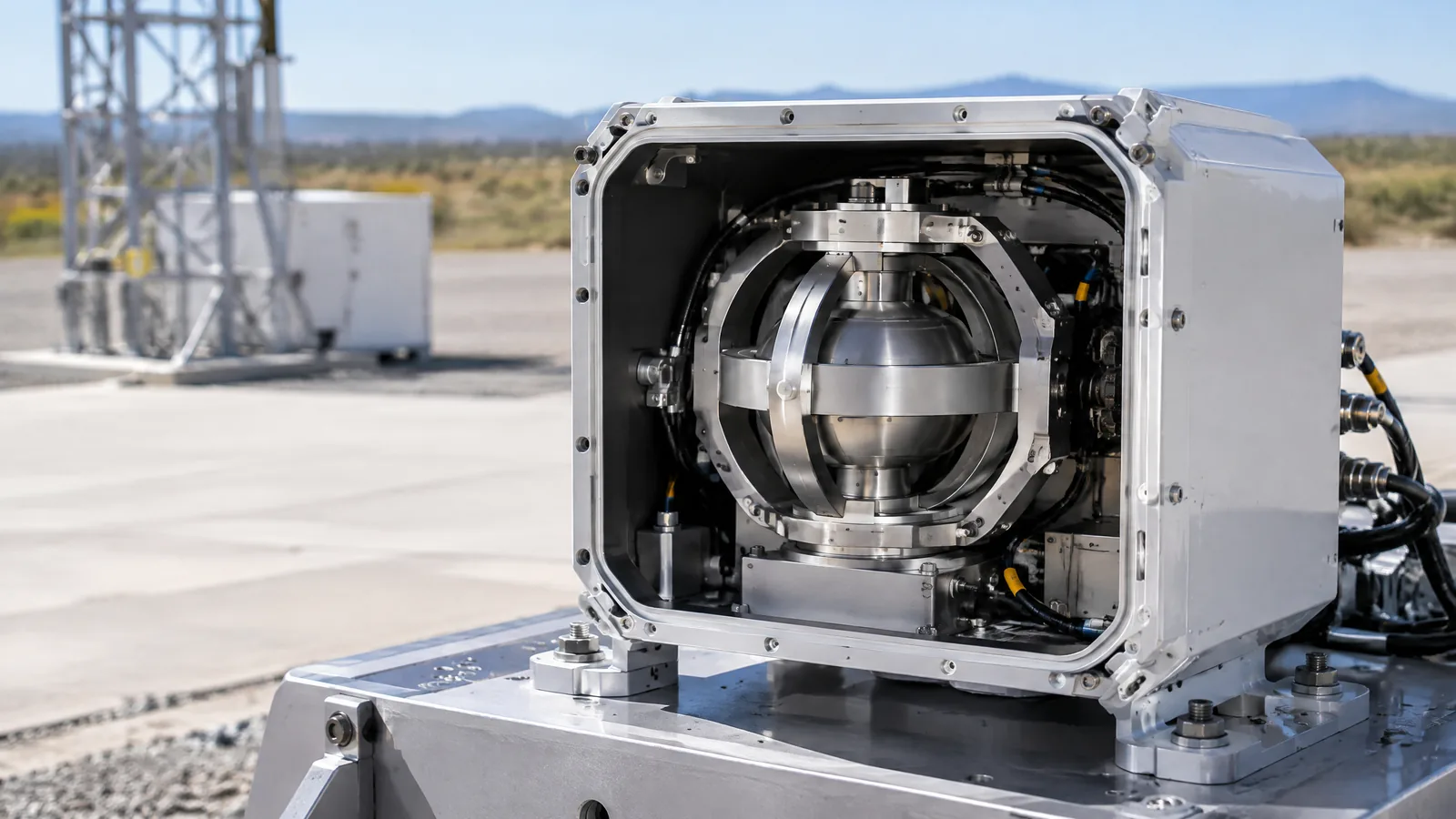
A plain-English explanation of what a rocket accelerometer sensor measures, how it differs from an IMU, and why navigation and flight-test instrumentation are separate jobs.
 Explainer
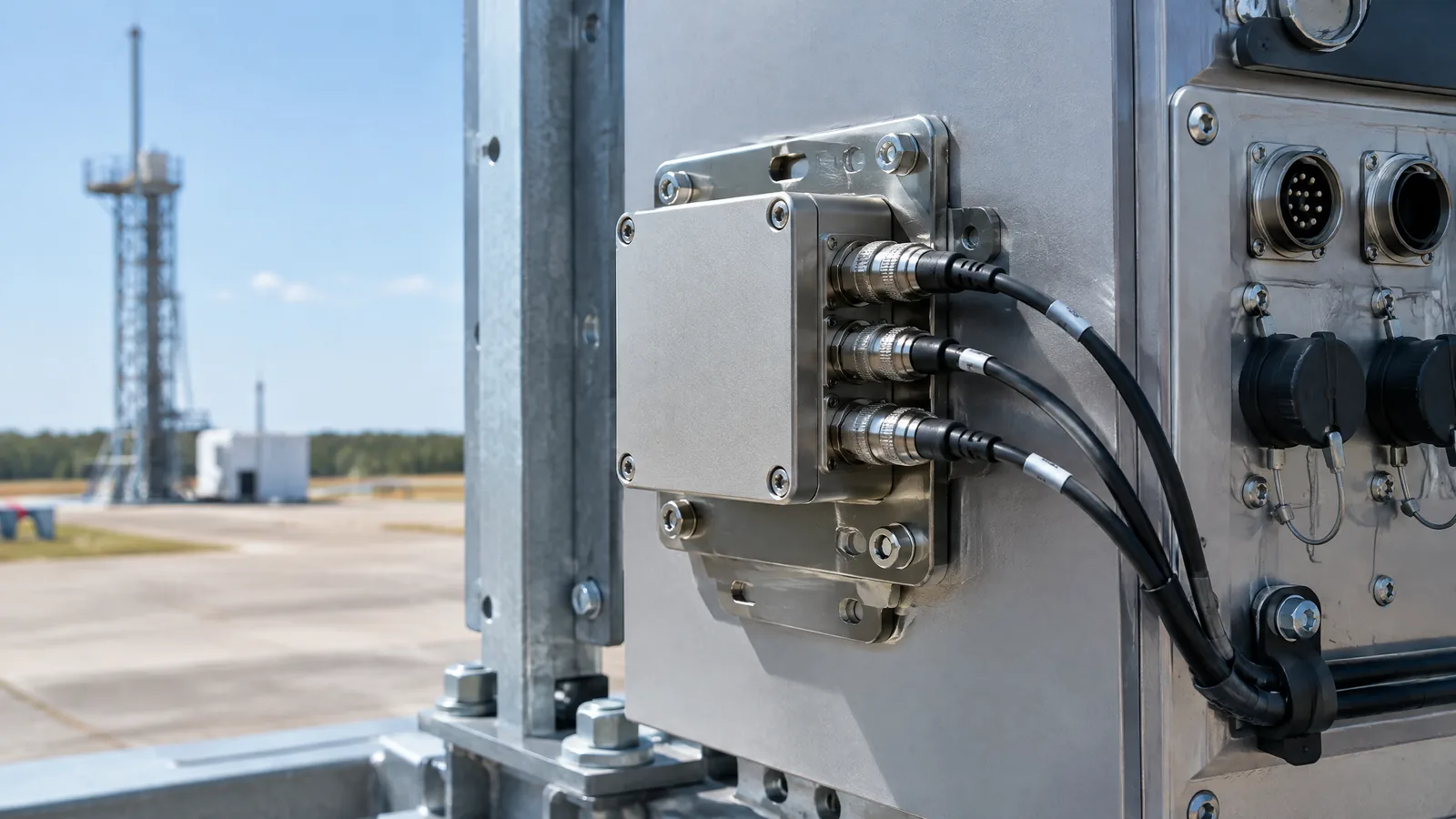
A rocket gyroscope measures angular rate as part of an inertial measurement unit. Here is how that rotation signal fits into launch-vehicle avionics, and what it cannot measure alone.
 Explainer
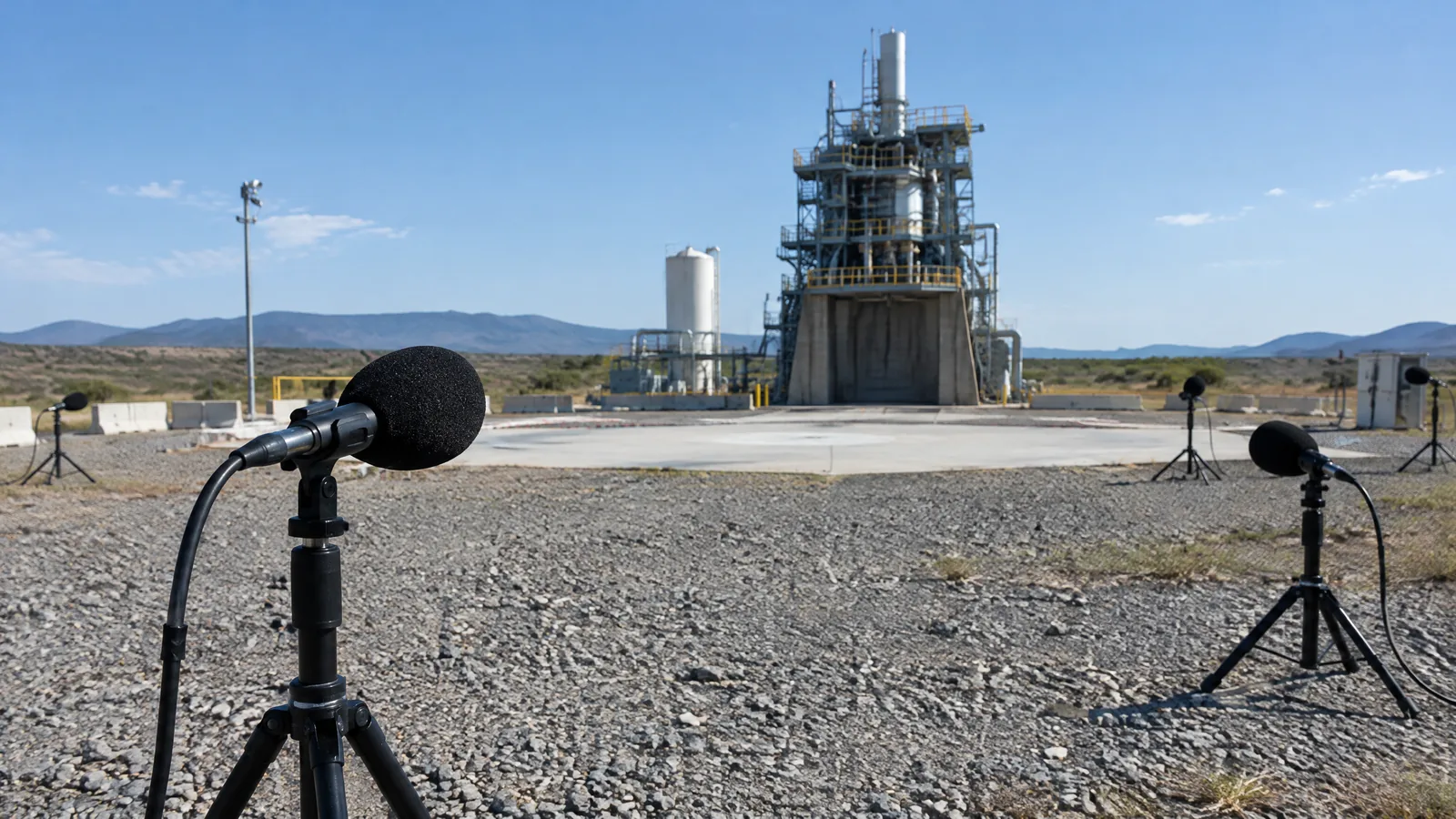
A rocket IMU combines accelerometer and gyroscope data so onboard navigation systems can track motion and rotation during flight.
 Explainer
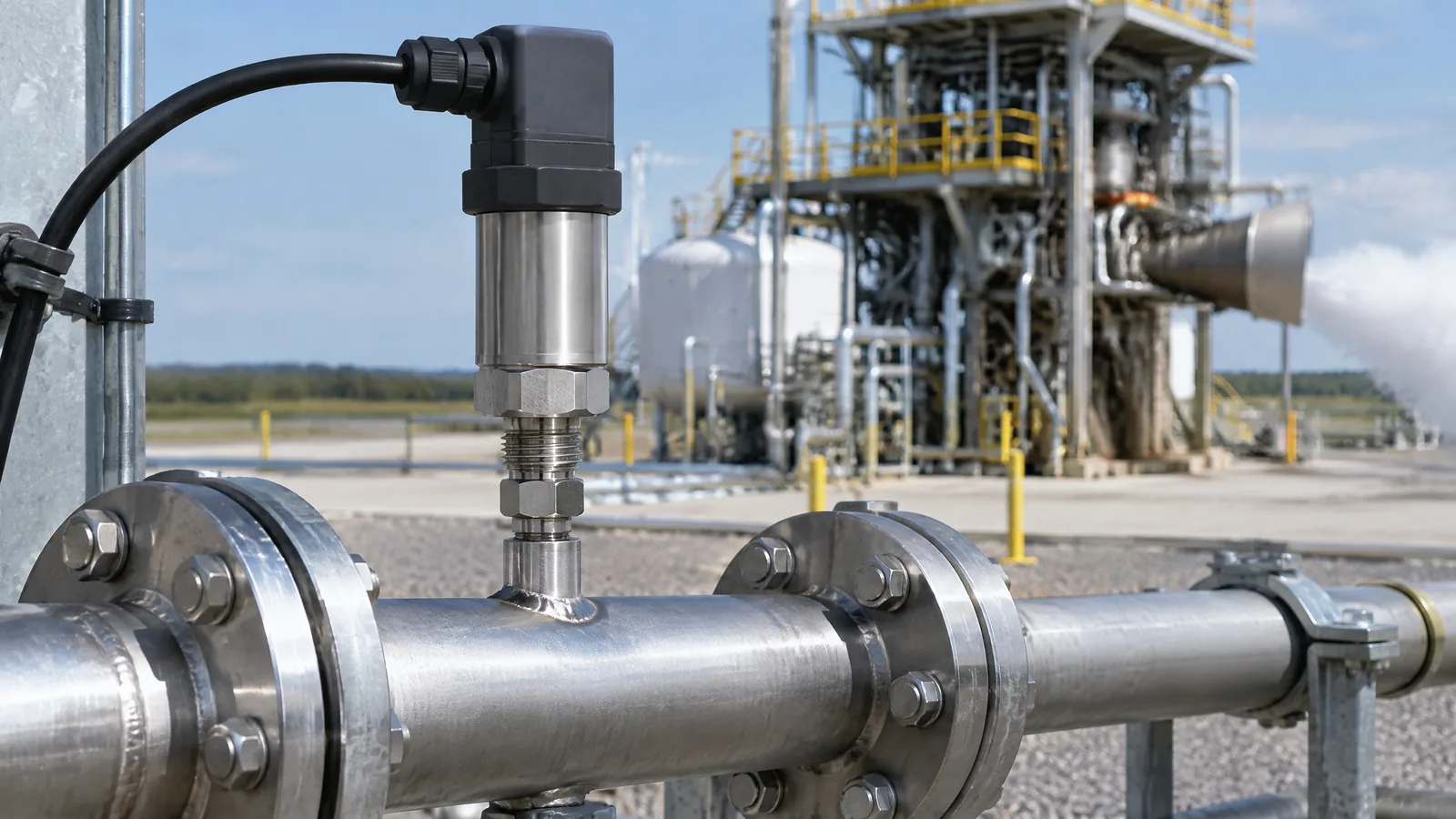
A plain-English guide to the specialist microphone arrays used around rocket-engine static fires to measure acoustic pressure and map where test-stand noise comes from.
 Explainer
A beginner-friendly explanation of how static pressure transducers observe propellant tanks, feed systems and rocket-engine tests, including absolute, gauge and differential references.
 Explainer
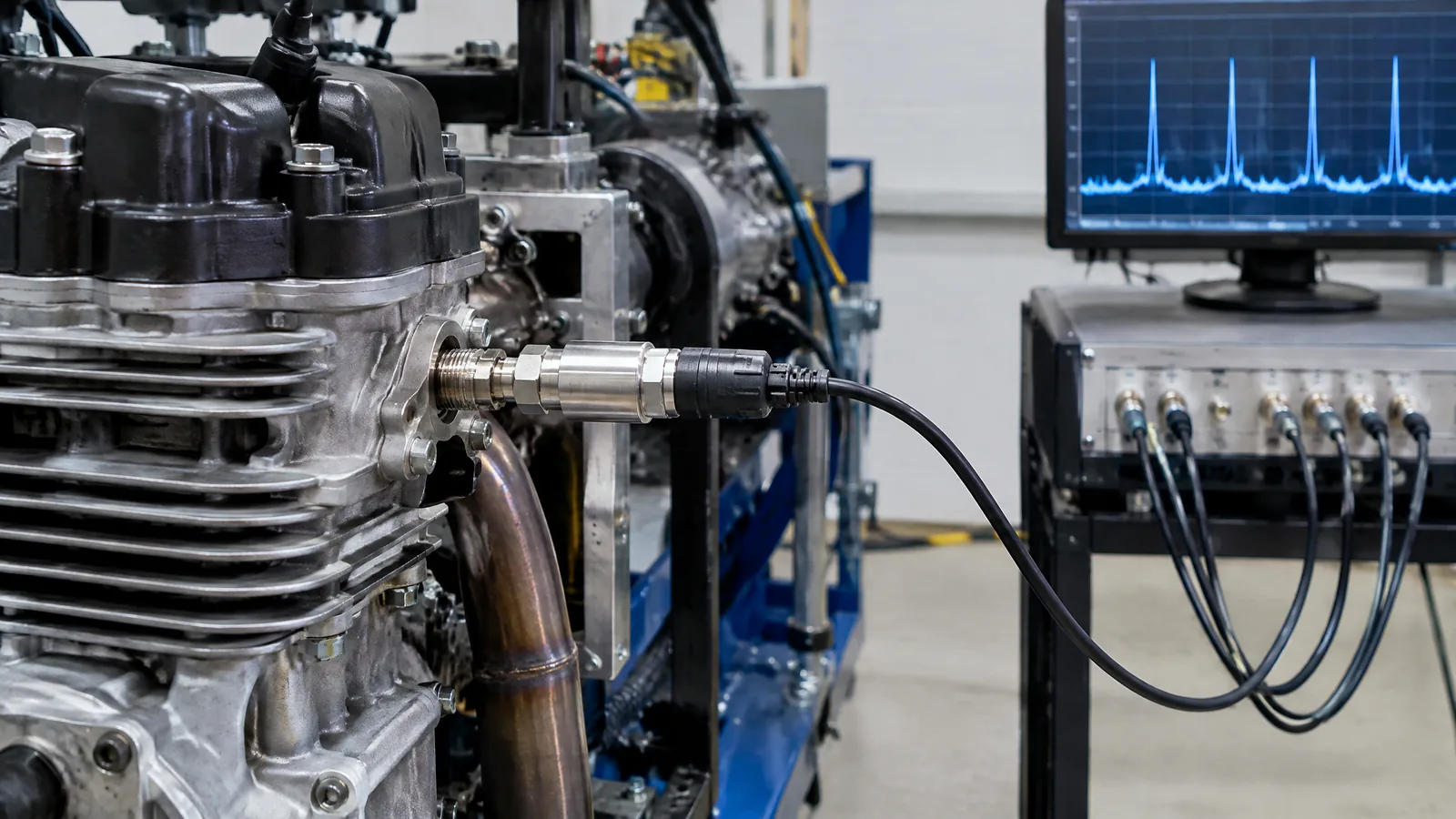
A plain-English guide to how a dynamic combustion-pressure sensor helps test teams observe fast pressure changes and combustion-instability signals without confusing it with a static pressure instrument.
 Explainer
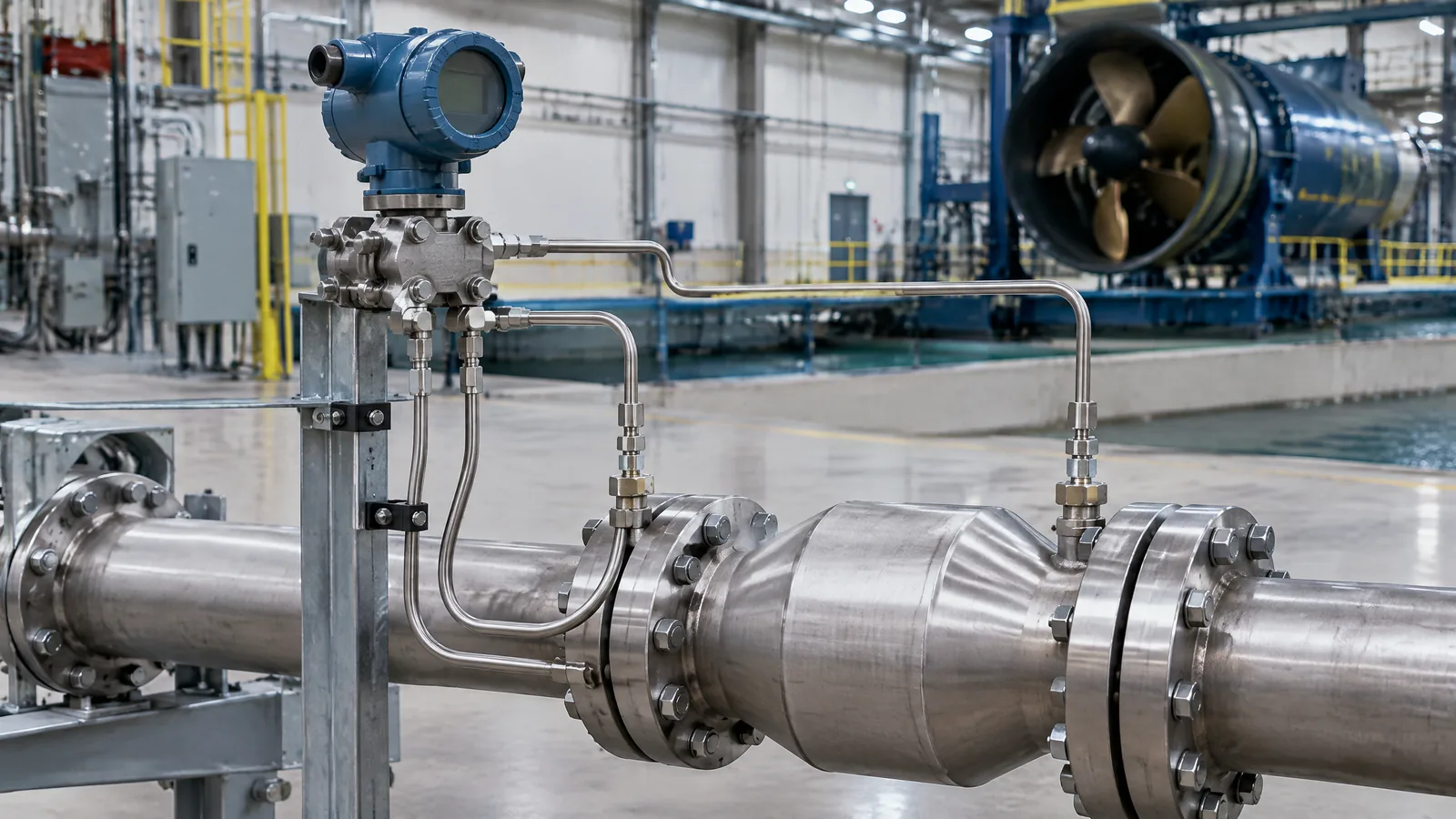
A beginner-friendly explanation of how a differential-pressure transducer compares two pressure points during rocket propulsion testing, and why the reading needs the right ports, calibration and acquisition chain.
 Explainer
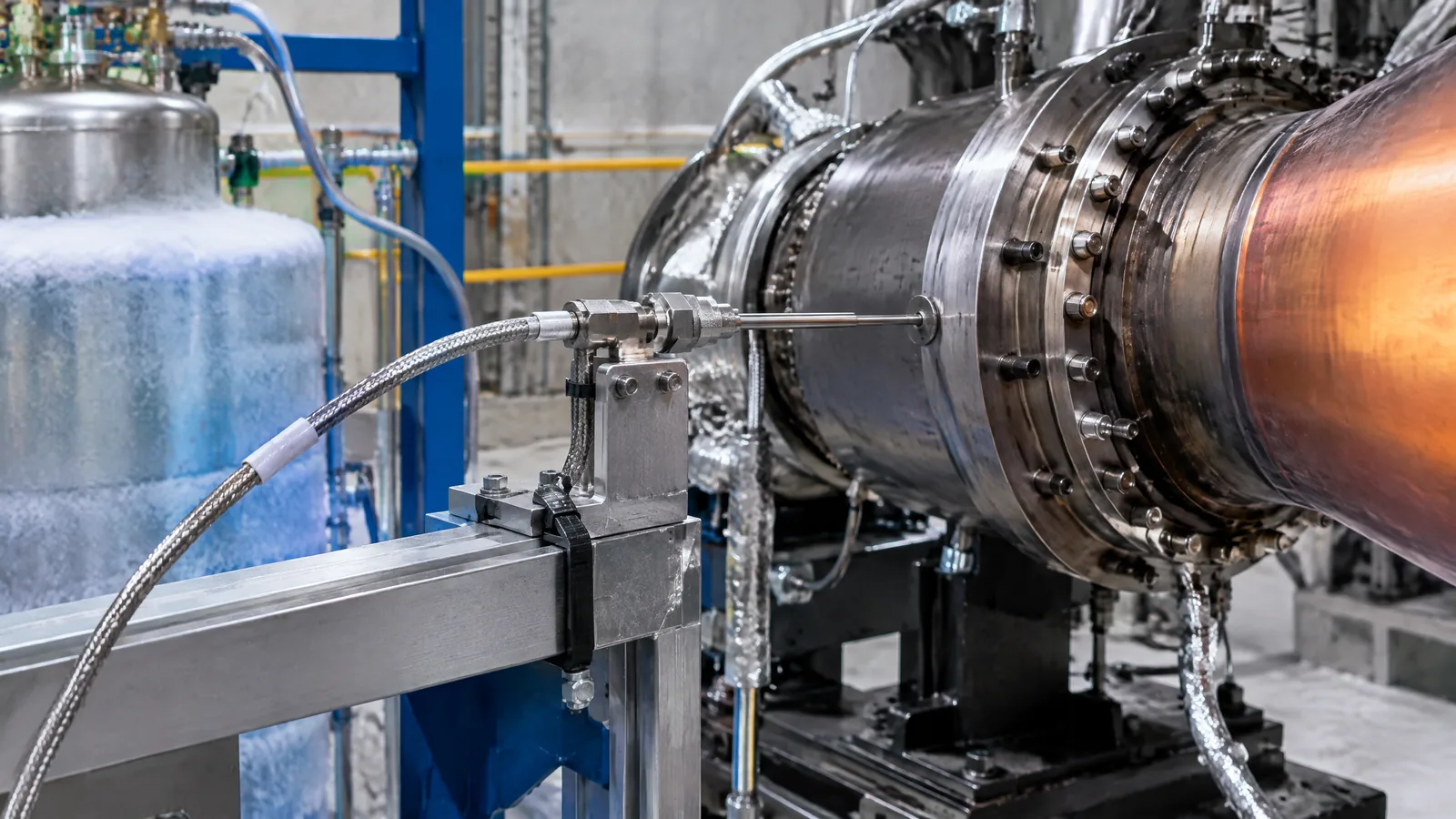
How a thermocouple temperature probe measures hot and cryogenic locations in rocket propulsion tests, and why wiring, signal conditioning, installation and calibration matter.
 Explainer
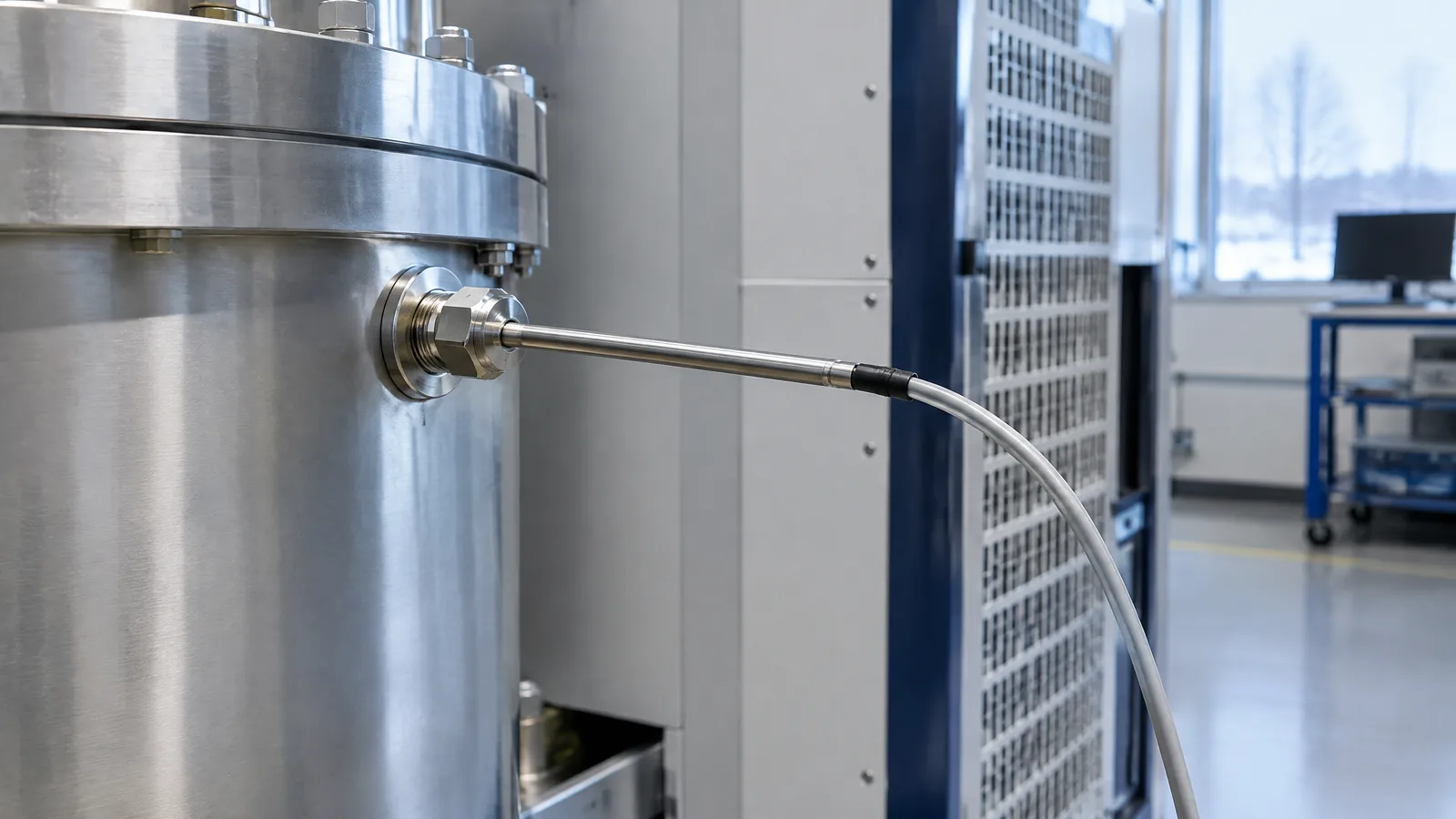
A beginner-friendly explanation of how resistance temperature detectors support rocket-engine test measurements, how their signal chain works and where thermocouples differ.
 Explainer
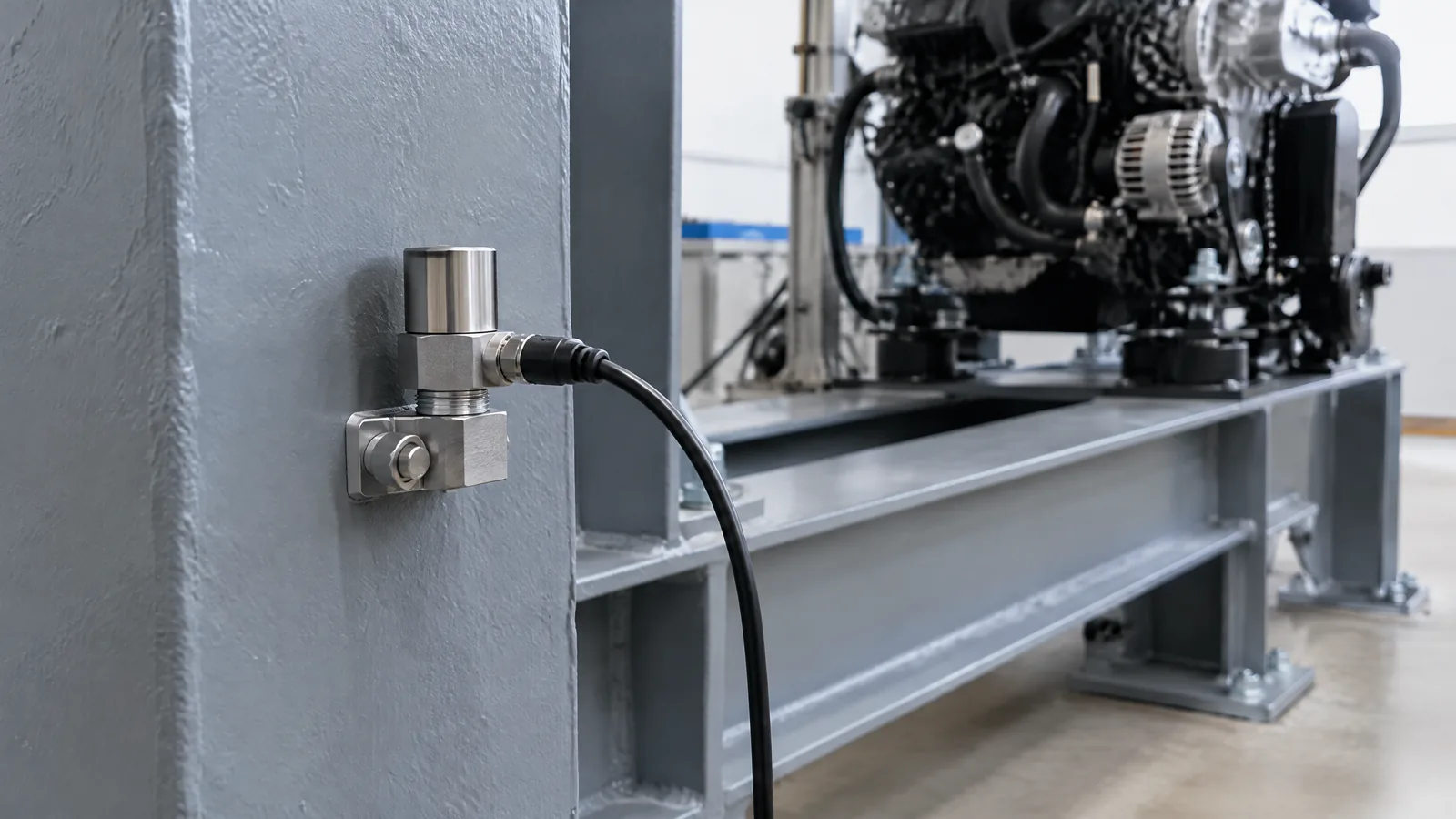
A plain-English guide to rocket vibration sensors, piezoelectric and IEPE accelerometers, turbopump monitoring, test data and practical limits.
 Explainer
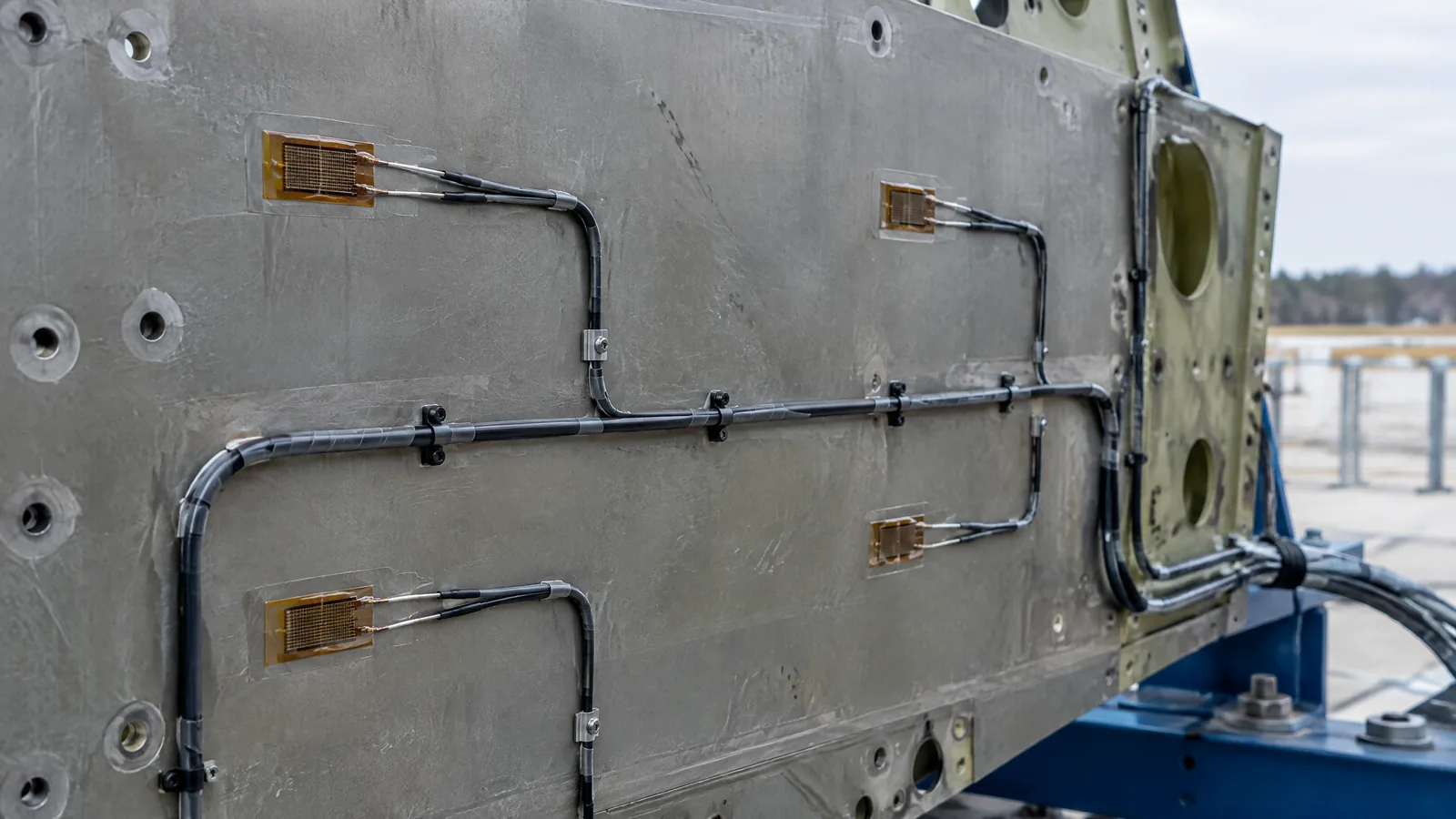
A beginner-friendly explanation of how structural strain gauges capture launch-vehicle deformation during development flight tests, and why strain is not the same as load.
 Explainer
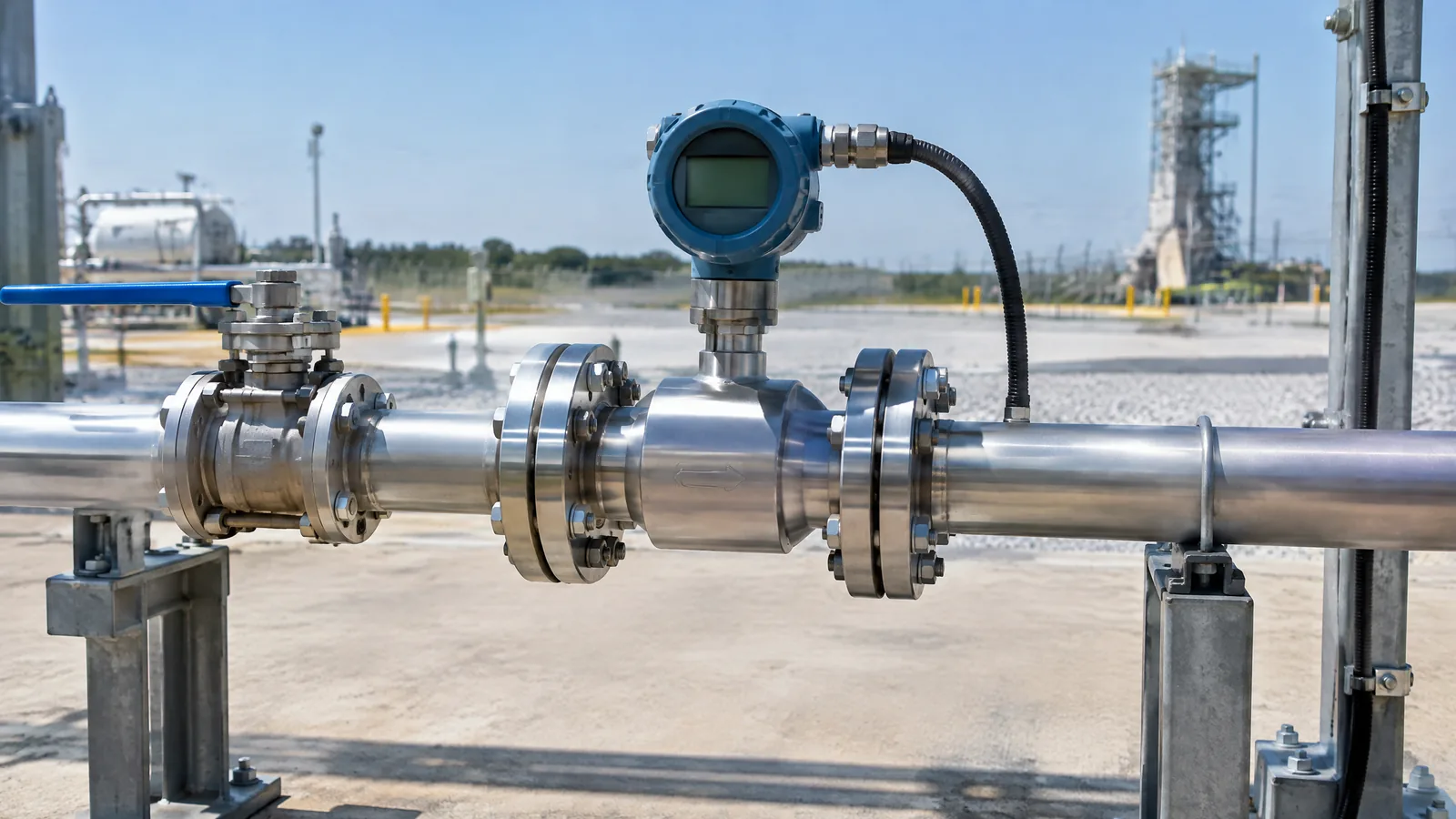
A beginner-friendly explanation of how a propellant flowmeter helps monitor rocket-engine ground tests, what its output represents and why the instrument must be read as part of a larger data system.
 Explainer
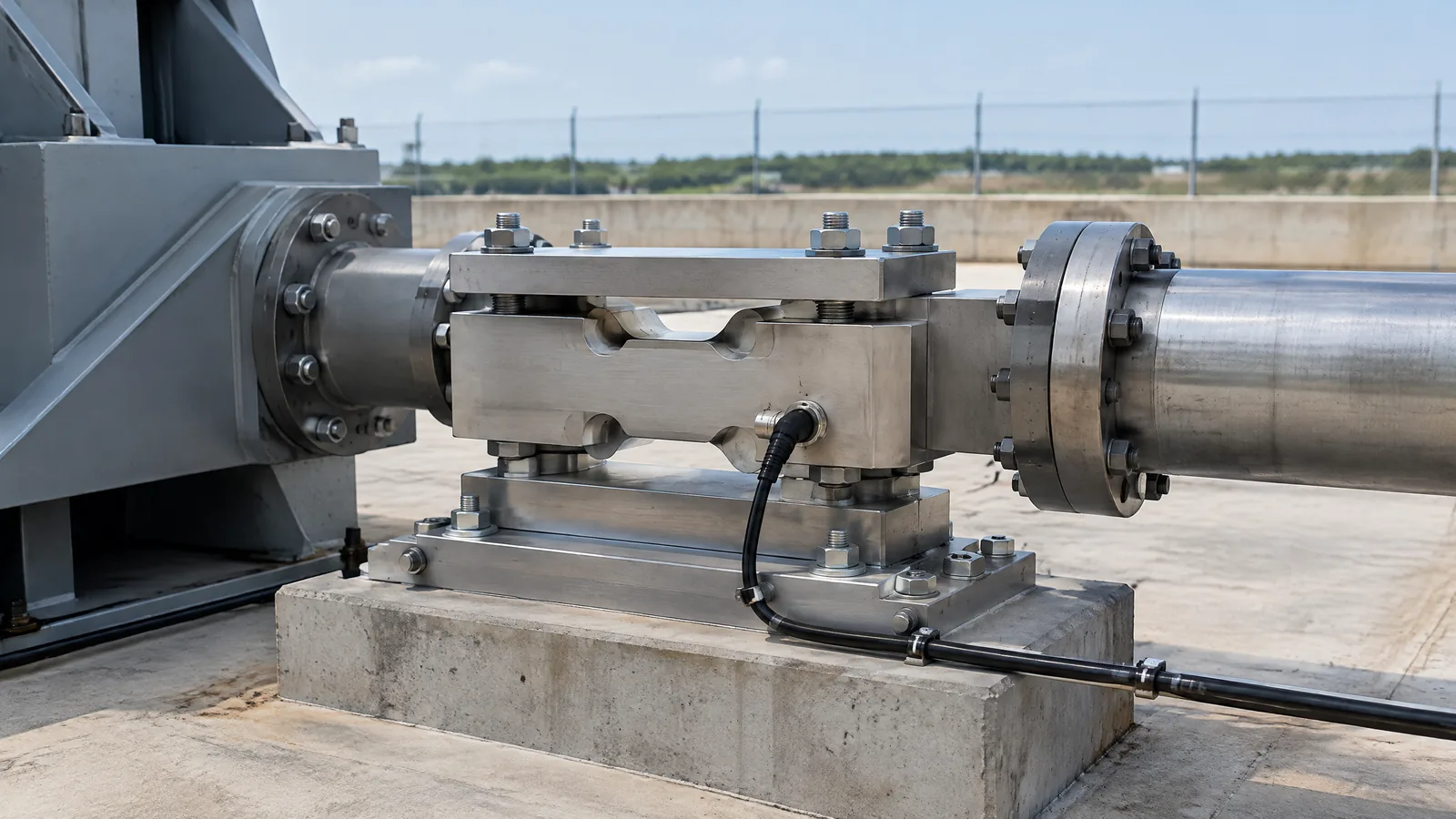
A plain-English guide to how a thrust load cell or dynamometer measures engine force on a rocket ground-test stand, and how it differs from pressure, vibration and flow sensors.
 Explainer
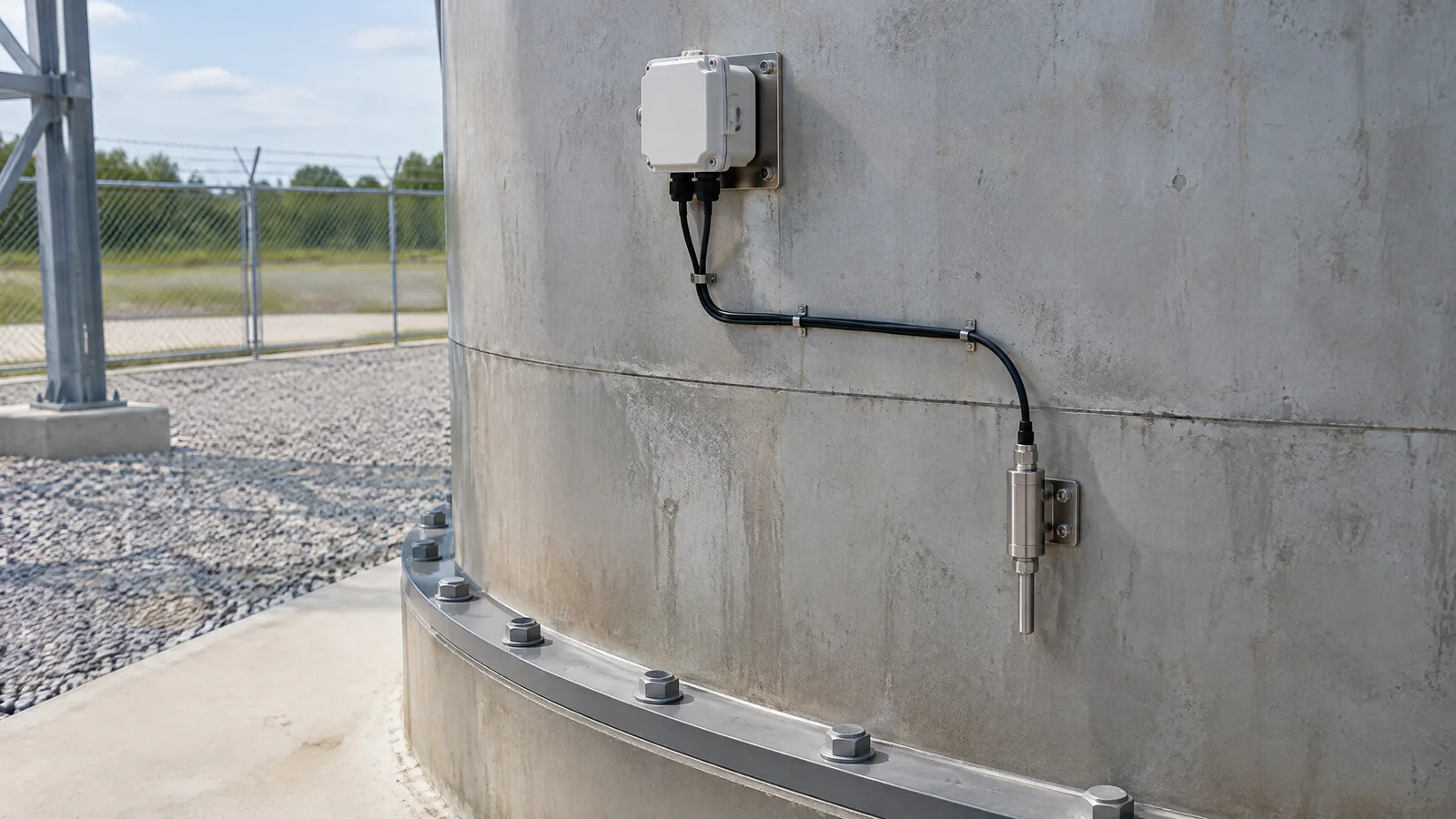
How an ESA-proposed rocket-engine leak detector combines electrical conductivity and temperature evidence to identify possible liquid-propellant leakage without treating either signal as proof on its own.
 Explainer
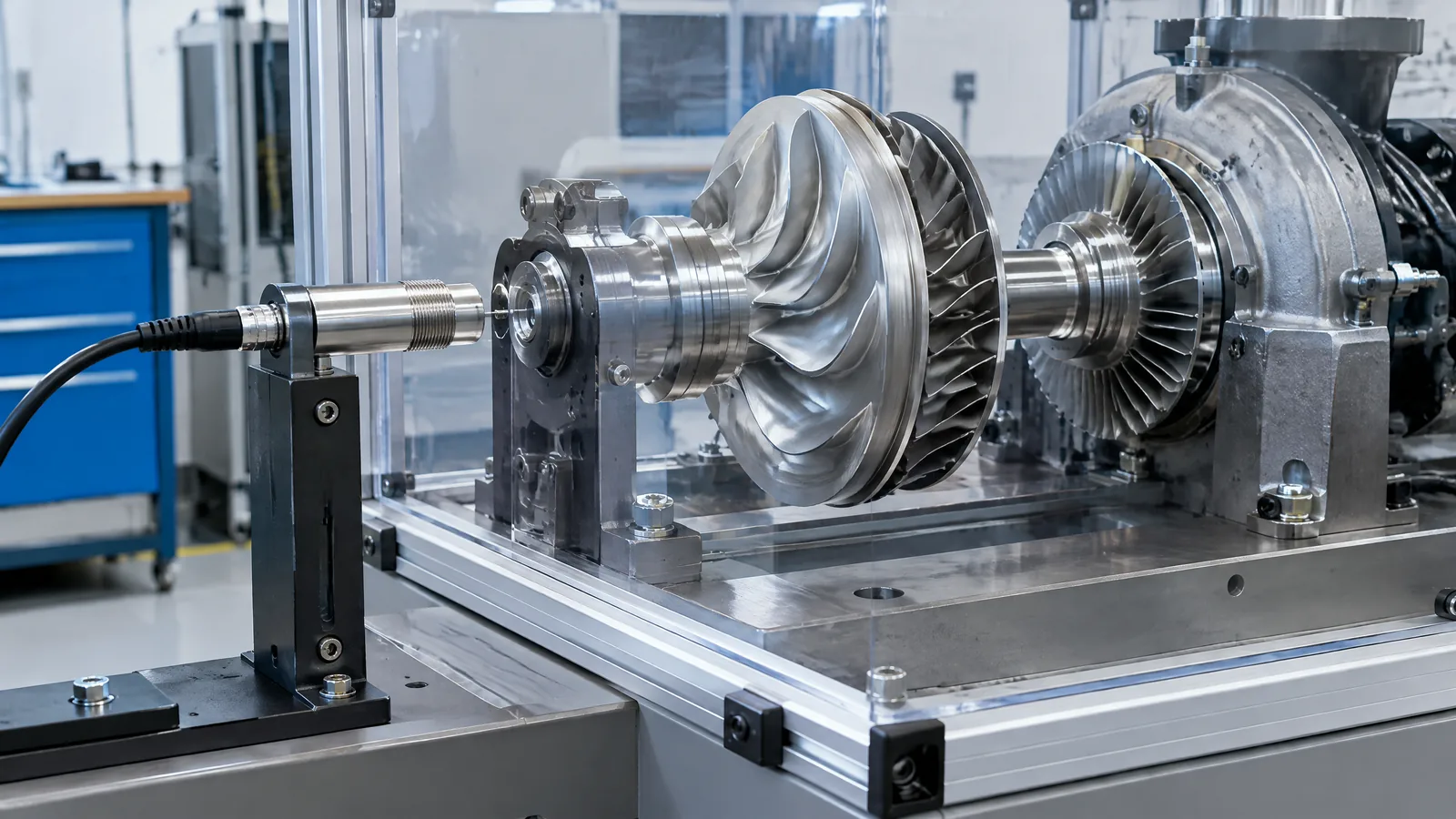
Learn how a noncontact inductive turbopump shaft-displacement sensor measures shaft movement, why cryogenic conditions complicate the reading, and where the instrument fits in rocket-engine development testing.
 Explainer
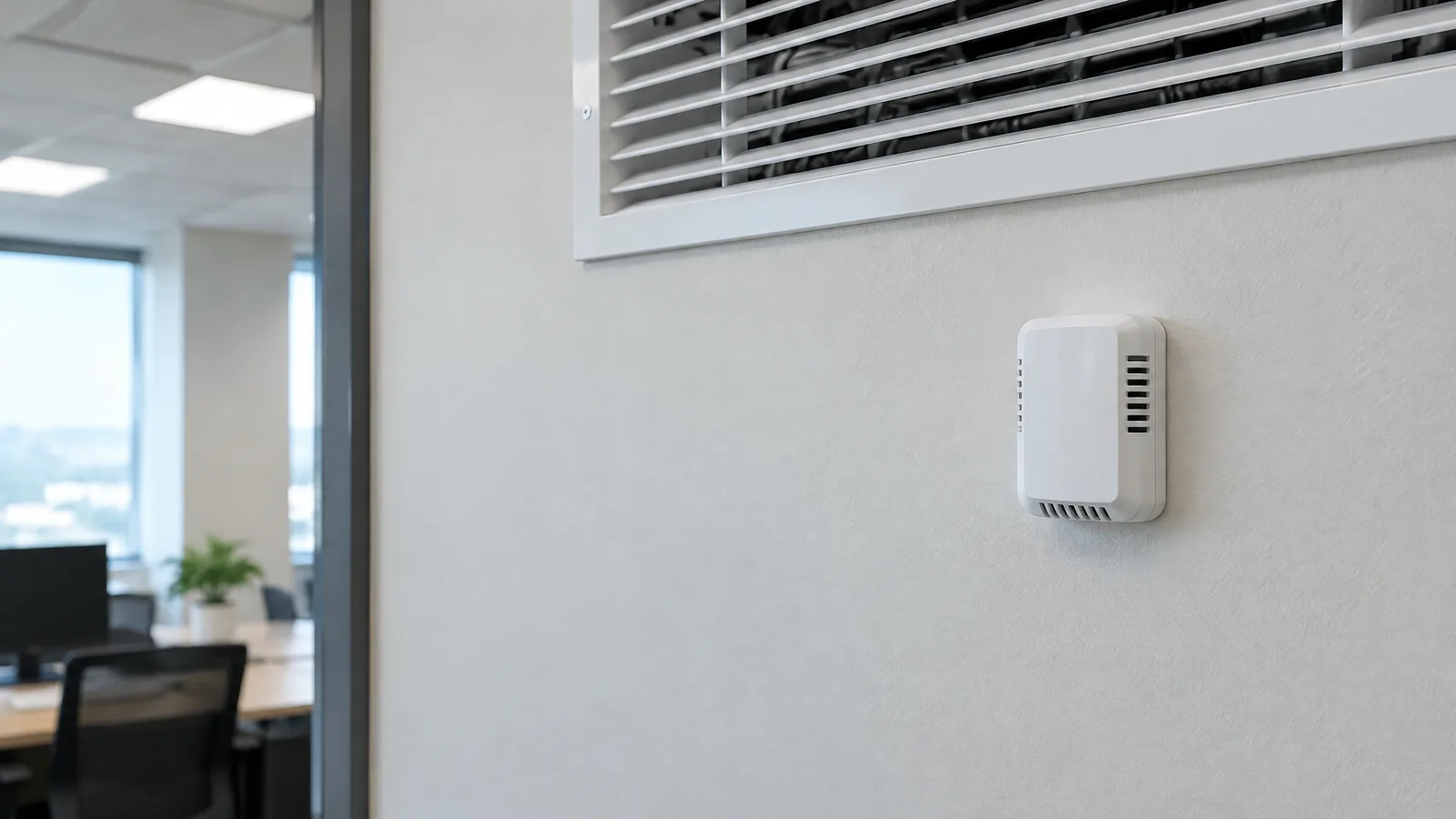
An HVAC zone temperature sensor measures local room or air temperature for building monitoring and control, but its placement and system design determine what the reading really tells you.