
 Guide
B4A Spinner: A Complete Guide to Using Spinner in Basic4Android
Build a clear single-choice form, understand the native event, and keep loading and selection logic separate.
Build systems
Independent software engineering guides covering architecture, development lifecycles, testing, APIs, delivery systems, documentation, and technical debt.
GuideBuild a clear single-choice form, understand the native event, and keep loading and selection logic separate.
 Explainer
Separate the reported stable Galaxy S23 One UI 9 rollout from India availability, beta-device evidence and the update shown on your own phone.
 Explainer
A practical Nothing OS guide for checking your version, using the official update route, protecting important data and knowing when an update is not for your phone yet.
 Explainer
An OriginOS announcement is not a delivery date for every iQOO or vivo phone. Use the exact model, current build and official India update route to check safely, then know when to wait or ask support.
 Explainer
Check whether your Samsung Galaxy has a stable One UI update, record the installed build and security patch, and use safe fixes if the update screen shows nothing new.
 Explainer
iCloud Backup is for restoring an iPhone or iPad, while iCloud sync keeps supported information current across devices. Here is what that means for photos, messages, settings and a safe recovery plan.
 Explainer
Hotstar not working? Use this safe, step-by-step check for JioHotstar sign-in, buffering, app and device problems before contacting support.
 Explainer
Set up Google Calendar sync across your devices, choose the right sharing permission, tune alerts and fix common problems without risky resets.
 Explainer
A safe, tablet-focused order for fixing Play Store downloads that stay pending, fail to start, will not install or will not update—without jumping straight to a reset.
 Explainer
Start with a quick diagnosis, then work through restart, Wi-Fi, updates, app support, sign-in and storage checks. Leave data-clearing and resets until you know what they remove.
 Explainer
Learn how AI infrastructure works, including GPUs, TPUs, NPUs, AI inference, memory, networking and the energy challenges behind modern AI systems.
 Explainer
AI agents explained: learn how agents plan and use tools, when multi-agent systems help, and why permissions and human review matter.
 Explainer
AI-Native Software Development: Coding Agents, Testing and Developer Risk
 Explainer
Learn what AI security platforms do, how they protect models, prompts, data and agents, and where guardrails, testing and human review still matter.
 Explainer
6G technology explained in plain English: IMT-2030, intelligent RAN, AI-native networks, India’s 6G roadmap, standards status and real trade-offs.
 Explainer
Satellite internet in India explained: learn how NTN and direct-to-device networks work, including coverage, latency, spectrum, device compatibility and limits.
 Explainer
Confidential Computing Explained: Protecting Data While It Is Being Used
 Explainer
Learn how digital provenance helps you verify the origin, history and integrity of software, data and AI content—plus its real limits.
 Explainer
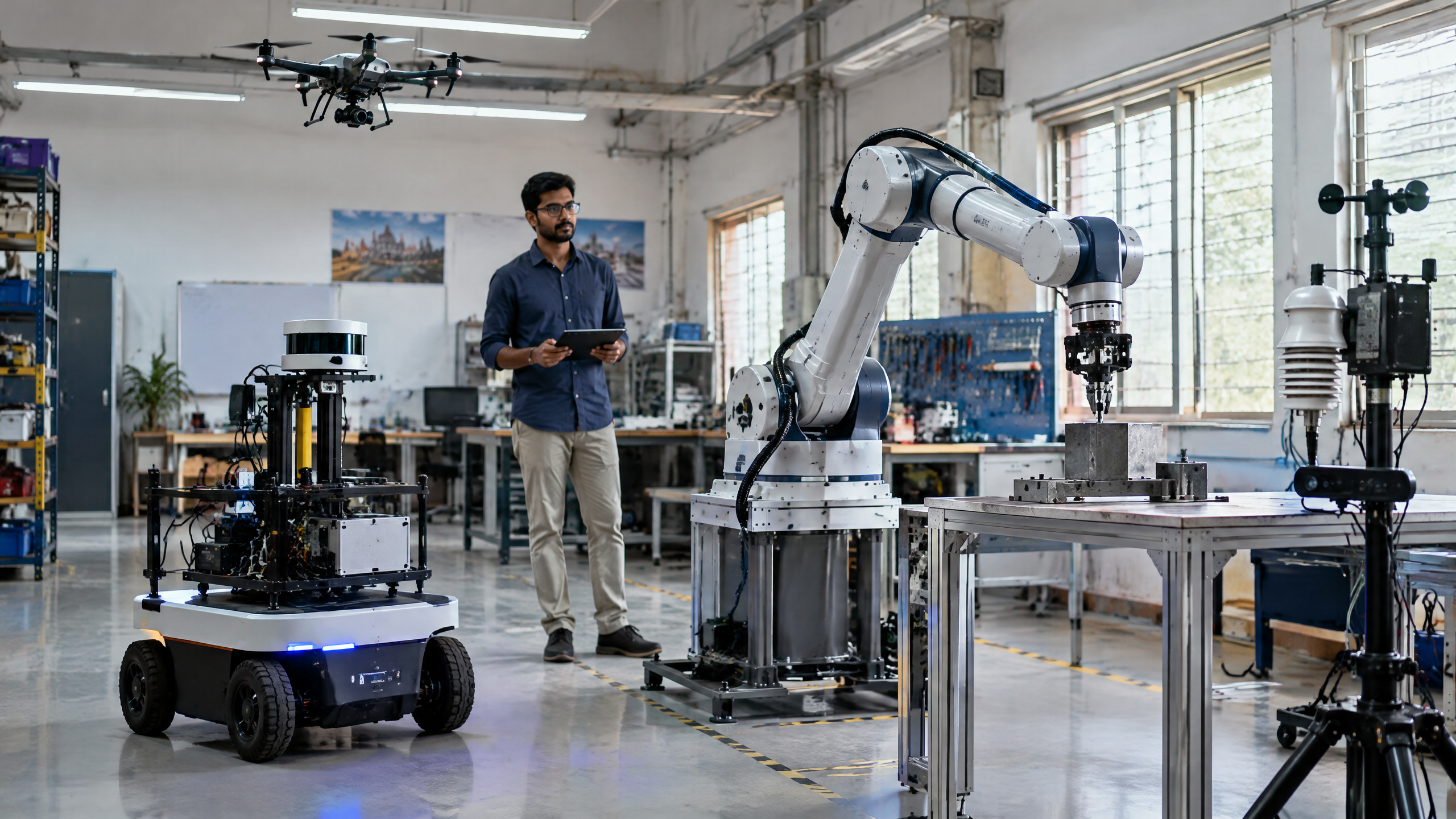
Physical AI connects AI software with robots, drones, sensors and controls. Learn how it works, where it is useful, its limits and the India context.
 Explainer
AI chips explained in plain English: how GPUs and AI accelerators use chiplets, HBM and advanced packaging for training and inference.
 Explainer
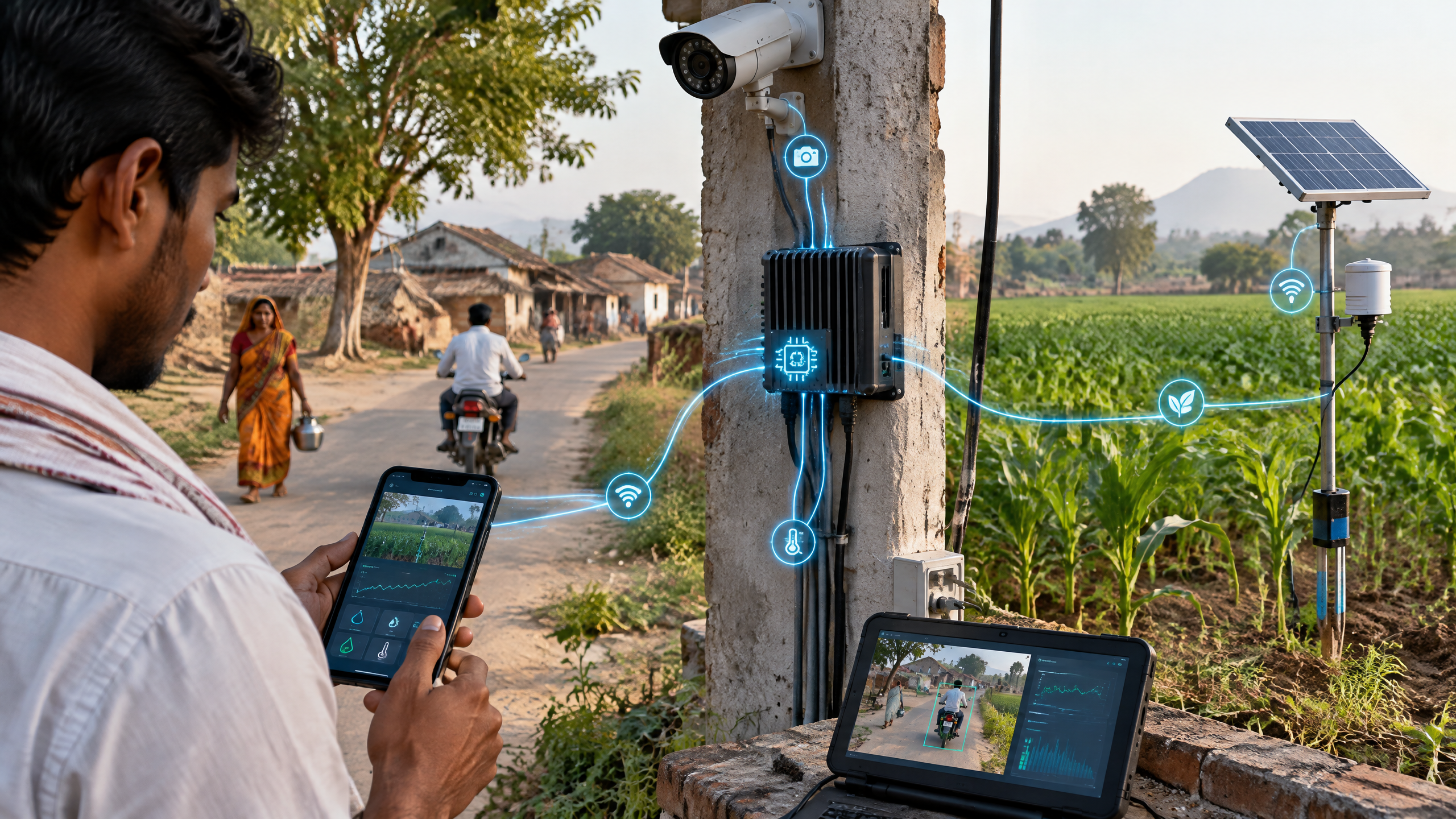
Edge AI explained: learn why some AI runs on phones, cameras and sensors, how it differs from cloud AI, and the trade-offs that matter in India.
 Explainer
Sovereign Cloud in India: Data Residency Explained
 Explainer
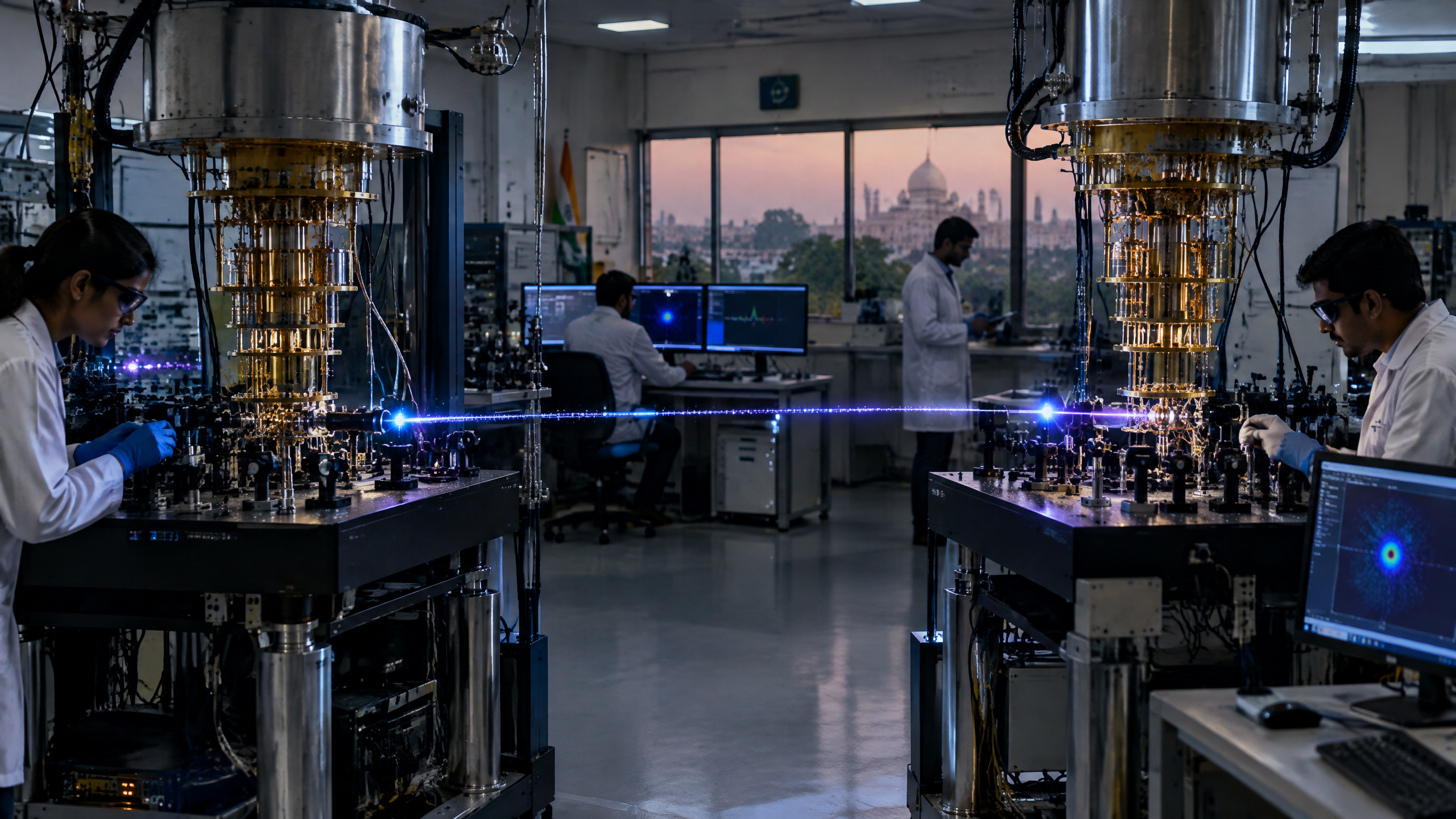
Quantum communication explained: how QKD works, why post-quantum cryptography matters, and the real-world limits, including India context.
 Explainer
AI for Scientific Discovery and Engineering: What It Can and Cannot Do
 Explainer
Learn how flight technology works, from aircraft sensors and avionics to autopilot, navigation, communications, air-traffic control and safety systems.
 Explainer
Learn how train technology works, including railway signalling, sensors, GPS, electrification, automatic train protection, Kavach and smart stations.
 Explainer
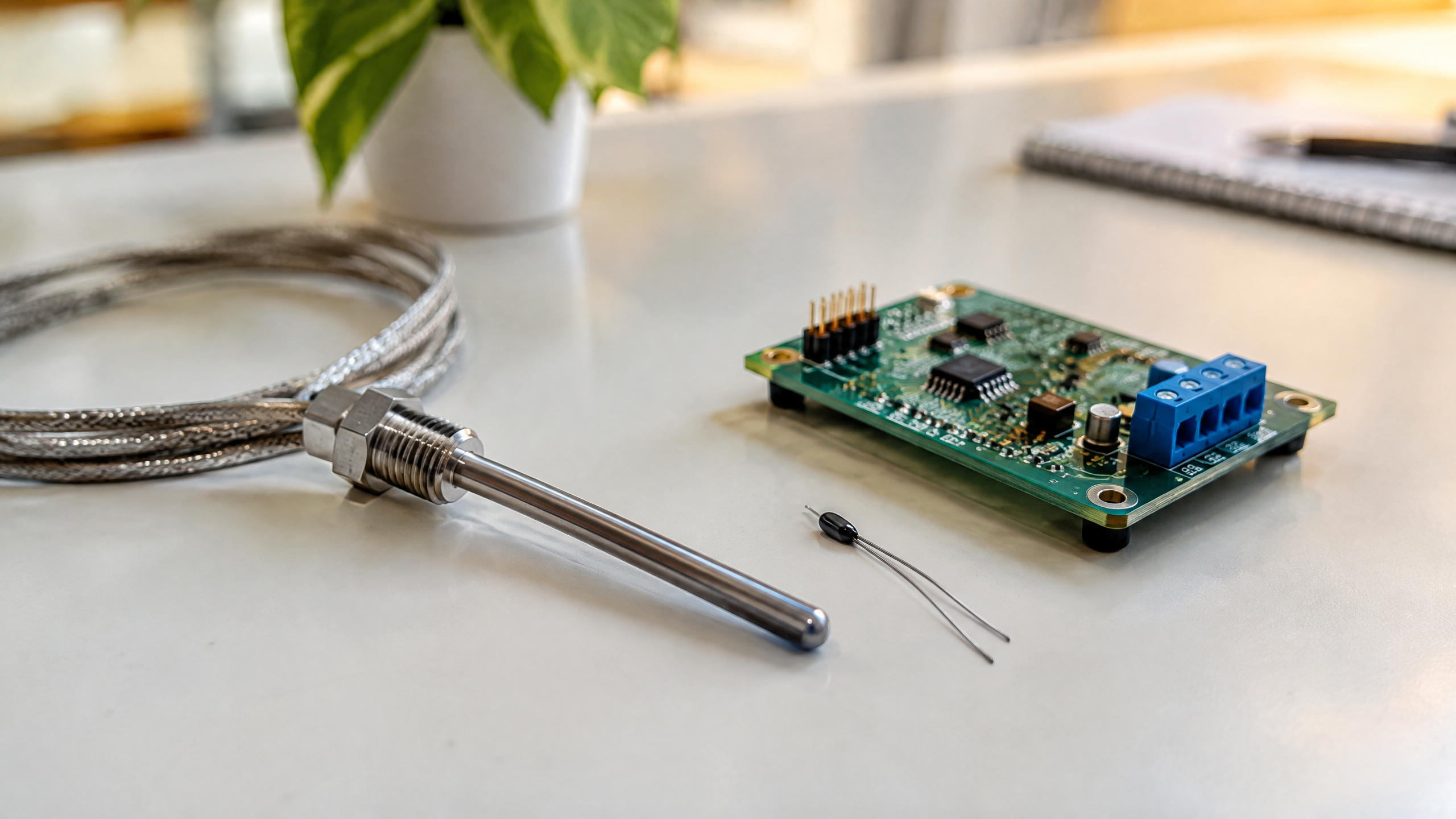
Learn how temperature sensors work, compare thermistors, RTDs and thermocouples, and choose the right type for Indian electronics projects.
 Explainer
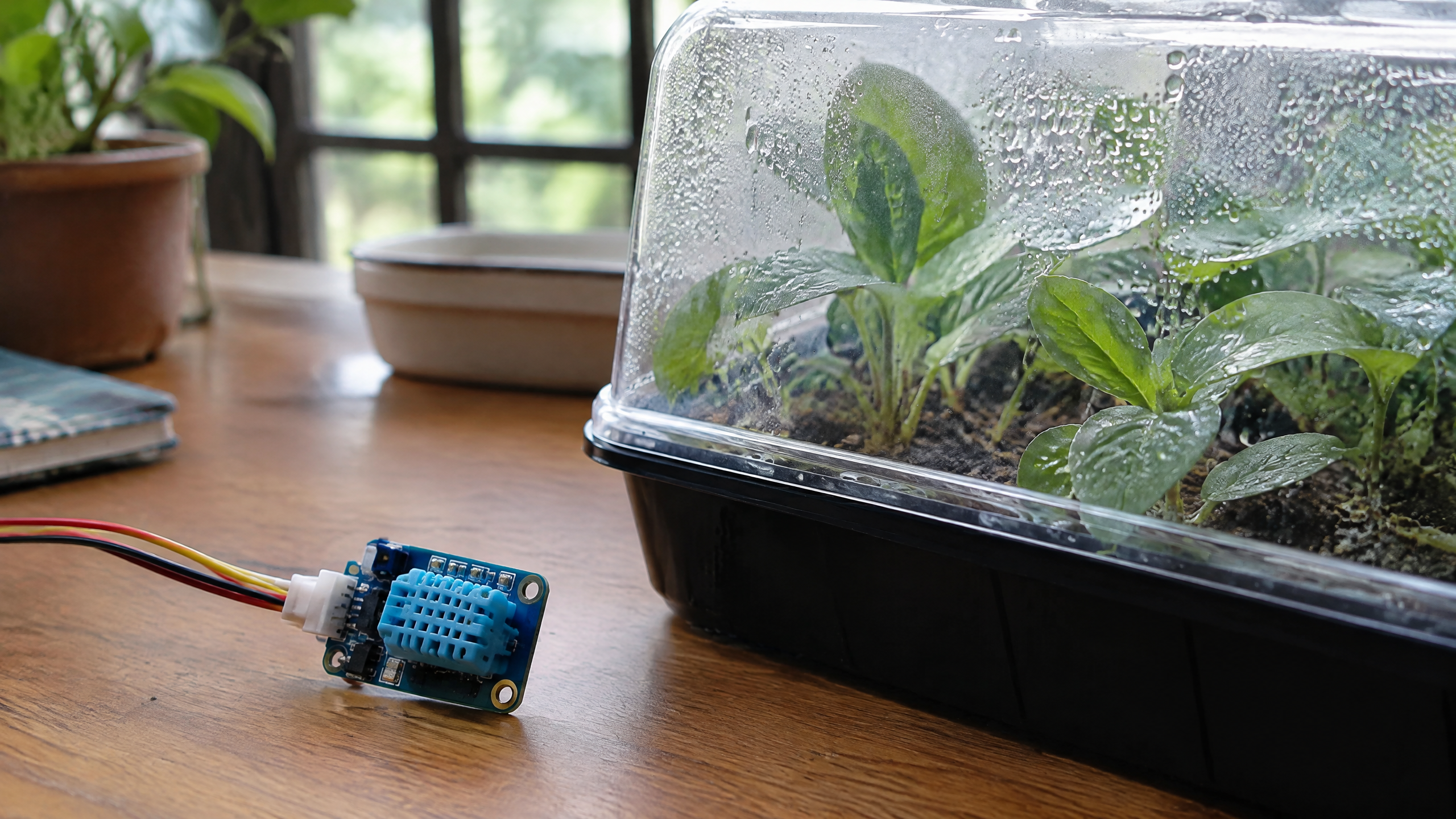
Learn what a humidity sensor measures, how capacitive and resistive types work, and why calibration, temperature and condensation affect readings.
 Explainer
Learn what a proximity sensor is, how inductive, capacitive, optical and ToF types work, and where they are used in Indian technology education.
 Explainer
Learn how a PIR motion sensor detects movement, why pyroelectric elements and Fresnel lenses matter, and its limits in Indian projects and homes.
 Explainer
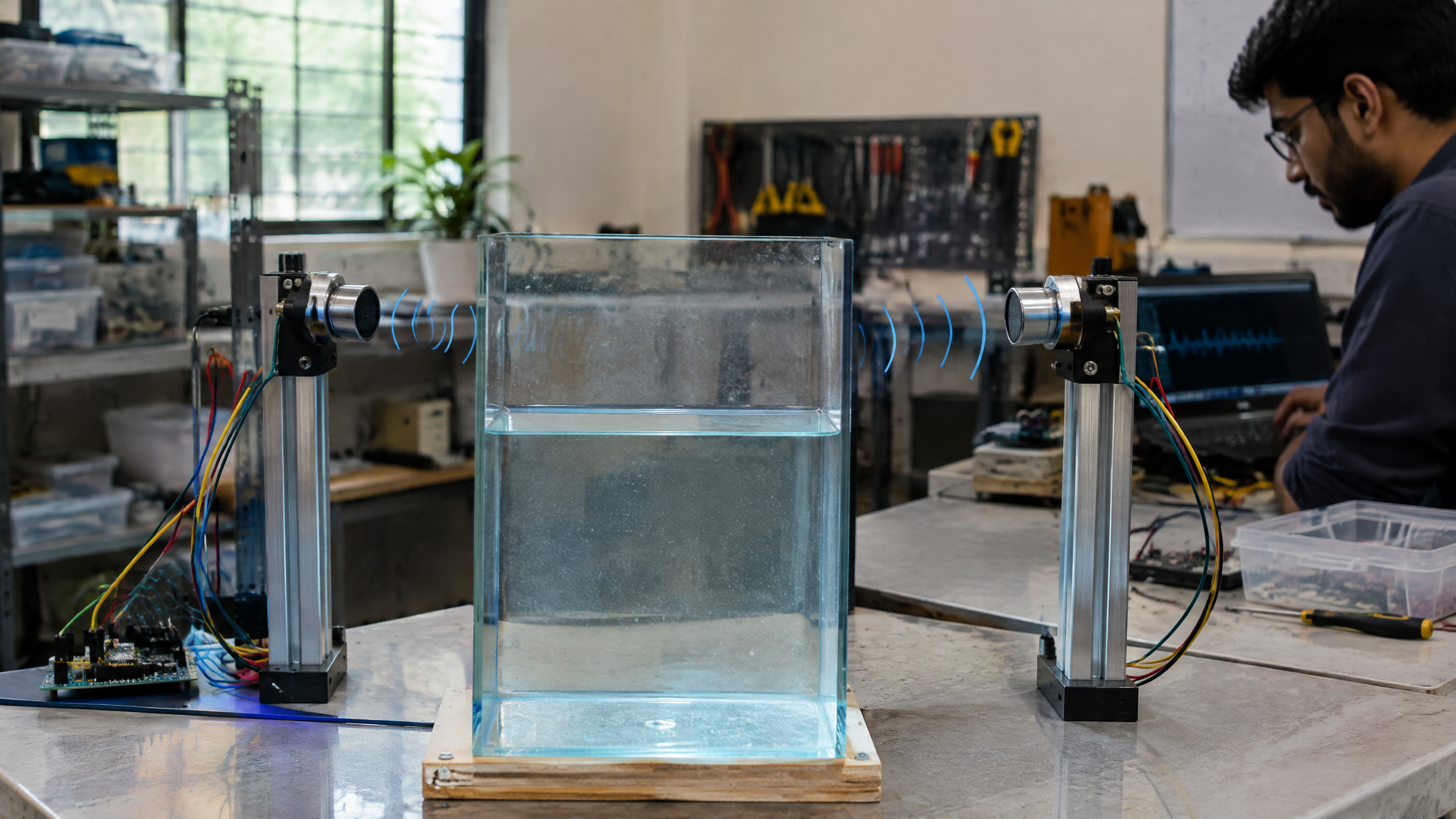
Learn how an ultrasonic sensor measures distance with sound, where it is used in India, and how temperature, surfaces and range affect accuracy.
 Explainer
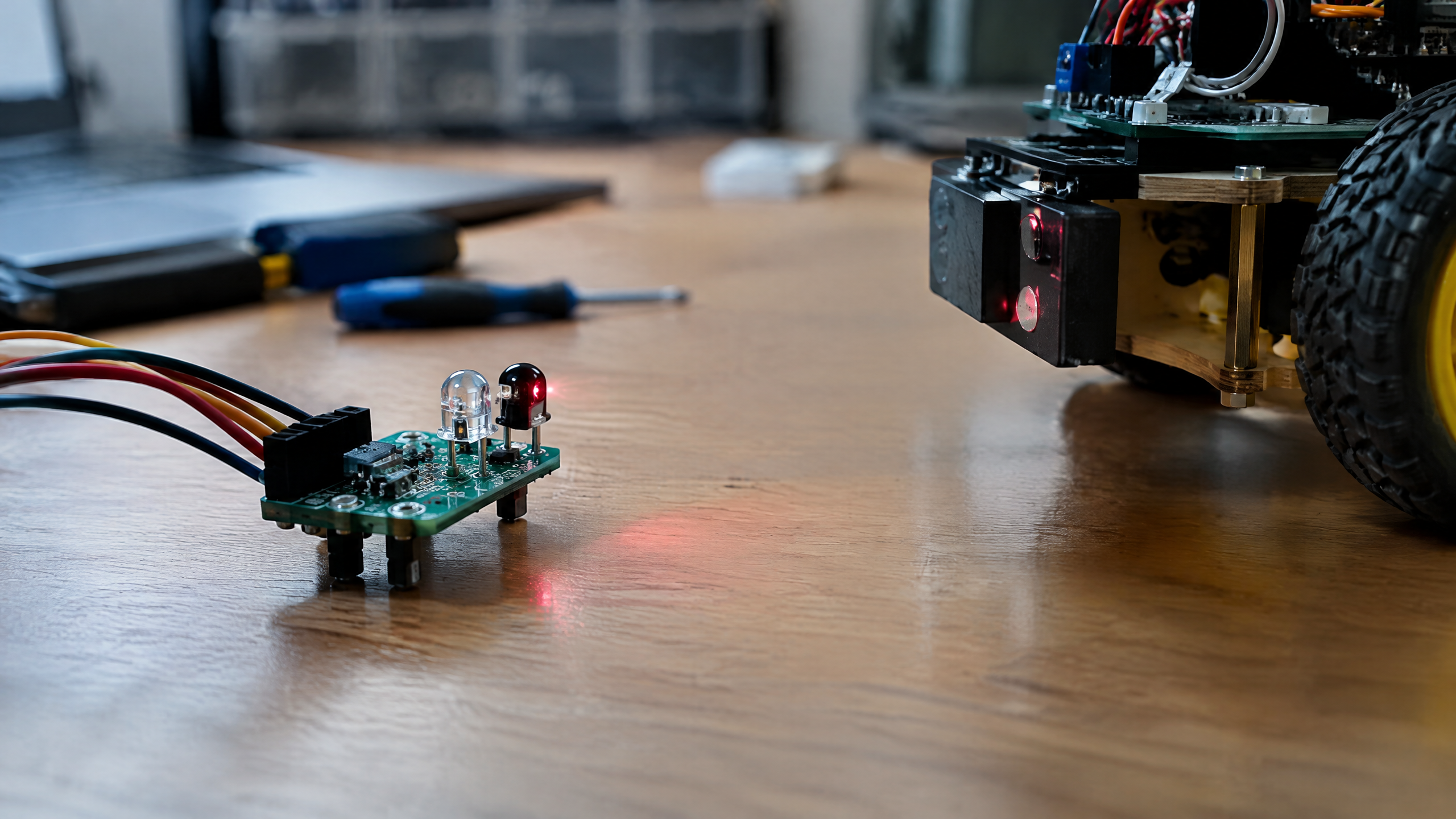
Learn what an IR sensor is, how its emitter and detector work, the main types, limits, and everyday applications in India.
 Explainer
Learn what a light sensor is, how LDRs and photodiodes turn light into electrical signals, and where light sensors are used in phones and automation.
 Explainer
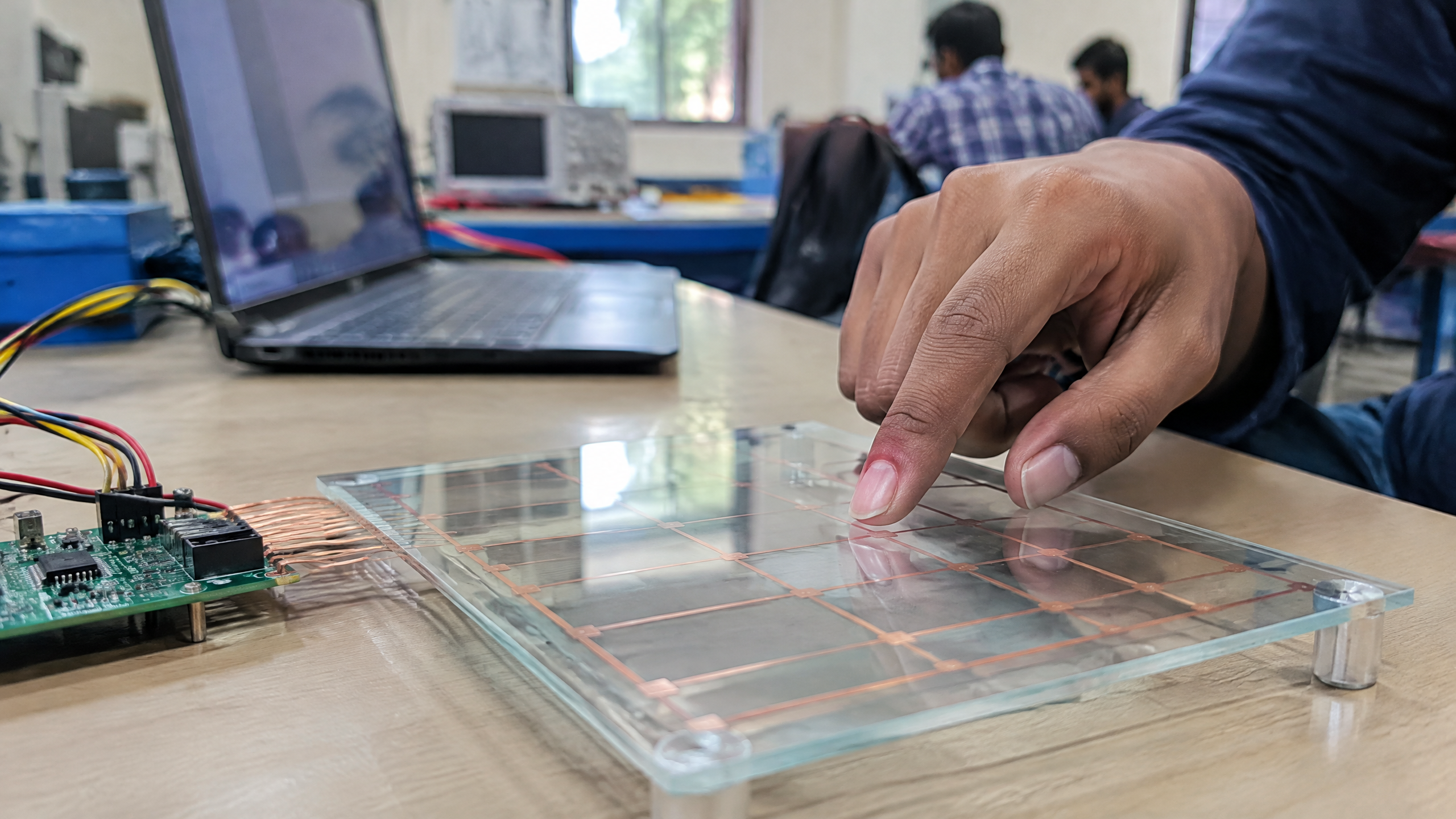
Learn what a touch sensor is, how capacitive and resistive touch work, and where phones, kiosks and other everyday devices use them.
 Explainer
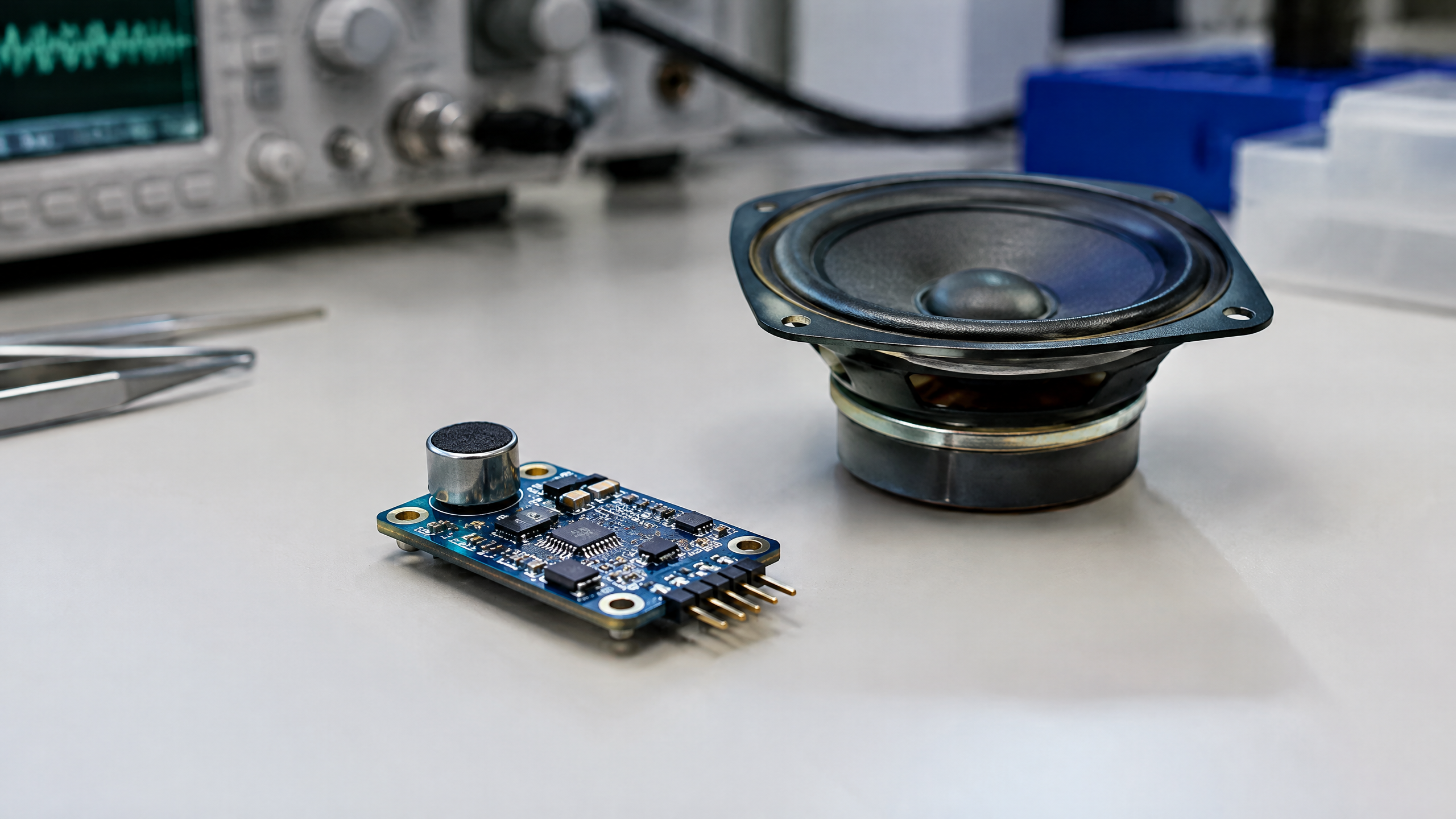
Learn what a sound sensor is, how a microphone turns sound into an electrical signal, its uses, limits and basic Arduino readings in India.
 Explainer
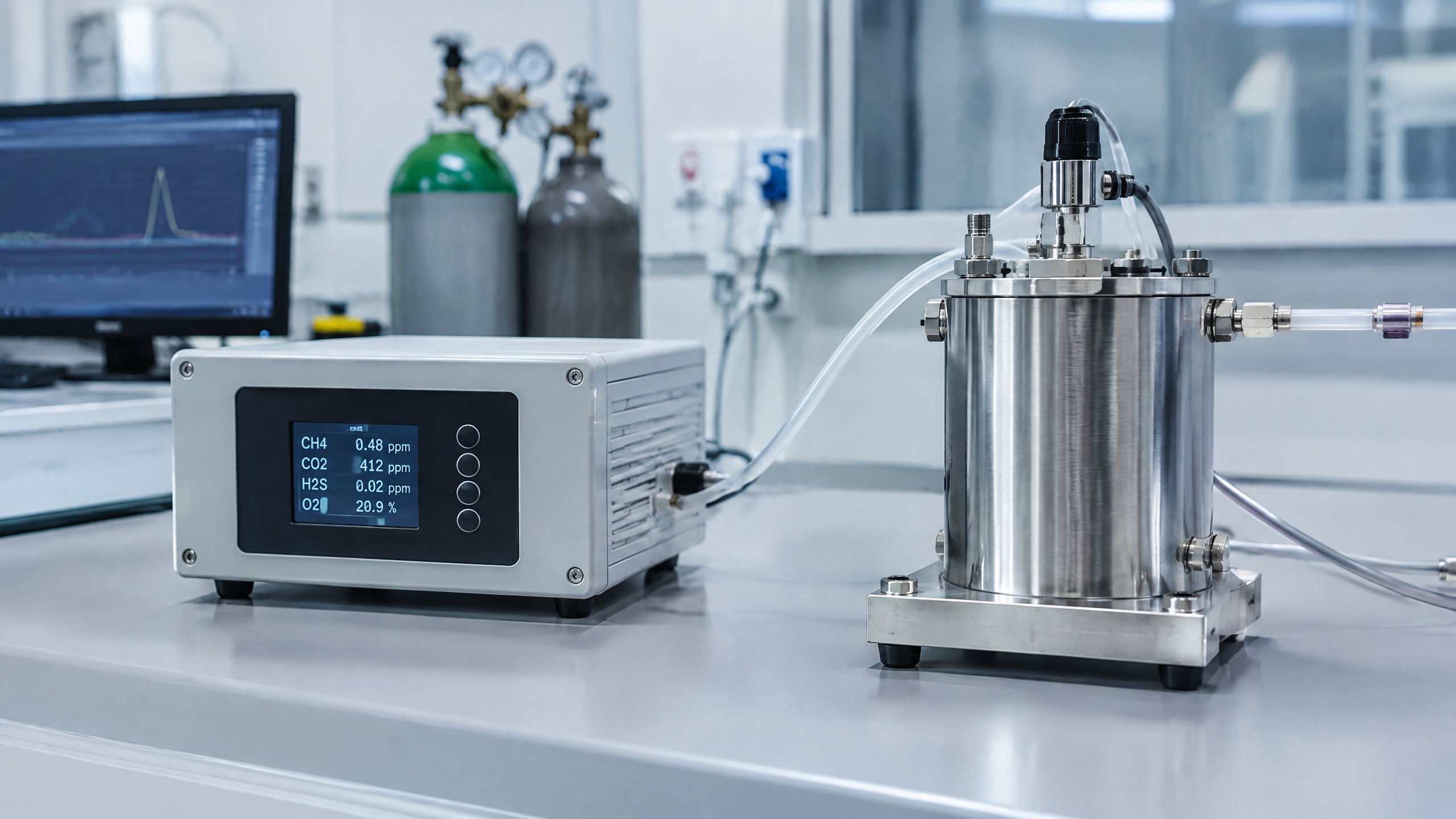
Learn how gas sensors detect gases, compare electrochemical, semiconductor and NDIR types, and understand calibration, limits and real-world uses.
 Explainer
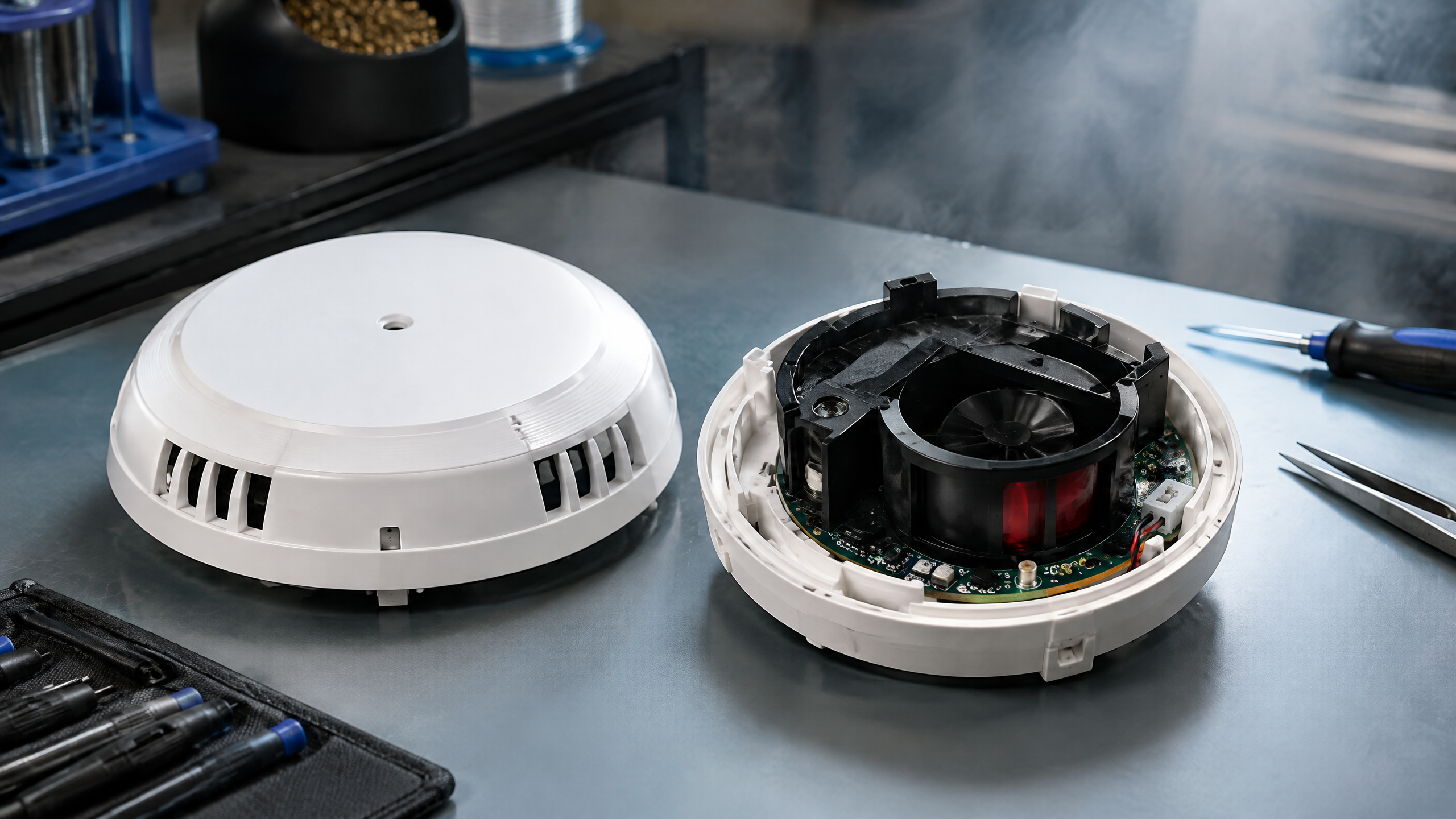
Learn how smoke sensors work, compare photoelectric and ionization types, and see why MQ-2 project modules are not the same as certified alarms.
 Explainer
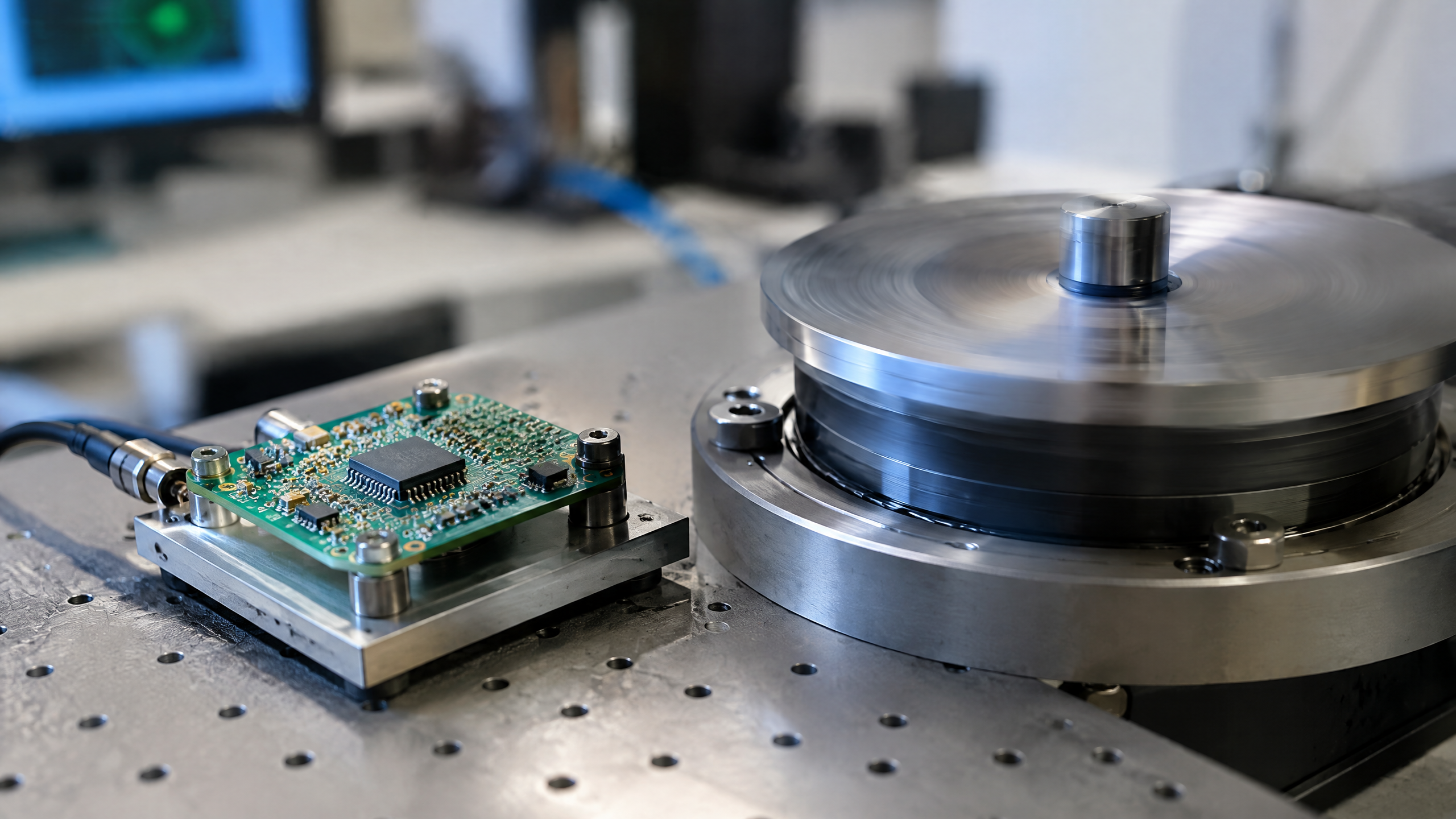
Learn what an accelerometer measures, how MEMS sensors detect motion and tilt, and why phones, cars and wearables use them.
 Explainer
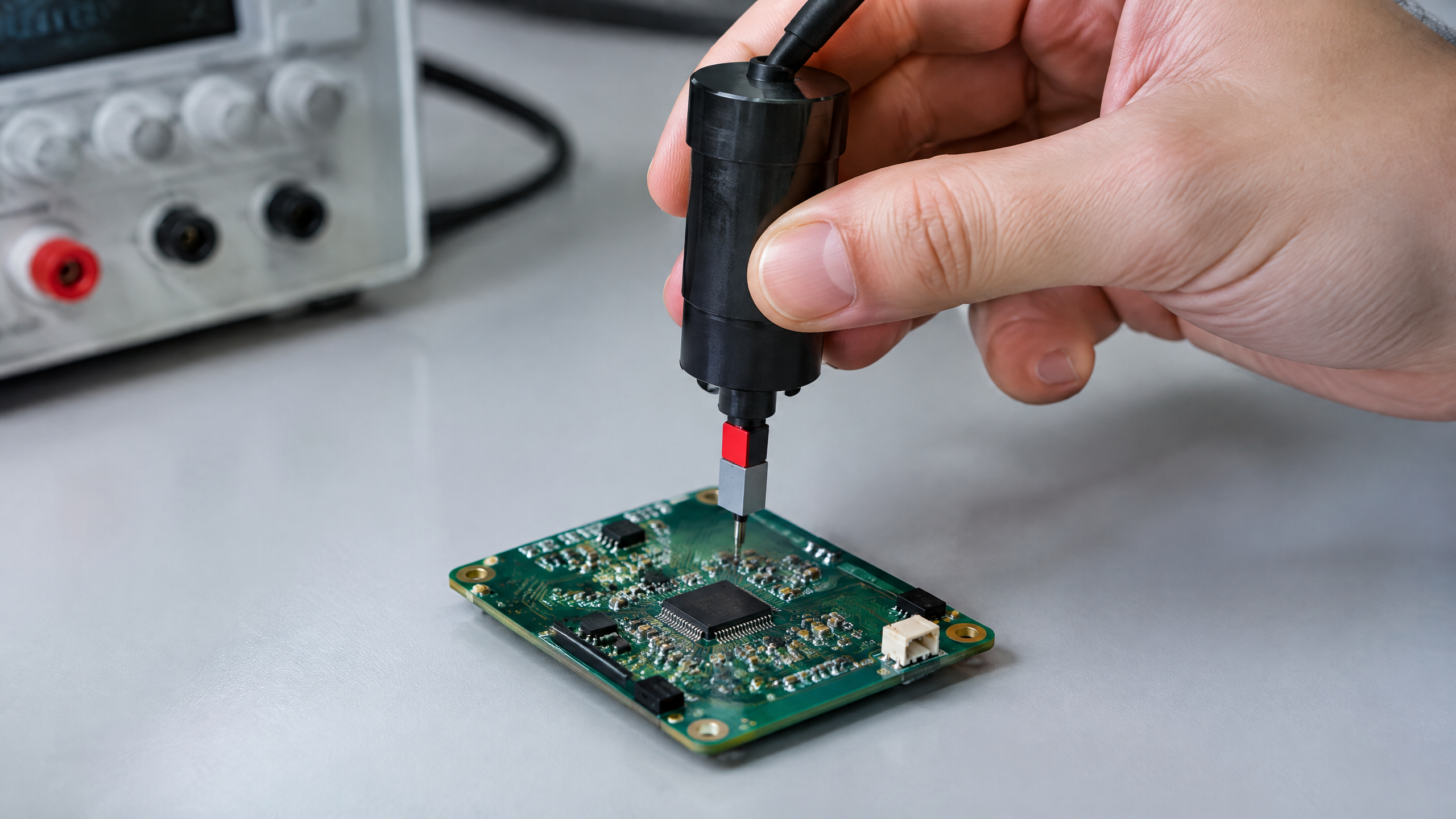
Learn what a gyroscope measures, how MEMS gyroscopes use the Coriolis effect, and why phones, vehicles and ISRO systems rely on them.
 Explainer
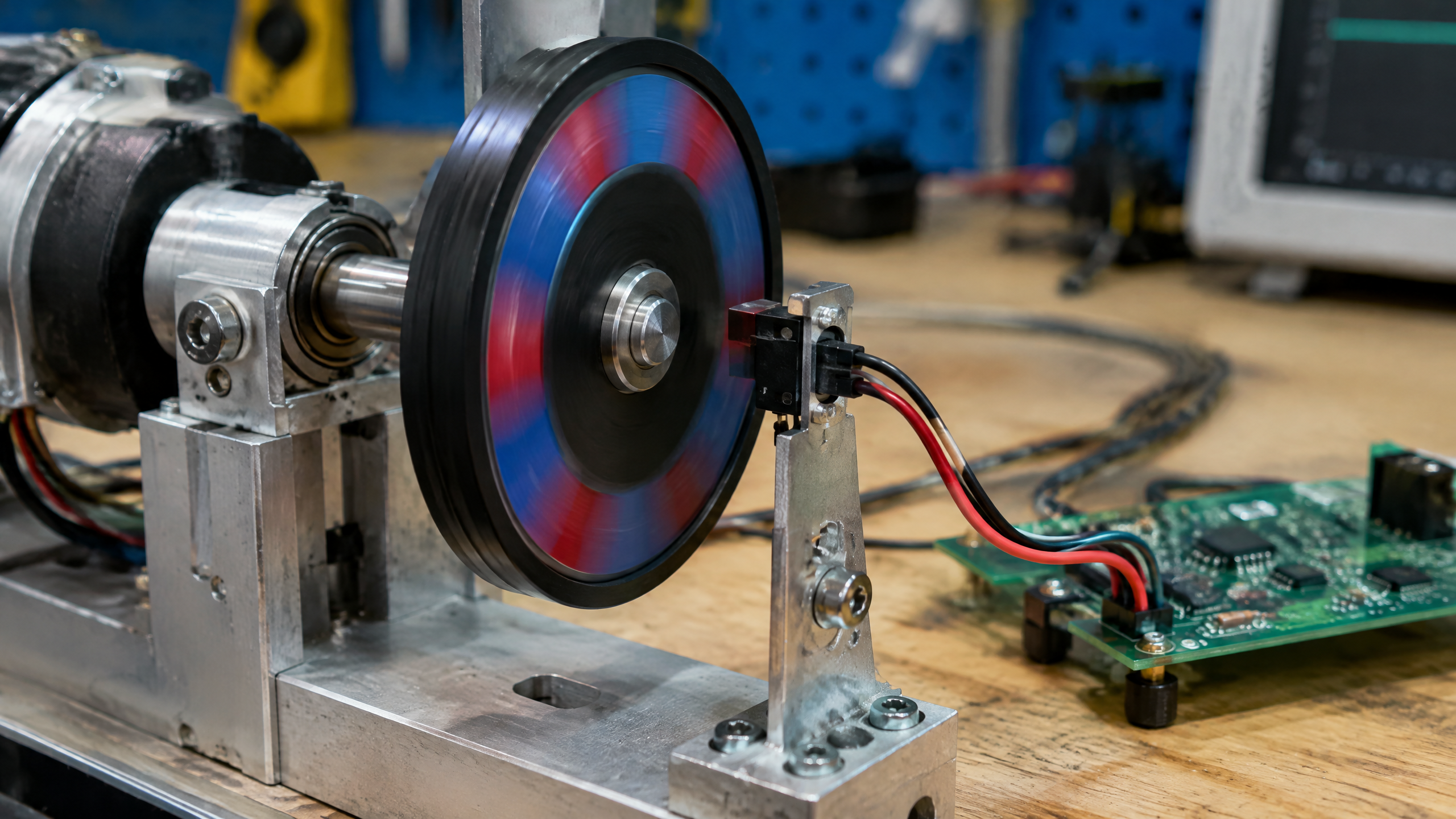
Learn how magnetic sensors work, from Hall-effect switches to magnetometers, with types, applications and India-relevant examples.
 Explainer
Learn what a Hall effect sensor is, how Hall voltage detects magnetic fields, and how analog, digital, and Arduino uses work in India.
 Explainer
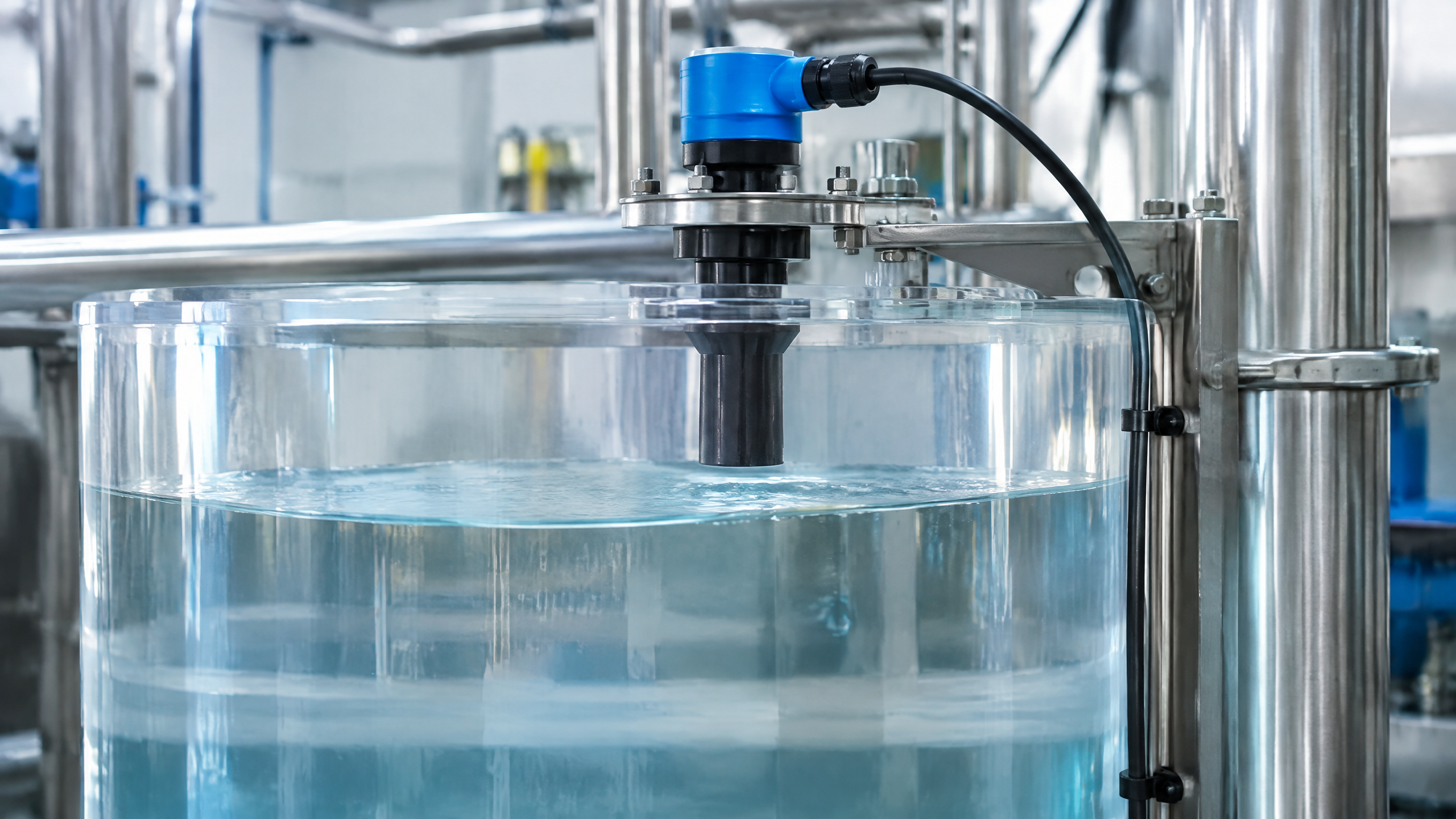
Learn what a level sensor is, how point and continuous measurement work, and when ultrasonic, radar, float and pressure methods fit.
 Explainer
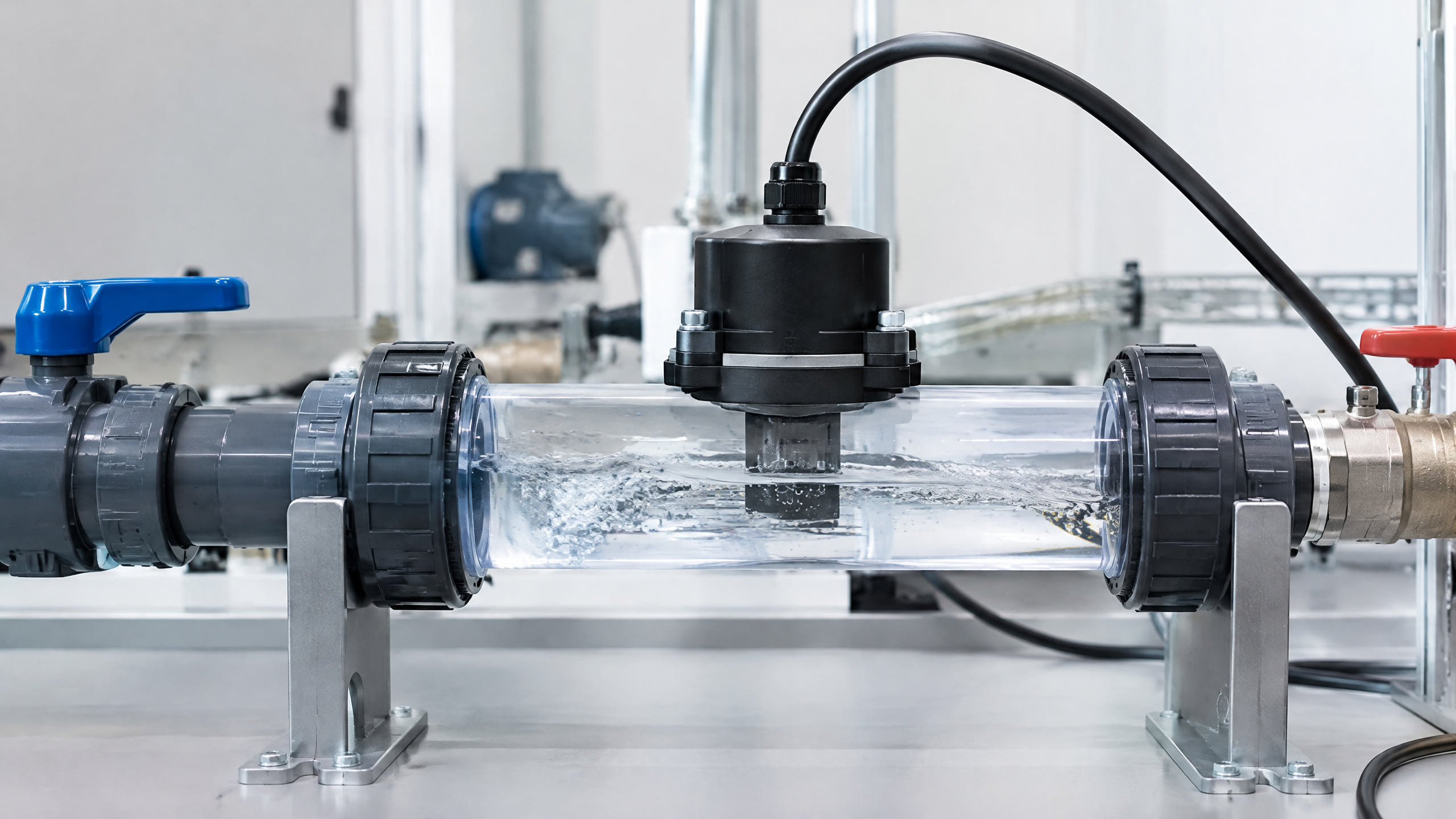
Learn what a flow sensor measures, how liquid and gas sensors work, key types, accuracy limits, and flow-meter examples for Indian learners.
 Explainer
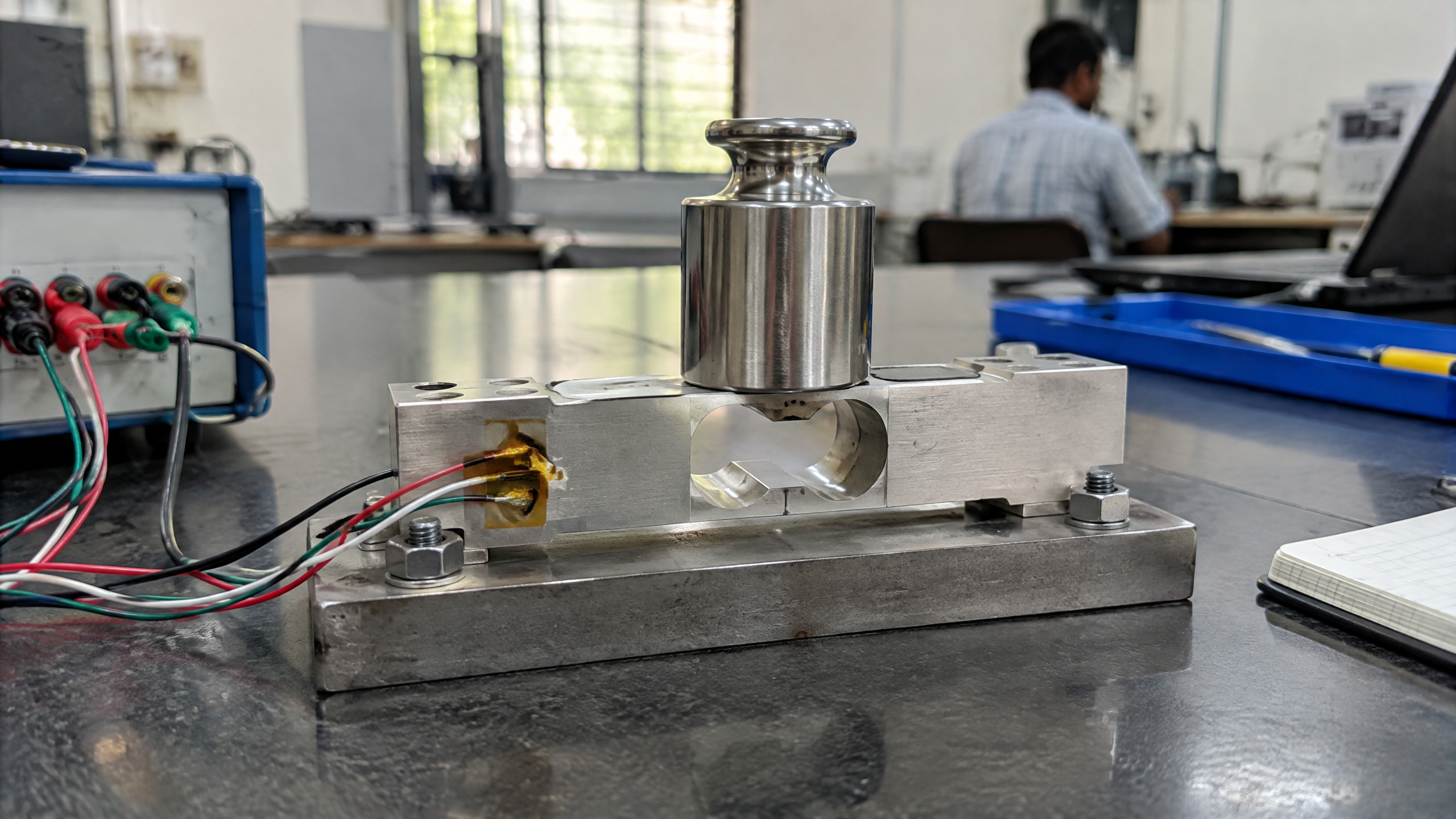
Learn what a force sensor is, how strain gauges and load cells measure force, key sensor types, calibration basics and practical uses in India.
 Explainer
Learn how soil moisture sensors measure water, compare sensor types, and support smarter irrigation and farming decisions in India.
 Explainer
UPI Circle lets a trusted secondary user make UPI payments from a primary user’s account, with approvals or a set monthly limit. Learn how it works.
 Explainer
Learn how DigiLocker issued documents differ from personal uploads, how consent-based sharing works, and what to check before verification in India.
 Explainer
Learn what ABHA health records can share in India, how consent works, how to create an account, and why provider participation still matters.
 Explainer
Understand eSanjeevani’s patient-to-doctor and assisted telemedicine routes in India, what to check before a consultation, and when in-person care matters.
 Explainer
Learn how e-Courts services in India help people check case status, find orders and cause lists, use e-Filing, and understand local limits.
 Explainer
Understand APAAR ID in India: how it links academic records with DigiLocker and ABC, how students access it, and what it does not guarantee.
 Explainer
What is an AgriStack Farmer ID? Learn how India’s Farmer Registry may link land records to farm services, why state rules matter, and what it does not guarantee.
 Explainer
Learn how ONDC India Post logistics works for participating small sellers, from Click & Book pickup and tracking to availability checks.
 Explainer
Learn what India’s DIGIPIN code represents, how to find it, how it differs from a PIN code and postal address, and when it may be useful.
 Explainer
Understand PM-WANI public Wi-Fi in India: what a PDO and PDOA do, how compatible apps find hotspots, how payment works and why availability varies.
 Explainer
Learn how UMANG app services help people find participating central, state and local government services in India, plus limits, CSC assistance and privacy checks.
 Explainer
India’s DPDP Rules 2025 explained: what notices, consent withdrawal, future data rights and grievance routes mean, and when key rules start.
 Explainer
India’s Online Gaming Rules 2026 are in force. Understand money games, e-sports, social games, safety features and complaints.
 Explainer
MY Bharat platform connects Indian youth with volunteering, experiential learning and events. Learn how to register, find listings and check eligibility.
 Explainer
OneTag is designed to let eligible NETC FASTag users change issuer bank while retaining the vehicle’s physical tag, Tag ID, and registration number; participation, verification, and availability details still matter.
 Guide
An evidence-led guide to treating indexes as candidate access paths rather than automatic performance fixes.
 Guide
A practical guide to making duplicate delivery, partial failure, and ordering scope explicit in event-driven software.
 Analysis
A grounded analysis of what WebAssembly standardizes, what hosts still decide, and how to evaluate server or edge adoption.
 Guide
How teams can turn compatibility promises into machine-checked API contracts instead of relying on version labels alone.
 Guide
A service-boundary guide to keeping traces connected across synchronous calls, asynchronous work, and trustedness changes.
 Explainer
An explainer on the complementary evidence provided by software bills of materials and build provenance attestations.
 Analysis
A practical analysis of feature flags as controlled change mechanisms that require decisions, metrics, rollback, and retirement.
 Analysis
Both languages can produce fast, dependable services. The better choice depends on memory constraints, concurrency patterns, team experience, and operational risk.
 Explainer
Parsing, style calculation, layout, painting, compositing, and JavaScript execution form a pipeline that web developers can measure and improve.