Flight Technology Explained: How Aircraft Systems Work Together explains the technology in plain English and separates onboard systems from the wider transport network.
This article is part of the software engineering technologies guide library.
What is flight technology?
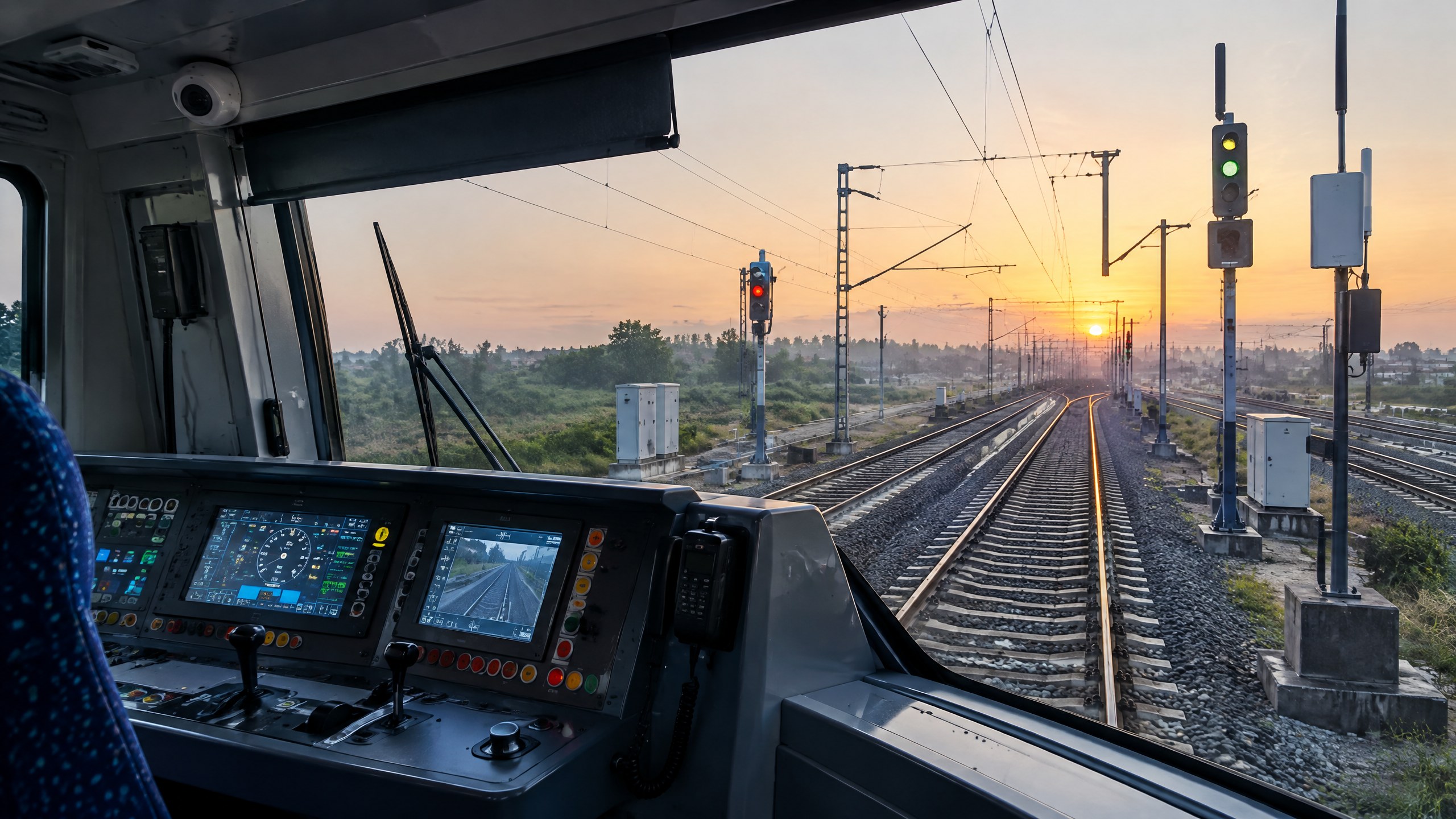
Flight technology includes the equipment used inside an aircraft and the systems used around it. Inside the aircraft, this includes avionics, flight-control computers, navigation equipment, weather radar, radio systems, engine monitoring and cockpit displays. Outside the aircraft, it includes air-traffic surveillance, communication networks, airport surface systems and weather information.
That distinction matters. An aircraft can have excellent onboard equipment, but a flight still depends on airspace procedures, airport infrastructure, maintenance, weather information and trained people. Modern flying is a connected system, not a single piece of automation.
How does aircraft technology work?
A flight system usually follows this loop:
Sensors observe conditions. Air-data sensors measure pressure and temperature. Inertial sensors detect movement and rotation. Radio and satellite-based systems help estimate position.
Computers combine the readings. The aircraft compares inputs, filters noise and presents useful information on cockpit displays or to control computers.
Pilots and control systems respond. The crew can change thrust, pitch, roll and heading. Automatic control can assist with selected tasks within approved operating limits.
The aircraft communicates its situation. Radios, transponders and digital data systems share information with air-traffic services and other parts of the operation.
Ground systems add context. Controllers, weather systems, airport surface tools and traffic-management software help create a safe operating picture.
A sensor reading is not automatically the truth. Its quality depends on installation, calibration, redundancy, software logic and the way the system checks it against other inputs.
The main parts of flight technology
Avionics: the aircraft’s electronic nervous system
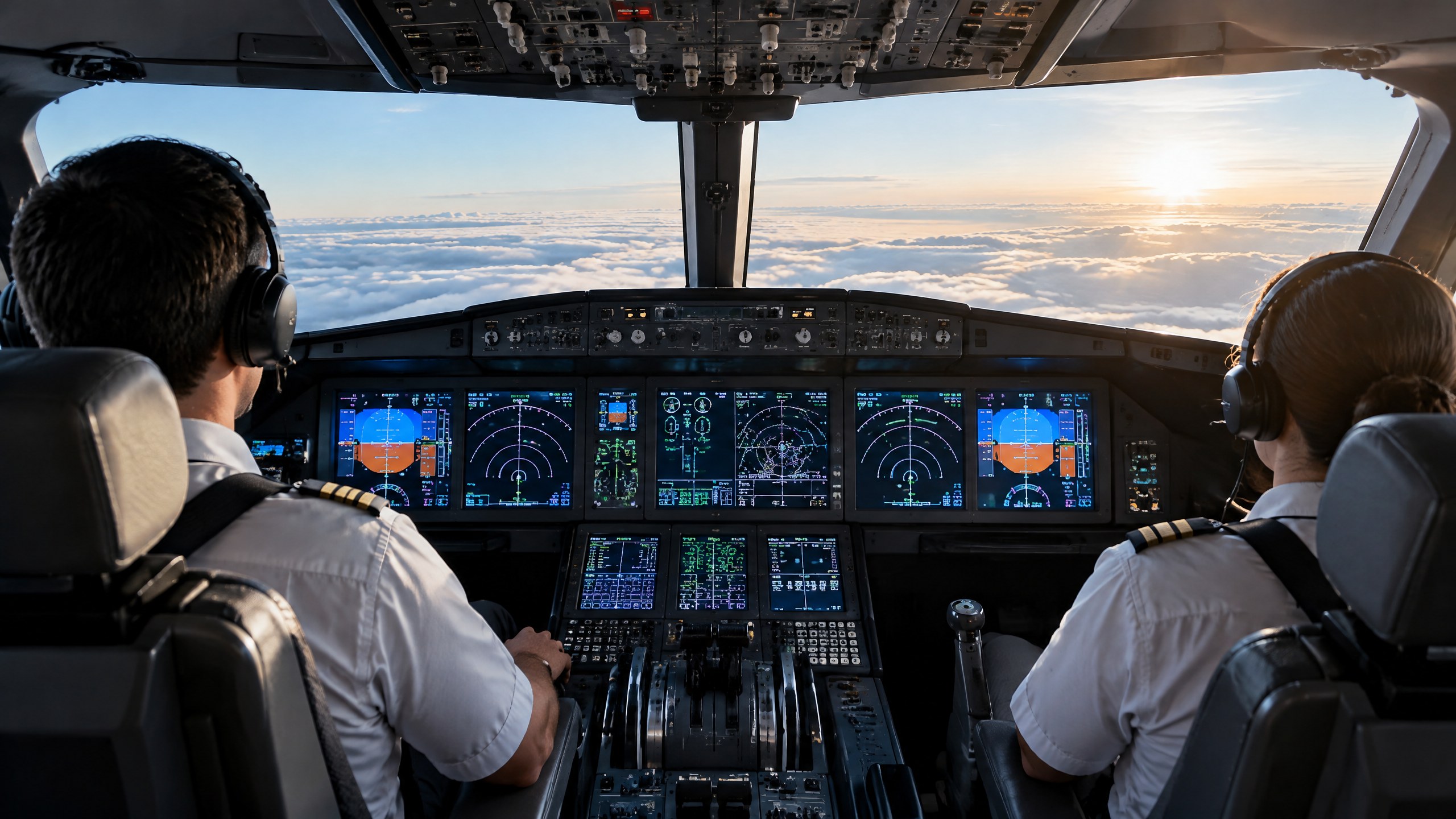
Avionics means the electronic systems used in aviation. It covers cockpit displays, communications, navigation, surveillance, flight management and equipment monitoring. A modern cockpit may show attitude, altitude, airspeed, route information, weather returns, terrain or traffic alerts on integrated displays.
The benefit is not simply having more screens. Integrated avionics can reduce the time a pilot spends collecting information from separate instruments. At the same time, the crew must understand the limits of each display and recognise when a sensor or data source is unreliable.
Aircraft sensors
Aircraft sensors measure both the aircraft and the air around it. Examples include:
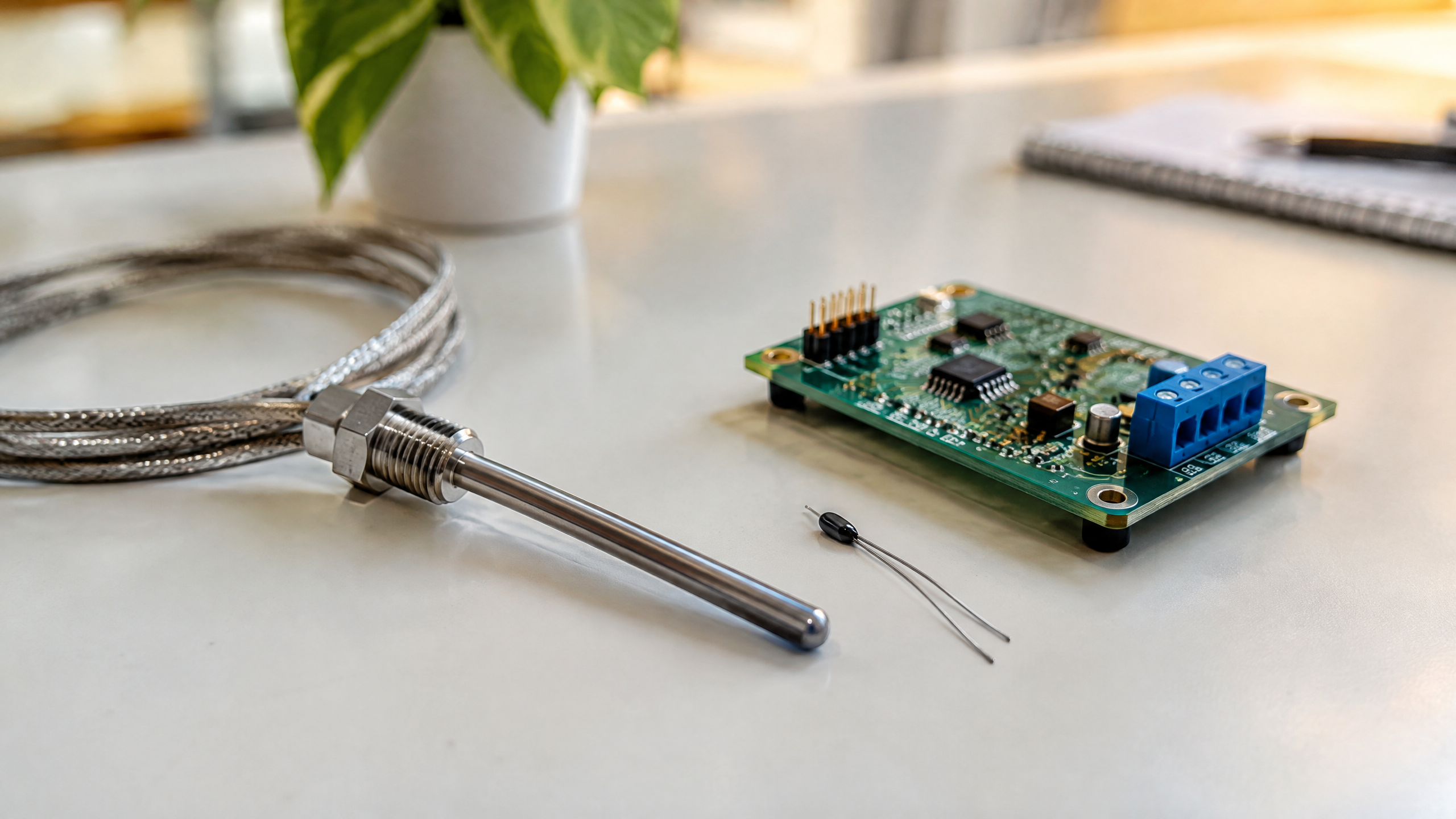
Air-data sensors: pressure and temperature measurements support airspeed, altitude and related calculations.
Inertial sensors: accelerometers and gyroscopes help estimate movement, attitude and rotation.
Position sensors: satellite navigation, radio navigation and inertial systems can contribute to position estimation.
Engine sensors: temperature, pressure, speed and vibration readings help the aircraft monitor propulsion systems.
Weather sensors: airborne weather radar helps the crew identify precipitation and avoid unsuitable conditions; it is not a crystal ball for every hazard.
The system often uses more than one source because a single failed or inaccurate input should not silently control the aircraft’s picture of the world.
Flight-control technology
The pilot’s inputs reach control systems through mechanical, hydraulic, electrical or computer-assisted paths, depending on the aircraft design. Flight-control computers can interpret inputs and apply control laws that help keep the aircraft within its permitted operating envelope.
This is where the phrase fly-by-wire is useful. In a fly-by-wire aircraft, electrical signals and computers are part of the command path between the pilot’s controls and the aircraft’s control surfaces. That does not mean the aircraft flies without a pilot. It means software and hardware help translate commands, monitor conditions and manage the response.
Autopilot technology
Autopilot is an automatic flight-control function, not a replacement for the flight crew. Depending on the aircraft and phase of flight, it may help maintain a heading, altitude, speed or planned route. The exact functions available depend on the aircraft, software, procedures and operating conditions.
A useful passenger-level explanation is this: the autopilot can repeatedly make small control adjustments based on selected targets and sensor inputs. Pilots still monitor the aircraft, manage the flight and decide when automation should be used or disconnected. Automation can reduce workload, but it does not remove the need for judgement.
Navigation and communication
An aircraft navigation system helps estimate where the aircraft is and where it should go. It may combine satellite navigation, inertial reference, radio navigation and route data. Pilots also use charts, procedures and controller instructions; no single navigation source should be treated as infallible.
Communication systems connect the crew with air-traffic services and company operations. Voice radio remains important, while digital data systems can exchange selected flight information more efficiently. The FAA’s NextGen programme is an example of a broader airspace-modernisation approach covering communications, navigation, surveillance, automation and information management.
How flight technology supports safety
Safety comes from layers. A safe operation can involve aircraft redundancy, flight-crew cross-checks, checklists, maintenance inspections, air-traffic separation, weather information, airport lighting and emergency procedures.
A warning system may alert the crew to traffic, terrain, unstable approach conditions or an aircraft-system issue. The warning is useful only when the crew can understand it, verify the situation and follow the correct procedure. Technology supports safety; it does not make risk disappear.
Indian aviation also operates in varied conditions, including monsoon weather, high-density airport environments and long domestic routes. That makes accurate weather information, reliable communications, maintenance quality and clear operating procedures especially important. The specific equipment and rules vary by aircraft, operator and regulator.
Flight technology versus airport technology
These two areas overlap but are not identical:
What should I look for when learning aircraft technology?
Start with the system’s job rather than memorising component names. Ask: what is being measured, how is the information checked, who uses it, and what happens if the input is wrong?
That approach also helps you read aircraft diagrams and technology news without treating every new display or AI feature as a complete change to aviation. A new tool matters when it improves a defined task while fitting certification, procedures, training and maintenance requirements.
Frequently asked questions
What is flight technology in simple words?
Flight technology is the hardware and software that help an aircraft sense its condition, determine its position, communicate, move through the air and operate safely with support from pilots, maintenance teams, airports and air-traffic services.
What are avionics in an aircraft?
Avionics are the aircraft’s electronic systems. They include communication, navigation, surveillance, cockpit displays, flight-management equipment, monitoring systems and other electronic tools used during flight.
How does autopilot work in an airplane?
Autopilot compares selected targets, such as a heading or altitude, with sensor measurements and makes control adjustments to reduce deviations. Pilots monitor the system, manage the flight and remain responsible for using automation according to procedures and conditions.
What sensors are used in aircraft?
Aircraft can use air-data, inertial, position, engine, flight-control and weather-sensing equipment. The exact sensor set depends on the aircraft design and the function being measured.
Is an aircraft fully autonomous?
A conventional commercial aircraft is not the same as a fully autonomous vehicle. It may contain sophisticated automatic systems, but pilots, approved procedures, air-traffic services and maintenance teams remain part of the operating system.
Related reading
/article/temperature-sensor-types-working-principle
/article/pressure-sensor-working-principle-types
/article/accelerometer-explained
/article/gyroscope-explained
/article/flight-technology-explained
Source notes
Reporting record
techduopulse stores source destinations privately. Public notes remain non-clickable so every visitor journey stays on this website.
https://developers.google.com/search/docs/appearance/structured-data/article
Primary source · Research source 3https://www.faa.gov/nextgen
Primary source · Research source 1https://www.faa.gov/air_traffic/technology
Primary source · Research source 2https://developers.google.com/search/docs/fundamentals/creating-helpful-content
Primary source · Research source 4New explainer covering flight technology, practical context, limitations and verified sources.