Train Technology Explained: How Modern Railways Keep Moving Safely explains the technology in plain English and separates onboard systems from the wider transport network.
This article is part of the software engineering technologies guide library.
What is train technology?
Train technology covers two connected environments:
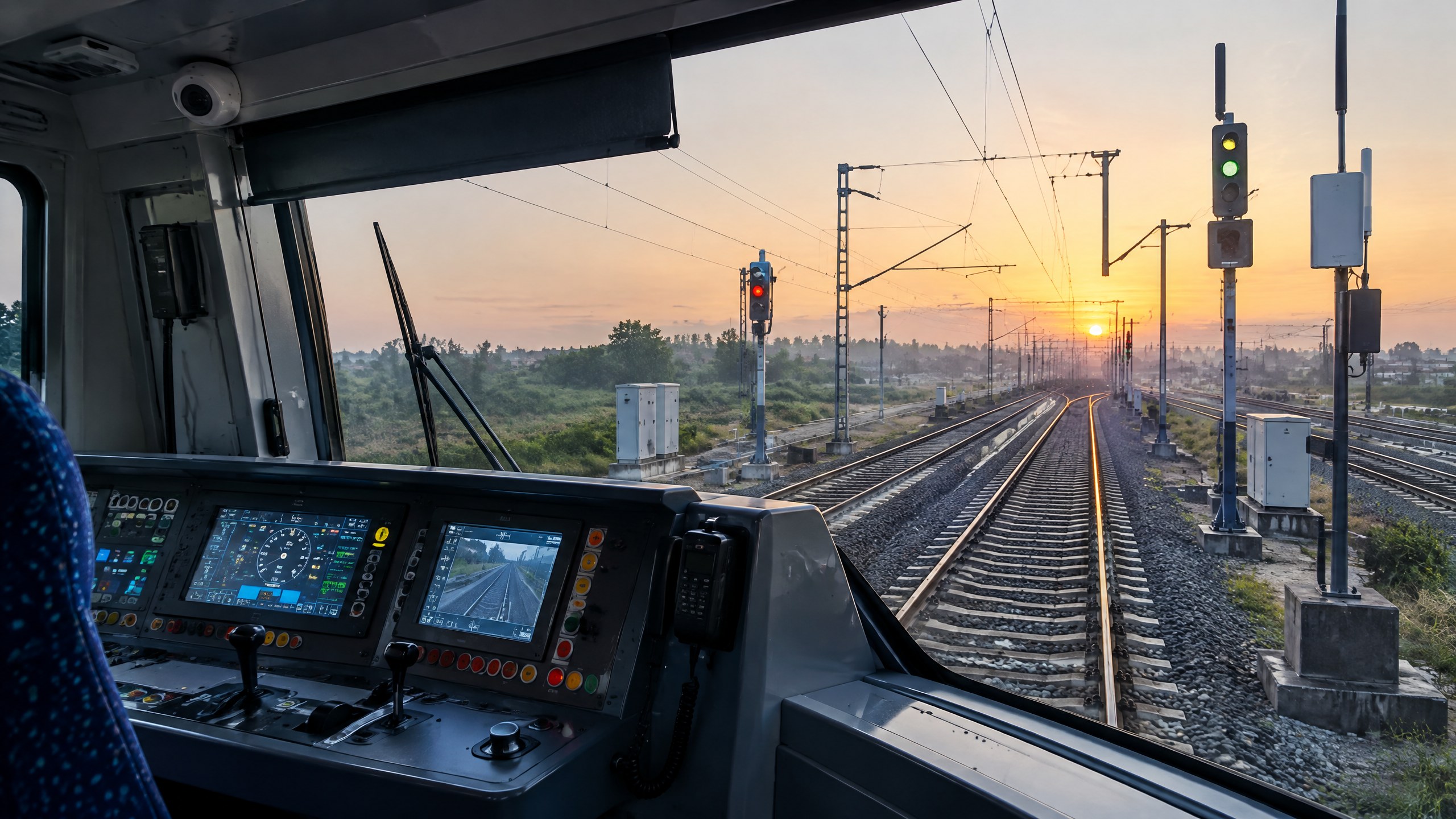
Onboard technology: traction control, braking, cab displays, communication equipment, GPS or other positioning inputs, doors, diagnostics and passenger systems.
Railway infrastructure: signals, interlocking, track circuits or axle counters, telecom networks, level-crossing equipment, power supply, control centres and station systems.
A train is not safe because it has one impressive device. Safety depends on how the pieces are engineered, tested, maintained and used on a particular route.
How does a train signalling system work?
A simplified railway-control sequence looks like this:
The railway detects train occupancy or position. Trackside detection systems help identify where a train is or which section is occupied.
Interlocking checks the route. It prevents incompatible points and signals from being set together in a way that could create a conflict.
The signalling system communicates permission. A signal, cab display or digital message tells the crew what movement is permitted under the operating rules.
The train follows speed and movement limits. The driver controls the train while onboard protection may monitor speed and braking requirements.
Control centres watch the network. Operators receive information about train movement, route status and incidents, then coordinate changes when conditions shift.
The exact technology varies by railway, route, traffic density and upgrade stage. A suburban corridor, a high-speed line and a lightly used rural route will not necessarily use the same equipment.
The main parts of railway technology
Signalling and interlocking
A signal is the visible instruction a train crew may receive, but signalling is larger than a row of coloured lights. The system also includes route logic, points, track detection, control software, communications and operating rules.
Interlocking is the safety logic that prevents incompatible route settings. If one route would send two trains into the same protected movement area, the system should not permit both movements. The protection is designed around defined railway rules and equipment conditions, not around a driver guessing what another train might do.
Train sensors and onboard computers
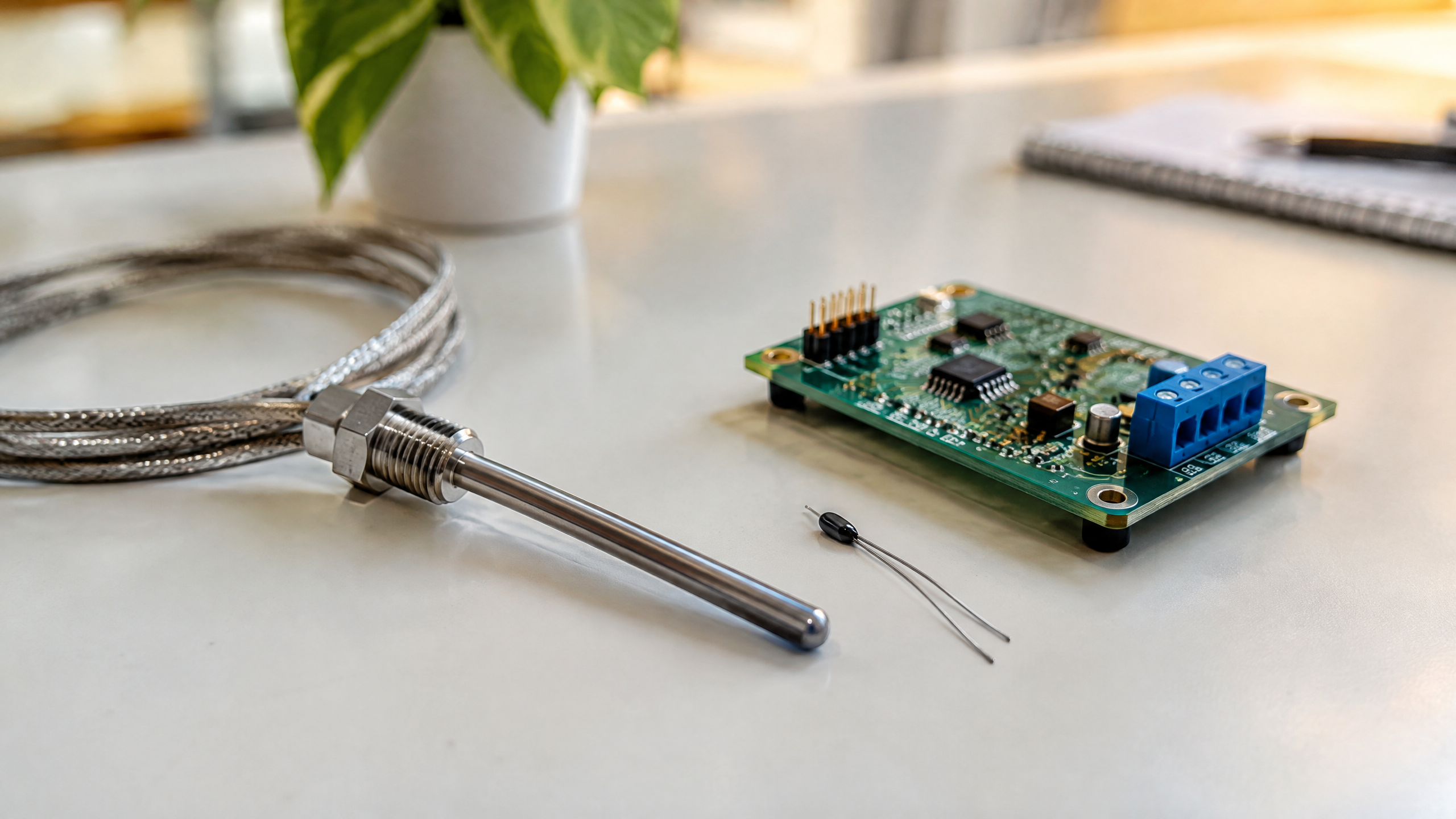
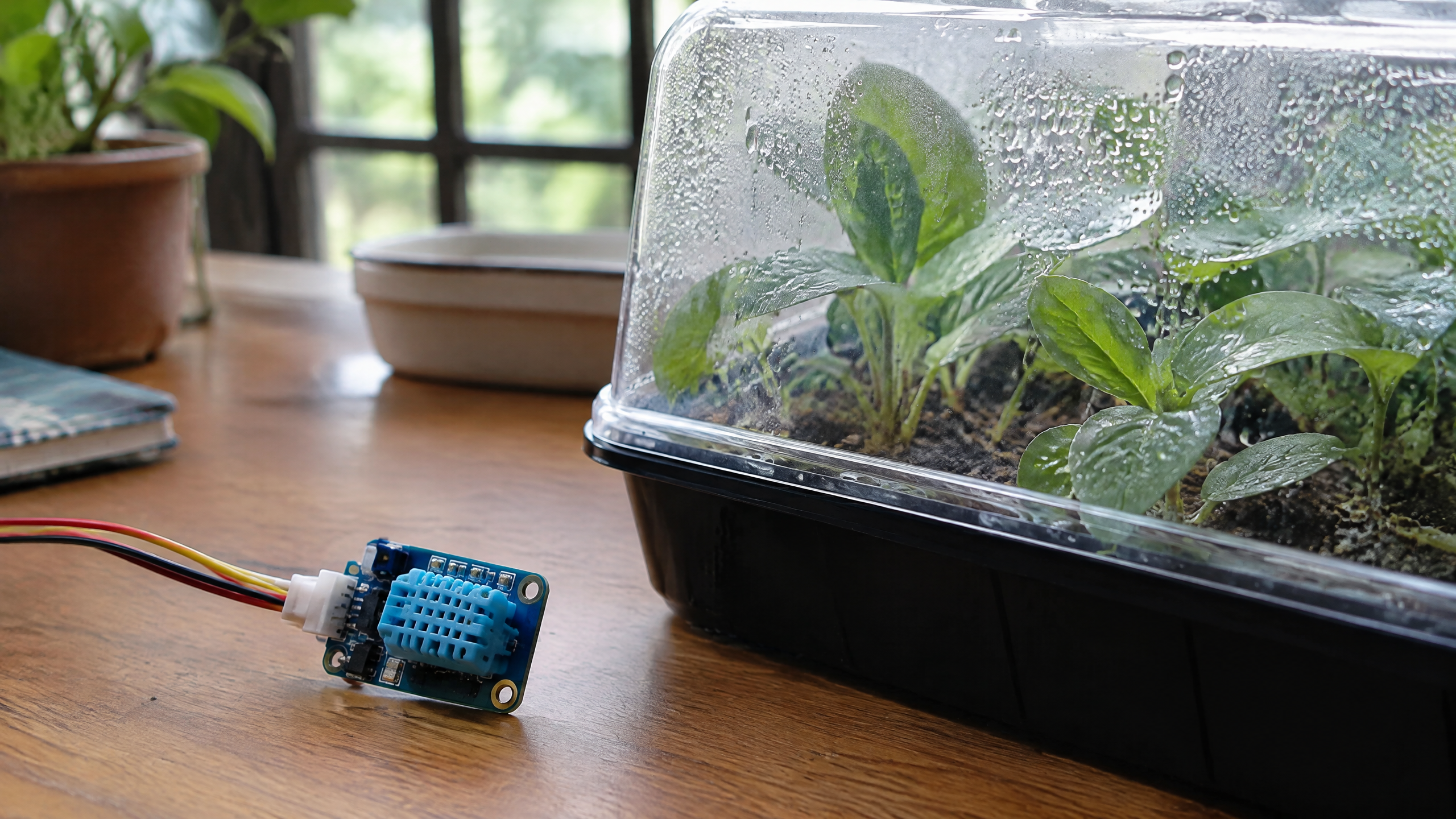
Train sensors can monitor speed, wheel rotation, brake pressure, traction equipment, doors, temperature, vibration and other conditions. Positioning may combine trackside references, wheel-based measurements, radio communication or satellite navigation, depending on the system.
A sensor is only one input. Wheel slip, wheel wear, tunnels, radio coverage, weather and equipment faults can affect a measurement. Railway systems therefore use checks, thresholds, redundancy and maintenance procedures rather than trusting a single number without context.
Automatic Train Protection
Automatic Train Protection (ATP) adds a layer of monitoring and intervention. It can compare the train’s movement with permitted speed, signal status, braking information or movement authority. If the train approaches an unsafe condition, the system may warn the driver or apply braking according to its design and rules.
ATP is not identical to automatic train operation. Protection focuses on preventing unsafe movement. Automatic operation can cover a wider set of driving tasks. A railway may use one, both or neither depending on the line and operating model.
What is Kavach technology in India?
Kavach is India’s indigenous Automatic Train Protection system. A February 2026 Press Information Bureau backgrounder describes it as a train-protection and collision-prevention system developed for Indian Railways. The same source explains that Kavach can combine trackside systems, locomotive equipment, UHF radio, RFID tags, interlocking information and onboard displays.
In the described operating model, trackside equipment shares information such as signal aspects, point positions, track occupancy and route status. The system uses train position, speed, track profile and speed limits to calculate movement authority and braking information. The locomotive equipment can display information to the loco pilot and intervene when defined dangerous conditions occur.
The important qualification is route context. A documented Kavach capability does not mean every kilometre of railway has identical equipment or the same deployment status. Coverage, version, installation, testing and operational approval matter.
Kavach safety functions
The PIB description includes functions such as:
protection against Signal Passing at Danger,
cab signalling with movement and speed information,
speed restriction enforcement,
collision-prevention functions,
roll-back and roll-forward protection,
level-crossing alerts,
emergency stop messages, and
central monitoring of train movements.
These are engineering functions, not a promise that technology can remove every railway risk. Track condition, weather, maintenance, human factors, route design and emergency response still matter.
Electrification and traction technology
Electric trains use traction equipment to convert electrical power into controlled motion. Overhead equipment or a third rail supplies power, while converters, motors and control software manage acceleration and braking. Regenerative braking can return some energy to the electrical system on suitable networks, but the result depends on the train, infrastructure and operating conditions.
Diesel-electric locomotives also use an electrical path between the engine, generator and traction motors. The engine produces power, and the traction system controls how that power reaches the wheels. In both cases, monitoring temperature, current, vibration and other variables helps maintenance teams understand equipment condition.
Smart stations and passenger technology
Railway technology is also visible at stations. Passenger information displays, public-address systems, access control, CCTV, lifts, escalators, platform monitoring, ticketing and emergency communication all form part of the station system.
These tools are useful when they are maintained and connected to accurate operational data. A large screen cannot fix a delayed data feed. A camera cannot replace a clear emergency procedure. Good passenger technology is the combination of reliable equipment, understandable information and staff who can act on it.
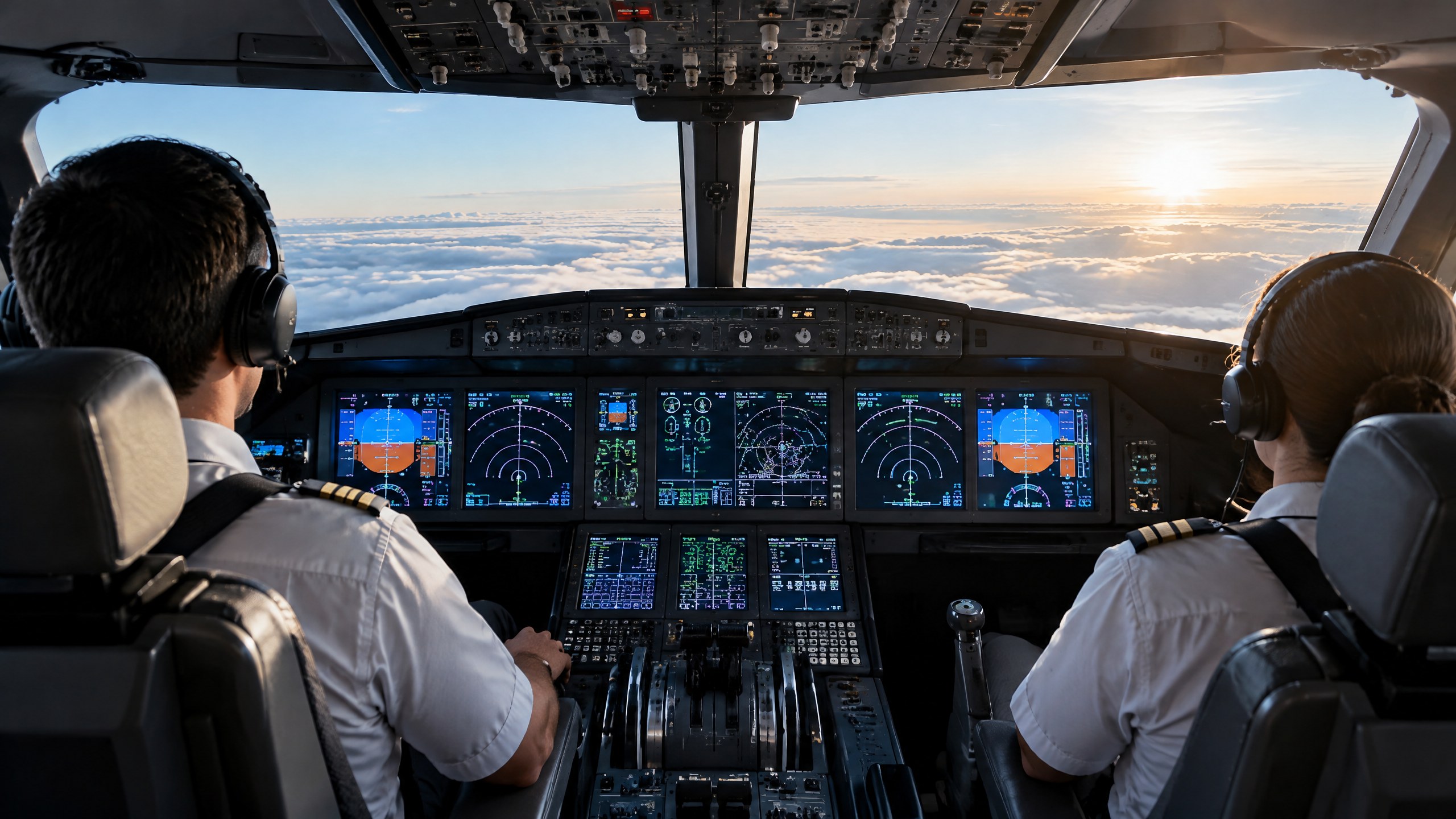
Train technology versus flight technology
Both transport systems use sensors, computers, communications and automation, but their control problems differ:
The comparison is useful because it shows why a train cannot simply use an aircraft’s technology unchanged. The operating environment shapes the safety system.
How can I learn railway technology safely?
Start with public explanations of signalling, train protection, traction and sensors. Don’t attempt to access, test or interfere with railway equipment. Railway infrastructure is safety-critical, and practical work belongs to authorised training, engineering and maintenance environments.
For a student or maker, a safe learning path is to model a simple block-occupancy or speed-monitoring concept with low-voltage components and simulated data. Keep the model separate from operational railway systems. The educational idea is valuable; connecting an unapproved project to live infrastructure is not.
Frequently asked questions
What is train technology in simple words?
Train technology is the equipment and software that help a railway detect trains, control routes, manage speed, supply power, communicate information, monitor equipment and support passengers.
How does train signalling work?
Train signalling combines train detection, route-setting logic, signals or cab displays, communications and operating rules. It tells a train when movement is permitted and helps prevent conflicting routes from being authorised at the same time.
What is an automatic train protection system?
An automatic train protection system monitors defined movement and speed conditions. It can warn the driver or apply braking when the train is approaching a dangerous condition, depending on the system’s design, installation and operating rules.
What is Kavach in Indian Railways?
Kavach is an Indian Automatic Train Protection system designed to add train-protection and collision-prevention capabilities. It uses onboard and trackside equipment, communication and signalling information. Its actual availability and functions depend on the route and deployment status.
Do trains use GPS tracking?
Some train-monitoring systems may use satellite positioning alongside other inputs, but railway control cannot be reduced to GPS alone. Track references, wheel measurements, signalling equipment, communications and route-specific systems can all contribute to the operating picture.
Related reading
/article/temperature-sensor-types-working-principle
/article/pressure-sensor-working-principle-types
/article/accelerometer-explained
/article/gyroscope-explained
/article/flight-technology-explained
Source notes
Reporting record
techduopulse stores source destinations privately. Public notes remain non-clickable so every visitor journey stays on this website.
https://developers.google.com/search/docs/appearance/structured-data/article
Primary source · Research source 3https://developers.google.com/search/docs/fundamentals/creating-helpful-content
Primary source · Research source 4https://www.pib.gov.in/PressReleasePage.aspx?PRID=2224380®=3&lang=1
Primary source · Research source 1https://www.uic.org/digital-systems-innovation
Primary source · Research source 2New explainer covering train technology, practical context, limitations and verified sources.