
 Explainer
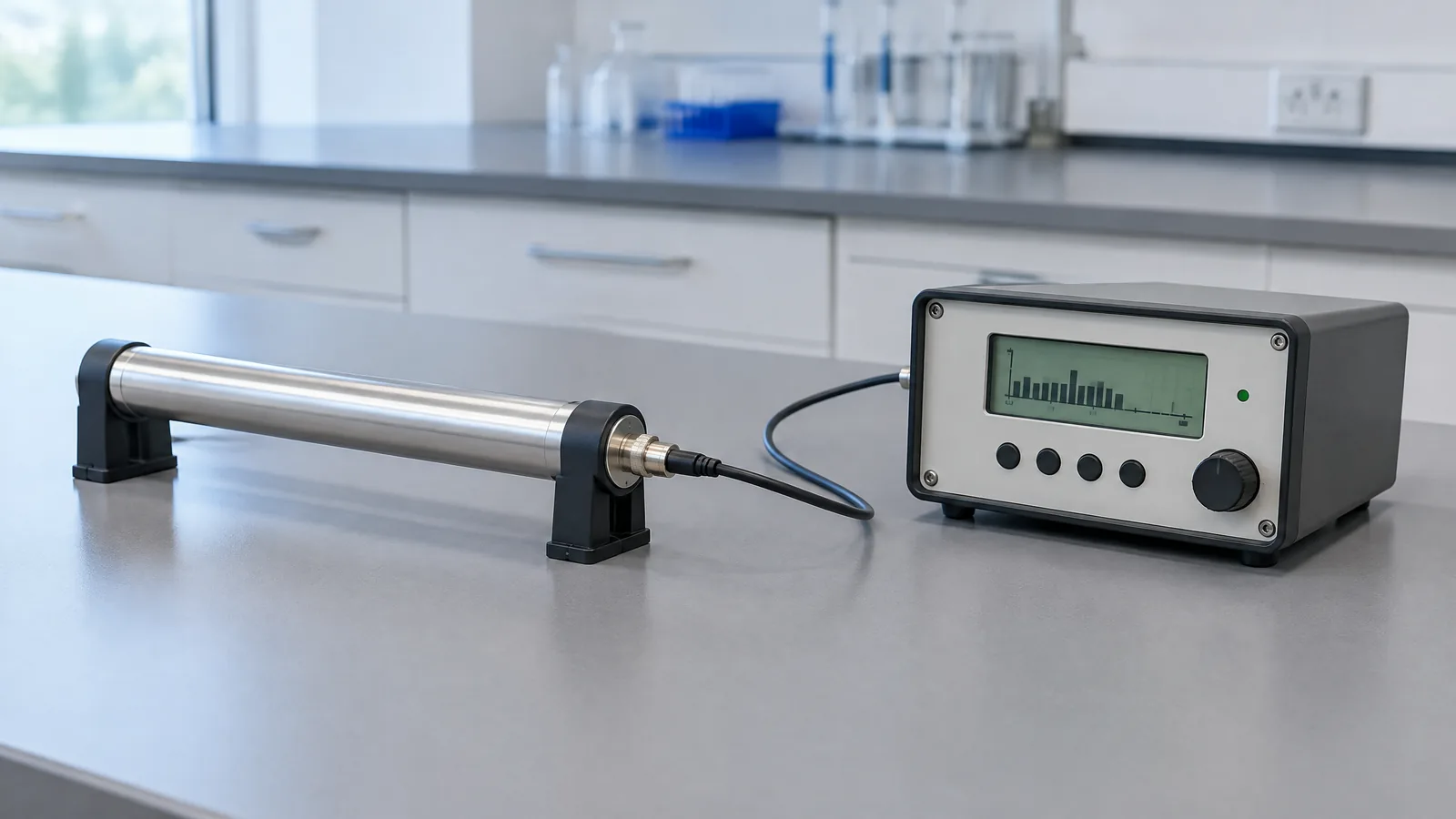
Geiger Counter Arduino Radiation Detector: What a GM Tube Counts and Its Limits
A plain-English guide to what a Geiger–Müller tube counts, how pulse electronics fit around it, and why dead time, calibration and radiation type matter.
Frontiers
Evidence-led guides to emerging technology science across energy, space, climate, biotechnology, quantum systems, materials, risk, and responsible innovation.
ExplainerA plain-English guide to what a Geiger–Müller tube counts, how pulse electronics fit around it, and why dead time, calibration and radiation type matter.
 Explainer
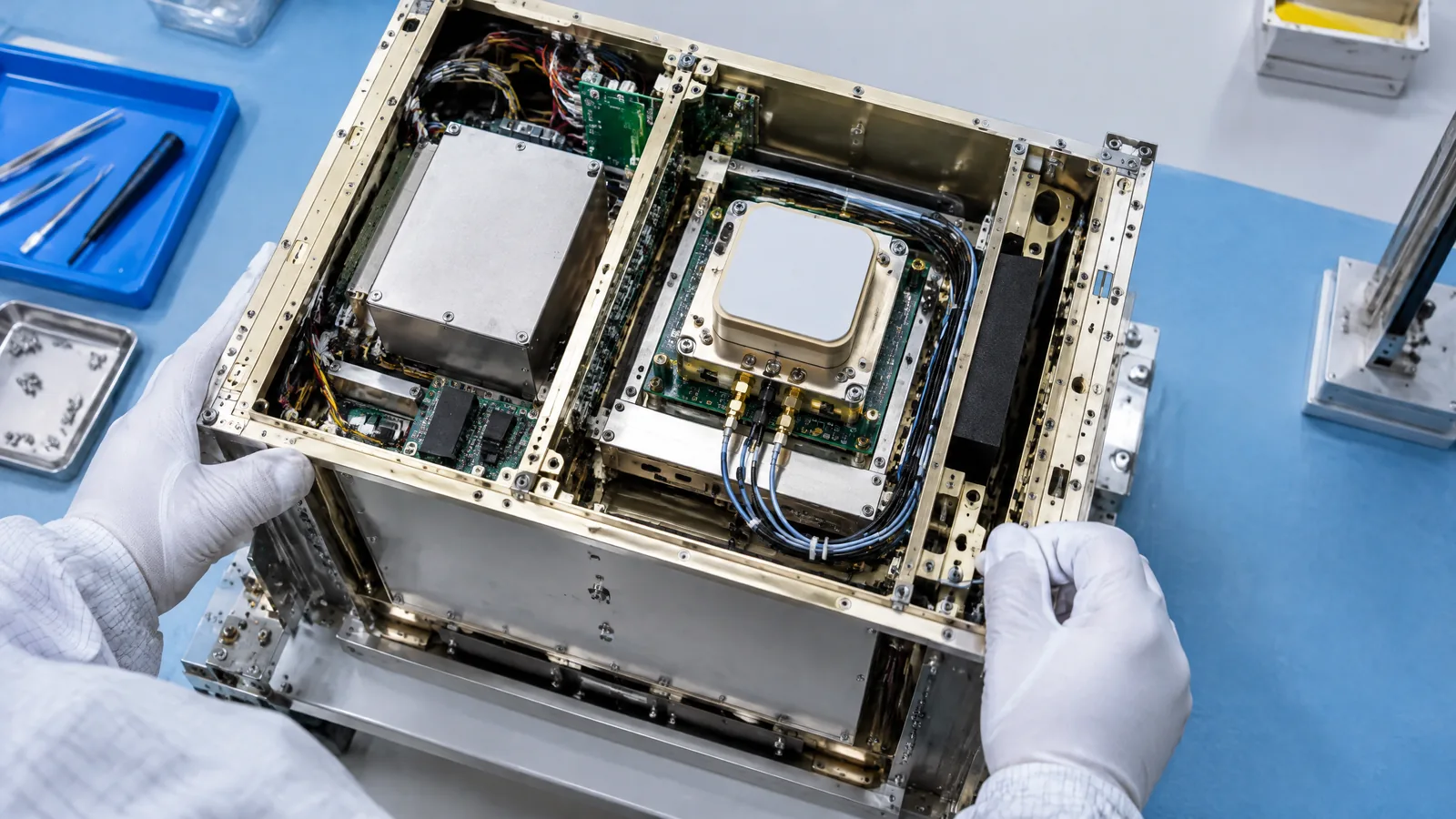
An onboard GNSS receiver listens to navigation satellites to estimate a spacecraft's position, velocity and time. Here is what it measures, how orbit determination works, and why the receiver is not an Earth-imaging payload.
 Explainer
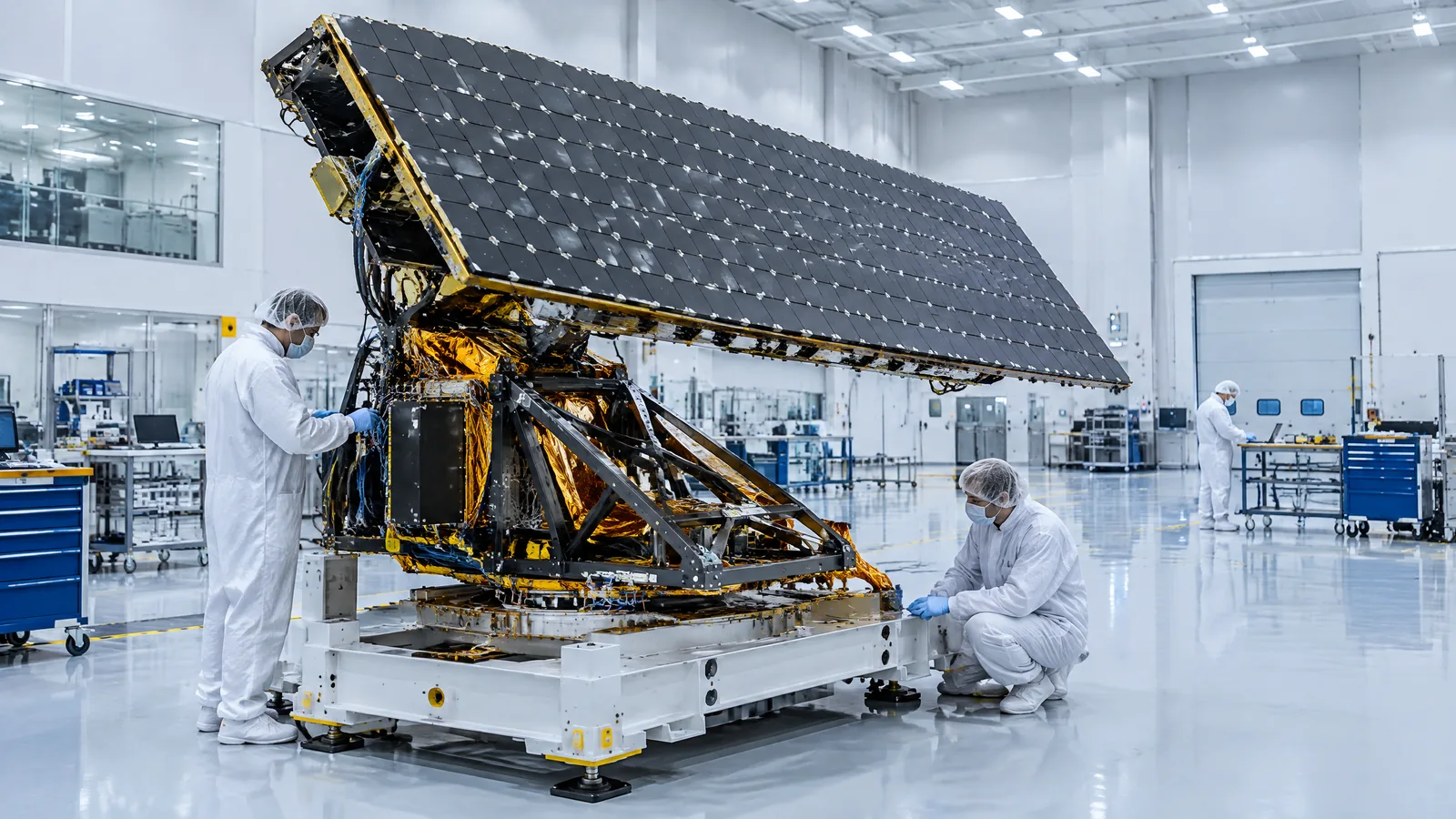
Synthetic aperture radar satellites send microwave pulses to Earth and read the returning signal, enabling useful imaging day or night and in many cloudy conditions.
 Explainer
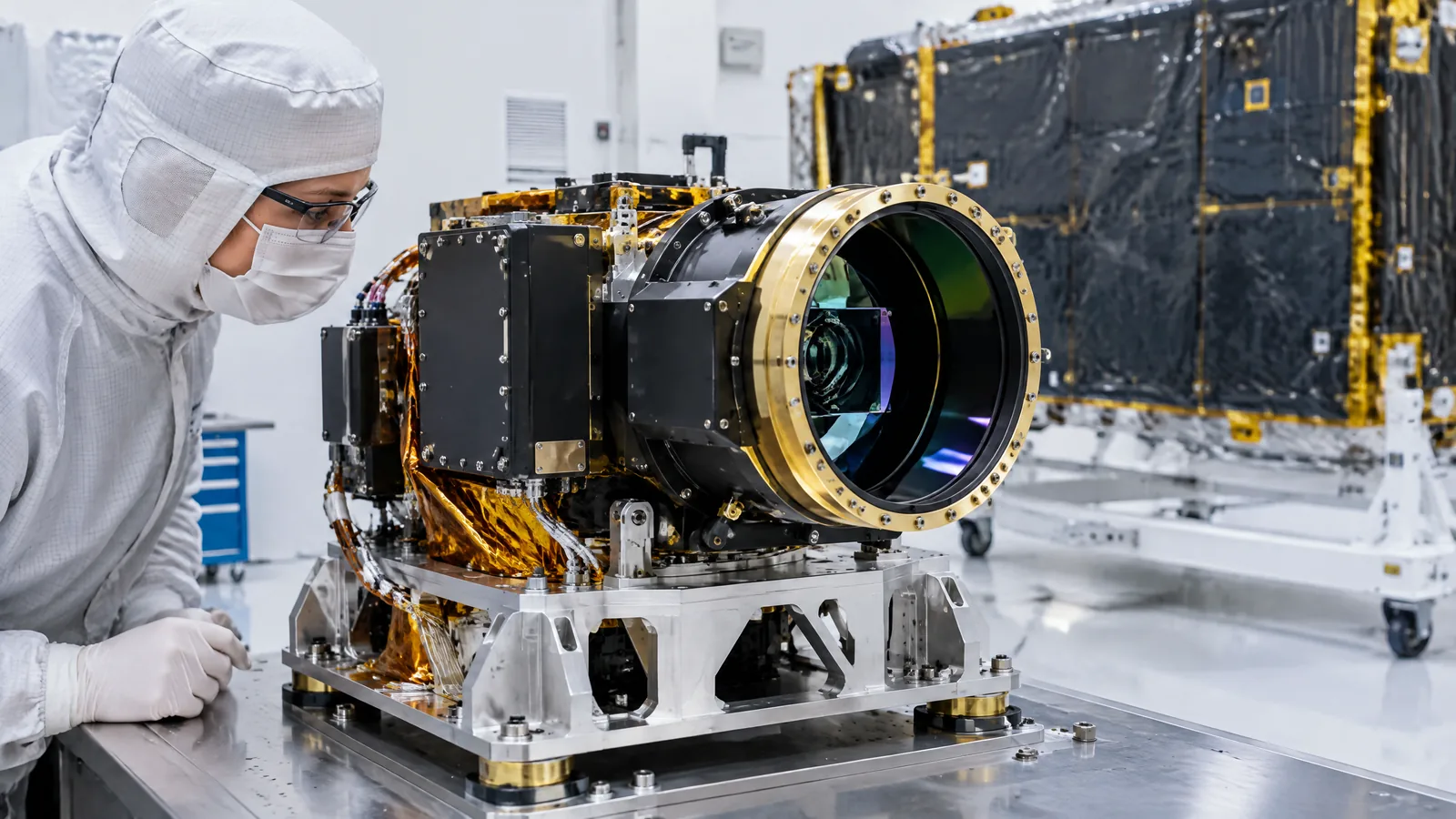
A plain-English guide to how an active spaceborne laser altimeter measures ice, land and sea-ice elevation, using NASA’s ICESat-2 as the example.
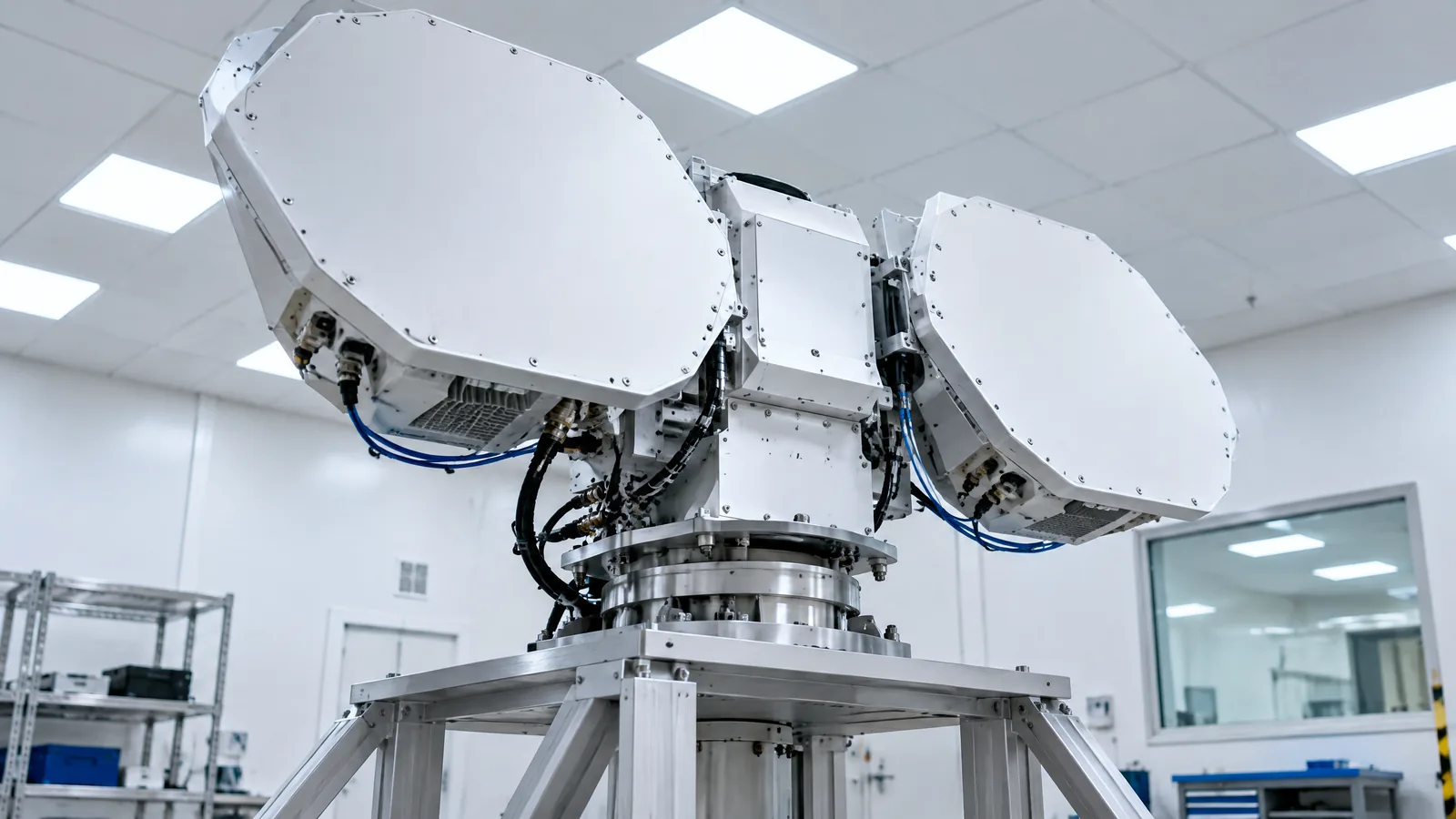 Explainer
A plain-English guide to the GPM Dual-frequency Precipitation Radar, its Ku- and Ka-band measurements, what its 3D rain and snow data reveal, and where the satellite view has limits.
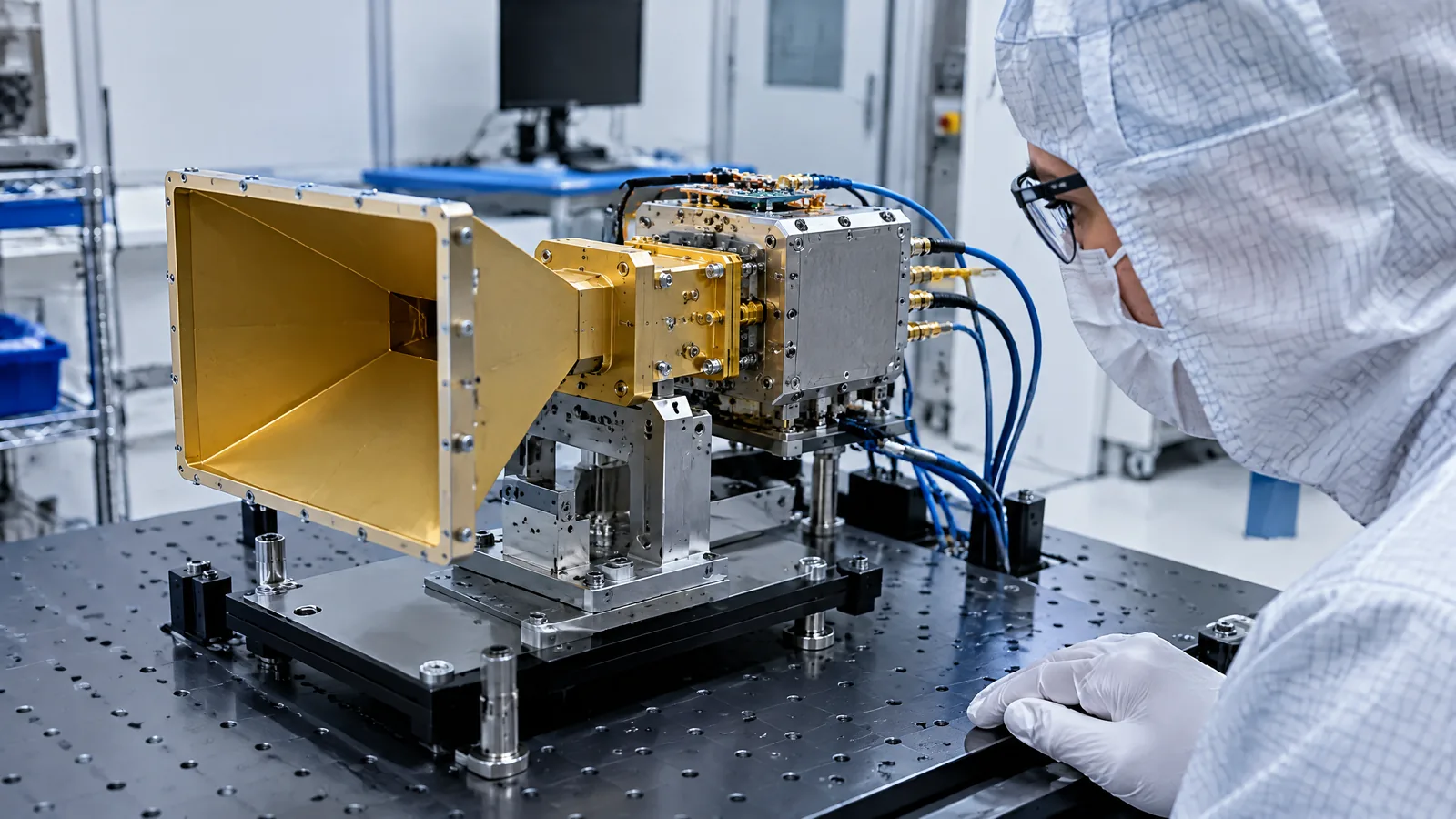 Explainer
The GPM Microwave Imager reads natural microwave signals across 13 channels to support precipitation estimates, while DPR adds active radar measurements of storm structure.
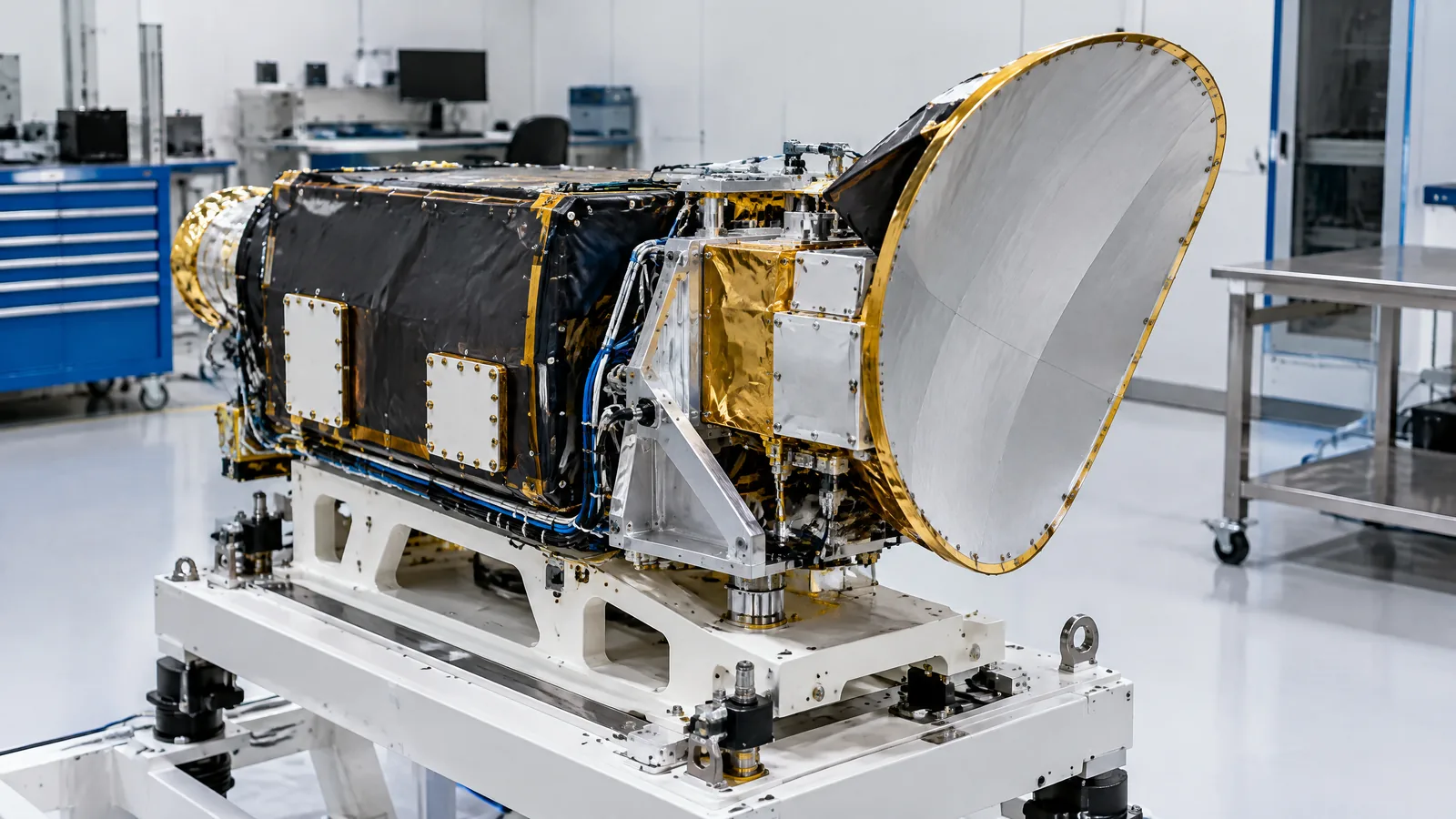 Explainer
A beginner-friendly explanation of how a satellite radar altimeter measures ocean height, wave conditions and related Earth-surface signals along its track.
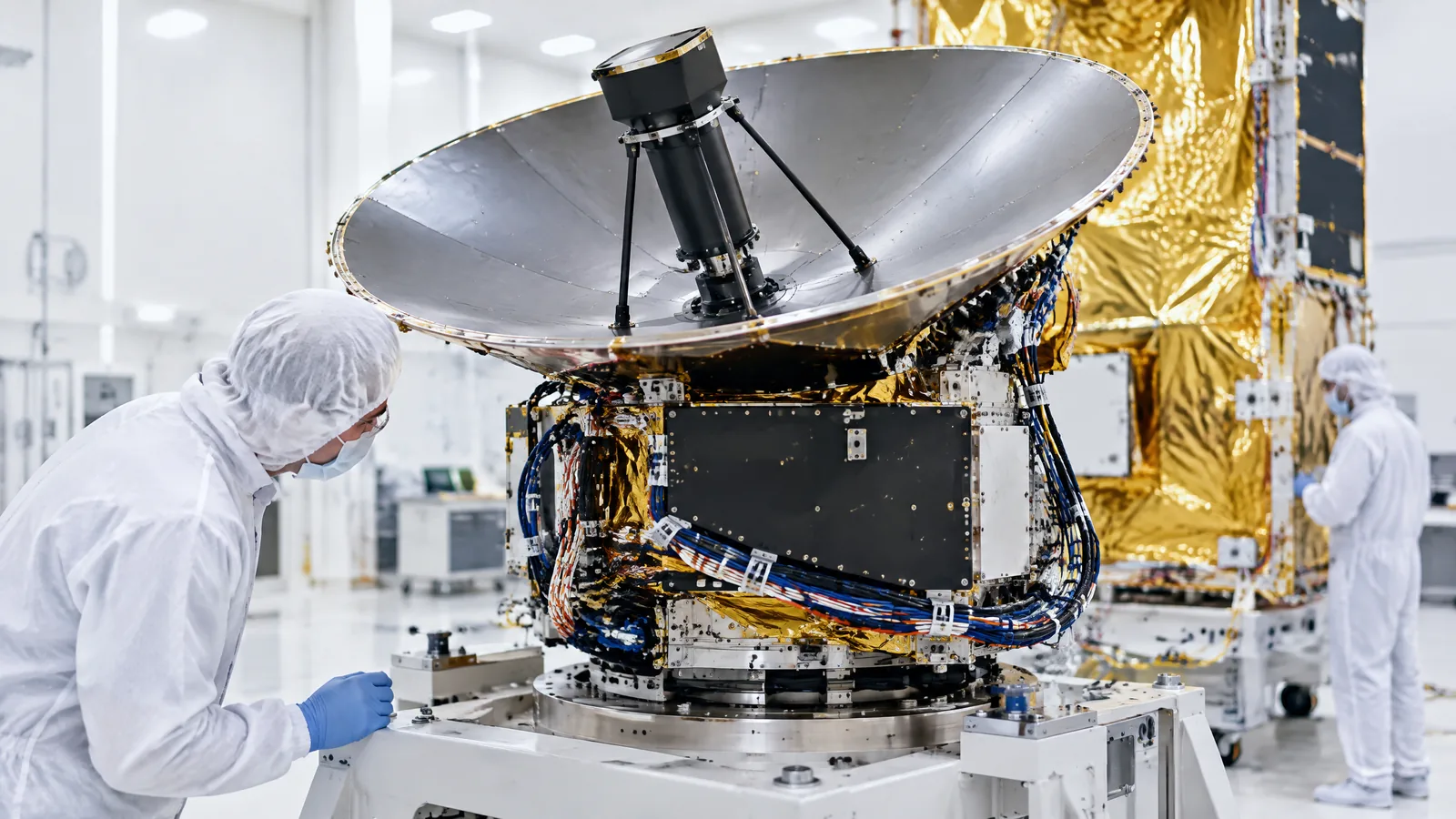 Explainer
A plain-English guide to how an active microwave radar scatterometer reads sea-surface roughness and turns several backscatter views into a near-surface ocean wind vector.
 Explainer
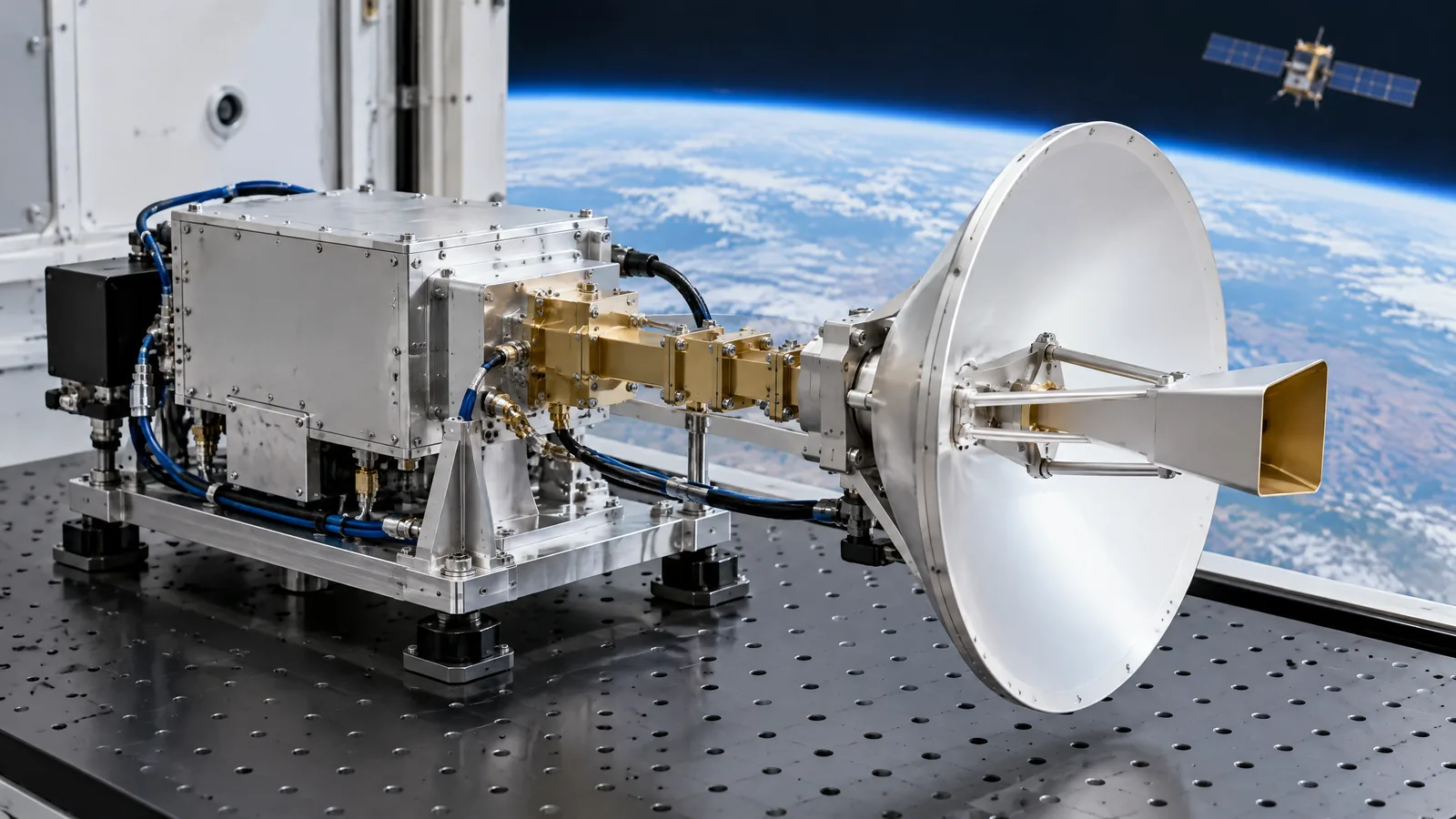
AMSU-A is a passive 15-channel microwave instrument that estimates atmospheric temperature structure from the surface to about 40 km, including observations designed to remain useful when clouds complicate infrared sensing.
 Explainer
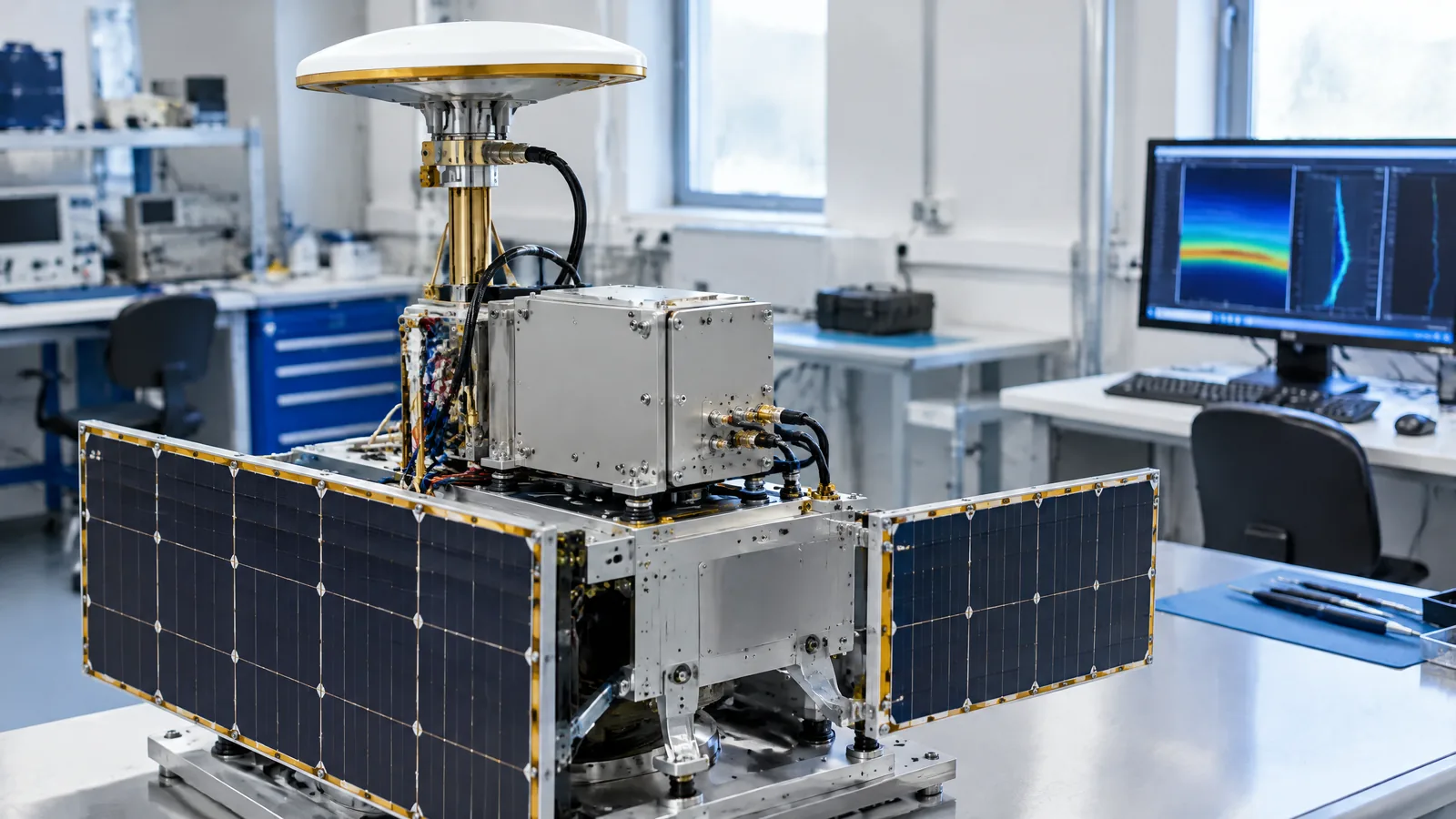
GNSS radio occultation uses a dedicated LEO receiver to turn small changes in navigation-satellite signals into profiles of the atmosphere and ionosphere.
 Explainer
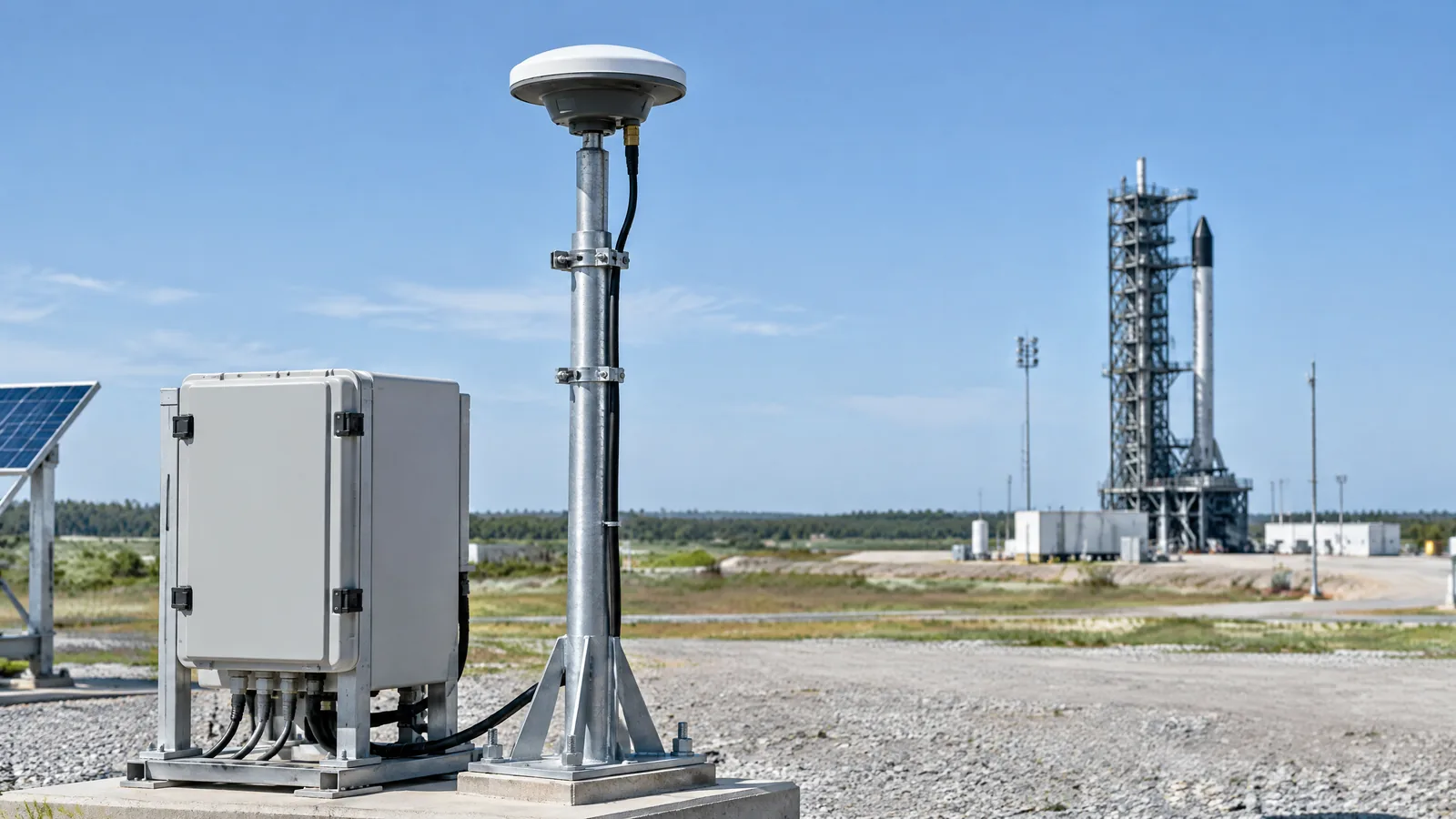
A plain-English explanation of what a GNSS/GPS navigation receiver contributes to a rocket’s navigation data, and how that differs from an IMU.
 Explainer
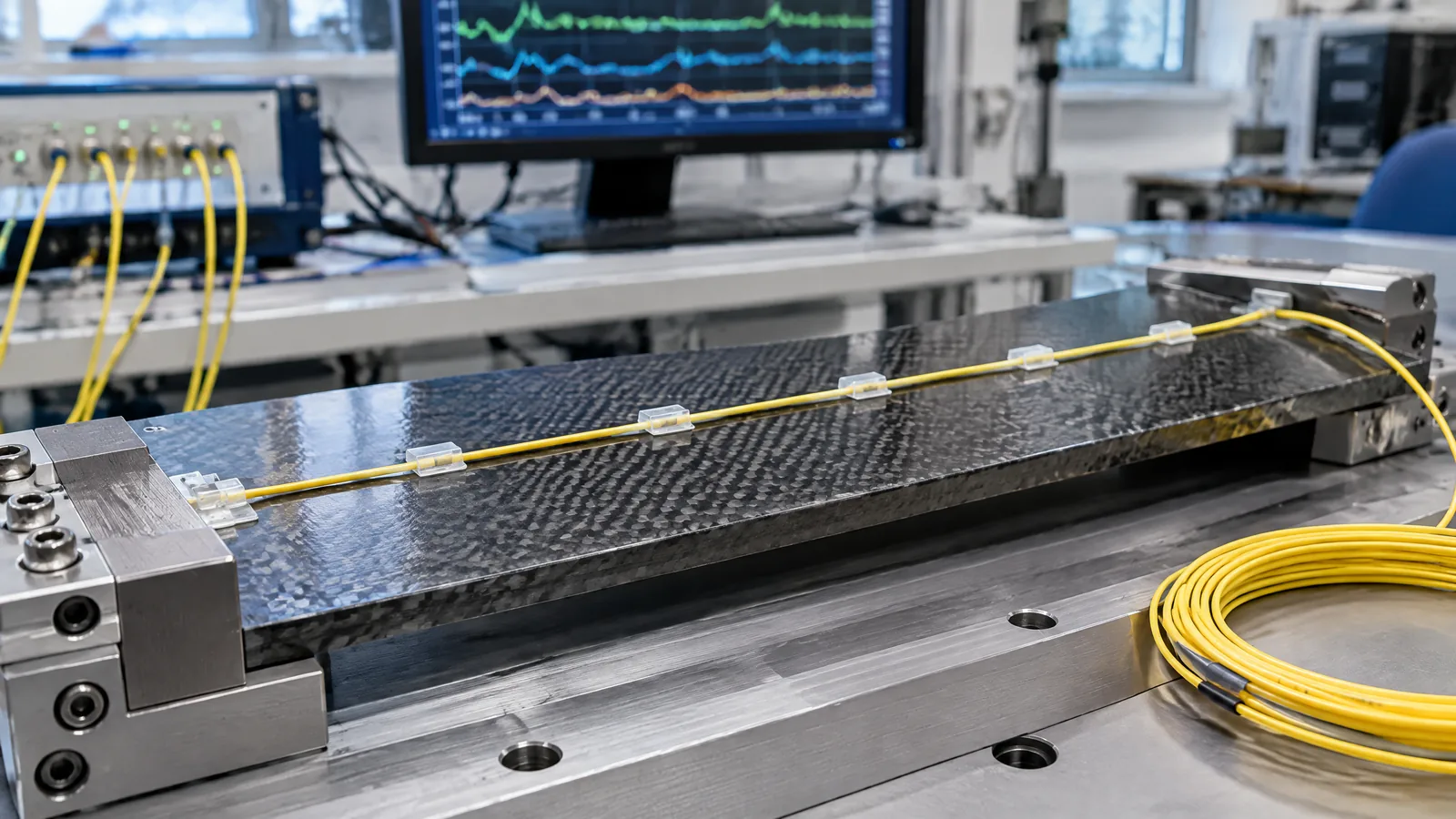
How NASA research uses FBG and OFDR fibre-optic sensing to study launch-vehicle strain and temperature, and why the sensor is best understood as part of a larger measurement system.
 Explainer
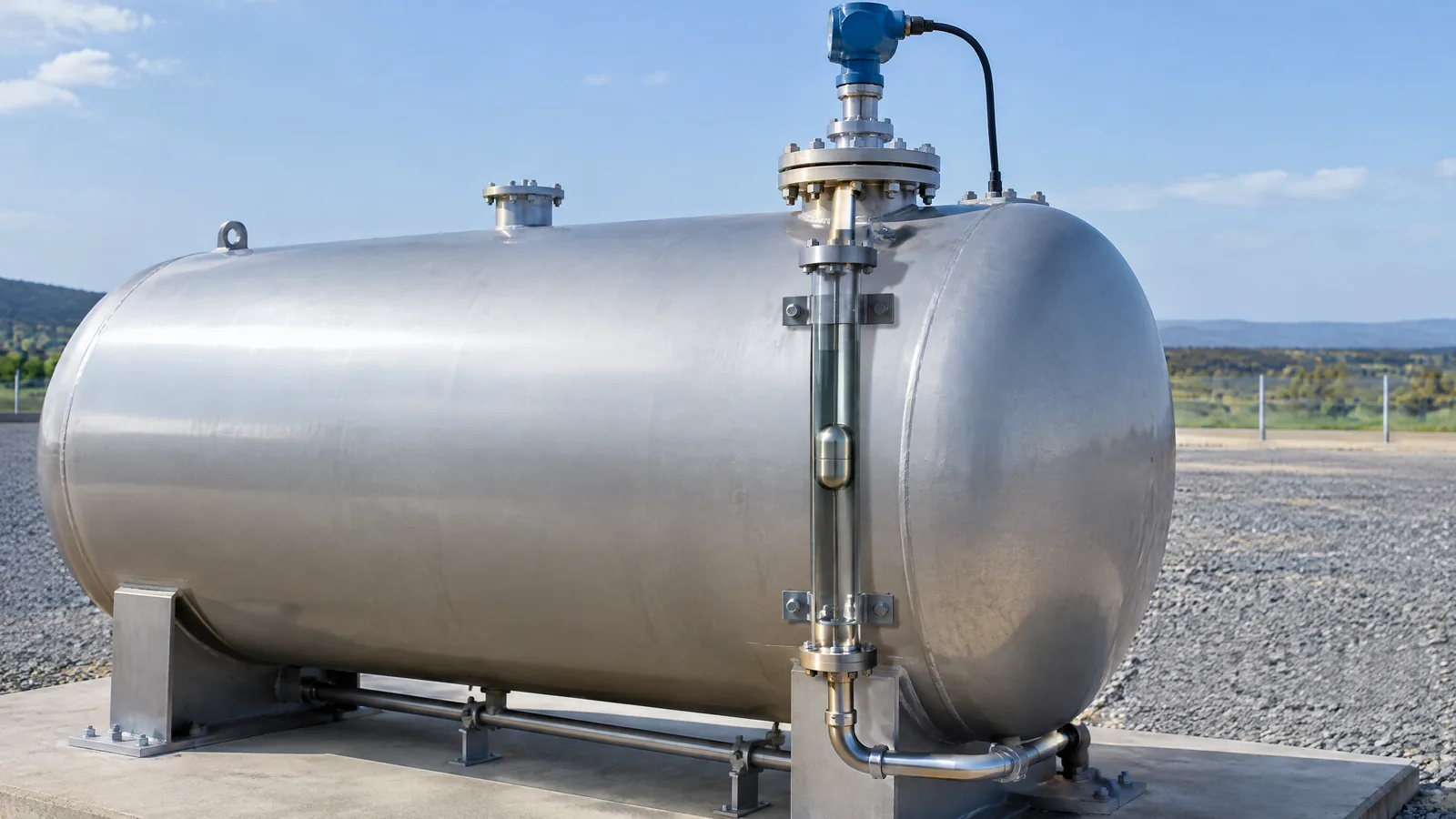
See how a magnetic float switch can mark propellant tank-volume intervals during rocket ground testing, and why it is not the same as a continuous flight mass gauge.
 Explainer
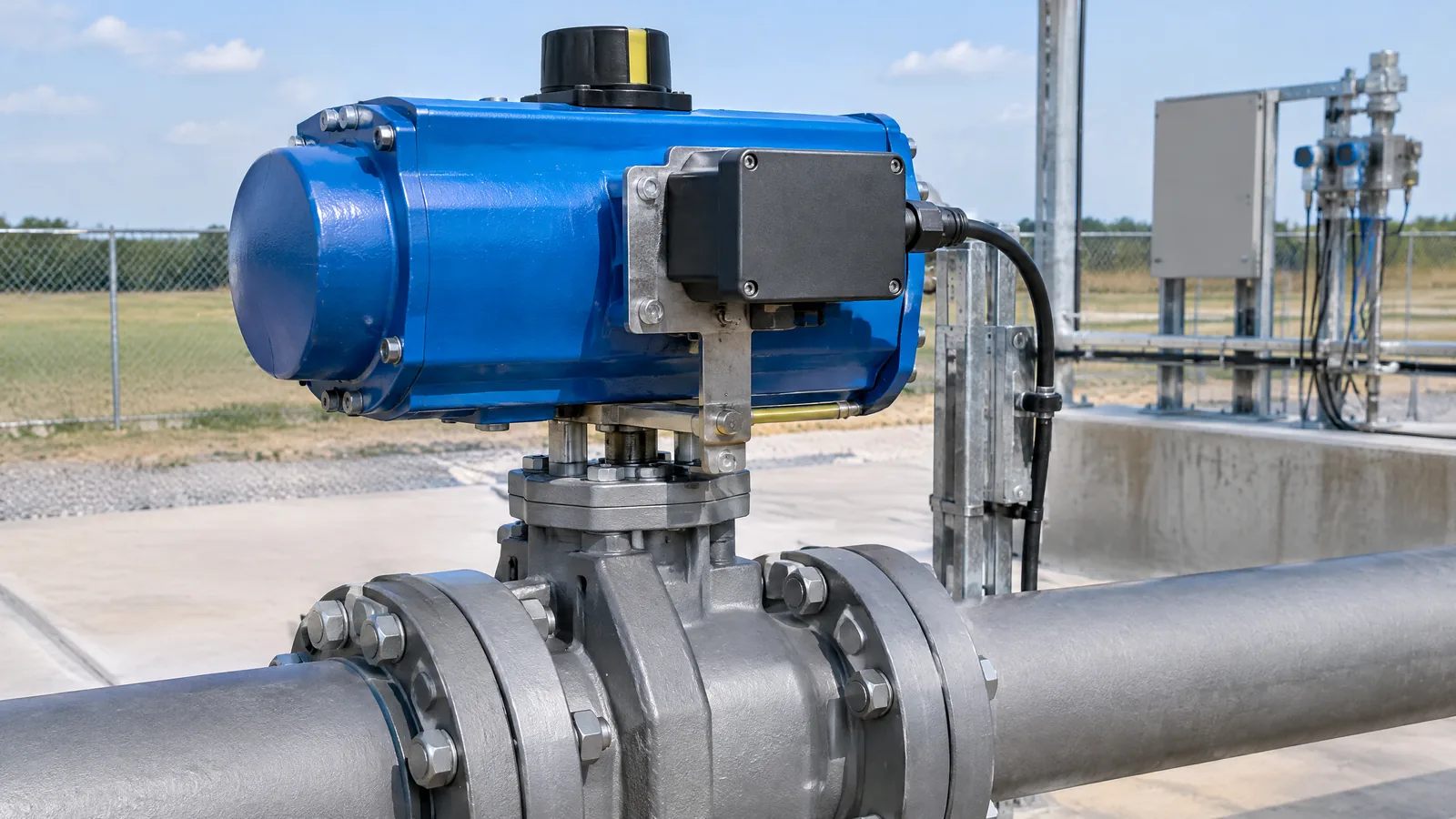
A plain-English guide to valve-actuator position transducers: what they measure, how test teams record the signal and why position is not the same as valve control.
 Explainer
A clear guide to what optical PM2.5 and PM10 sensors estimate indoors, how a building monitor turns particles into readings, and where those readings stop being enough.
 Explainer
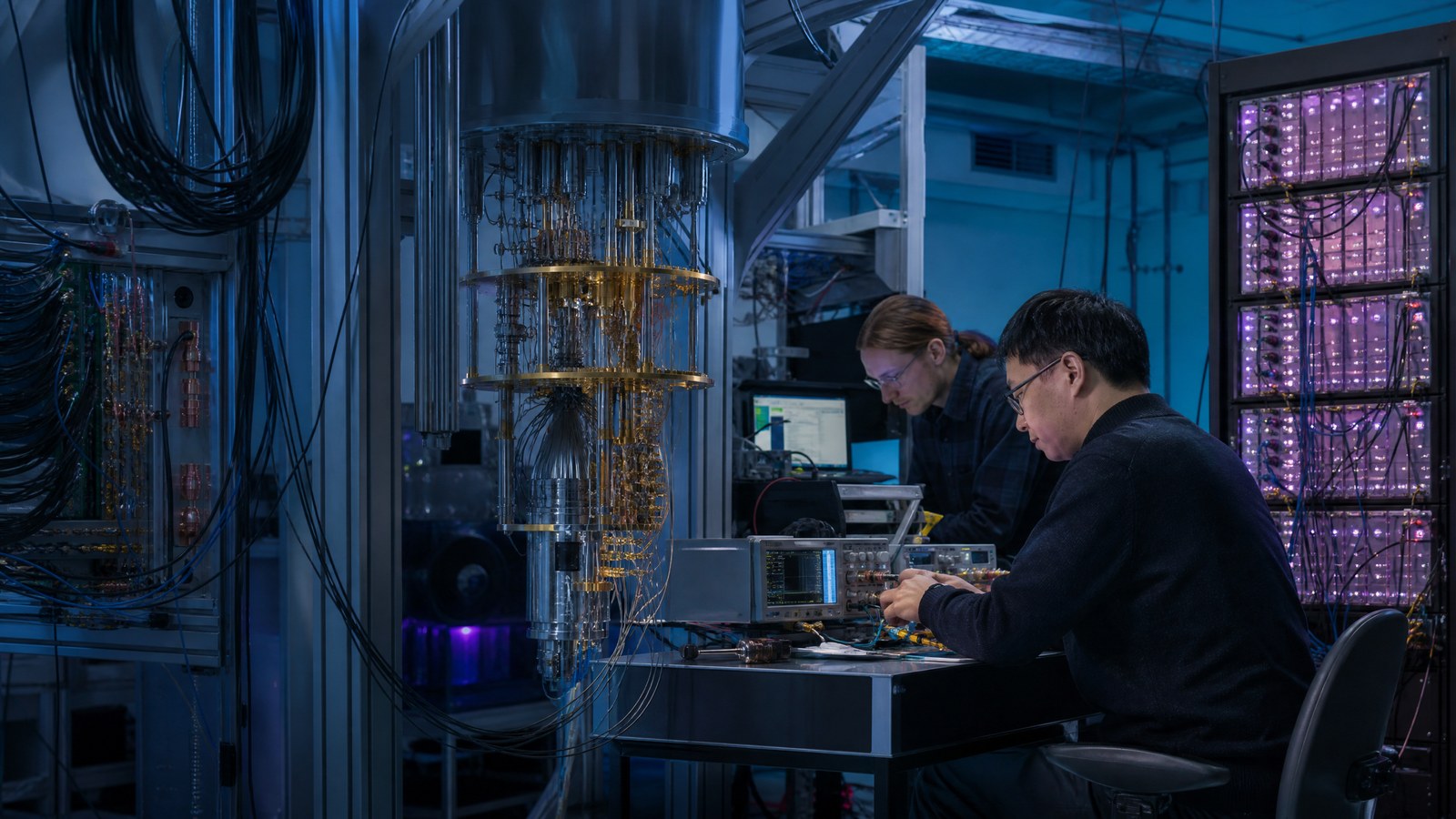
A usable quantum computer must preserve and operate on encoded information, not simply add more vulnerable physical qubits.
 Analysis
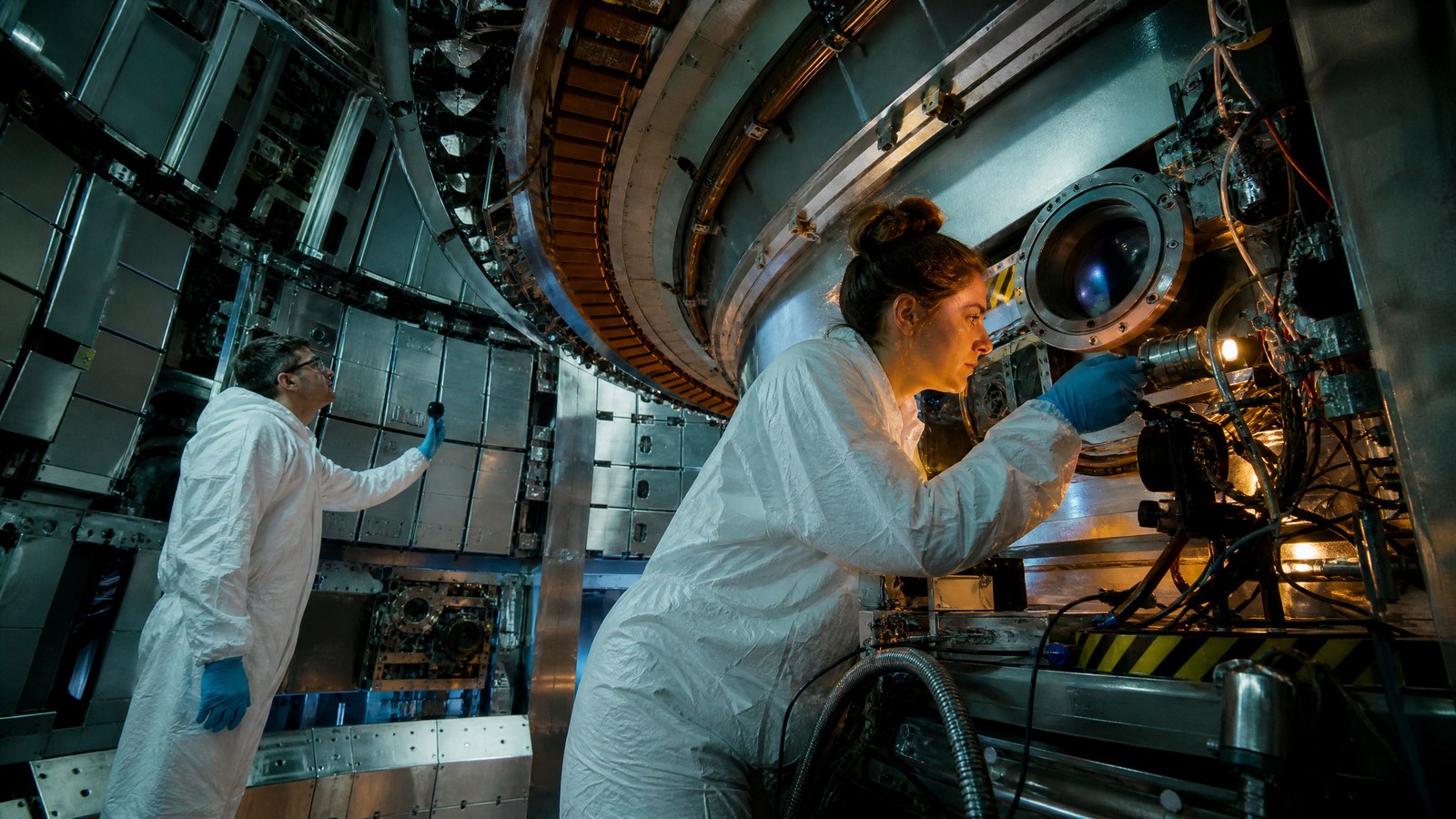
A strong fusion experiment can answer a scientific question while leaving heat, materials, fuel, and reliability challenges for a future plant.
 Analysis
Editing a sequence is only one part of a therapy; the right cells, unintended changes, manufacturing quality, and long-term safety all matter.
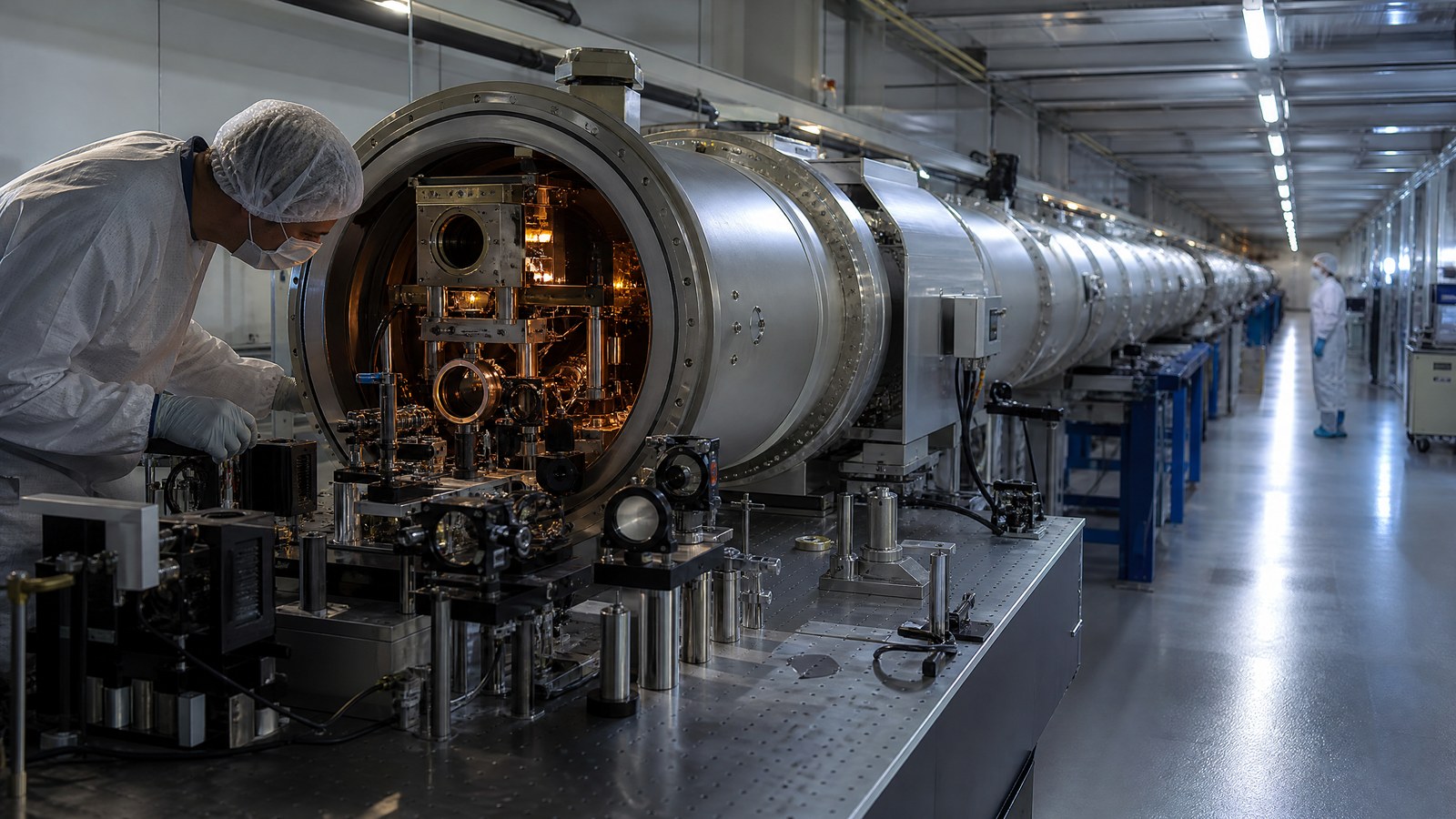 Explainer
Laser interferometers turn a passing ripple in spacetime into a tiny, carefully checked shift in light.
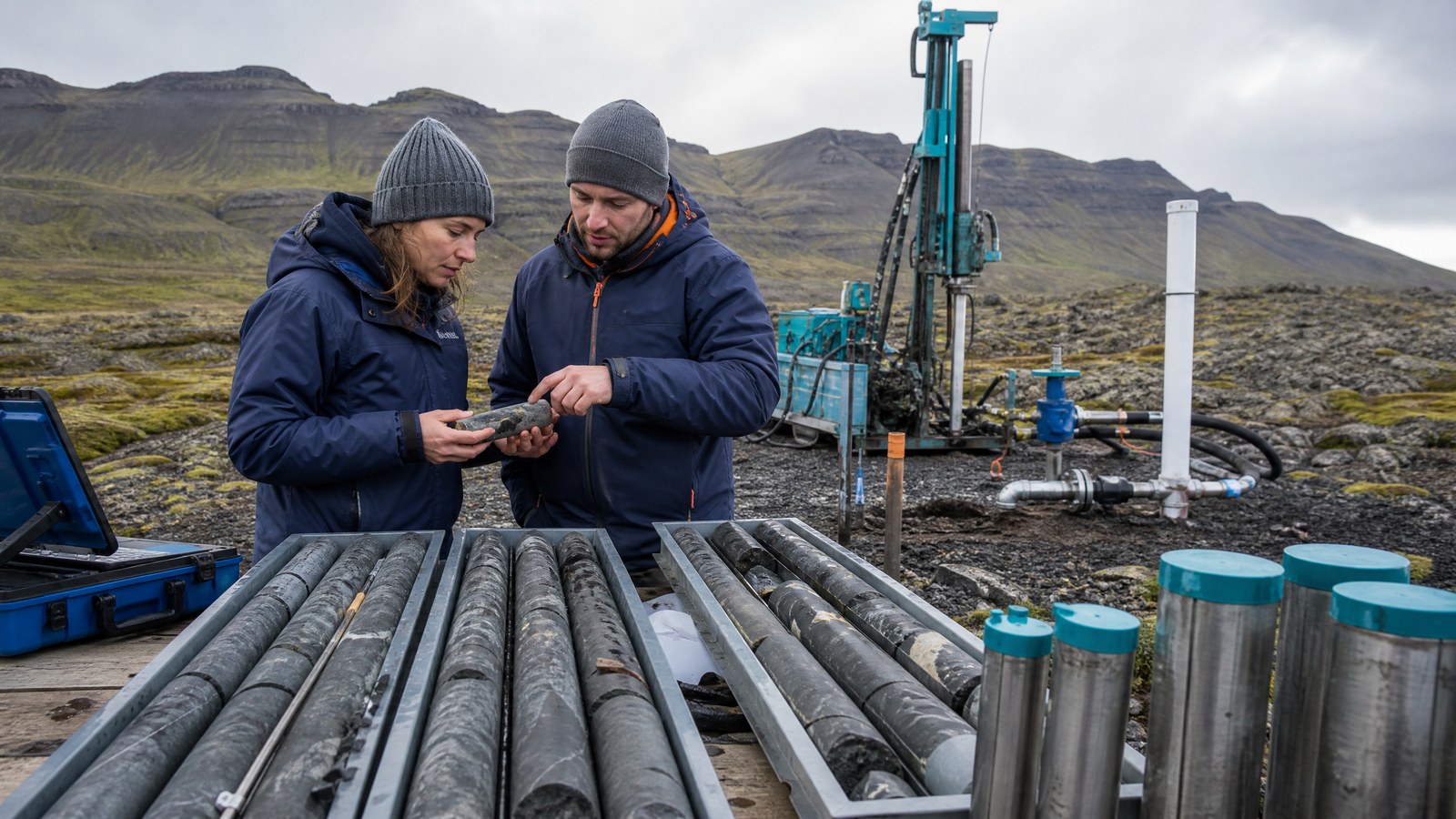 Analysis
Turning carbon dioxide into solid carbonate can support durable storage, but a credible climate claim must trace carbon, inputs, and uncertainty across the full process.
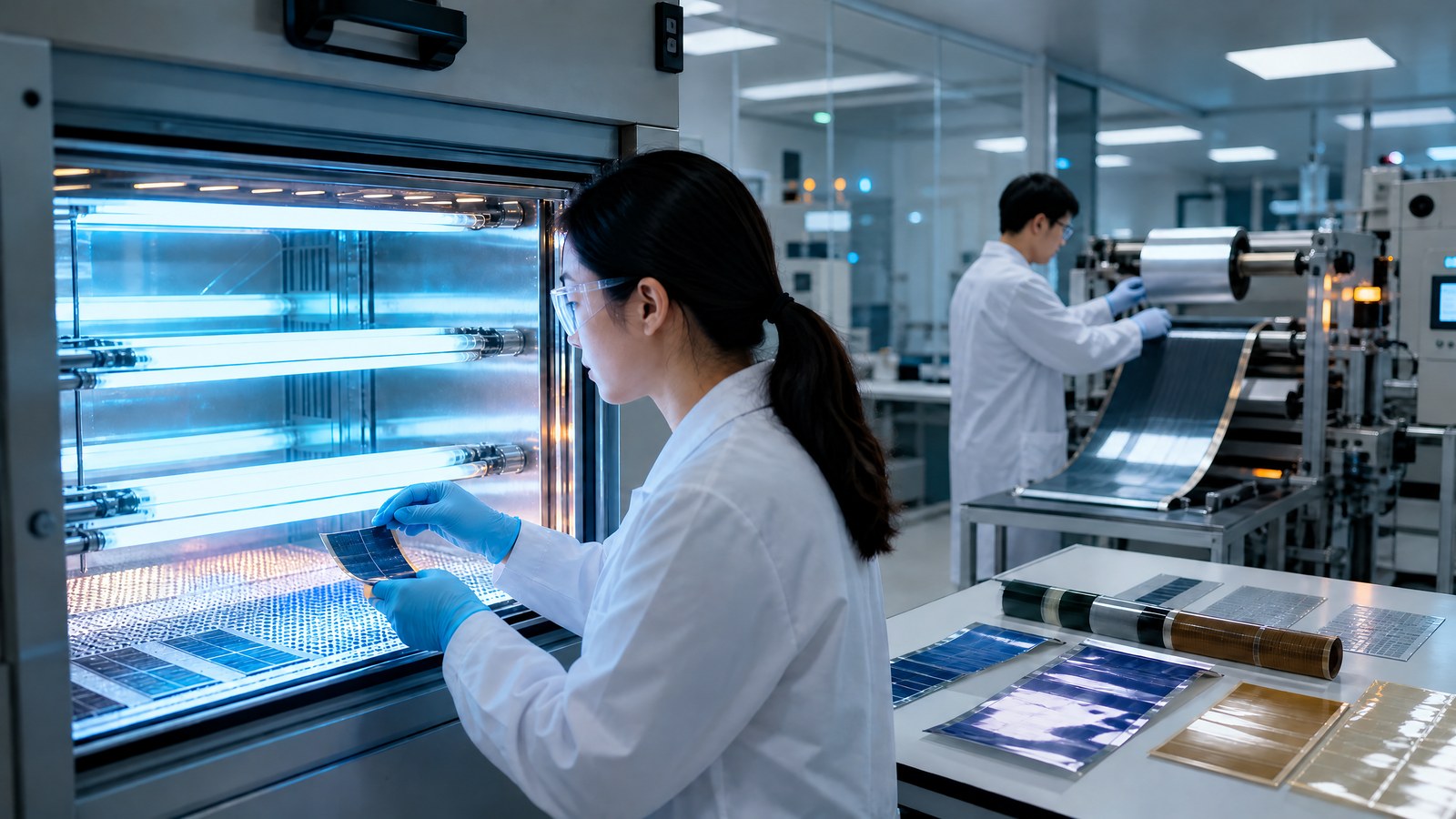 Analysis
High small-cell efficiency is encouraging, but modules for everyday power need stable materials, reproducible production, and independent performance validation.
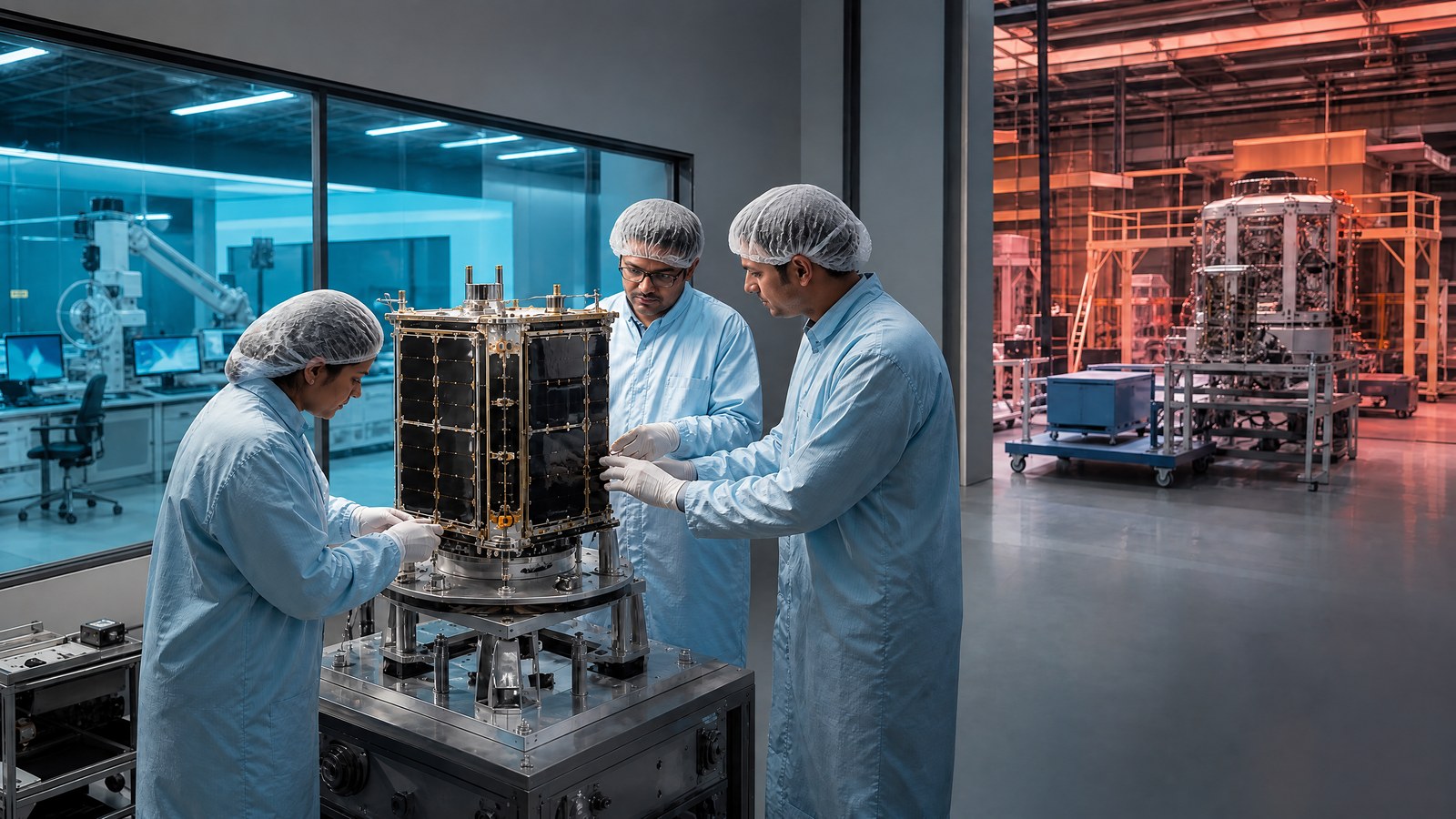 News
ISRO’s 6 September clarification says private participation is meant to scale mature capabilities while the agency remains focused on advanced research, national missions and frontier work; it is not a new privatisation approval.
 Explainer
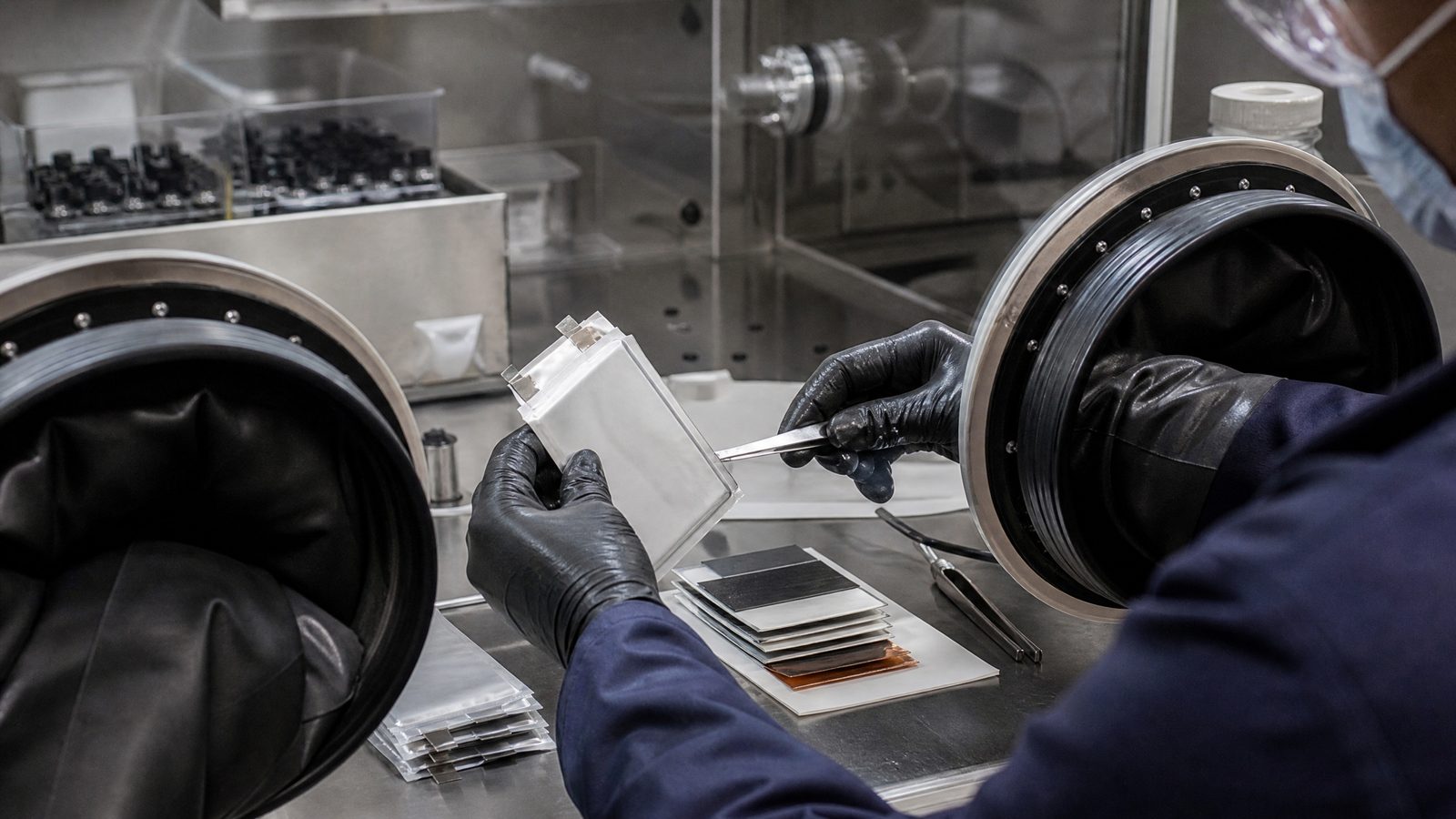
Energy density is only one part of the story. Manufacturing yield, cycle life, charging behaviour, safety, and material availability determine commercial viability.