A cooking session, dusty renovation or smoky outdoor day can make a room feel different, but a building monitor may show only one part of that change. A PM2.5 sensor for indoor air quality estimates fine-particle levels by sensing how airborne particles interact with light; it does not measure every pollutant or act as an emergency alarm.
This article is part of the emerging technology science guide library.
Key takeaways
An optical particulate-matter sensor estimates particles in the air and may report PM2.5, PM10 or related values after processing by the monitor.
The physical sensor is only one part of a complete monitor. Airflow, electronics, software and optional temperature or humidity sensing can affect the result.
Indoor readings are most useful for watching changes in a specific location and time. Particle type, humidity, placement and the model's processing can change what the number means.
A PM reading does not rule out carbon monoxide, radon, VOCs or other pollutants. A low-cost monitor is not a substitute for a certified smoke or carbon-monoxide alarm.
- Treat the reading as information about targeted particles, not a complete indoor-air-quality score.
- Compare like with like: the same room, position and operating conditions make trends easier to interpret.
- Use source control, ventilation and appropriate filtration decisions rather than reacting to a single unexplained number.
What does an optical PM2.5 sensor measure?
An optical PM sensor uses a light source and a light detector to respond to particles passing through its sensing region. Particles scatter or otherwise alter the light, and the electronics convert that signal into an estimate. The monitor's firmware then processes the signal and may display a particle count, a mass-concentration estimate, or an air-quality label.
PM2.5 refers to particulate matter in a small size fraction, while PM10 refers to a larger size fraction. A device that lists both may use one optical measurement path with an internal algorithm, or separate processing paths. The label alone does not prove that the instrument directly weighs particles or that every particle type is measured equally.
This distinction matters in a home, classroom or office. The number is an estimate produced by a sensor system, not a photograph of every particle in the room. Read the model's documentation for its reported units, averaging period and supported ranges before comparing it with another device.
The sensor is not the whole building monitor
The optical sensing element is the part that responds to particles, but a usable indoor monitor normally needs an airflow path and signal-processing electronics. Some designs include a small fan or pump to move air through the sensing chamber. Other model-specific parts can include a temperature and humidity sensor, a display, a battery or mains supply, wireless connectivity, data storage and an enclosure that controls how air enters.
These parts should not be treated as universal features. A PM-only instrument may not include gas sensors, and a monitor that also reports carbon dioxide, VOCs or humidity is using additional sensors or calculations. A dashboard score can combine several inputs, but it remains dependent on the inputs and the manufacturer's processing rules.
EPA describes low-cost air-pollution monitors as devices that use one or more sensors and other components to report selected pollutants or environmental factors. EPA also cautions that price is not a reliable stand-in for performance because cost can reflect the display, housing, connectivity, power source, sensor selection and data processing.
Why indoor PM readings change
A reading can rise when particles are generated indoors or enter from outside. Cooking, tobacco smoke, candles, dust movement and some maintenance or renovation activities are examples of particle sources; outdoor air can also enter through doors, windows, ventilation systems and gaps. The monitor records what reaches its inlet at that location, not an instant building-wide average.
Placement therefore matters. A monitor beside a cooking appliance, open window, supply vent, fan or frequently used doorway may experience a different particle stream from one across the room. Keep comparisons consistent when the goal is to understand a trend. Avoid moving the device between rooms and then treating the two readings as a controlled comparison.
Humidity and particle composition also affect optical estimates. Wet or hygroscopic particles can interact with light differently from dry particles, while smoke, dust and other mixtures can have different optical properties. A model may apply assumptions or corrections, but those are model-specific. A sudden change can be useful as a prompt to investigate conditions, not proof of a precise mass concentration.
How to use a building PM sensor without over-reading it
Start with the question the monitor can answer: did targeted particle levels change in this place during this period? Record the room, approximate position, operating state and relevant event, such as cooking or opening windows. Looking at repeated patterns is usually more informative than reacting to one unexplained display value.
Check the monitor's documentation for warm-up behaviour, averaging, maintenance, inlet requirements and any stated humidity or environmental limits. Keep the air inlet clear and follow the manufacturer's cleaning instructions. Do not assume two devices use the same calibration, size cut-points, averaging or correction algorithm simply because both show PM2.5.
Use a reading alongside practical investigation. If particles repeatedly rise during a known activity, source control or appropriate ventilation may be relevant. EPA identifies source control, ventilation and supplemental filtration or air cleaning as broad approaches to improving indoor air quality. The sensor can help show whether conditions change; it does not by itself identify the source or prescribe a building intervention.
- Define one room and one monitoring purpose before placing the device.
- Keep the inlet unobstructed and note events that could change the air.
- Look for repeated patterns rather than treating a single value as definitive.
- Check other pollutants separately when they matter; PM sensing does not detect everything.
What a PM2.5 sensor cannot tell you
A PM2.5 or PM10 channel covers a targeted particle measurement. It does not automatically detect carbon monoxide, radon, formaldehyde, VOCs, ozone, biological agents or every other indoor contaminant. EPA explicitly warns that a monitor designed only for PM will not alert users to other potentially harmful pollutants such as radon or carbon monoxide.
It also is not a universal emergency device. EPA distinguishes low-cost monitor alerts from certified carbon-monoxide alarms and smoke detectors, which are designed to warn of potentially life-threatening conditions. Keep those dedicated safety devices where required and follow their instructions; do not replace them with a general air-quality monitor.
Finally, a displayed PM value is not a diagnosis or a complete judgement about a building. Indoor air quality depends on sources, air exchange, weather, building operation and occupant behaviour. Sensor data can make a change visible, but interpretation still needs context and the limits stated for that particular model.
Frequently asked questions
These answers describe the general sensor class. Exact ranges, units, maintenance needs and algorithms depend on the monitor model.
Is a PM2.5 sensor the same as a complete indoor-air-quality monitor?
No. A PM2.5 sensor targets a particle fraction. A complete monitor may add other sensors, environmental measurements, connectivity and software, but those features are model-specific. A PM-only device does not represent every indoor pollutant.
Does an optical PM sensor directly weigh the particles?
Usually, it detects how particles affect light and then estimates a particle concentration using electronics and processing. The displayed mass value depends on the device's assumptions and the particles' properties, so read the model documentation before treating it as a direct weighing.
Where should an indoor particulate-matter sensor be placed?
Use the manufacturer's placement guidance and keep the inlet clear. For trend monitoring, choose a stable location in the room of interest and record nearby events. A position beside a cooking source, open window, vent or doorway may not represent the rest of the room.
Can a building PM sensor warn me about carbon monoxide?
Not unless the device specifically includes an appropriate carbon-monoxide sensing function, and even then it should not be assumed to replace a certified CO alarm. EPA says low-cost monitor alerts are not designed as immediate-danger warnings like certified CO alarms or smoke detectors.
Why can two indoor PM monitors show different numbers?
They may differ in inlet design, airflow, optical response, size processing, humidity treatment, averaging and calibration. Location and timing also matter. Compare repeated trends under similar conditions rather than assuming identical readings are required.
About the image
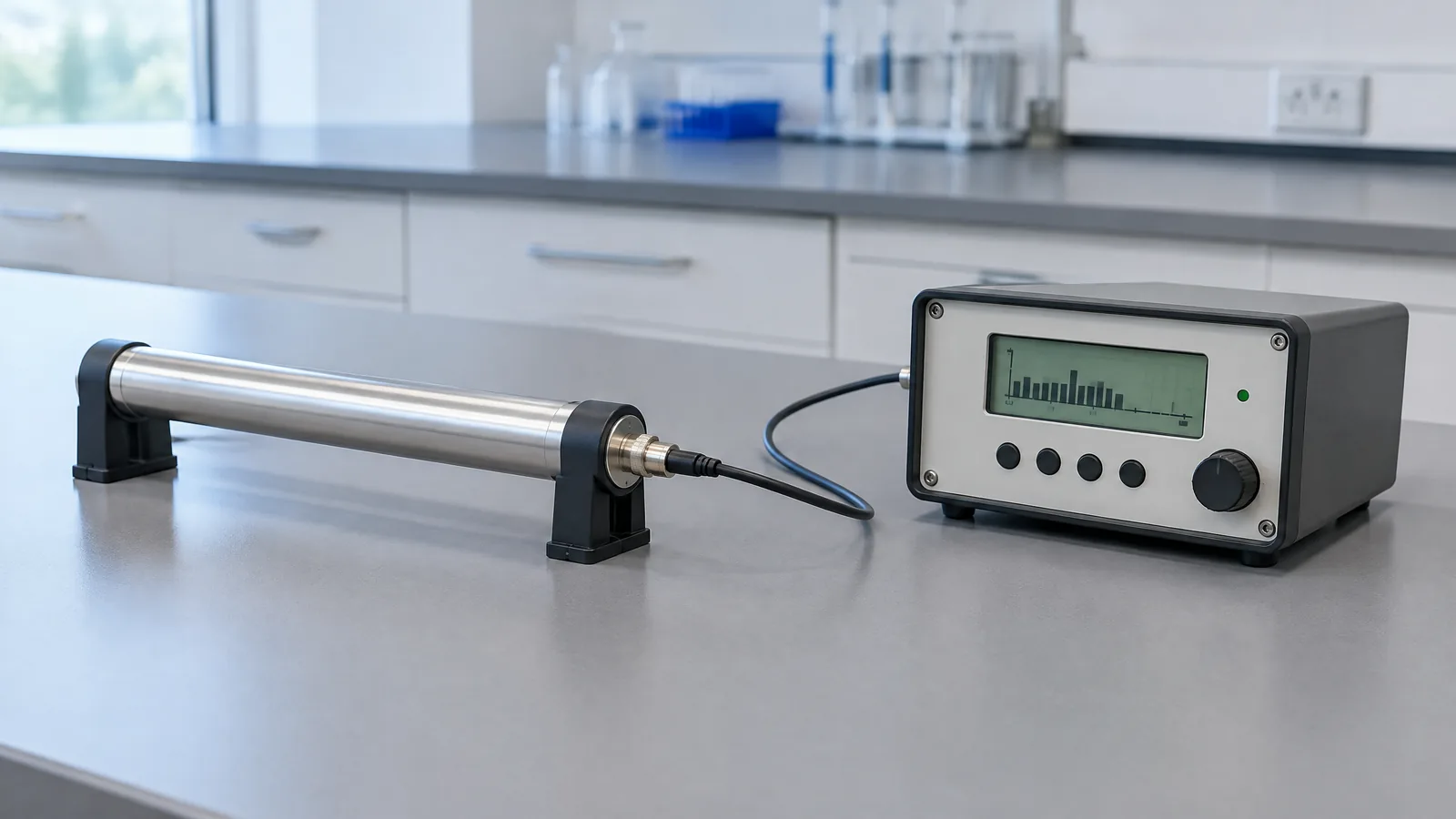
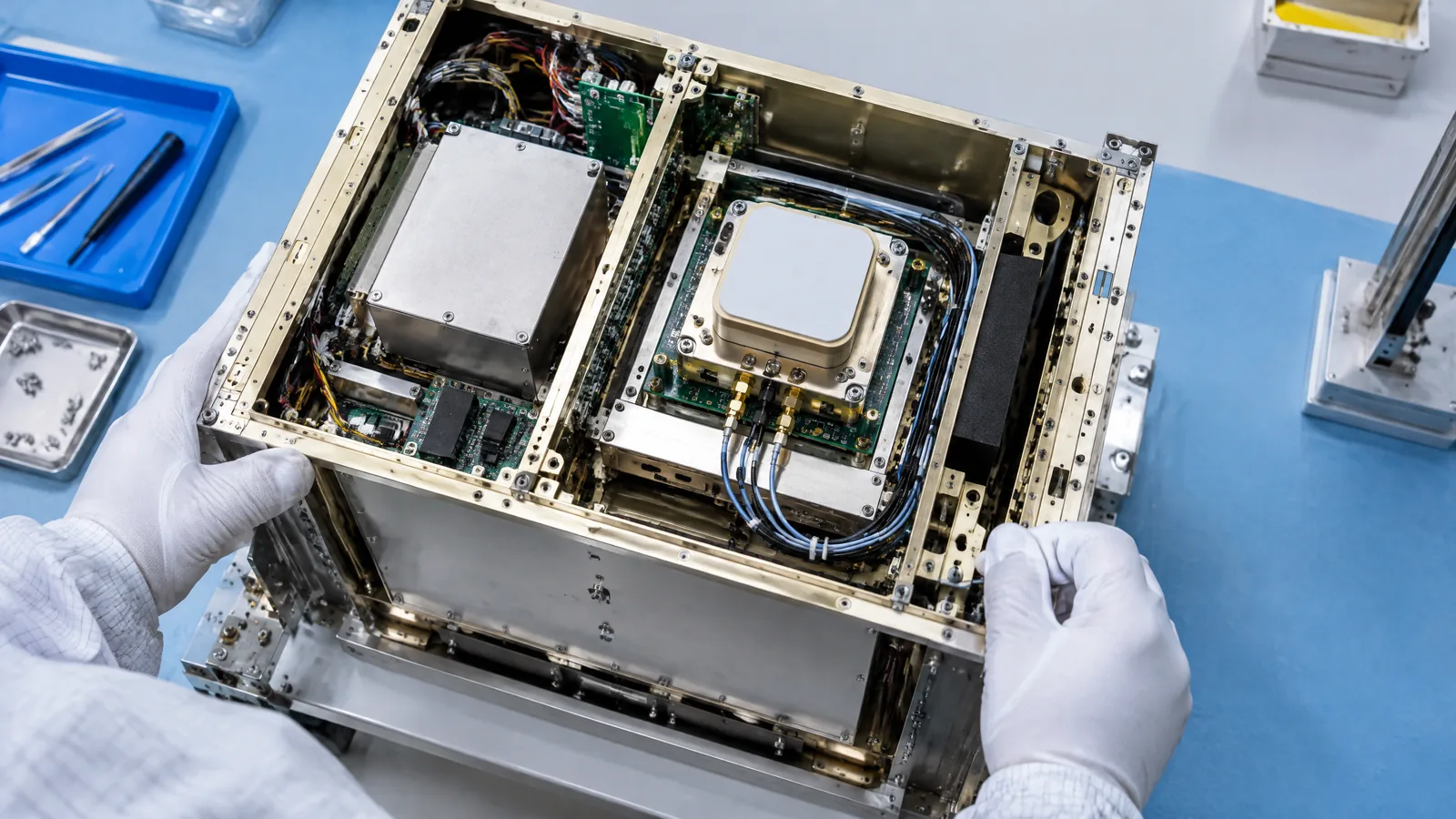
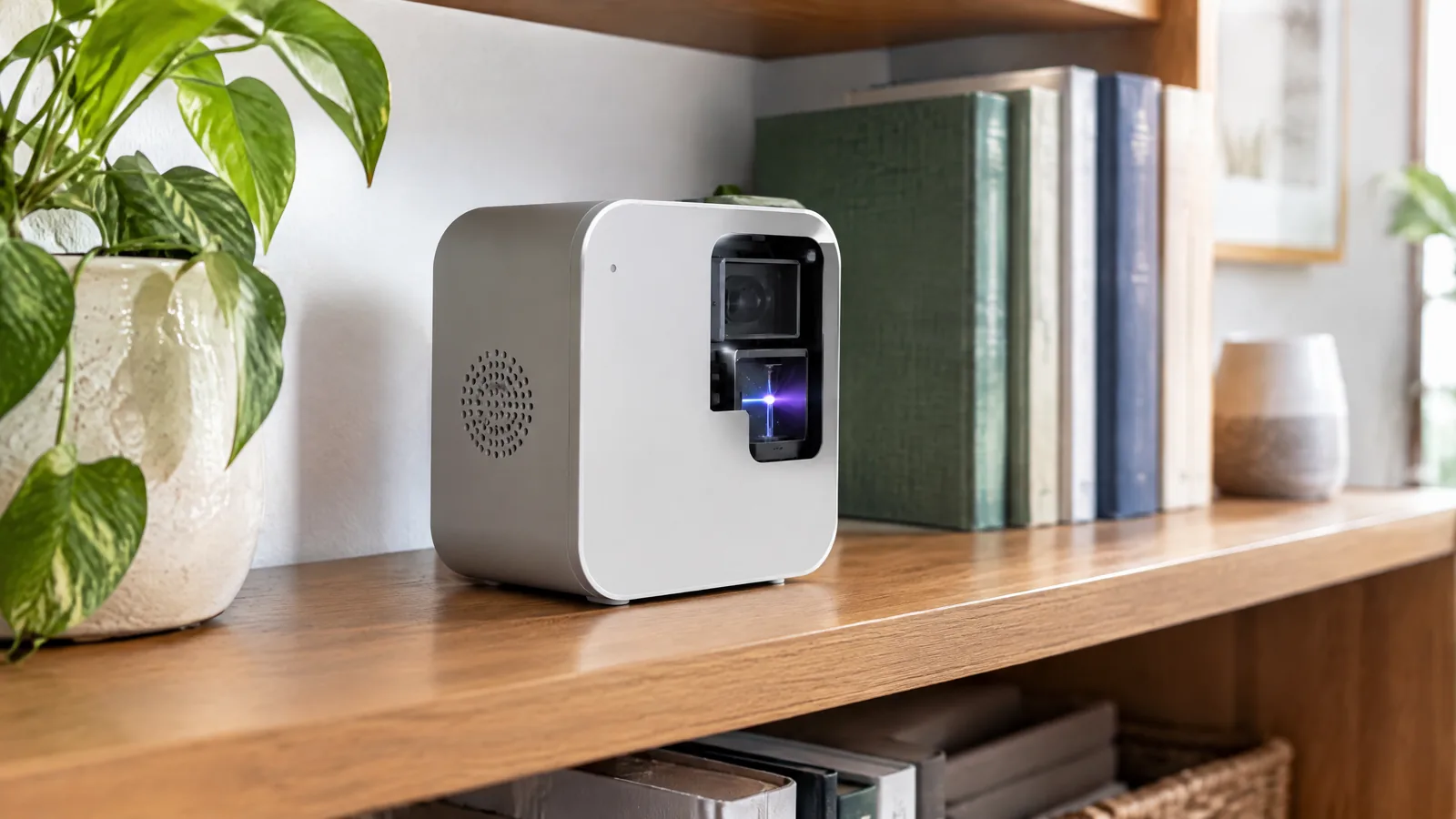
AI-generated editorial illustration; not an actual product or mission photograph.
Source notes
Reporting record
techduopulse stores source destinations privately. Public notes remain non-clickable so every visitor journey stays on this website.
Source note: U.S. Environmental Protection Agency — Low-Cost Air Pollution Monitors and Indoor Air Quality
Context source · Monitor components, selected-pollutant scope, PM-only limits, emergency-alert distinction, performance and IAQ improvement approachesSource note: U.S. Environmental Protection Agency — Report on the Environment: Indoor Air Quality
Context source · Indoor pollutant sources, air exchange, weather and occupant factors, and limits of nationwide indoor monitoringSource note: EPA air-sensor technology guidance
Primary source · Sensor definition, targeted PM detection, appliance-trigger use and remaining indoor data-quality gapsNew Buildings application article for the PM2.5 sensor gap. Explains optical-scattering estimation, separates the physical sensor from model-specific monitor components, focuses on indoor trend interpretation and placement, and clearly limits PM-only devices without unsupported accuracy, thresholds or product claims.