
 Explainer
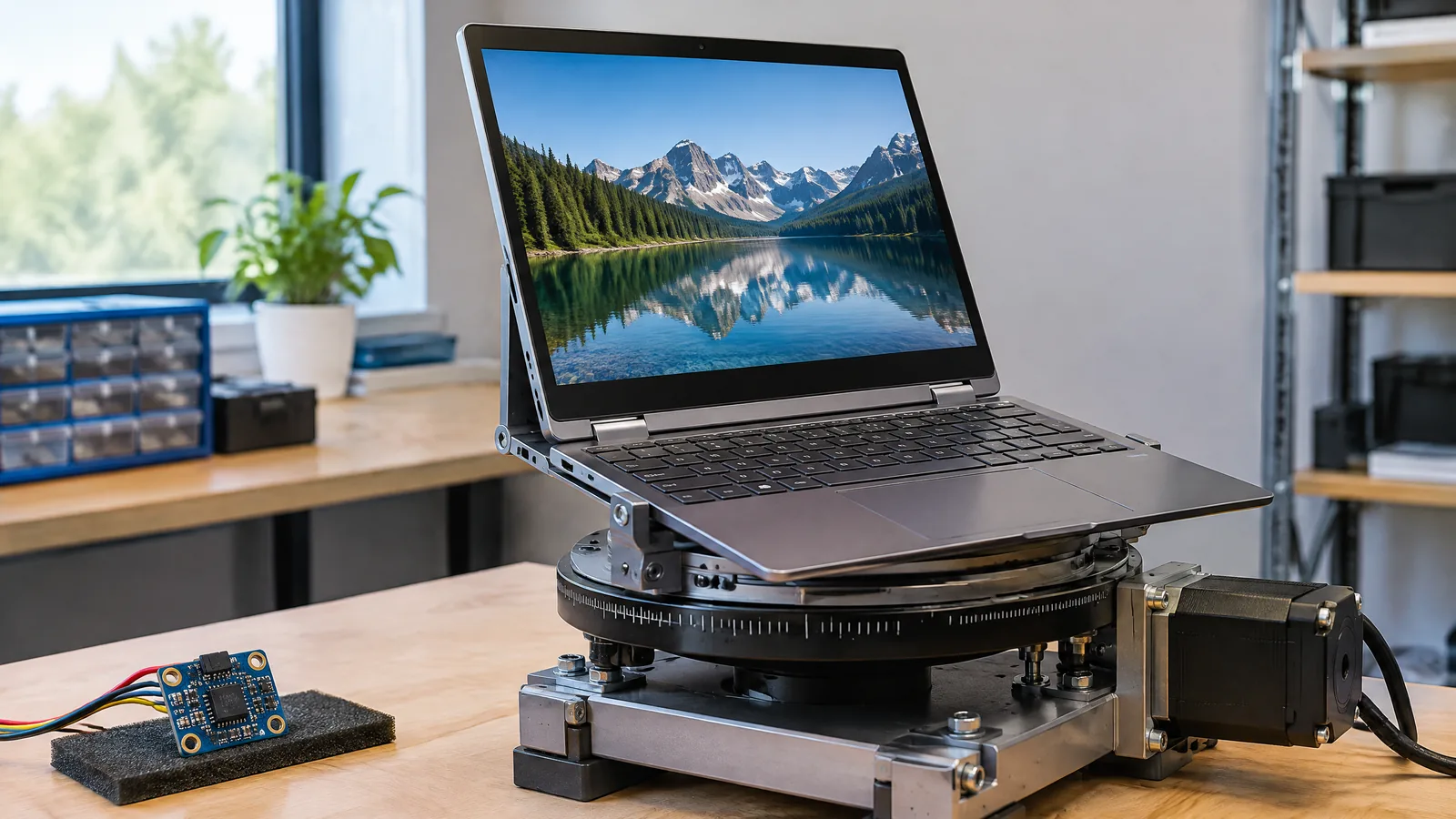
Laptop Accelerometer: Motion and Tilt in Convertibles
A laptop accelerometer can help a convertible understand movement and tilt, but the sensor is optional and software needs a fallback when it is absent.
techduopulse / Latest
The newest reporting, analysis, explainers, reviews, and practical guides from the techduopulse newsroom.
Showing 73–96 of 320 stories
ExplainerA laptop accelerometer can help a convertible understand movement and tilt, but the sensor is optional and software needs a fallback when it is absent.
 Explainer
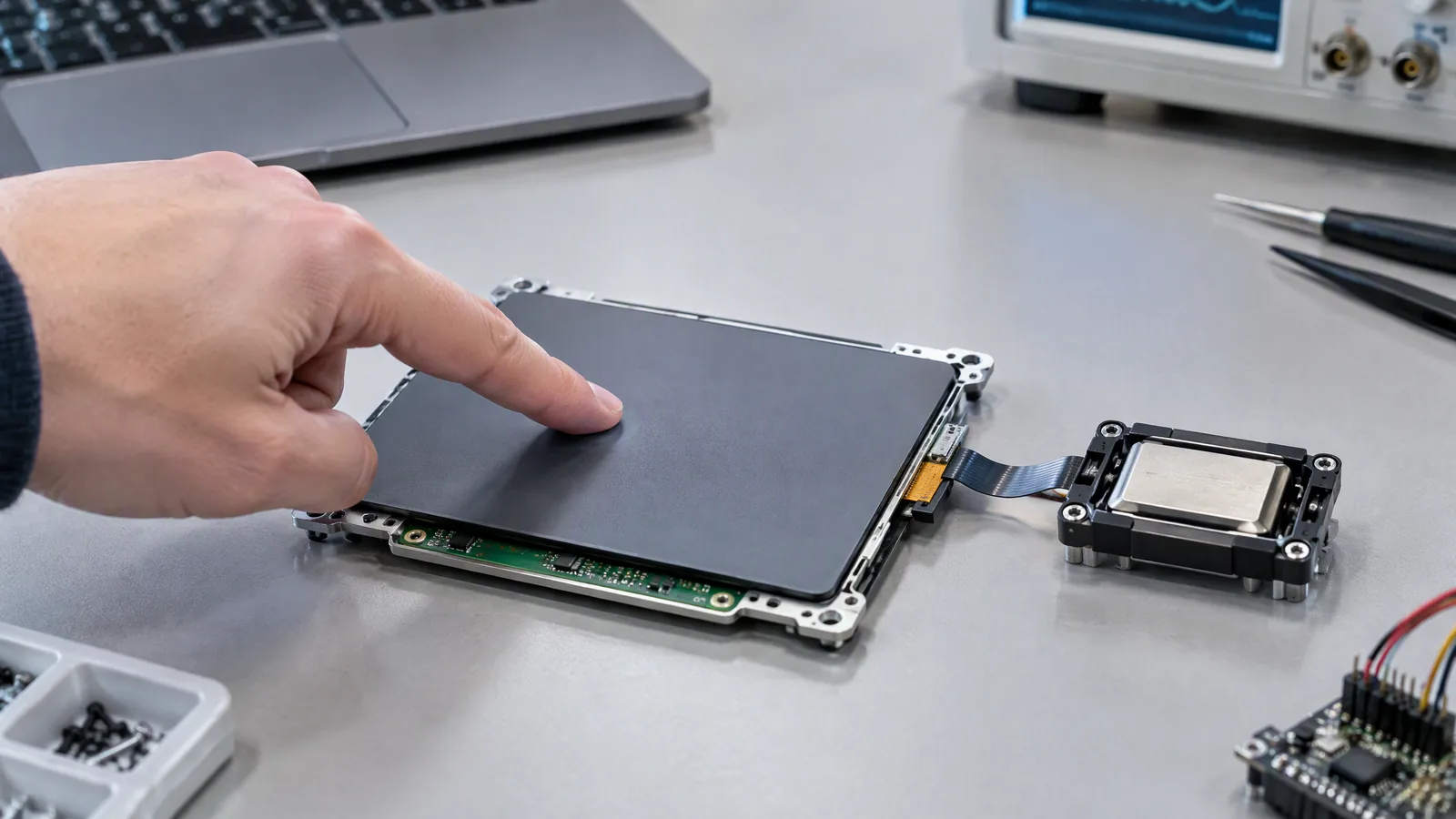
A plain-English guide to the force-sensing touchpad layer in some laptops, including pressure input, click-anywhere behavior, haptics and model-specific limits.
 Explainer
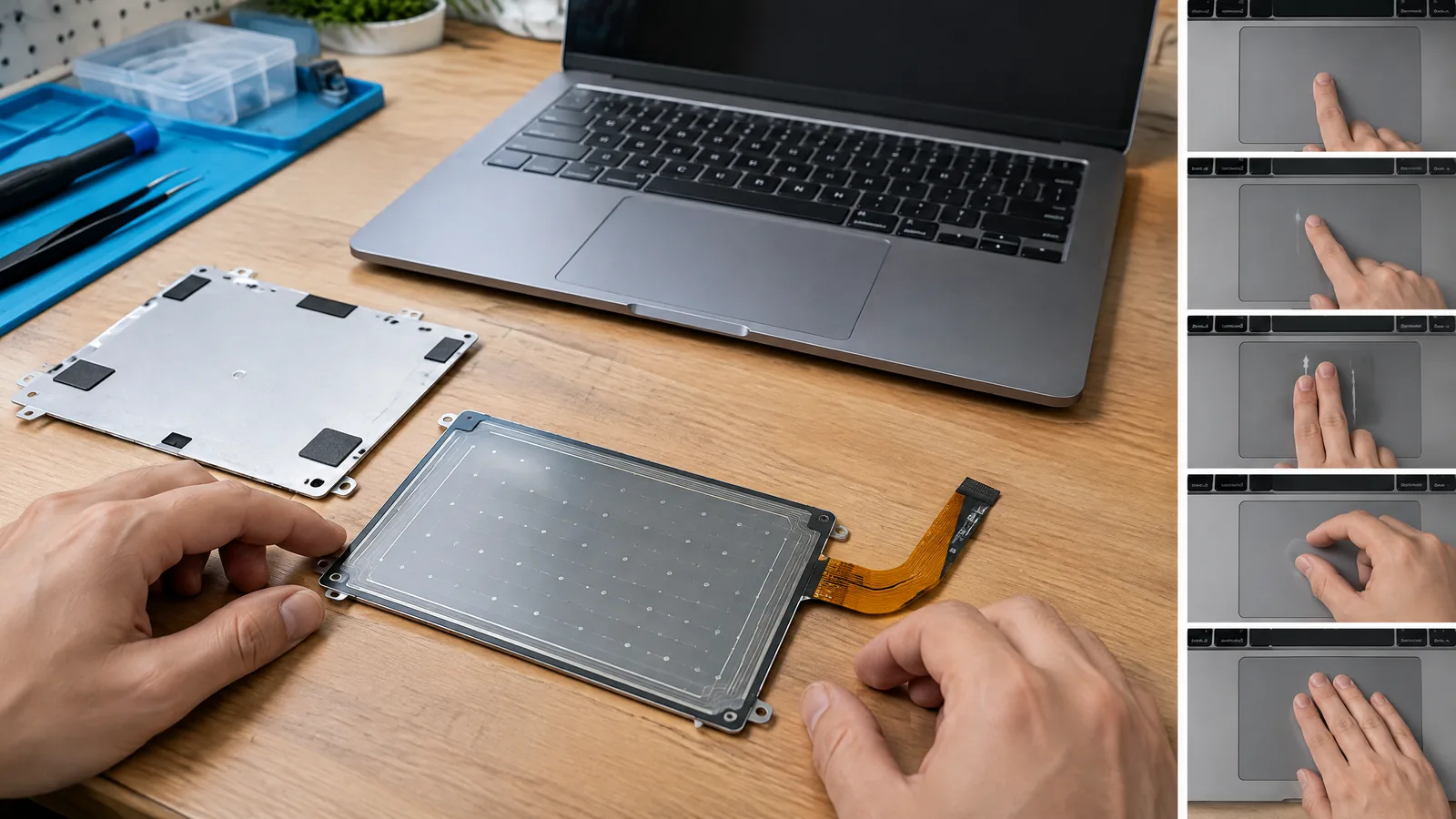
A laptop touchpad capacitive sensor detects changes in an electrode pattern, while its controller and driver turn those changes into pointing, taps, scrolling and palm rejection.
 Explainer
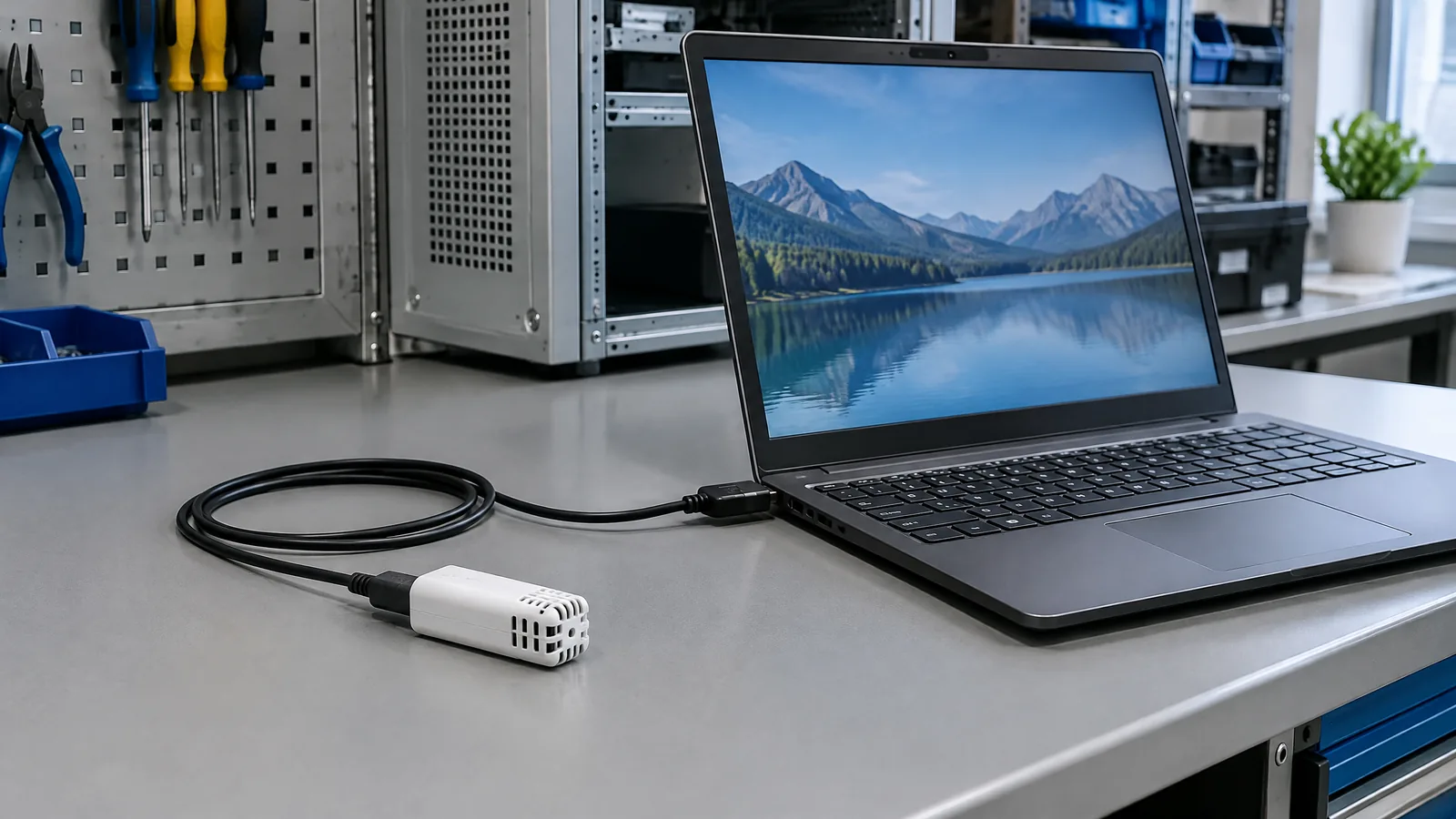
Use an external USB temperature and relative-humidity sensor with a laptop to observe local air conditions, log readings and understand the limits of a small probe.
 Explainer
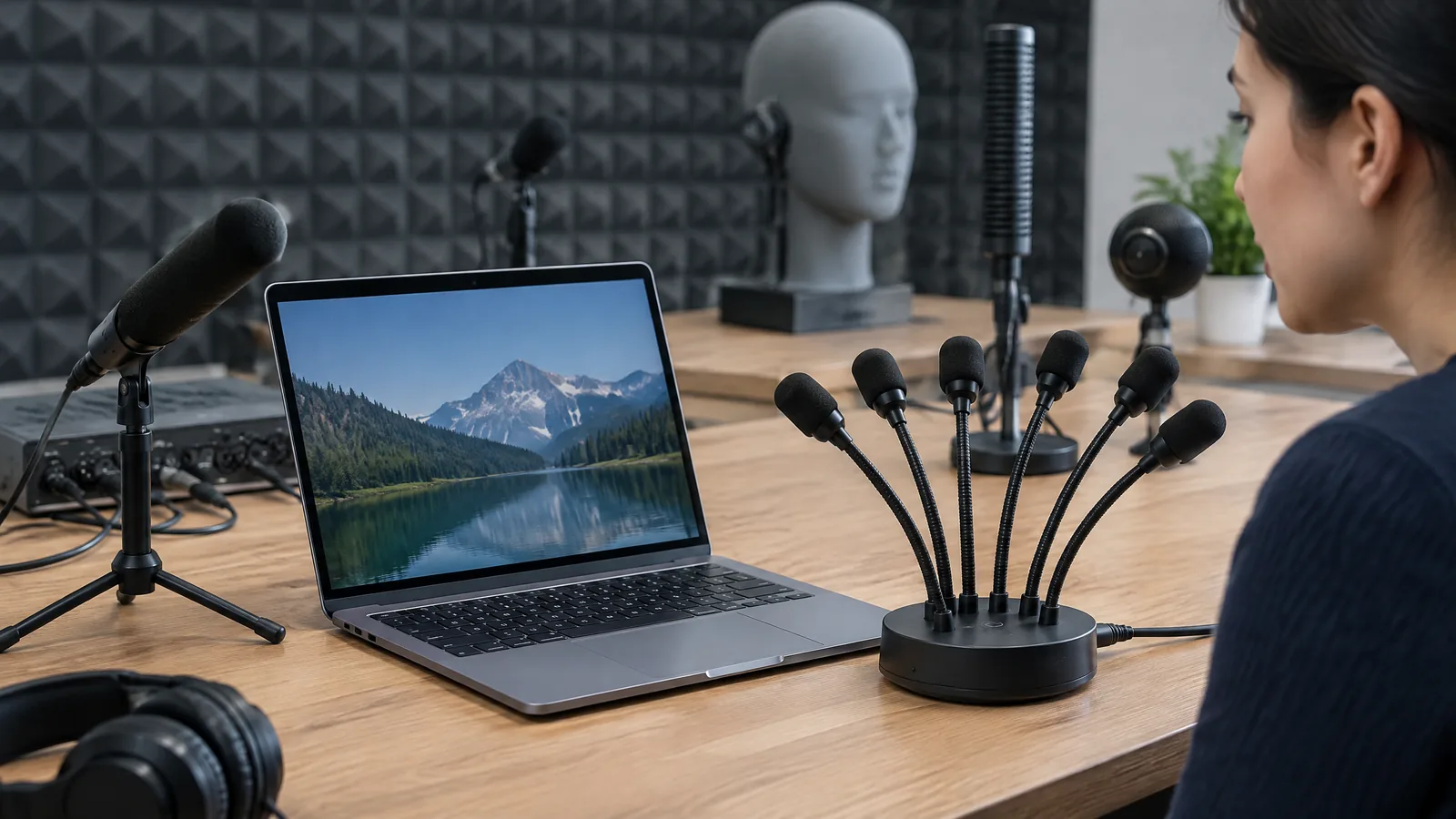
A clear guide to laptop microphone arrays, beamforming, noise suppression, placement limits and what varies between built-in and external setups.
 Explainer
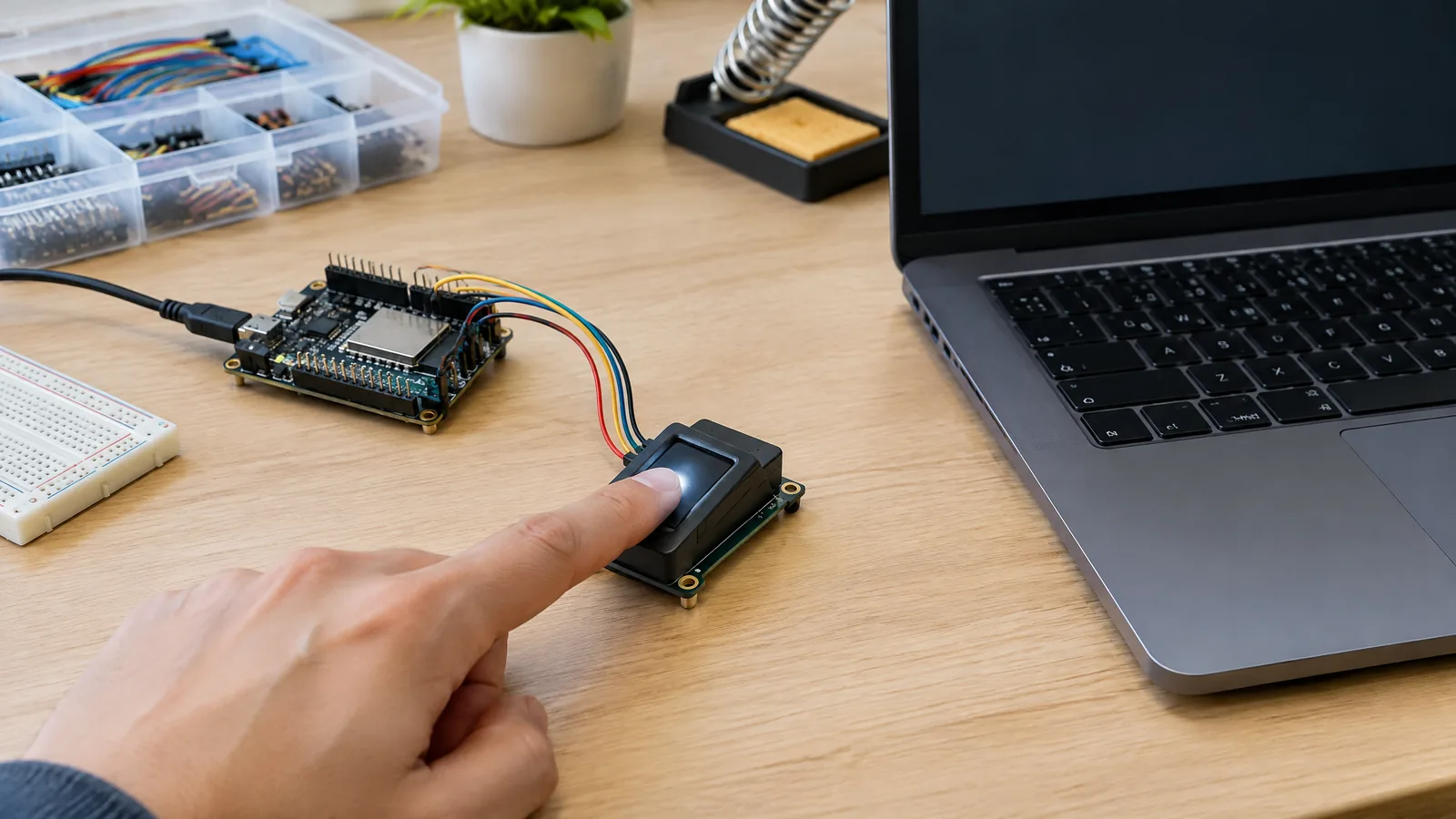
A practical guide to laptop fingerprint readers: what the physical sensor does, how Windows Hello uses it, what optional hardware you need and how to troubleshoot failed scans.
 Explainer
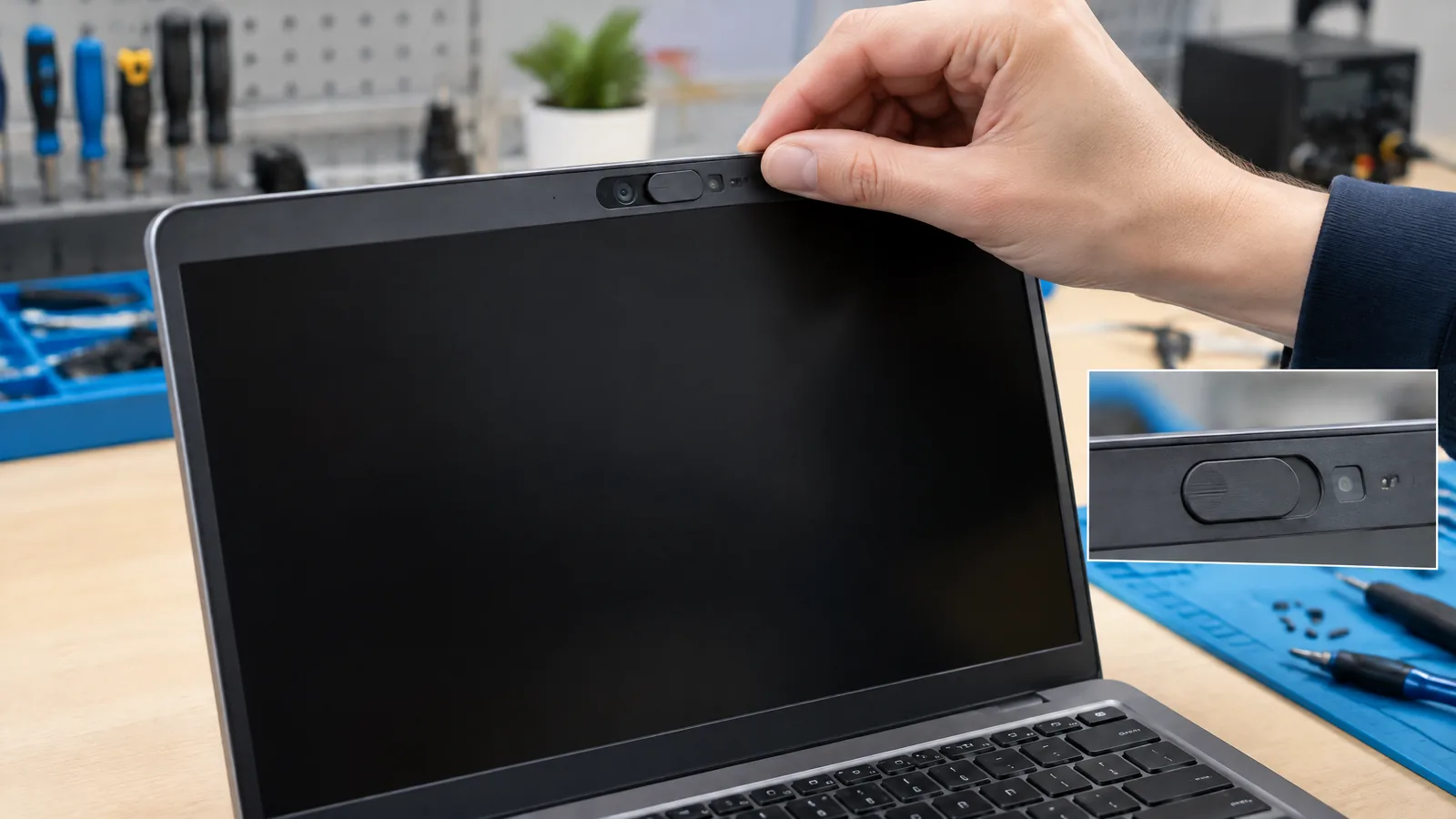
A laptop privacy shutter is a physical cover, but the message on screen depends on a separate state-sensing path. Here is how physical detection and firmware inference work, and what to check when the webcam says it is blocked.
 Explainer
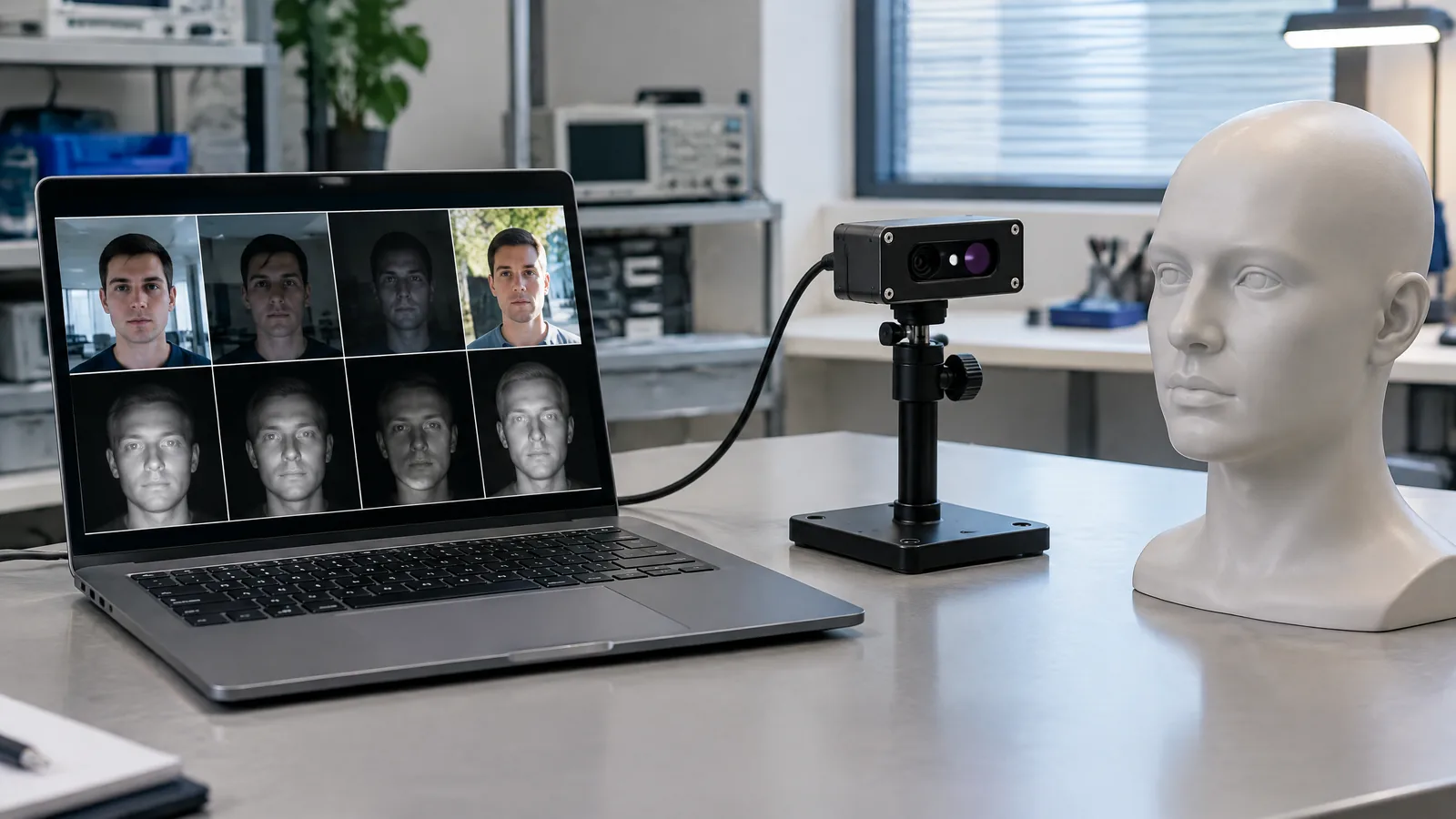
A practical guide to the near-infrared camera used for Windows Hello face sign-in, compatibility checks, external cameras and important limits.
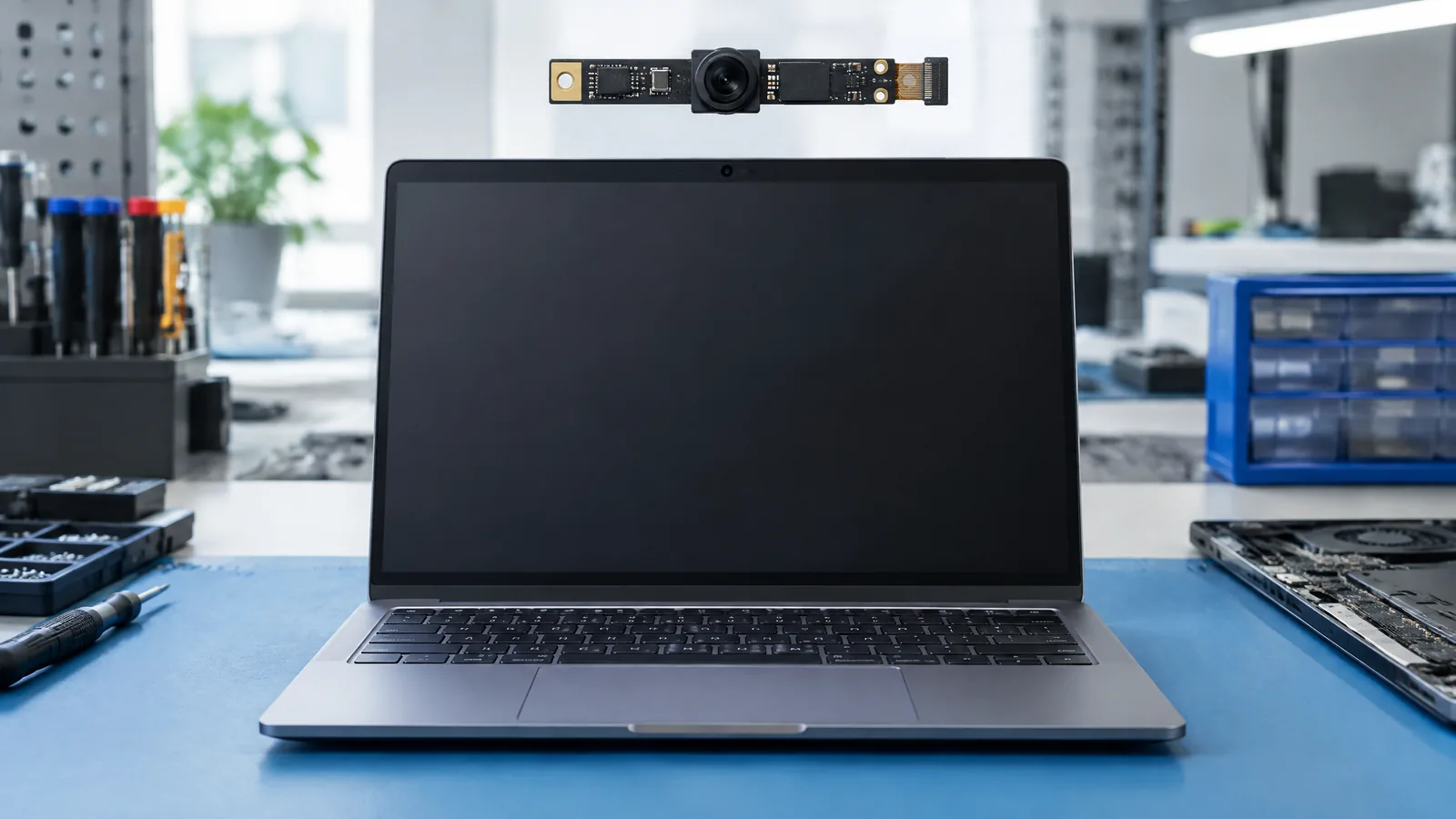 Explainer
Learn what an integrated webcam CMOS image sensor measures in a laptop, how its output becomes a video frame, and why camera quality and privacy depend on more than the sensor alone.
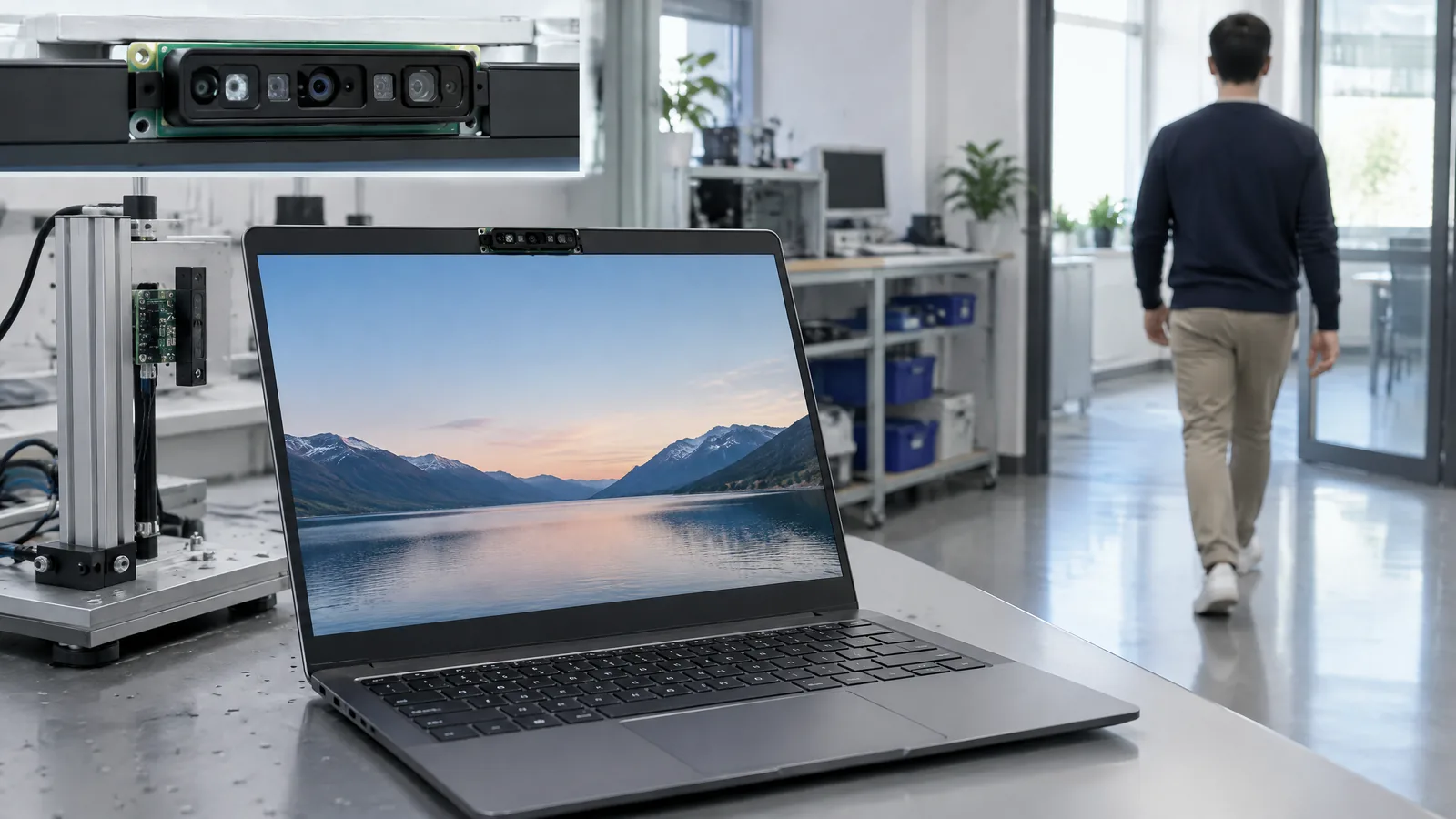 Explainer
A plain-English guide to multizone ToF laptop presence sensing, Windows walk-away lock, wake-on-approach, adaptive dimming and practical limits.
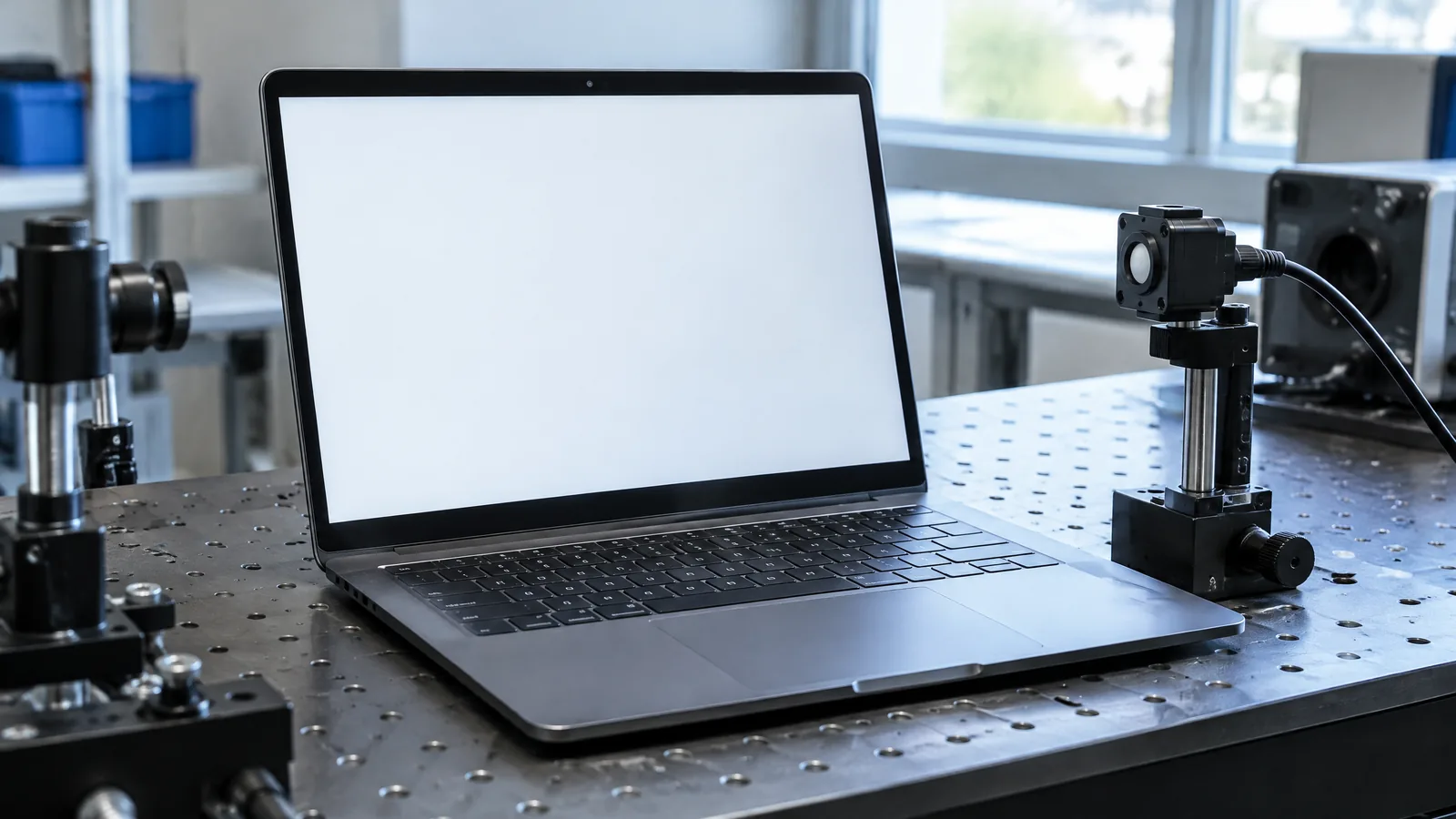 Explainer
A laptop ambient colour sensor reads the light around you so compatible Windows systems can adjust an internal display’s white point and intensity. Here is what the feature needs, what it changes, and why it may not appear on every laptop.
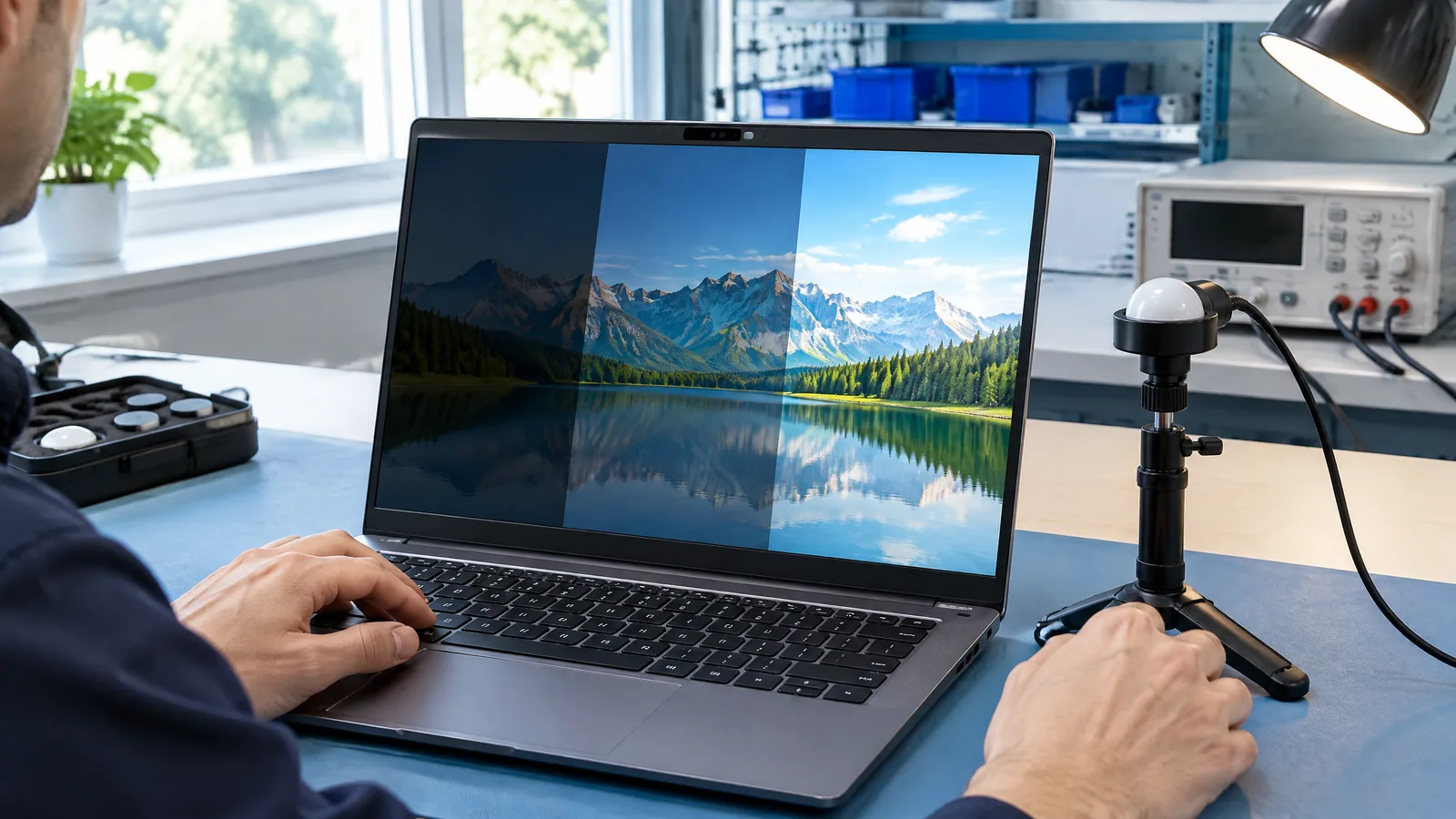 Explainer
A laptop ambient light sensor reads surrounding illumination so system software can adjust the display. Learn what the ALS measures, why placement and shadows matter, and what to check when auto-brightness behaves oddly.
 Explainer
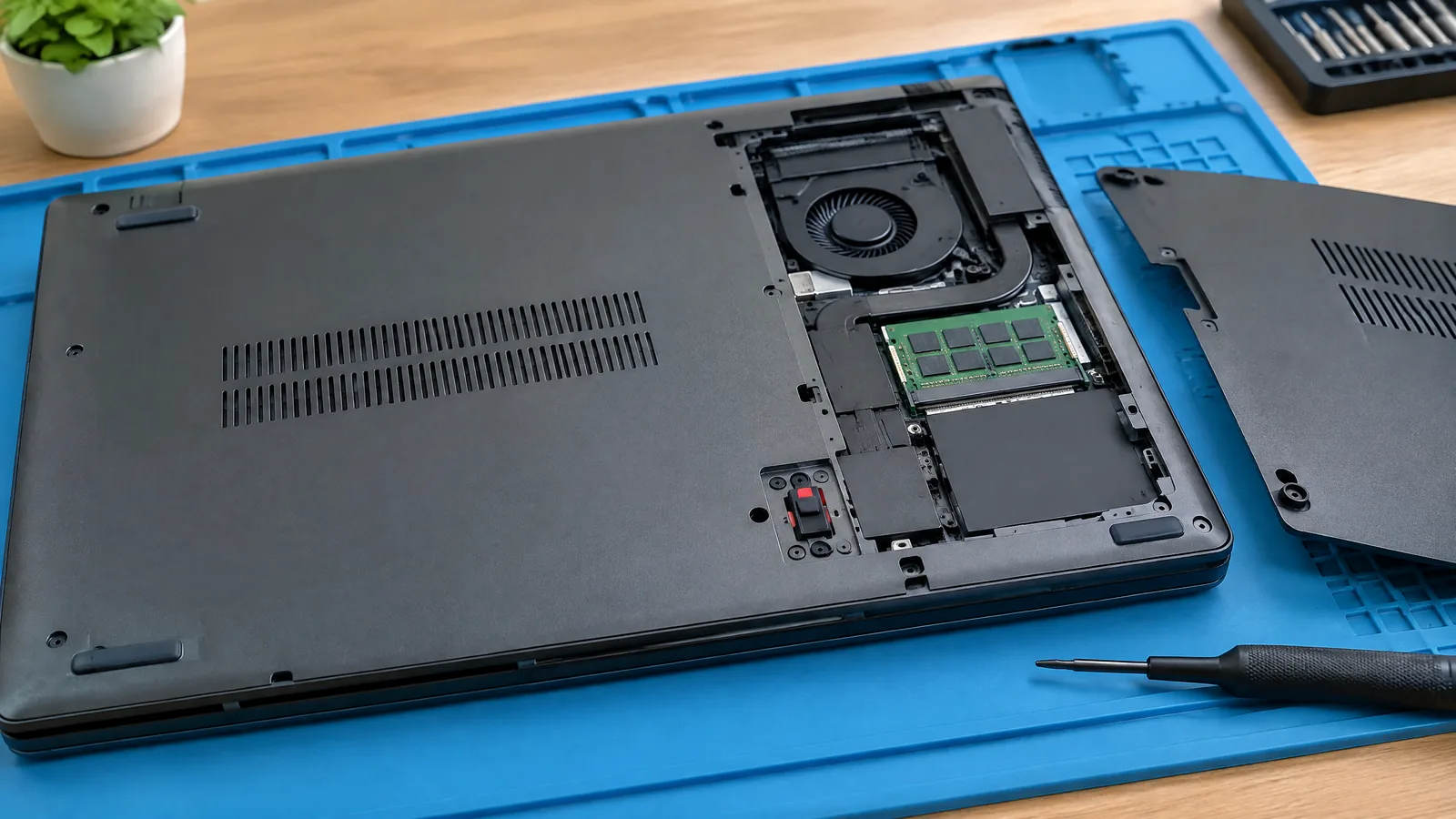
A plain-English guide to the model-specific switch that records a laptop base-cover opening, what the BIOS alert means and why every laptop does not have one.
 Explainer
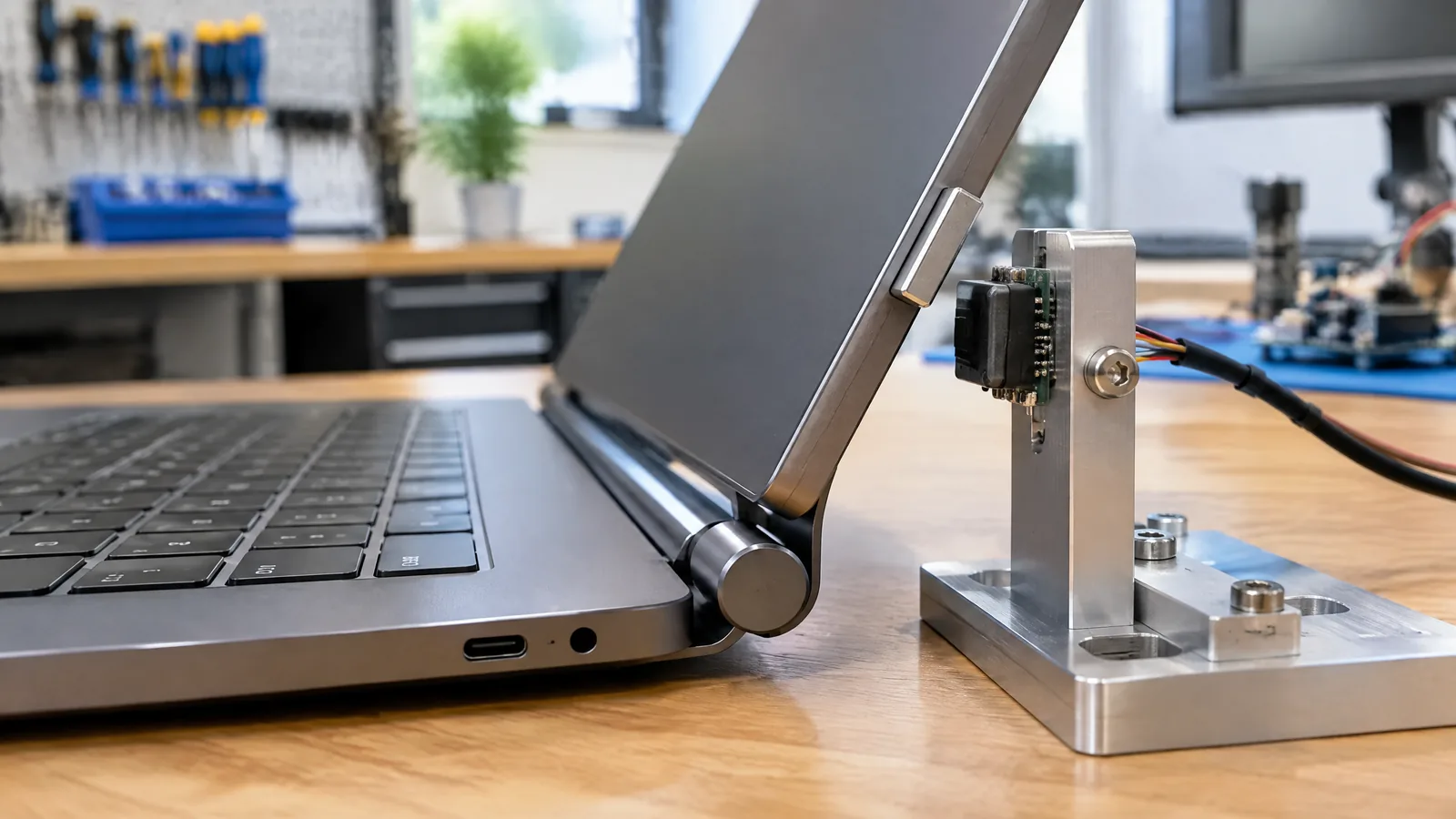
A plain-English guide to how a laptop Hall-effect lid-position sensor detects closure, changes display behaviour and can react to a nearby magnet.
 Explainer
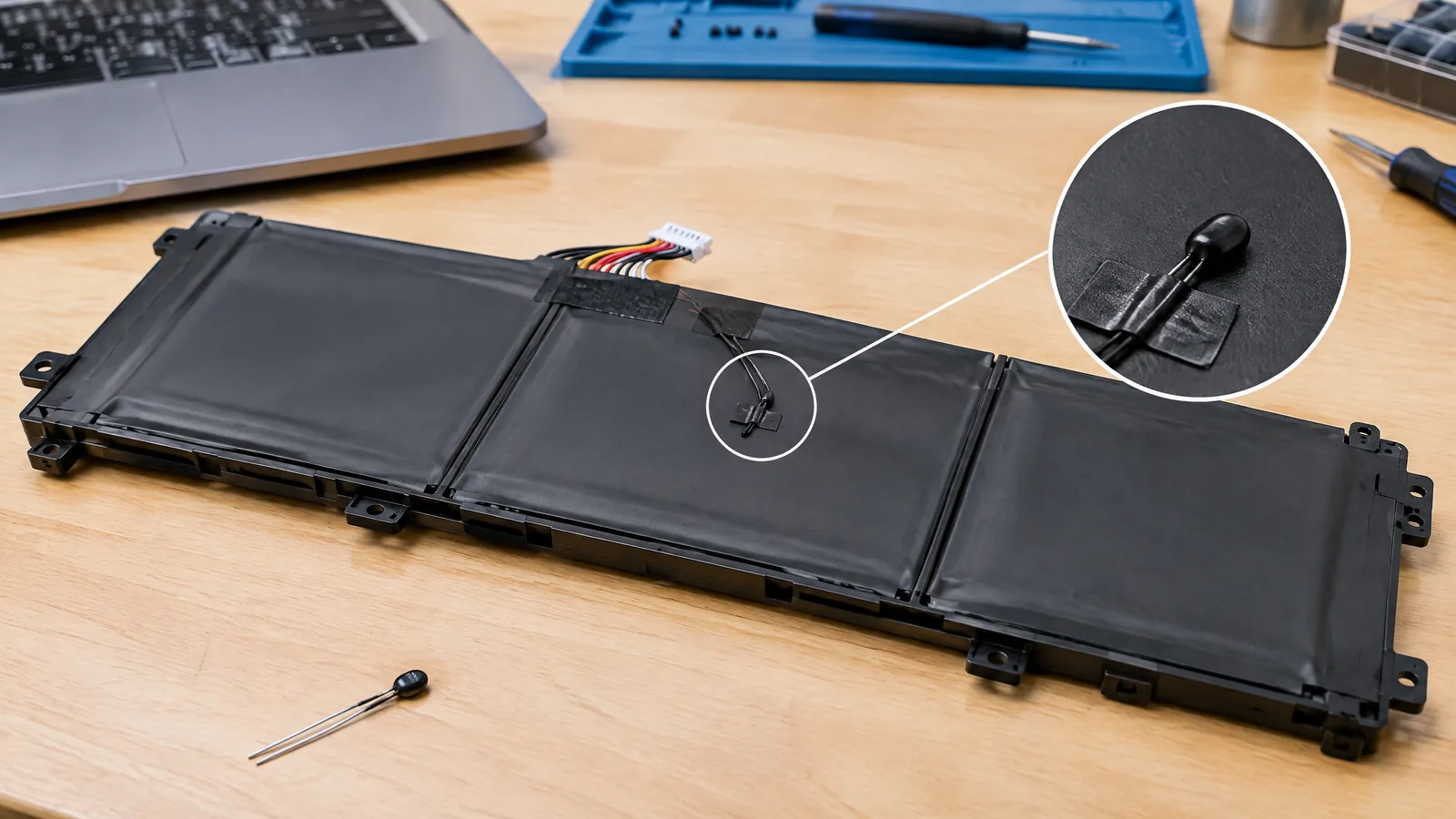
A laptop battery temperature sensor is usually an NTC thermistor that helps the pack monitor heat, protect charging and inform battery estimates.
 Explainer
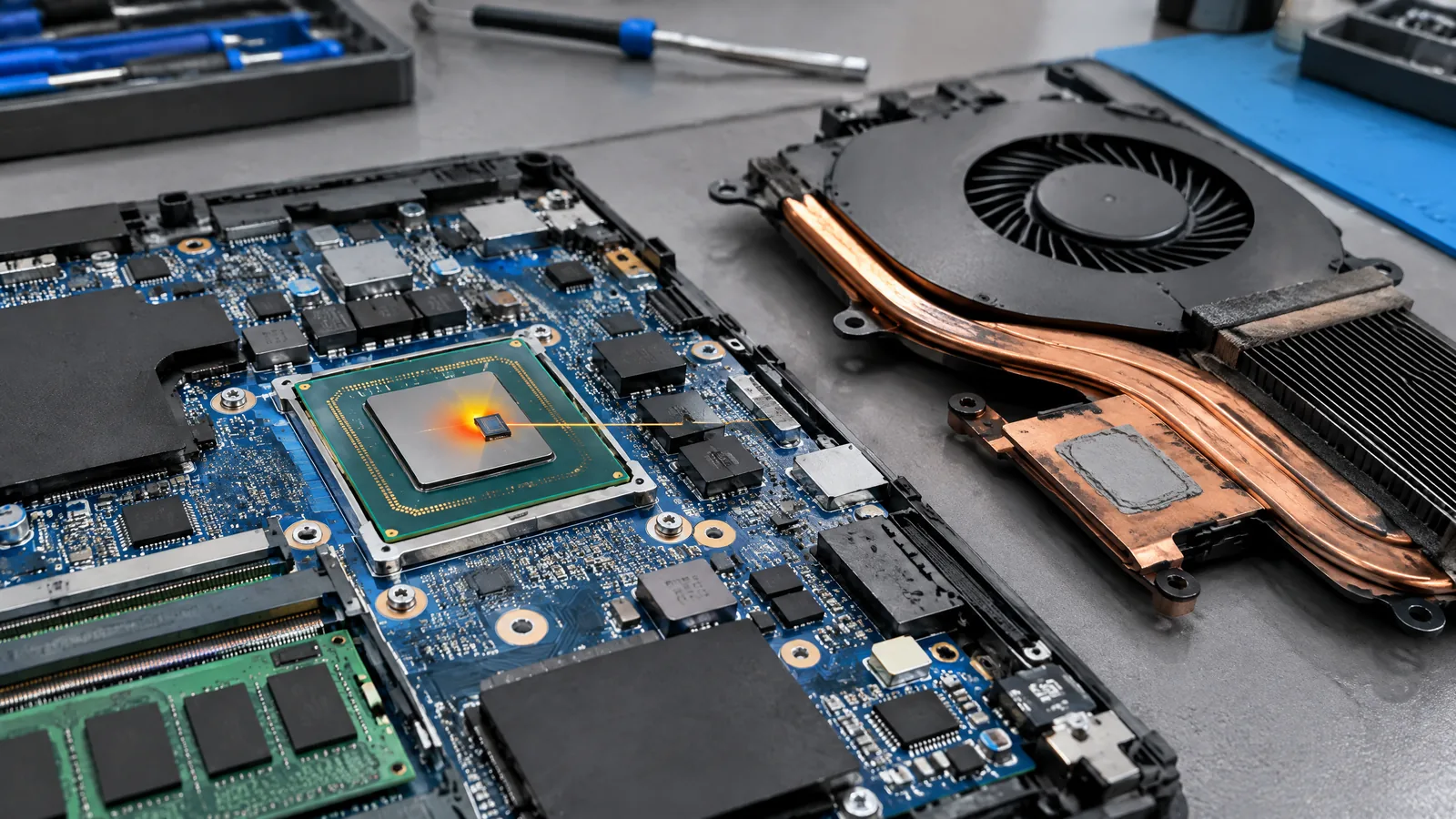
A plain-English guide to the CPU on-die digital thermal sensor (DTS), what its temperature reading represents, and why laptop performance or fan speed can change.
 Explainer
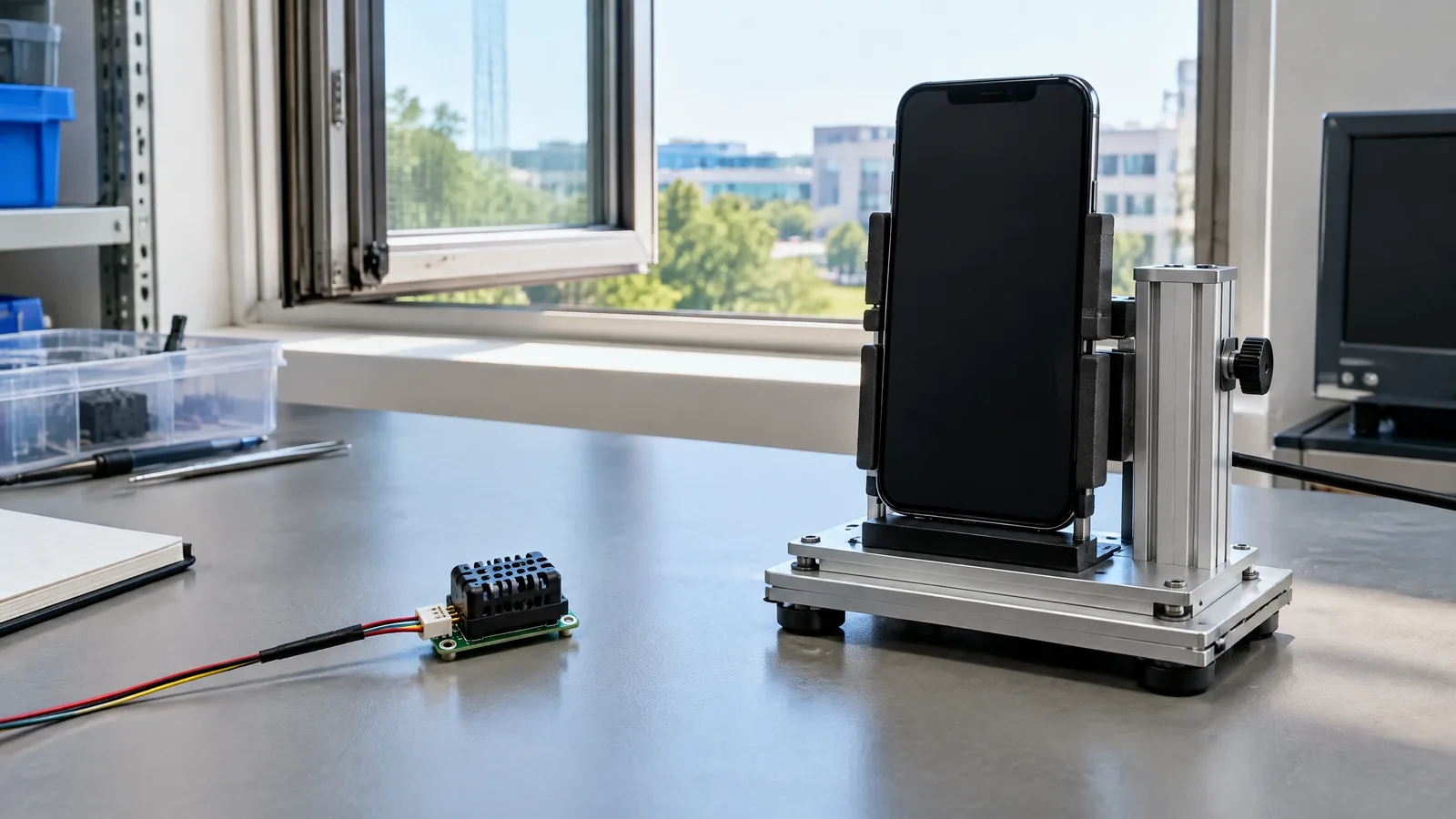
An easy guide to checking whether your phone has an ambient-temperature sensor, what its reading means and why pocket or charging heat can mislead it.
 Explainer
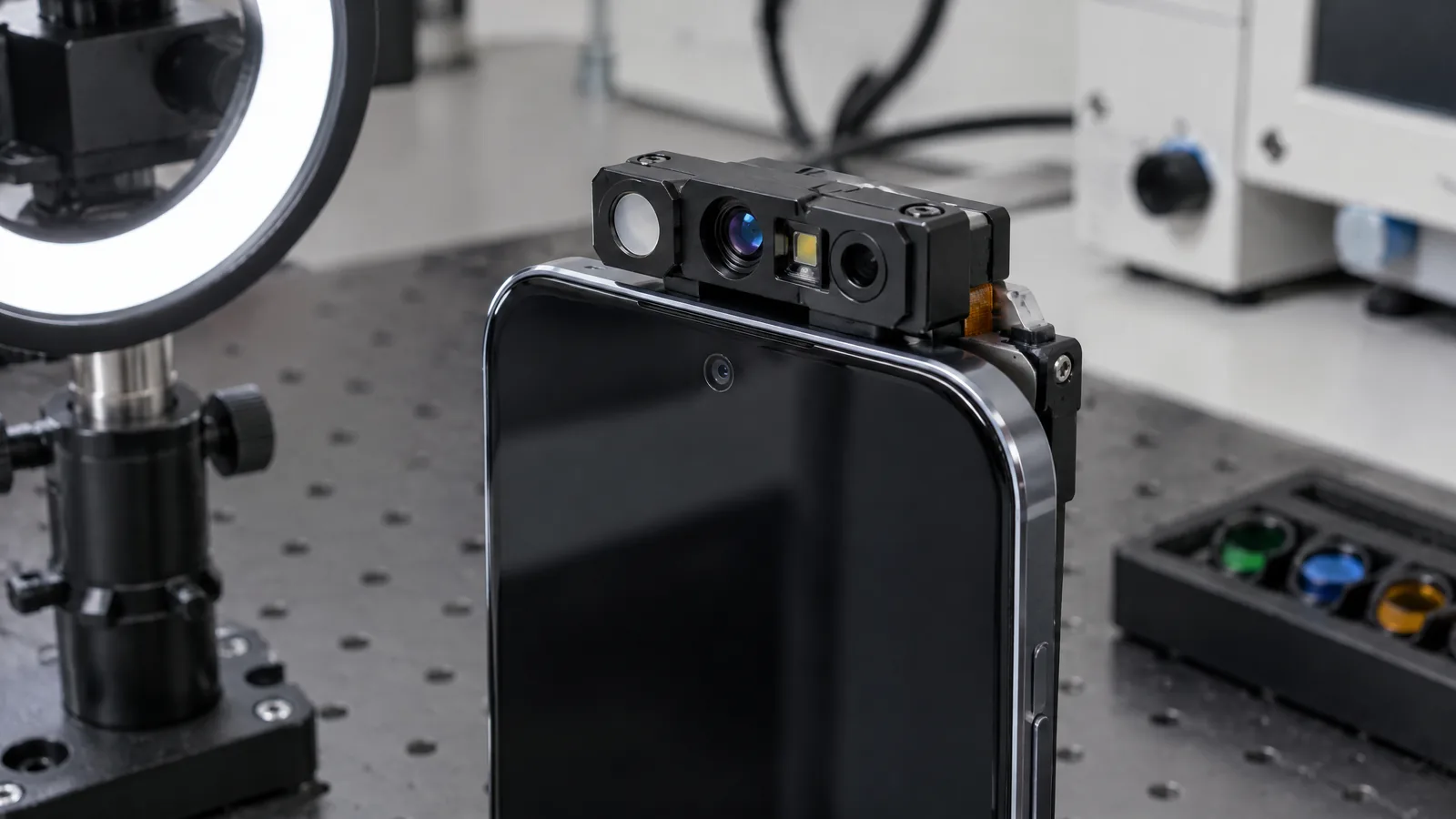
A beginner-friendly look at the physical phone sensor that can read ambient color and light flicker for display management and camera processing.
 Explainer
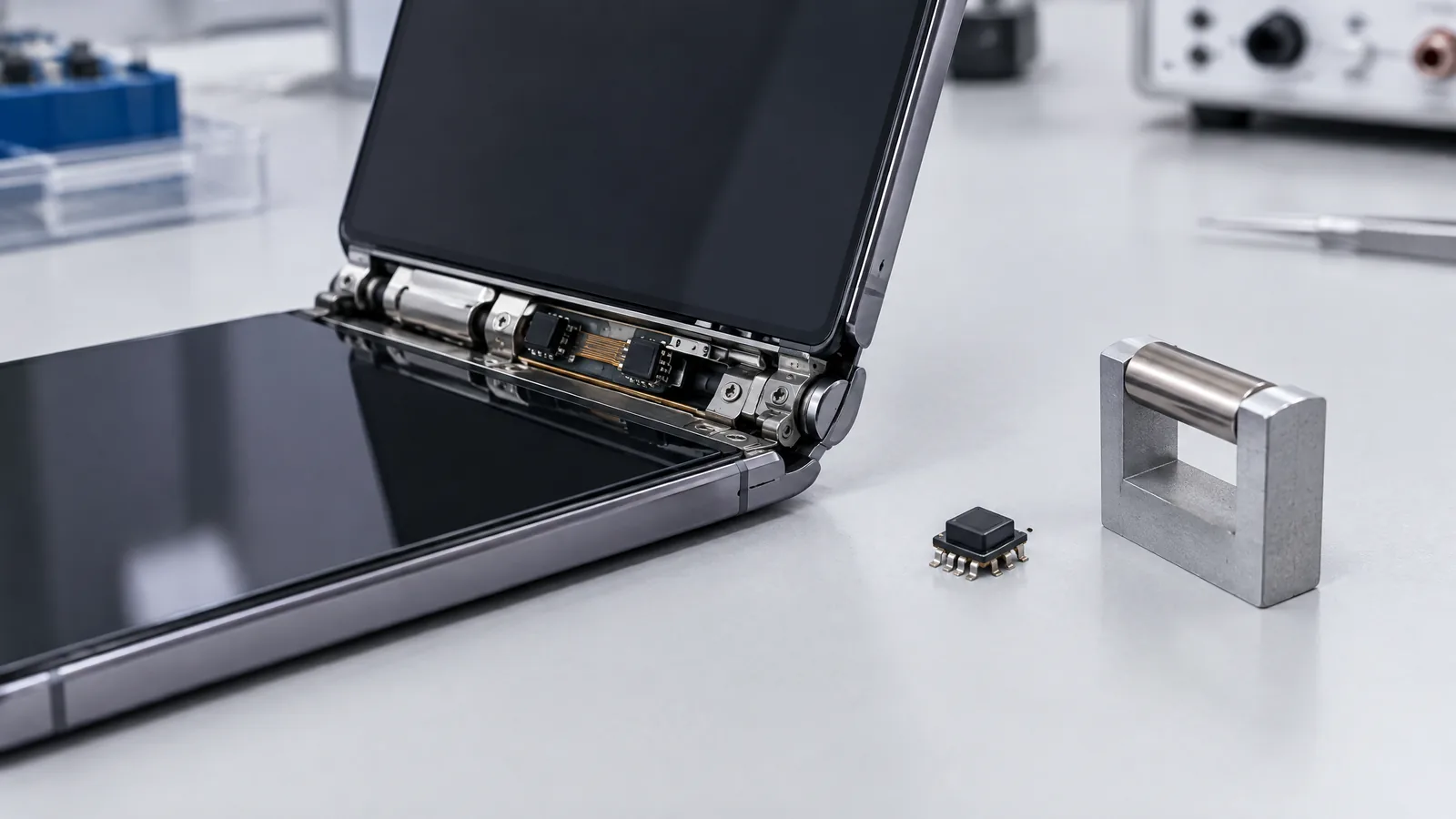
A plain-English guide to how a magnet and Hall sensor can help a foldable phone recognise opening and closing, and why some designs add confirmation sensors.
 Explainer
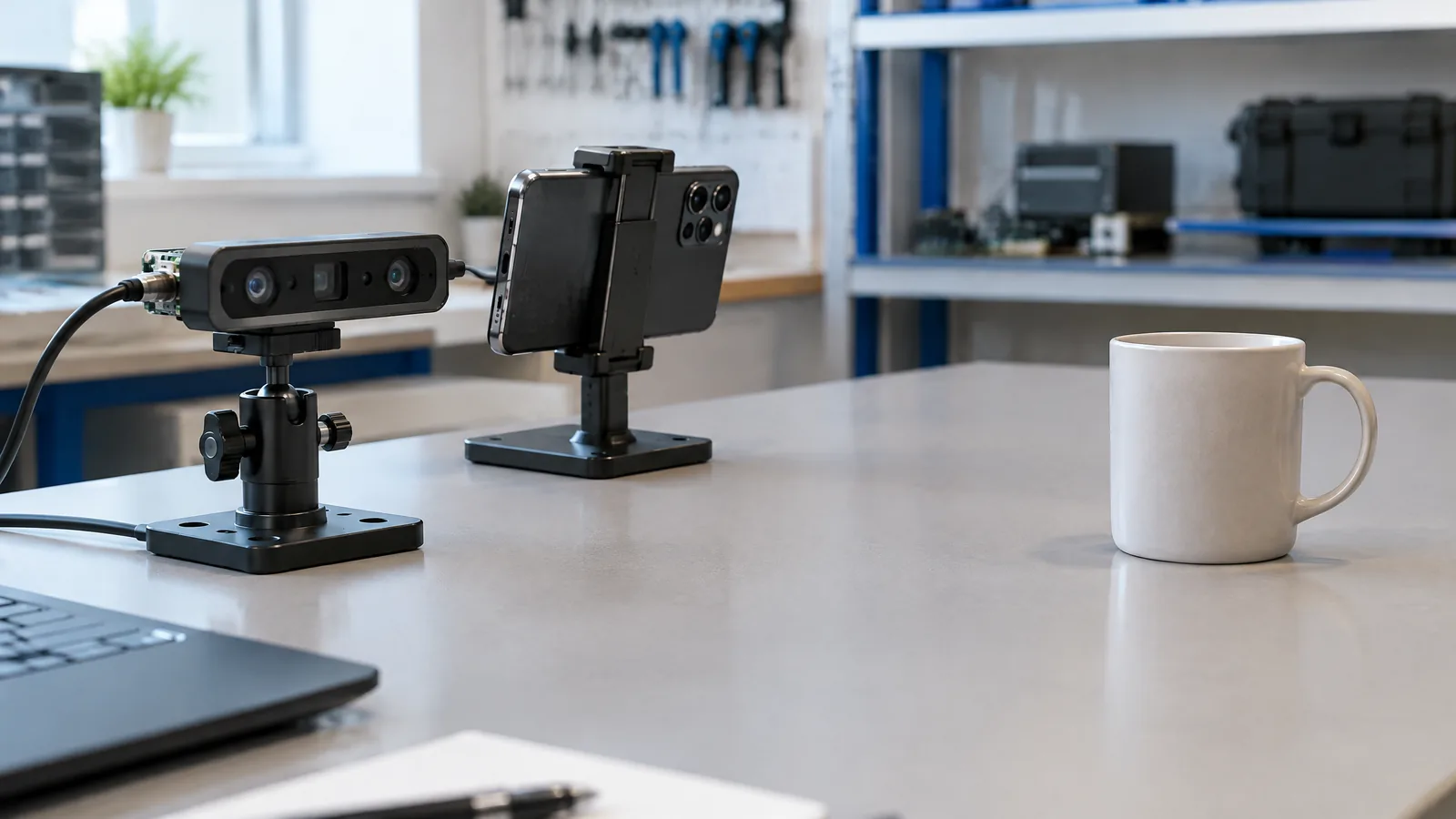
A plain-English guide to LiDAR and ToF depth hardware in phones, what depth maps enable, and why portrait blur does not prove a phone has a scanner.
 Explainer
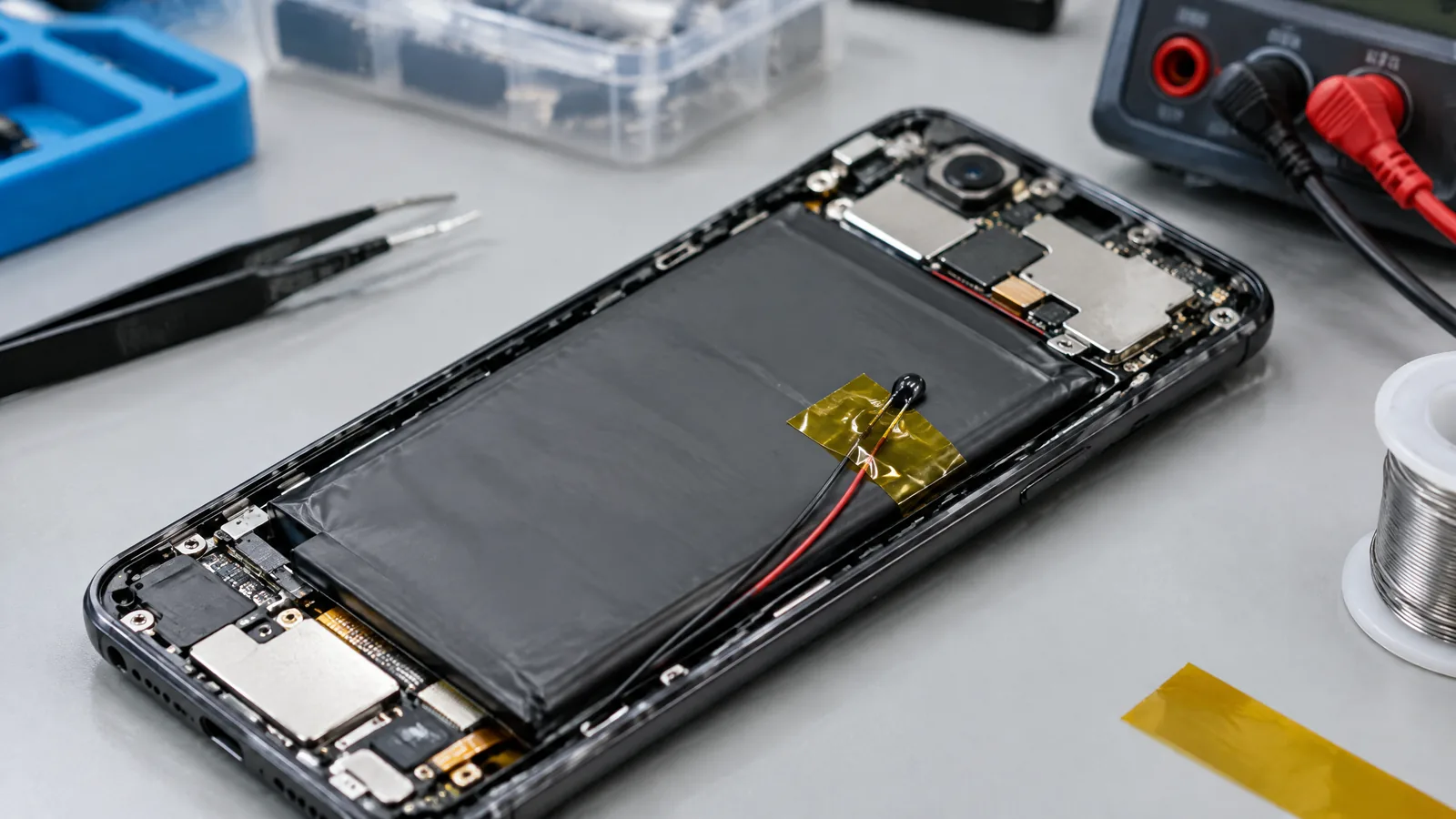
A beginner-friendly explanation of how a phone battery-pack NTC thermistor senses local battery temperature and helps battery-management hardware respond to heat.
 Explainer
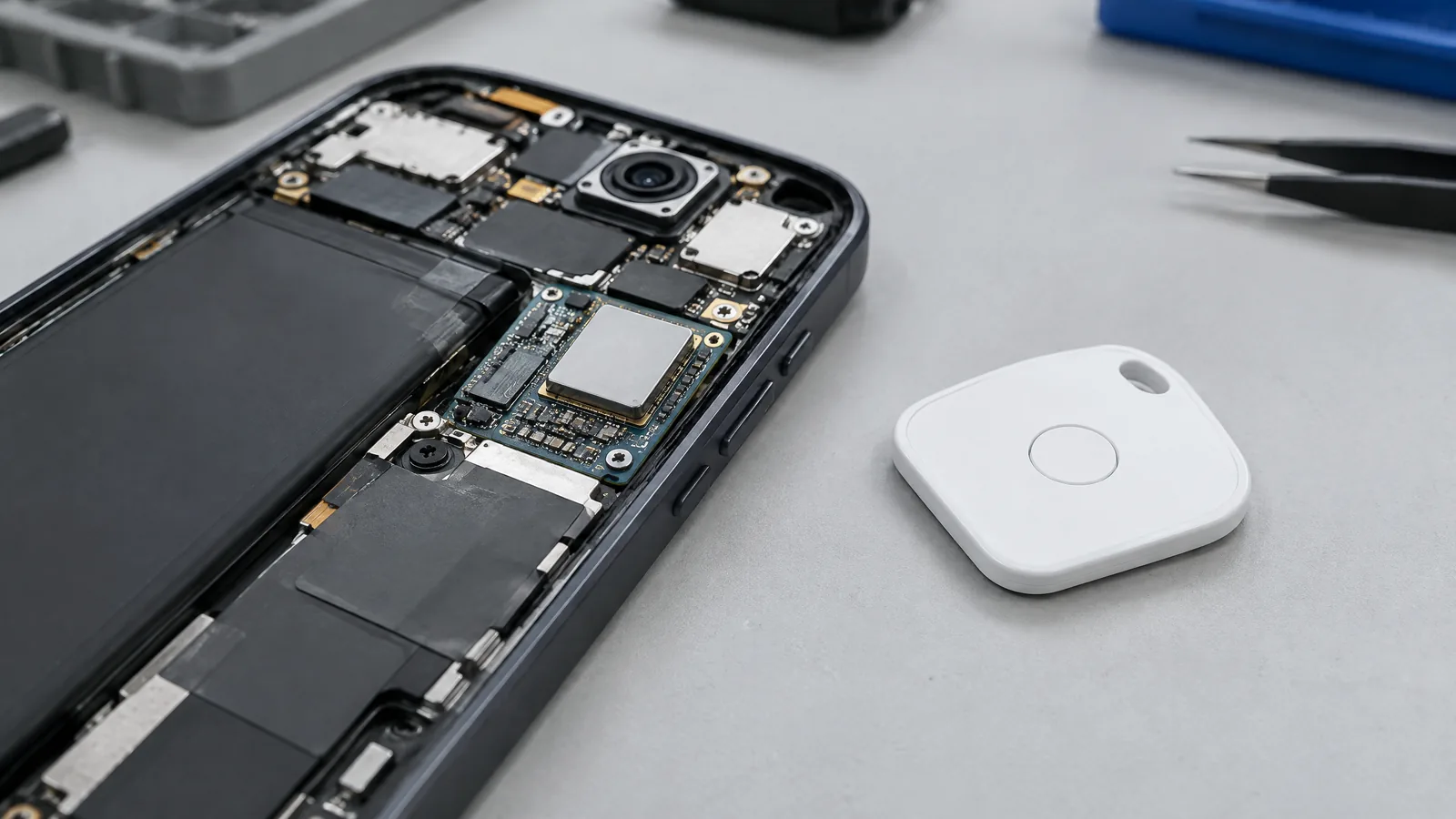
Ultra-wideband in a phone can measure the distance and relative position of compatible nearby devices. Here is what the hardware does, what it needs, and why it is not a replacement for GPS.
 Explainer
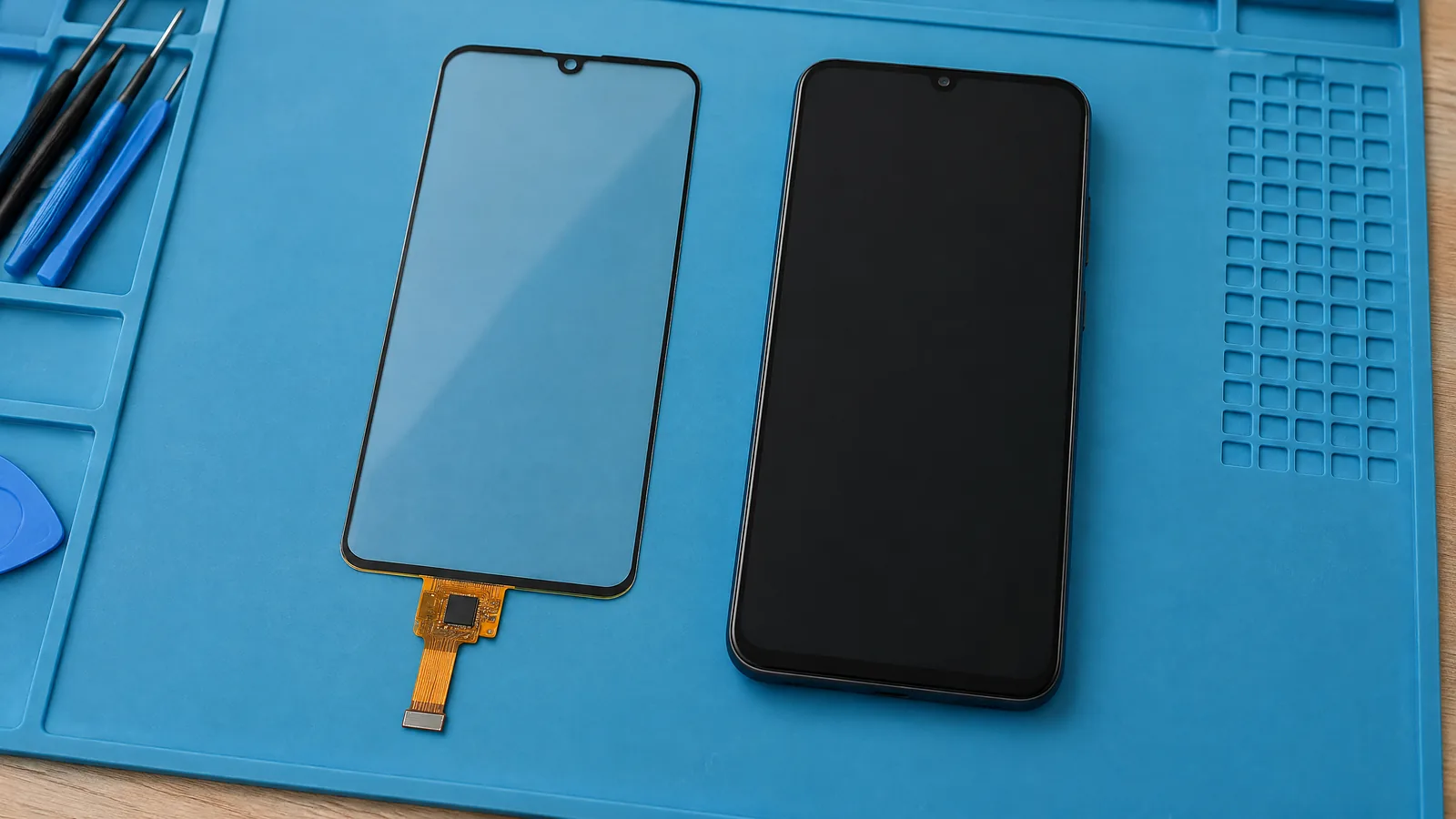
When a phone turns a tap, swipe or pinch into an on-screen action, its capacitive touchscreen digitizer measures changes around a fine electrode grid before software interprets the result.
 Explainer
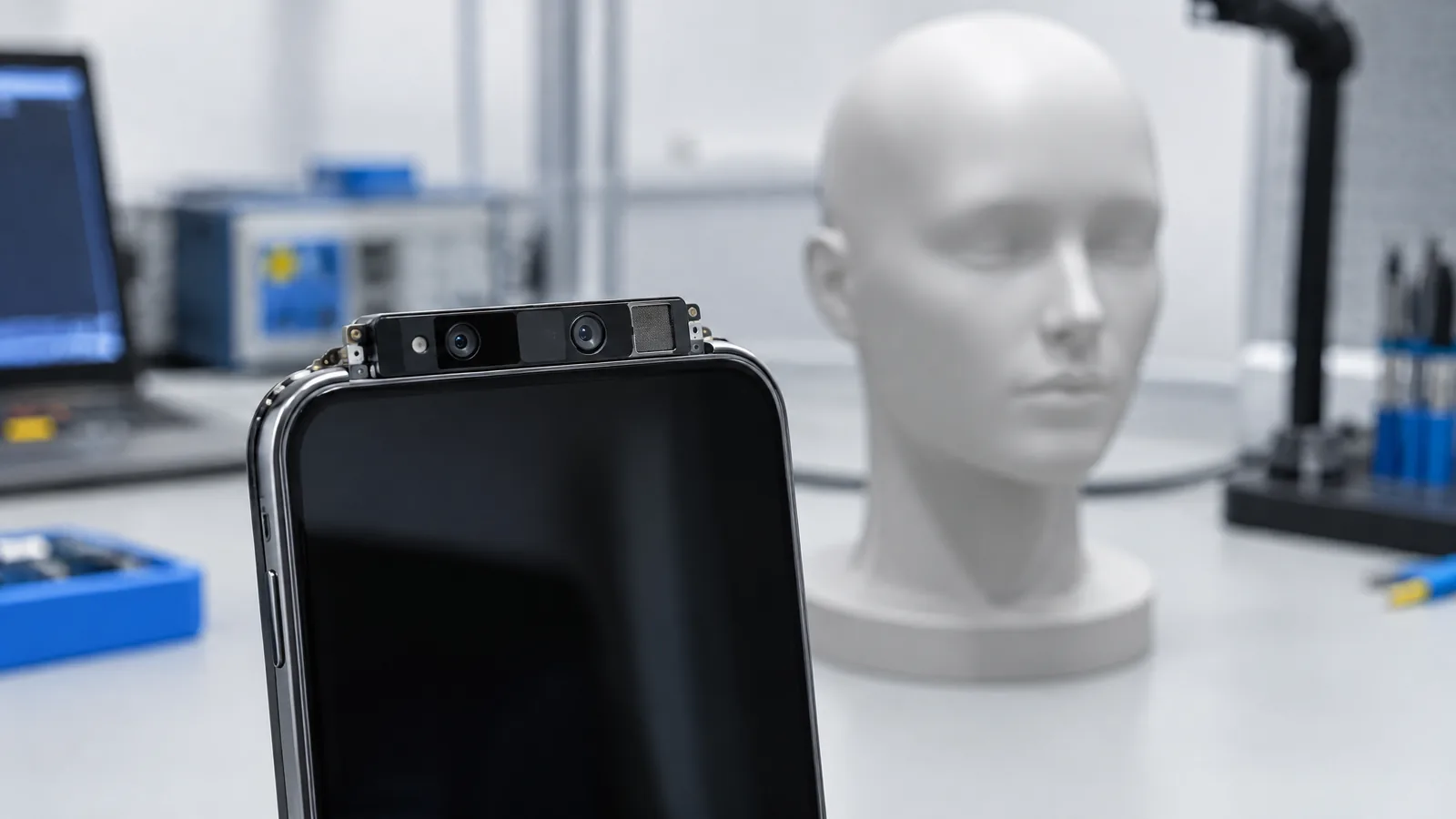
A beginner-friendly explanation of the camera, infrared, depth, secure matching and model-specific limits behind face authentication on phones.