
 Explainer
6G Technology Explained: Intelligent RAN, AI Networks and India’s Roadmap
6G technology explained in plain English: IMT-2030, intelligent RAN, AI-native networks, India’s 6G roadmap, standards status and real trade-offs.
techduopulse / Latest
The newest reporting, analysis, explainers, reviews, and practical guides from the techduopulse newsroom.
Showing 169–192 of 320 stories
Explainer6G technology explained in plain English: IMT-2030, intelligent RAN, AI-native networks, India’s 6G roadmap, standards status and real trade-offs.
 Explainer
Learn what AI security platforms do, how they protect models, prompts, data and agents, and where guardrails, testing and human review still matter.
 Explainer
AI-Native Software Development: Coding Agents, Testing and Developer Risk
 Explainer
AI agents explained: learn how agents plan and use tools, when multi-agent systems help, and why permissions and human review matter.
 Explainer
Learn how AI infrastructure works, including GPUs, TPUs, NPUs, AI inference, memory, networking and the energy challenges behind modern AI systems.
 Explainer
Learn how train technology works, including railway signalling, sensors, GPS, electrification, automatic train protection, Kavach and smart stations.
 Explainer
Learn how flight technology works, from aircraft sensors and avionics to autopilot, navigation, communications, air-traffic control and safety systems.
 Explainer
Learn how soil moisture sensors measure water, compare sensor types, and support smarter irrigation and farming decisions in India.
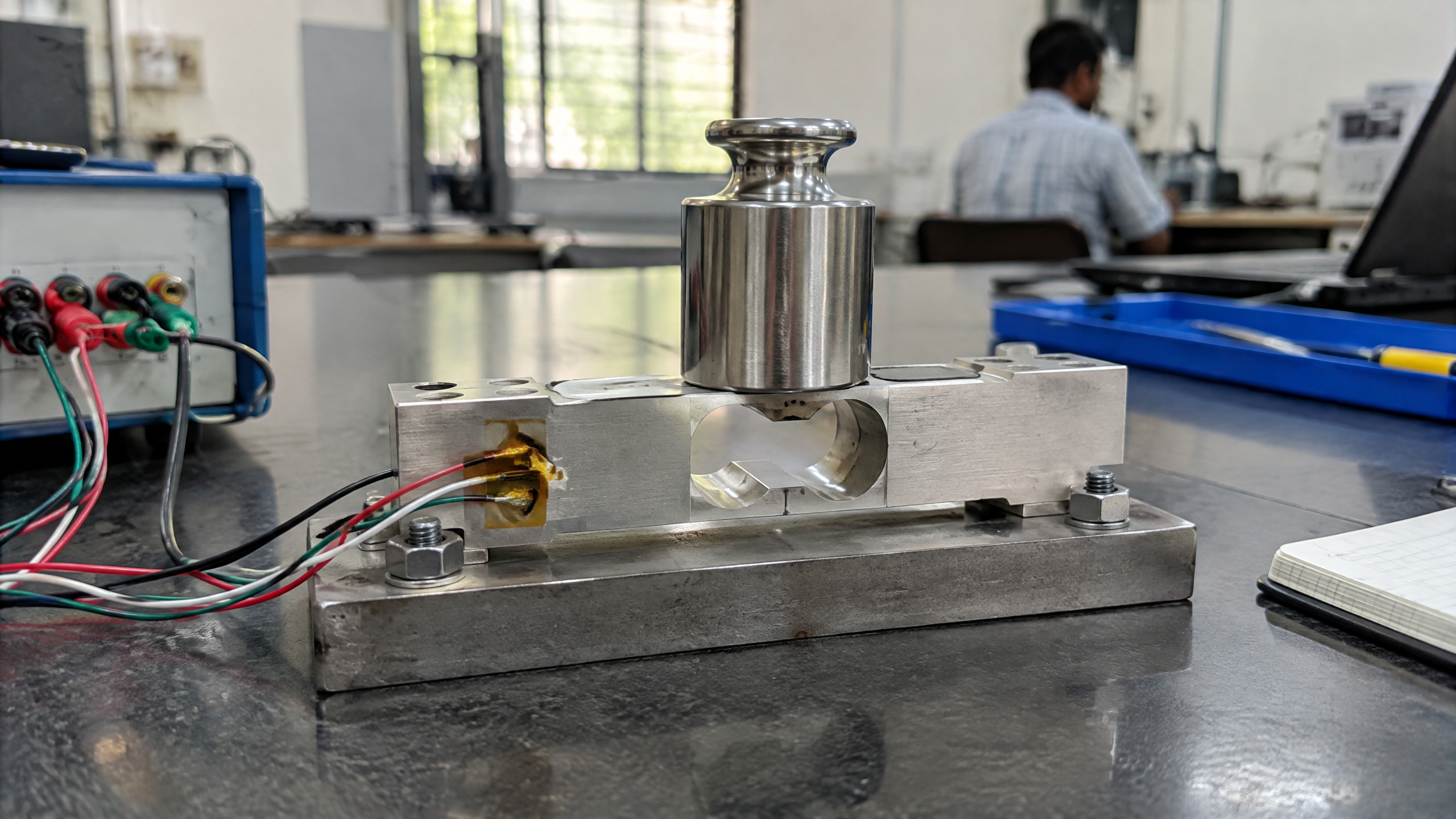 Explainer
Learn what a force sensor is, how strain gauges and load cells measure force, key sensor types, calibration basics and practical uses in India.
 Explainer
Learn what a flow sensor measures, how liquid and gas sensors work, key types, accuracy limits, and flow-meter examples for Indian learners.
 Explainer
Learn what a level sensor is, how point and continuous measurement work, and when ultrasonic, radar, float and pressure methods fit.
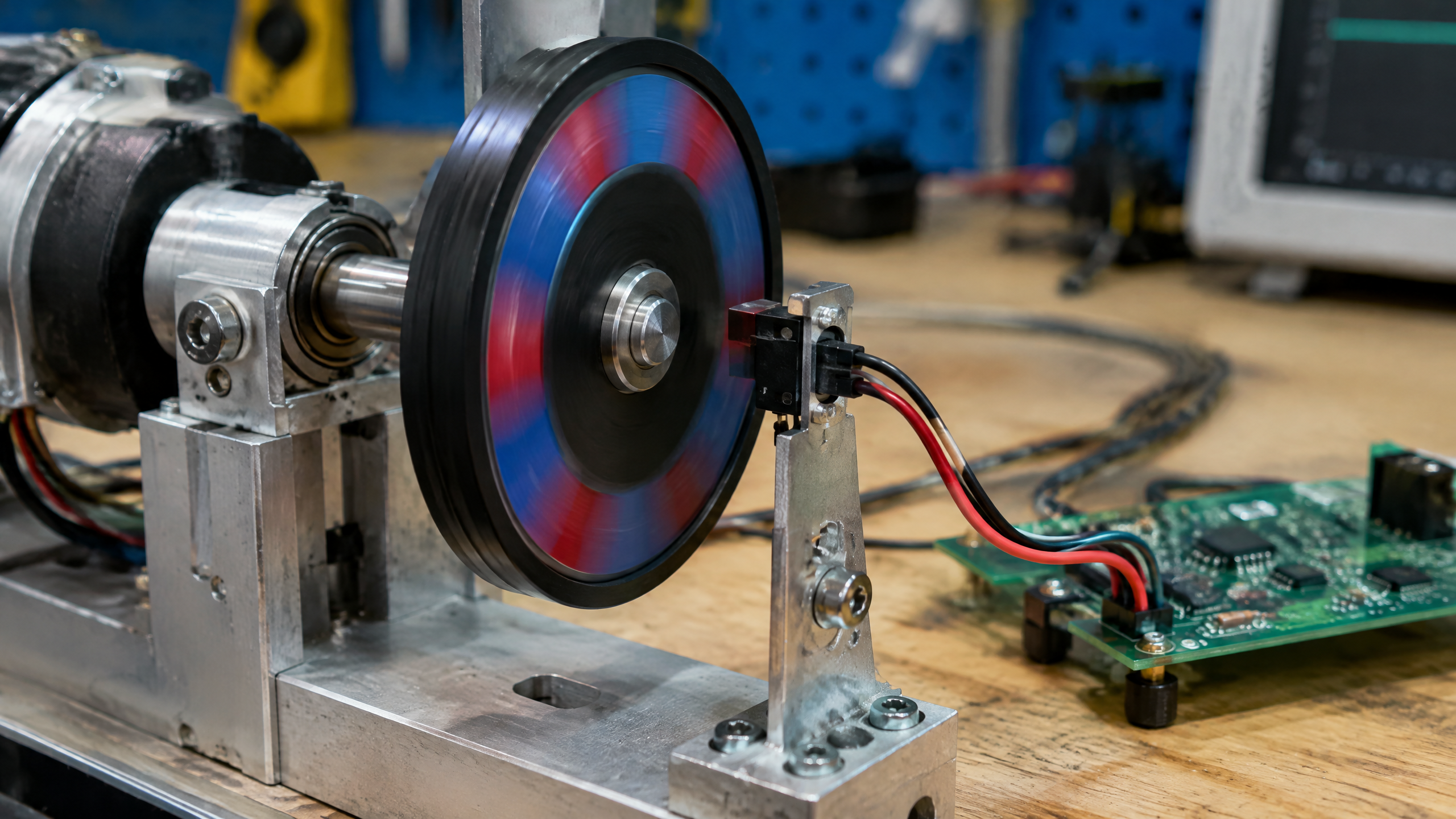 Explainer
Learn what a Hall effect sensor is, how Hall voltage detects magnetic fields, and how analog, digital, and Arduino uses work in India.
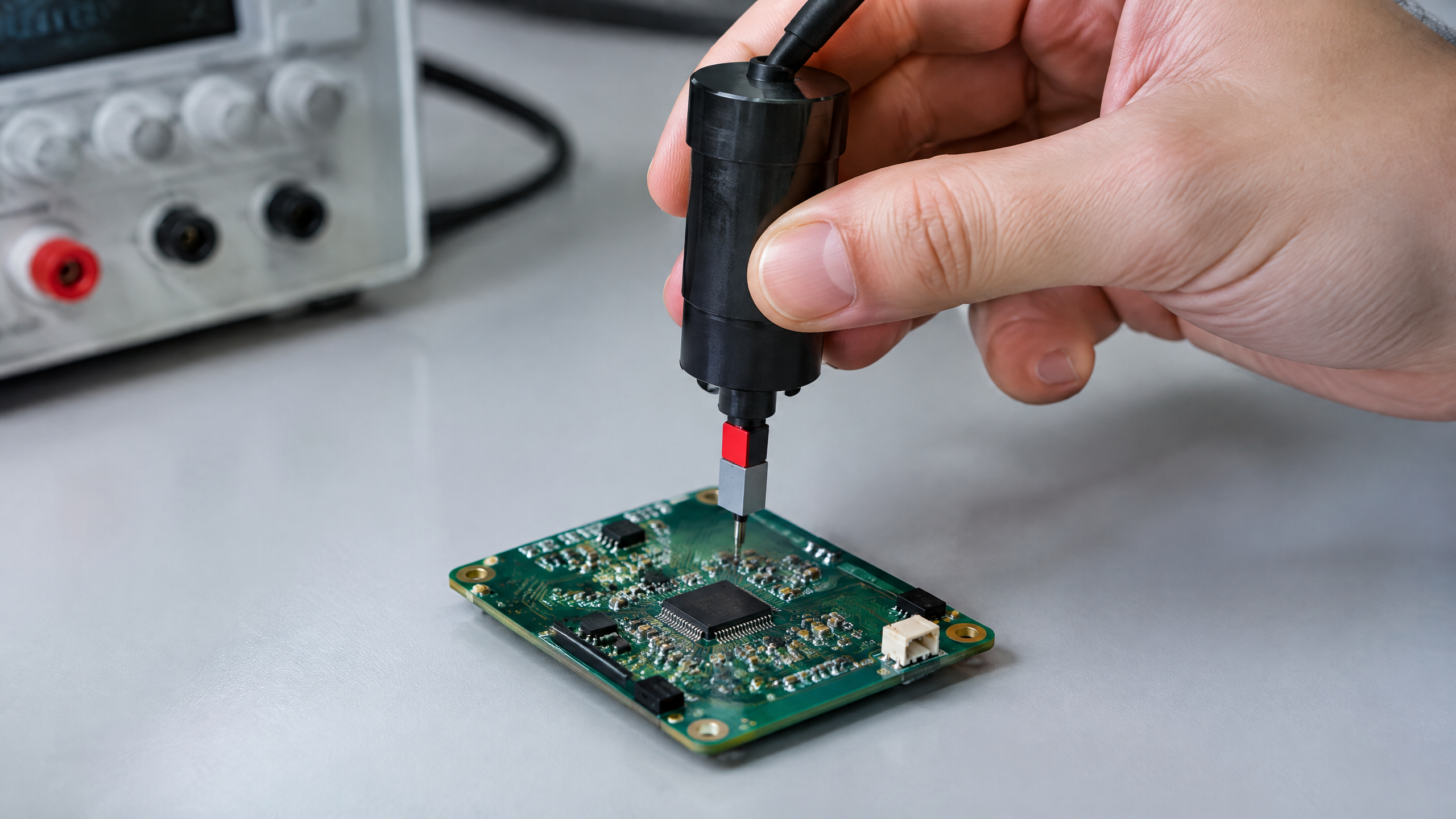 Explainer
Learn how magnetic sensors work, from Hall-effect switches to magnetometers, with types, applications and India-relevant examples.
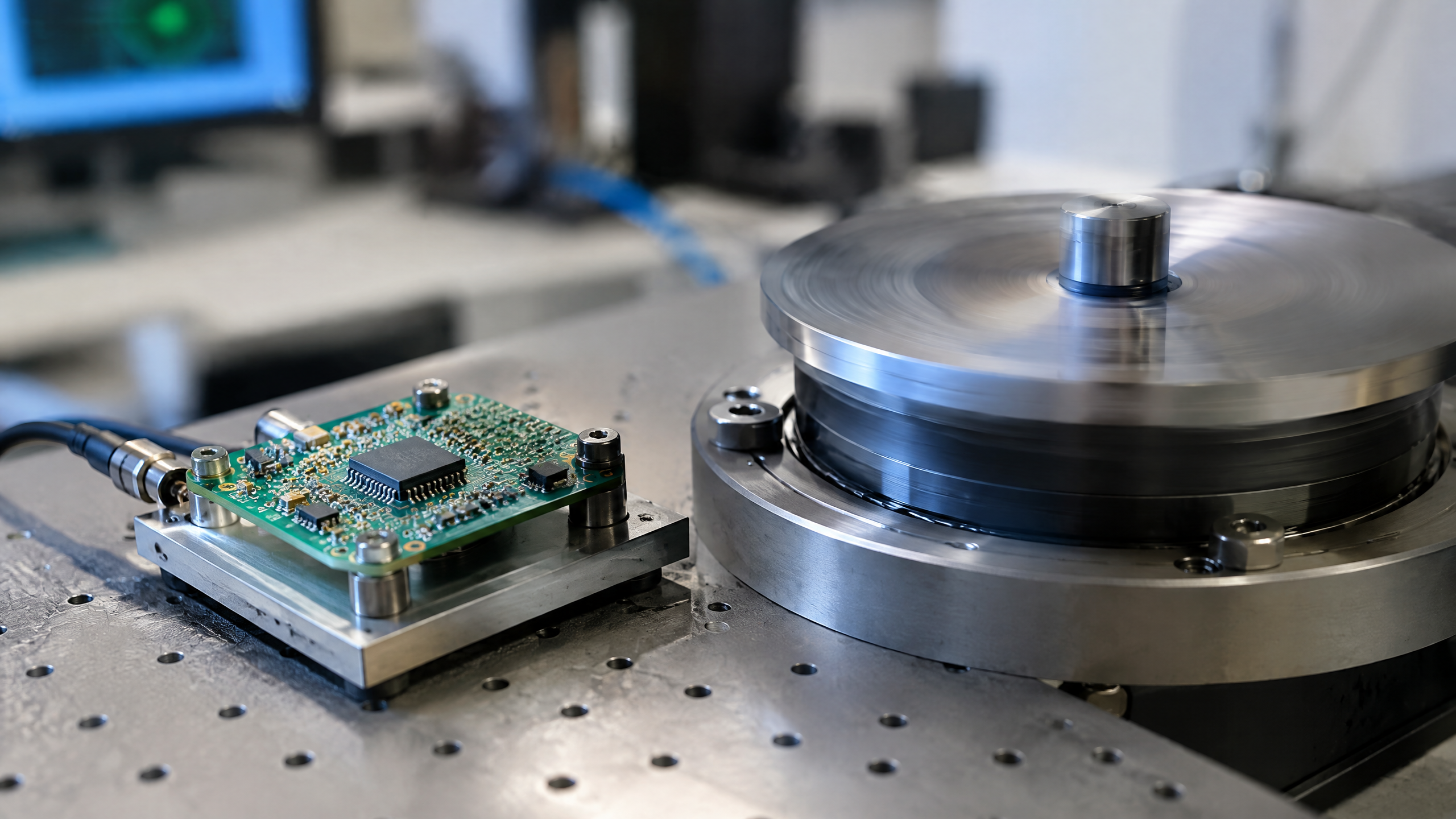 Explainer
Learn what a gyroscope measures, how MEMS gyroscopes use the Coriolis effect, and why phones, vehicles and ISRO systems rely on them.
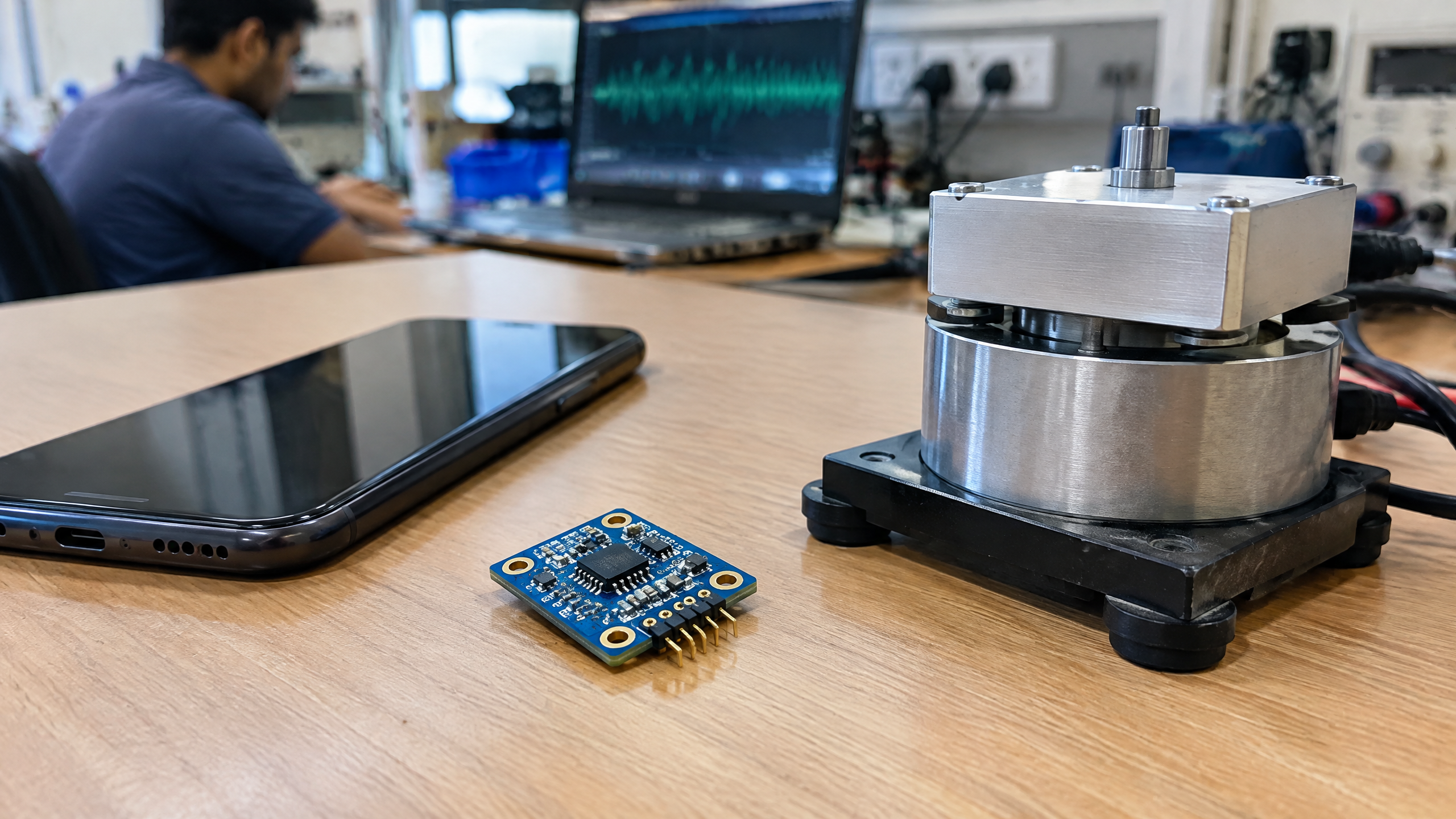 Explainer
Learn what an accelerometer measures, how MEMS sensors detect motion and tilt, and why phones, cars and wearables use them.
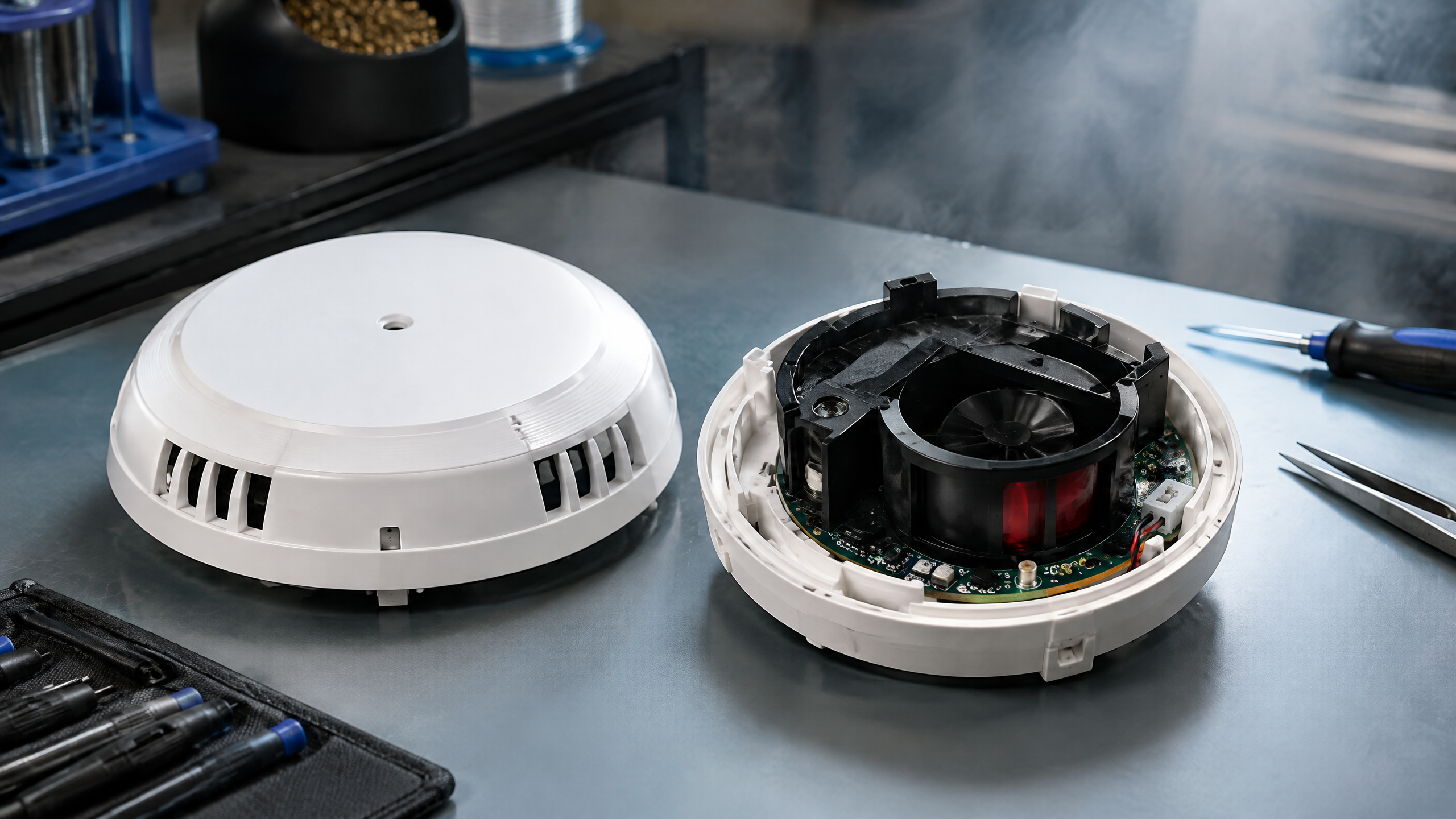 Explainer
Learn how smoke sensors work, compare photoelectric and ionization types, and see why MQ-2 project modules are not the same as certified alarms.
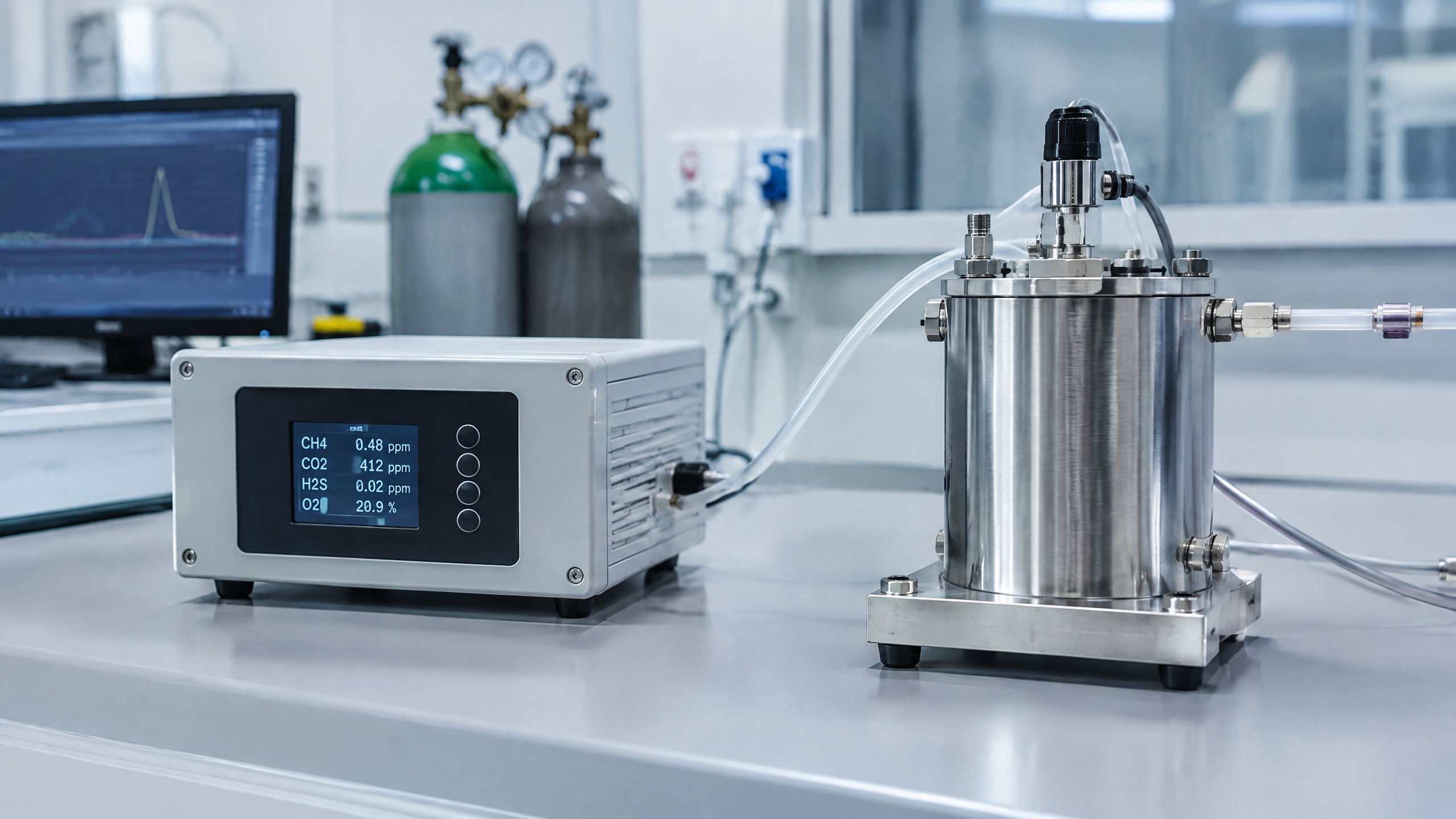 Explainer
Learn how gas sensors detect gases, compare electrochemical, semiconductor and NDIR types, and understand calibration, limits and real-world uses.
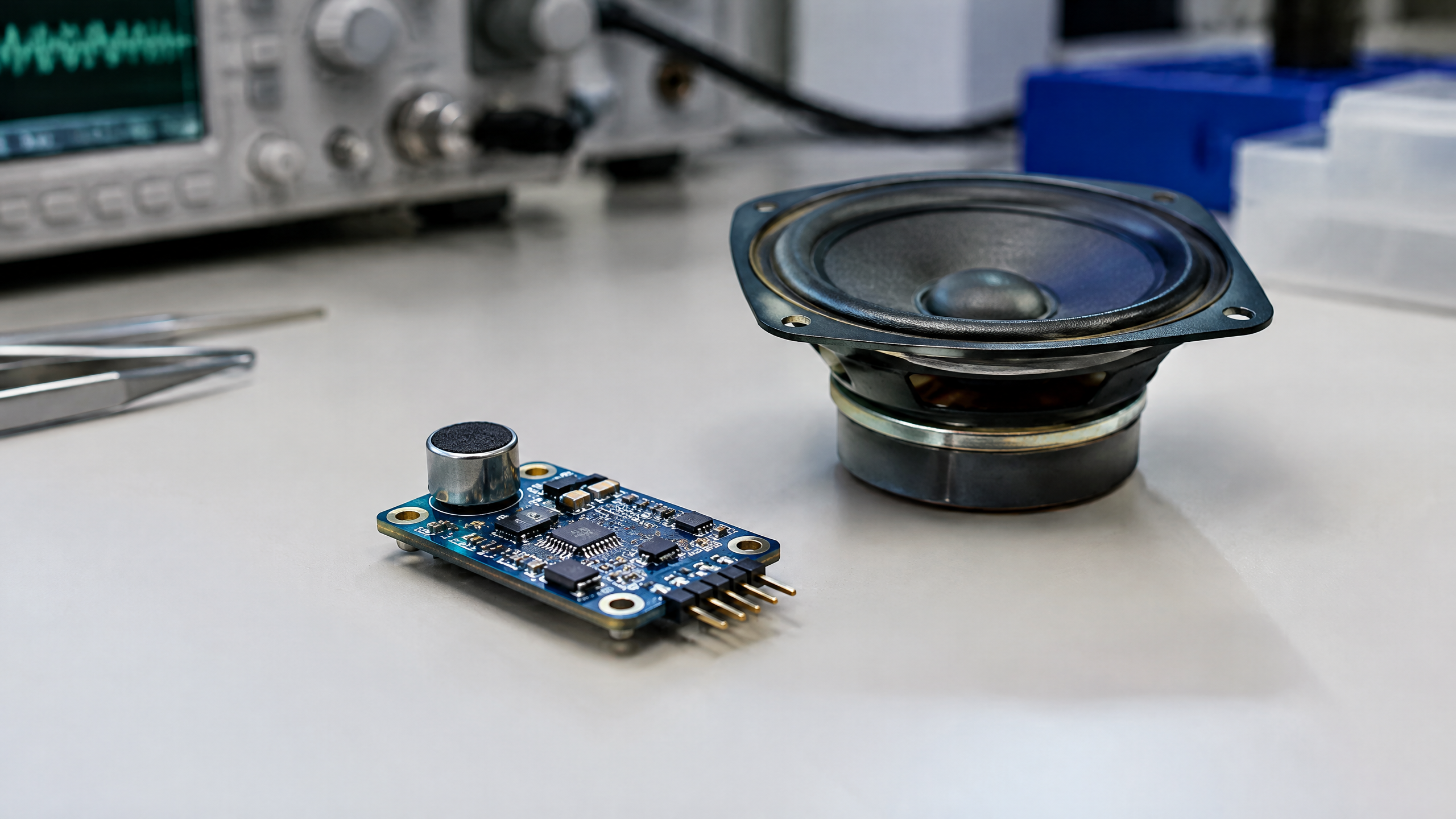 Explainer
Learn what a sound sensor is, how a microphone turns sound into an electrical signal, its uses, limits and basic Arduino readings in India.
 Explainer
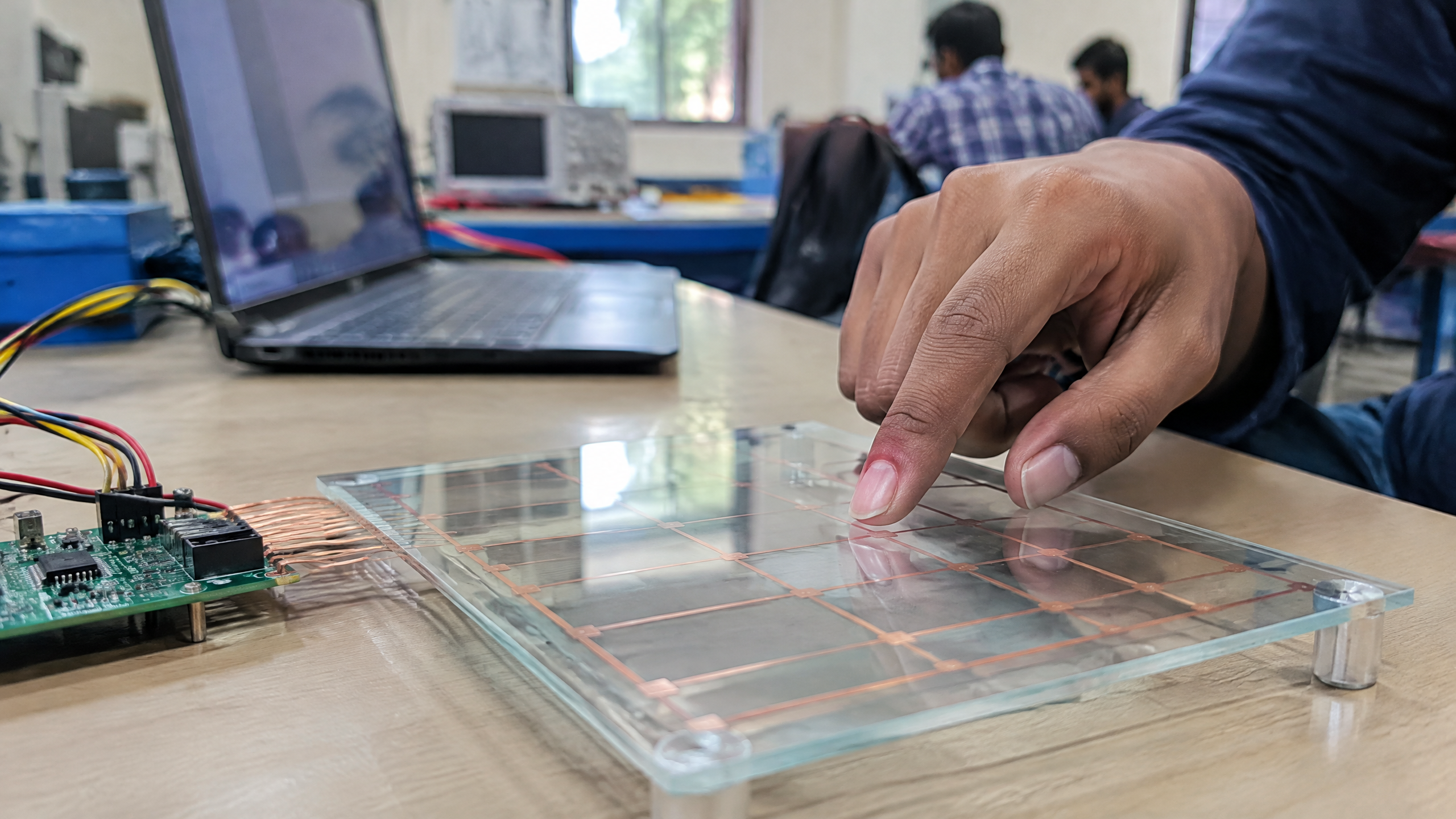
Learn what a touch sensor is, how capacitive and resistive touch work, and where phones, kiosks and other everyday devices use them.
 Explainer
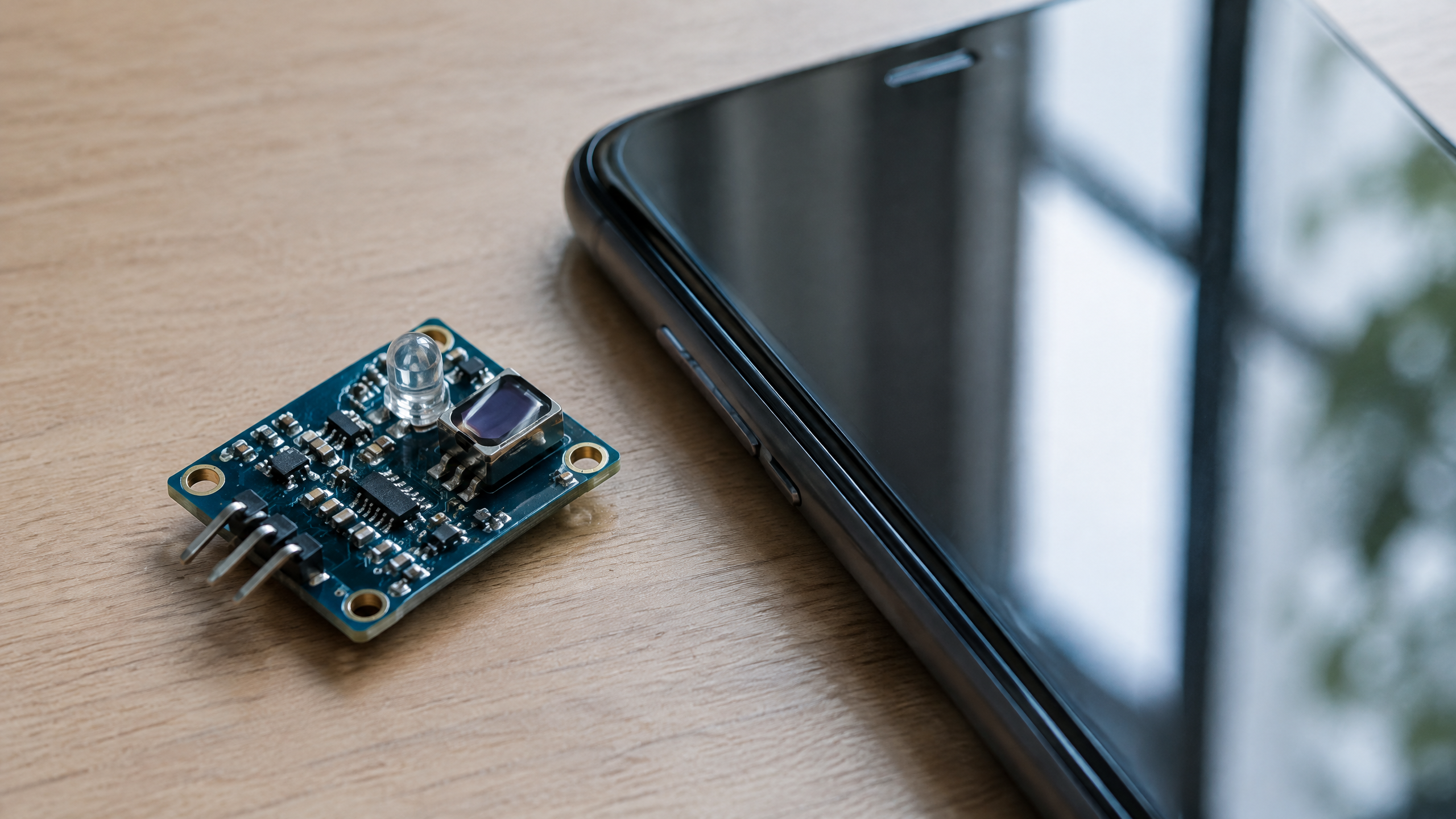
Learn what a light sensor is, how LDRs and photodiodes turn light into electrical signals, and where light sensors are used in phones and automation.
 Explainer
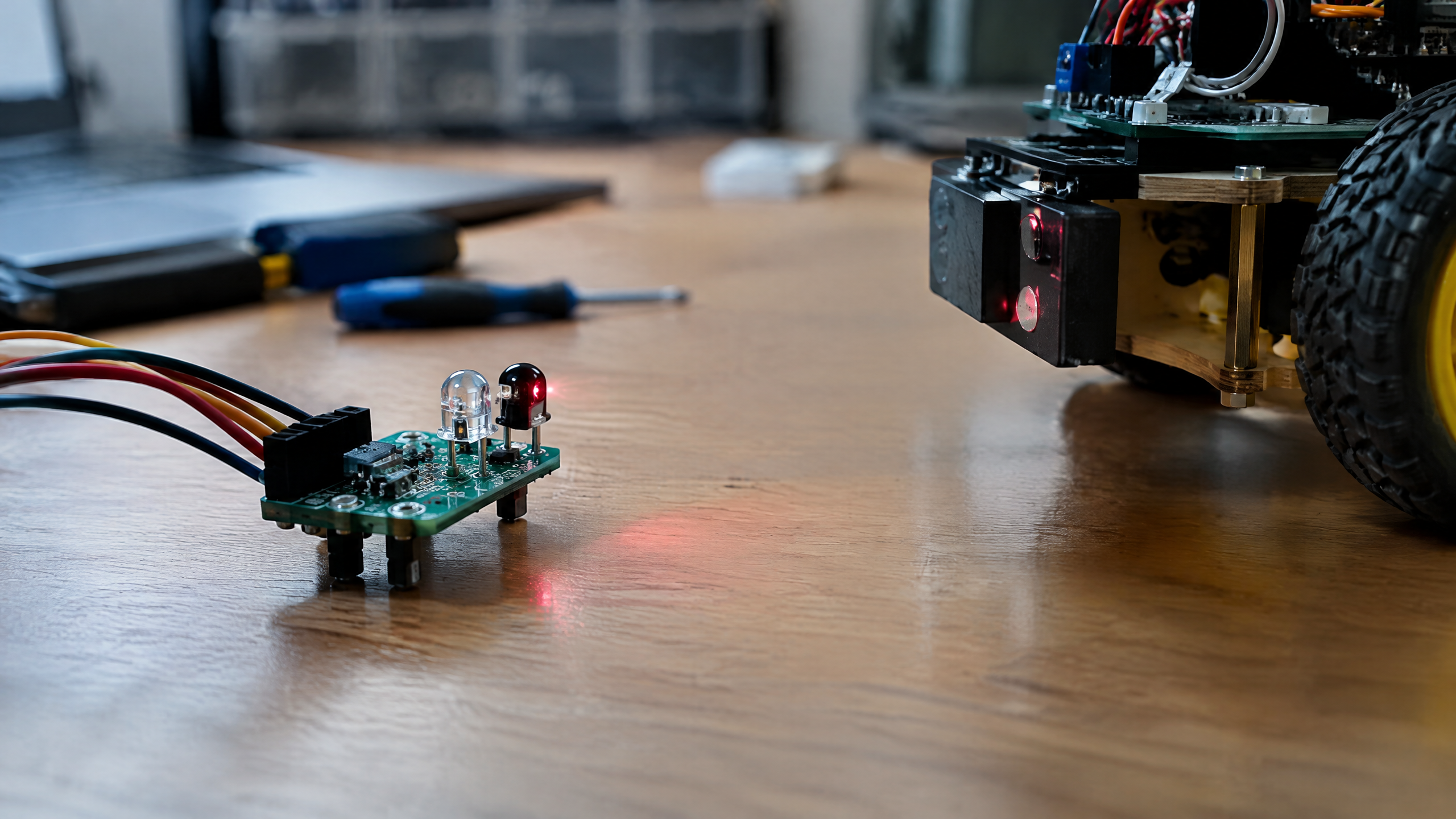
Learn what an IR sensor is, how its emitter and detector work, the main types, limits, and everyday applications in India.
 Explainer
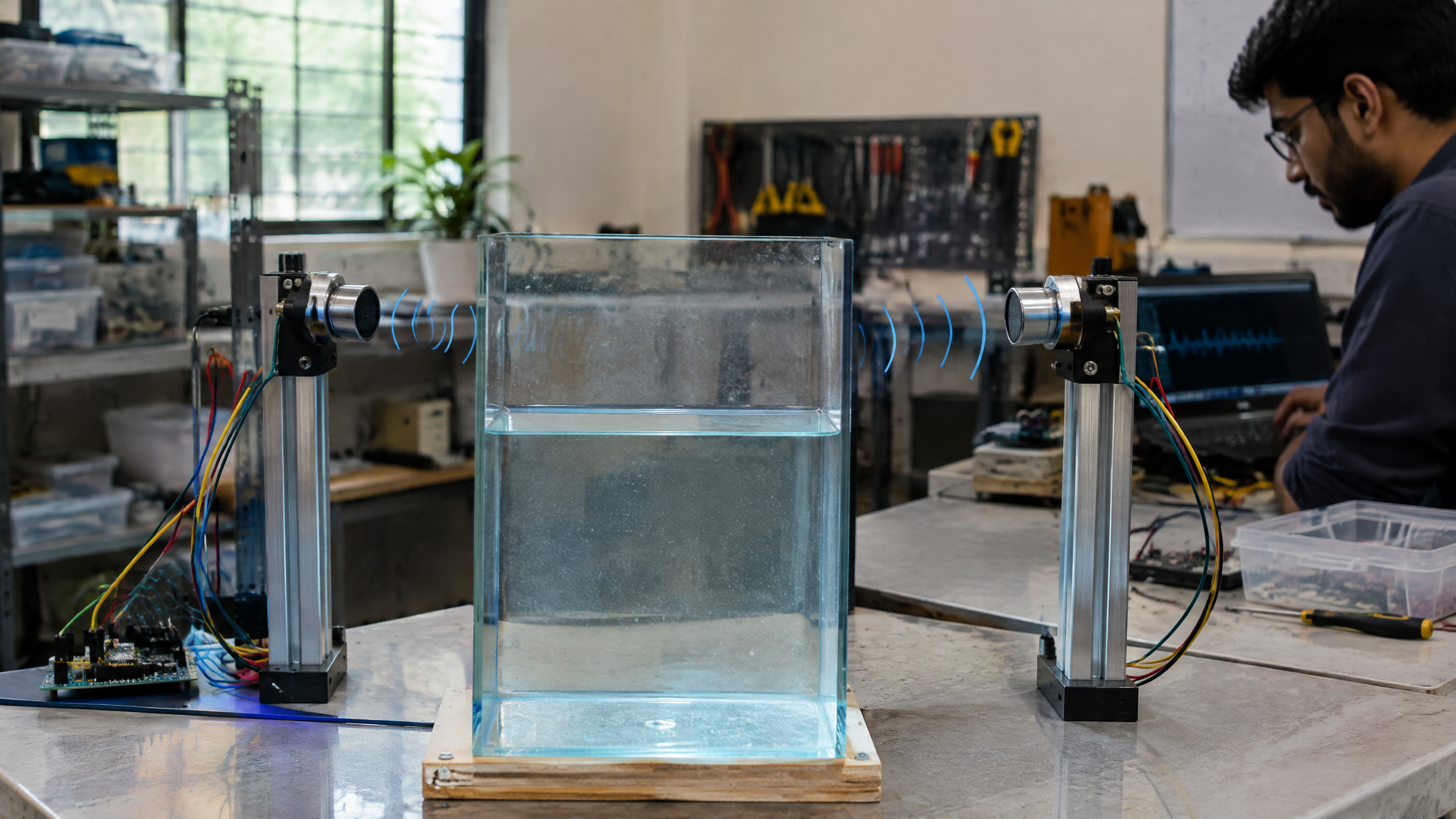
Learn how an ultrasonic sensor measures distance with sound, where it is used in India, and how temperature, surfaces and range affect accuracy.
 Explainer
Learn how a PIR motion sensor detects movement, why pyroelectric elements and Fresnel lenses matter, and its limits in Indian projects and homes.
 Explainer
Learn what a proximity sensor is, how inductive, capacitive, optical and ToF types work, and where they are used in Indian technology education.