
 Guide
Infrastructure as code still needs drift detection and policy review
Declarative infrastructure is a baseline, not a guarantee that production still matches it; detection, review, and recovery processes close the gap.
techduopulse / Latest
The newest reporting, analysis, explainers, reviews, and practical guides from the techduopulse newsroom.
Showing 265–288 of 320 stories
GuideDeclarative infrastructure is a baseline, not a guarantee that production still matches it; detection, review, and recovery processes close the gap.
 Guide
Recovery planning is credible only when protected copies, clean rebuild paths, and rehearsed restoration decisions work together.
 Analysis
Tokens and sessions deserve the same disciplined lifecycle controls as passwords because they can carry already-authenticated access.
 Analysis
Language choice can reduce memory-management weaknesses, yet security benefits depend on boundaries, tooling, training, and careful migration decisions.
 Guide
A useful remediation queue joins technical exploitability with asset exposure, likely control gained, and the consequence to the organisation.
 Guide
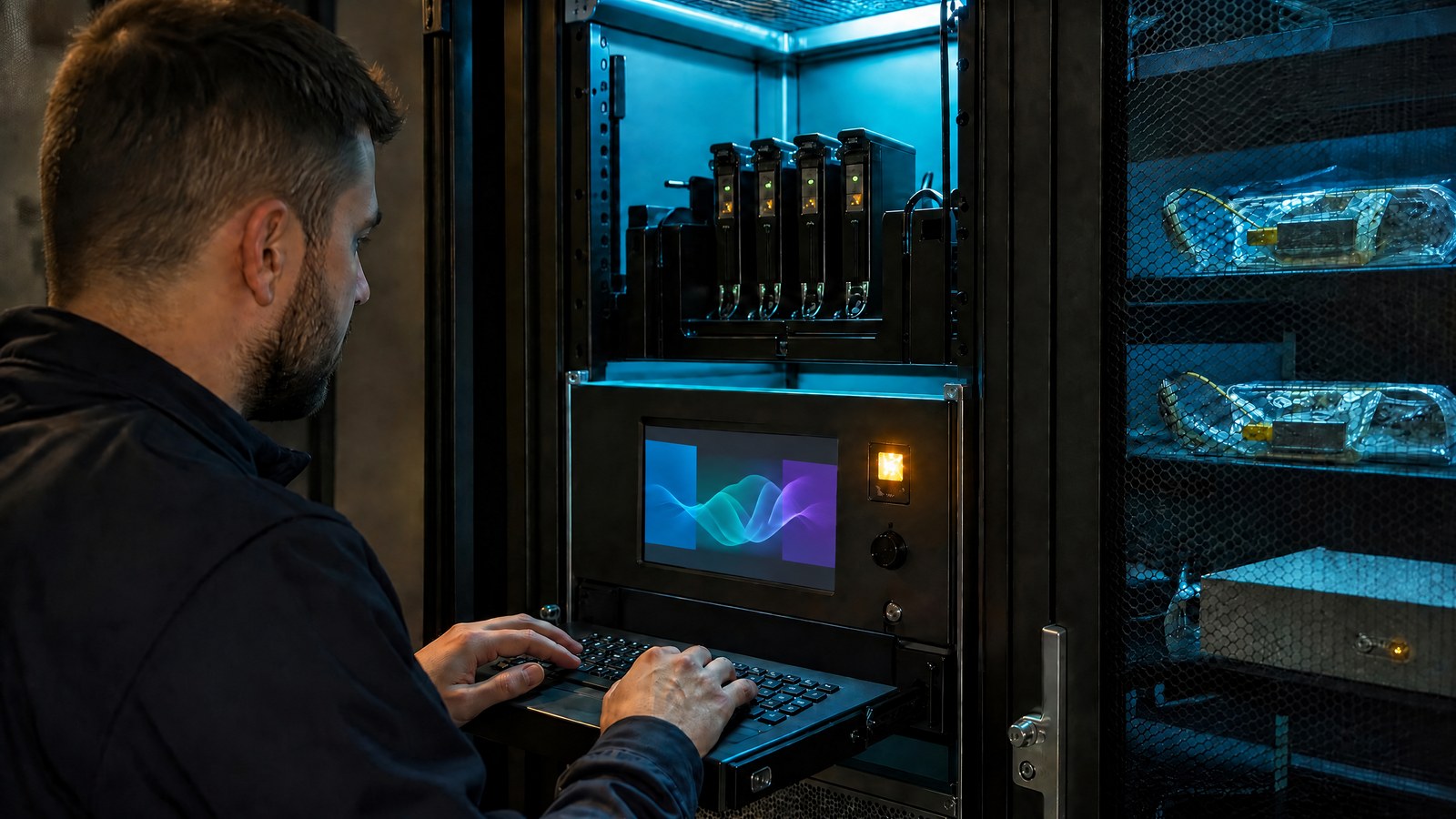
Reducing credential lifetime can shrink a leak’s useful window, but only when issuance, scope, revocation, and workload operations are designed together.
 Explainer
Product teams can reduce preventable harm when the safer path is built into design, delivery, and maintenance rather than delegated to every customer.
 Guide
During an incident, logging and preservation practices can protect the facts responders need before containment, rebuild, or recovery changes the environment.
 Guide
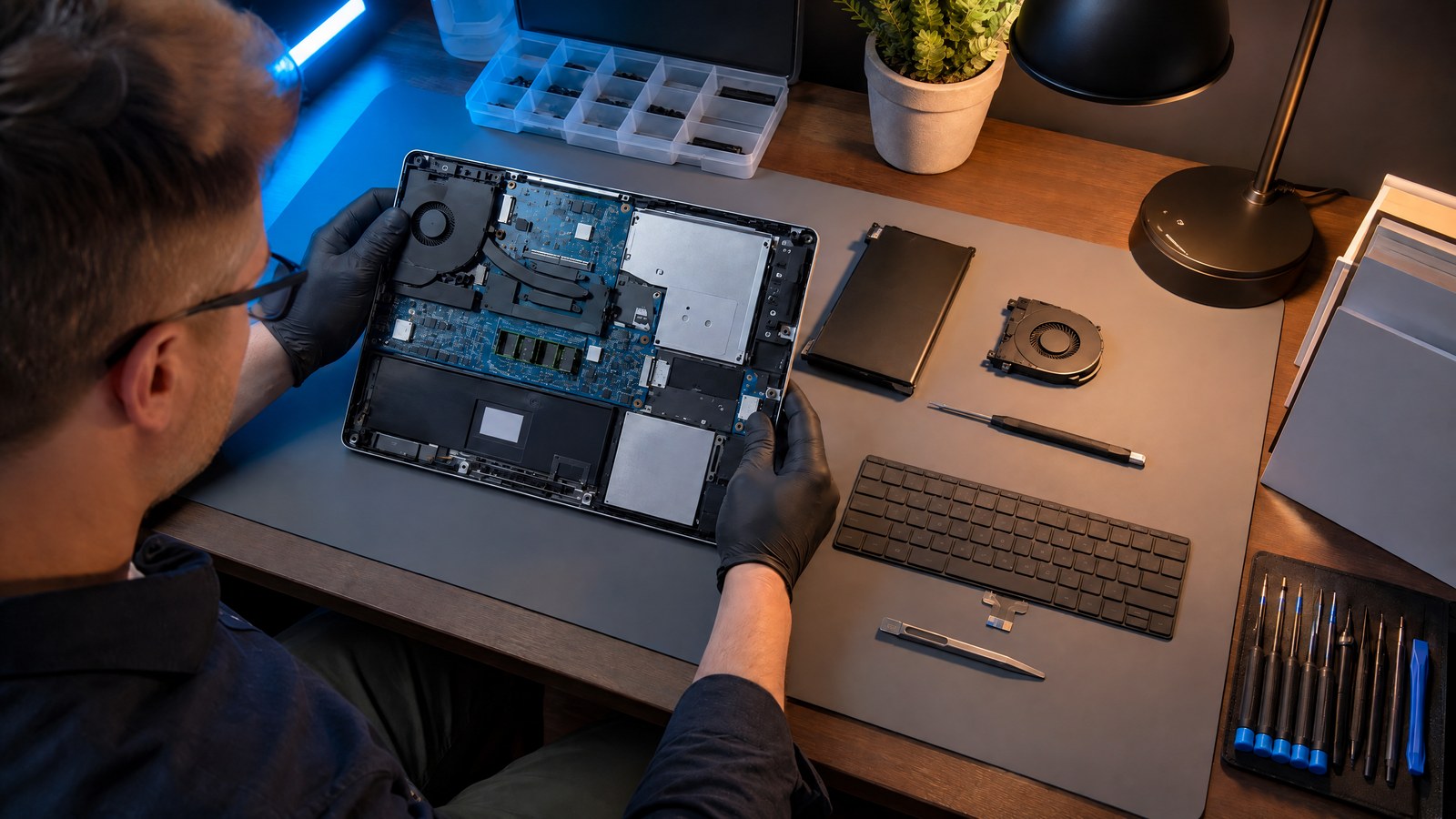
A repairability claim is useful only when a person can obtain the part, the instructions, the software access, and support for long enough to use them.
 Explainer
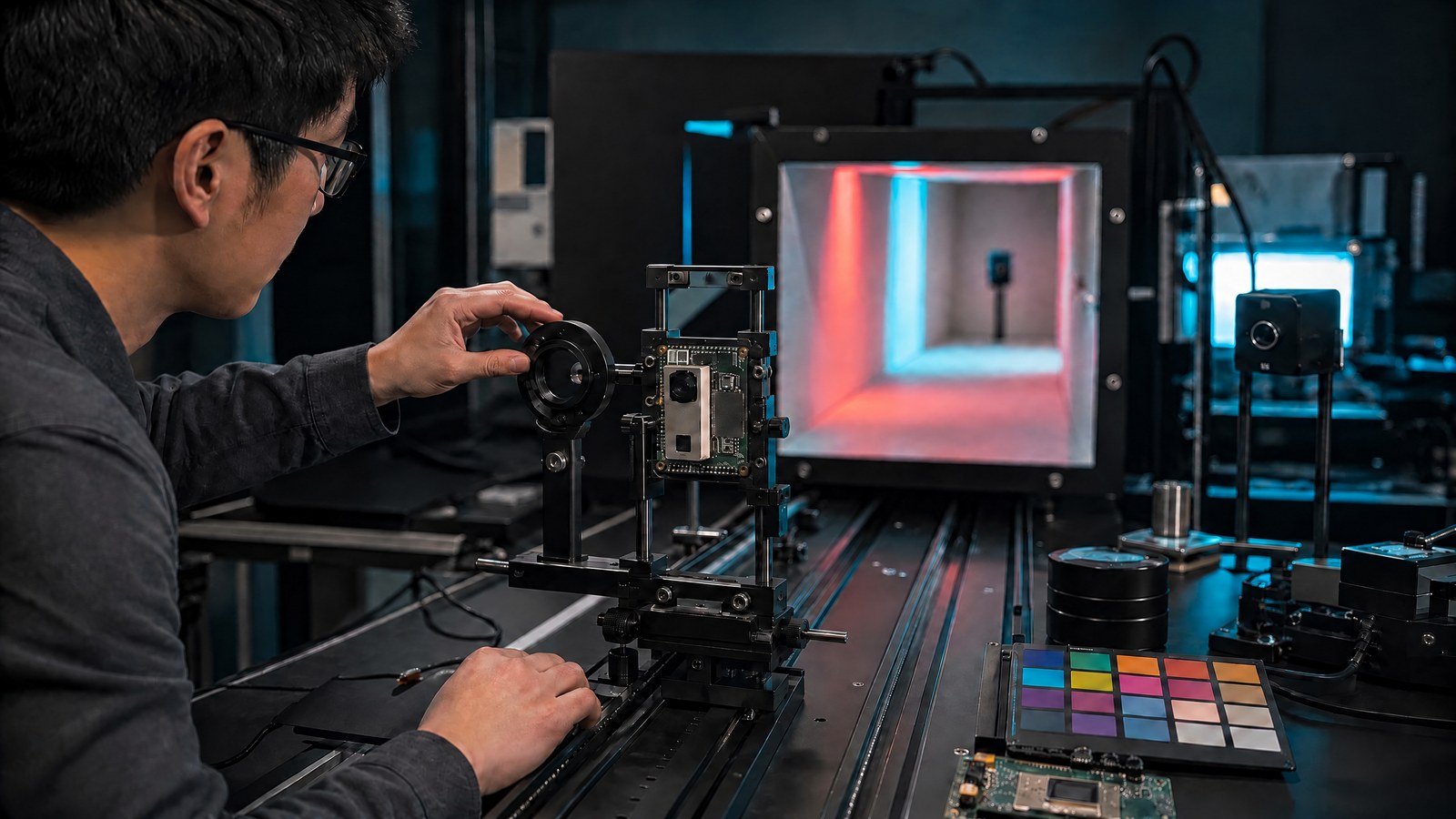
The sensor and lens matter, but a phone photo is also the result of capture choices, image processing, multi-frame fusion, and display rendering.
 Guide
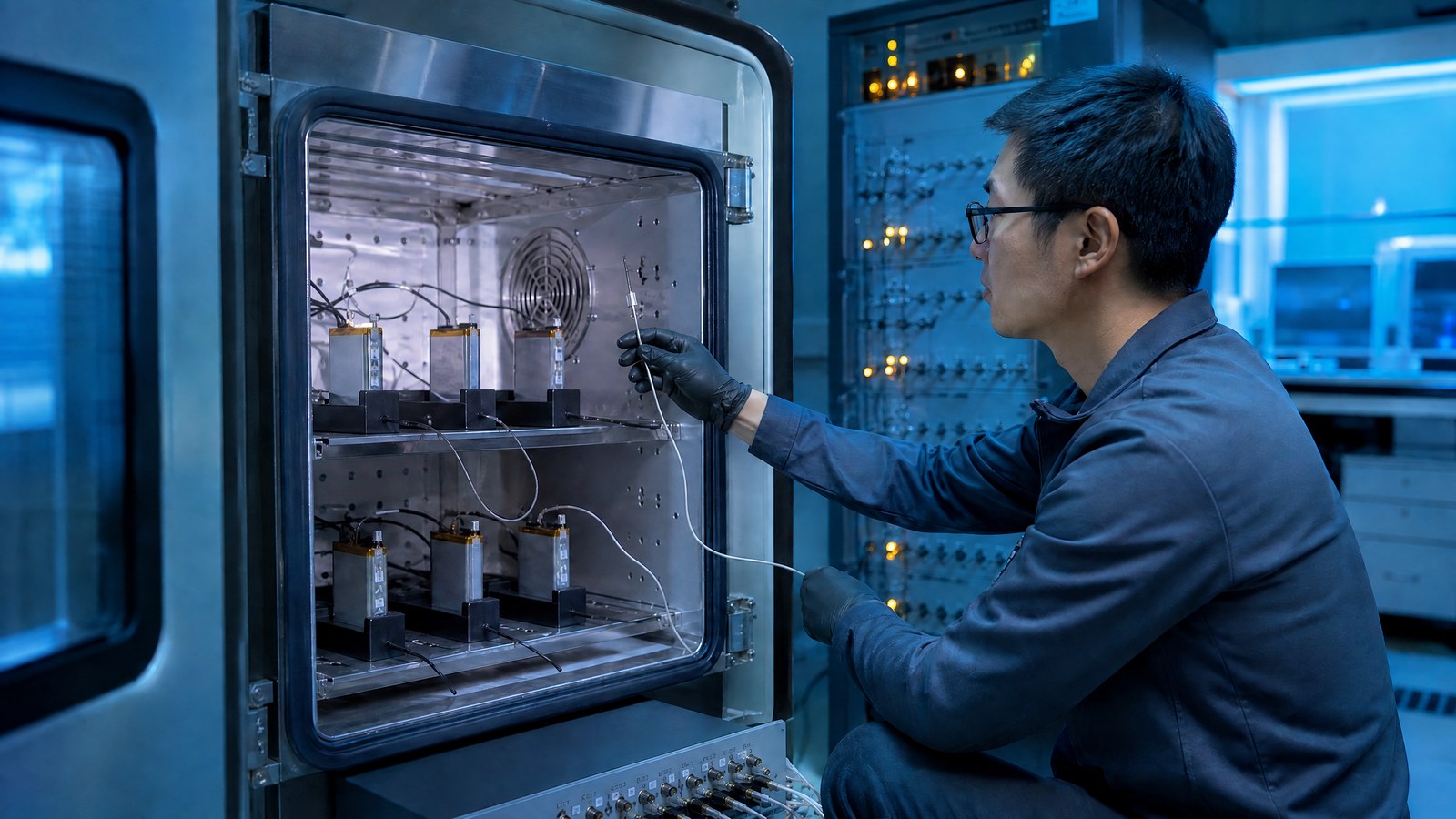
Capacity tells you how much energy a new battery stores; temperature, time at charge, and use patterns help determine how that capacity changes.
 Analysis
Wearable readings are signals interpreted in changing conditions, so movement, placement, contact, and the intended measurement all matter.
 Explainer
Wi-Fi 7 adds capable tools, but useful speed and latency still emerge from the access point, each client, available spectrum, and the radio environment.
 Guide
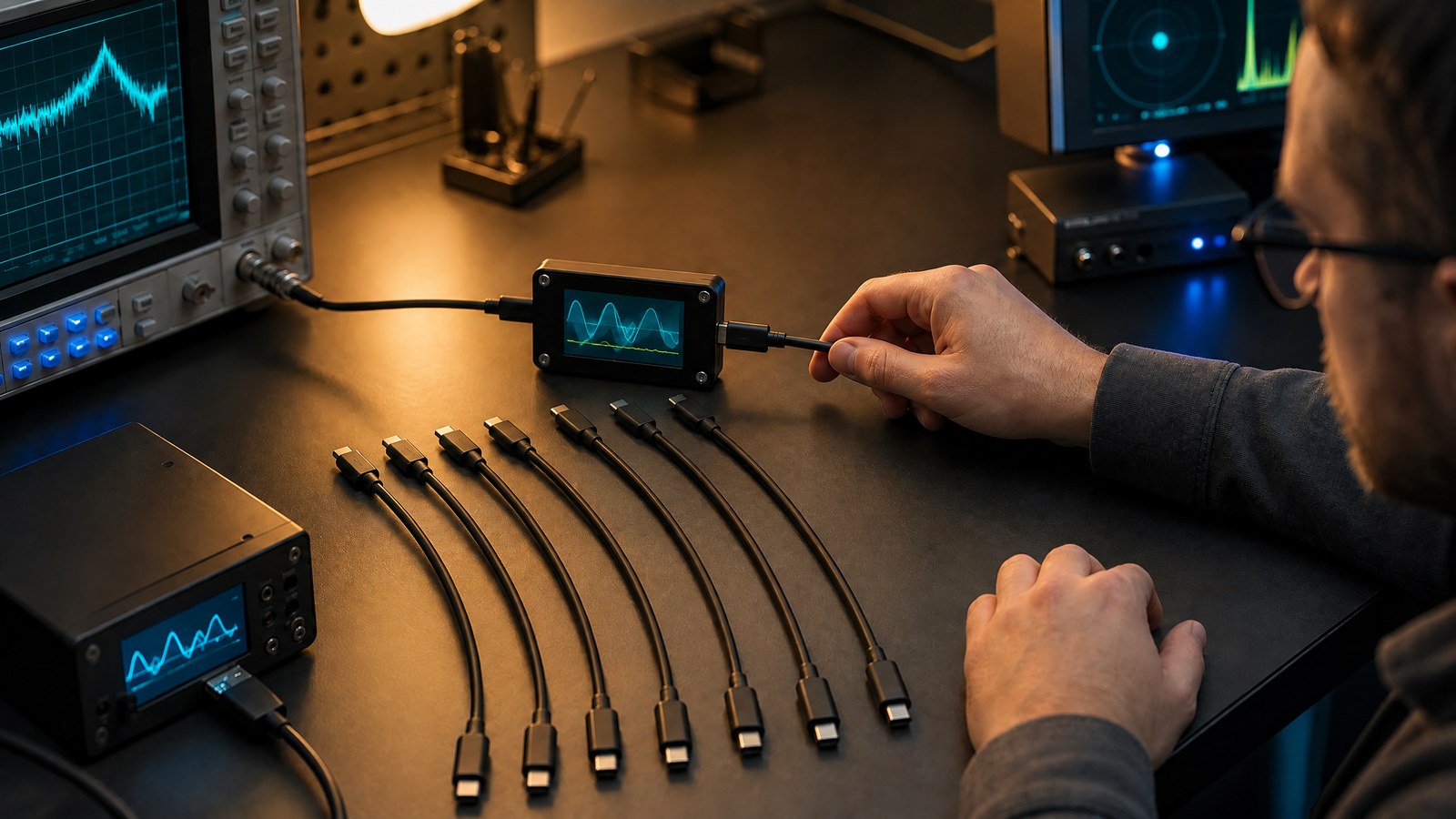
A USB-C plug can carry charging, data, or video, but the cable and the two devices determine which of those functions actually work.
 Guide
A dependable smart home starts with local operation for essential tasks, explicit compatibility boundaries, and security choices that keep control understandable.
 Explainer
A chiplet is only one part of a processor plan. The package, die-to-die link, test strategy, and thermal design determine whether modular silicon becomes a useful system.
 Explainer
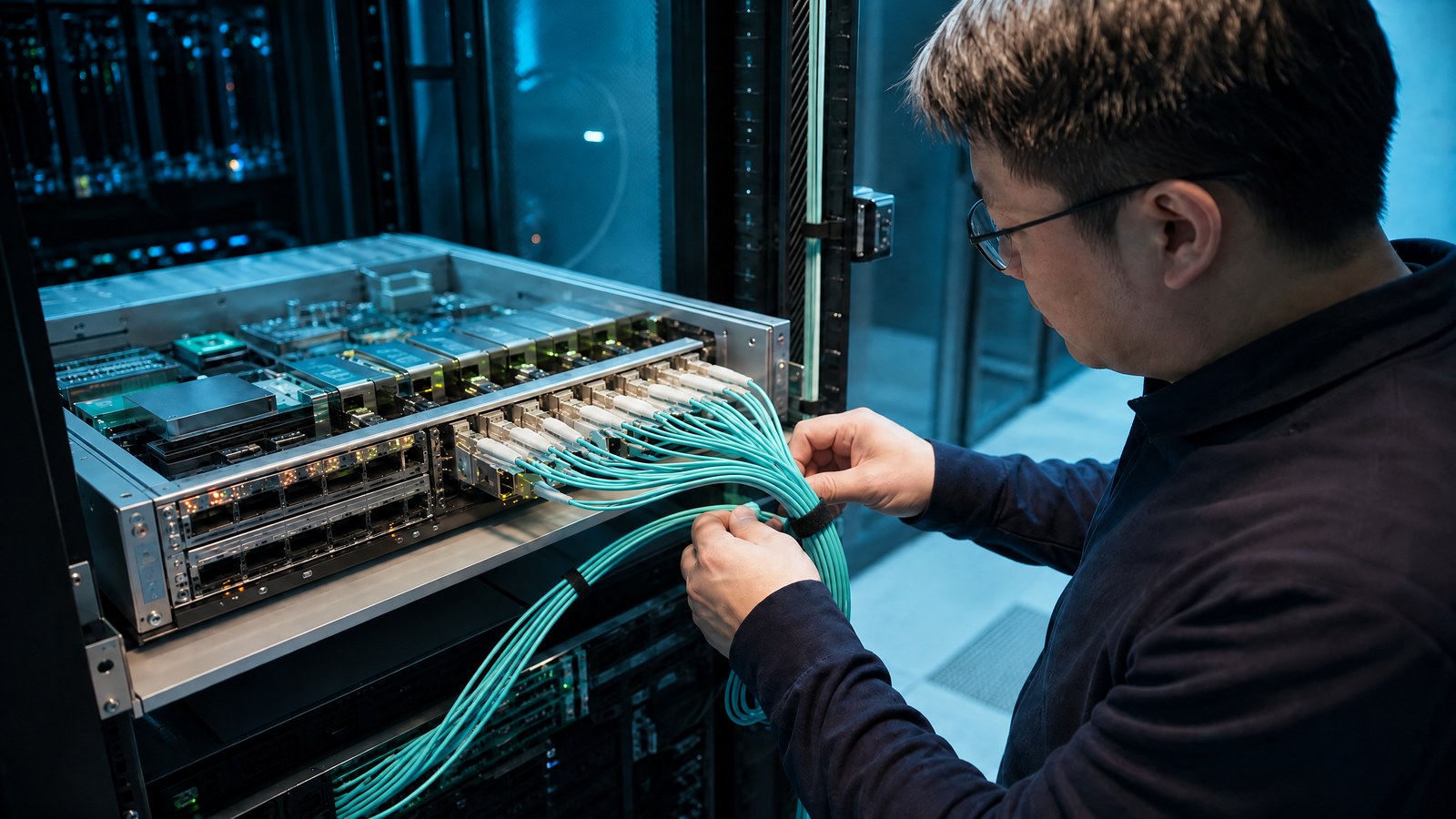
Co-packaged optics moves optical connections from the switch faceplate toward the switching silicon. That can shorten demanding electrical paths, while moving new reliability, cooling, and maintenance questions into the package.
 Analysis
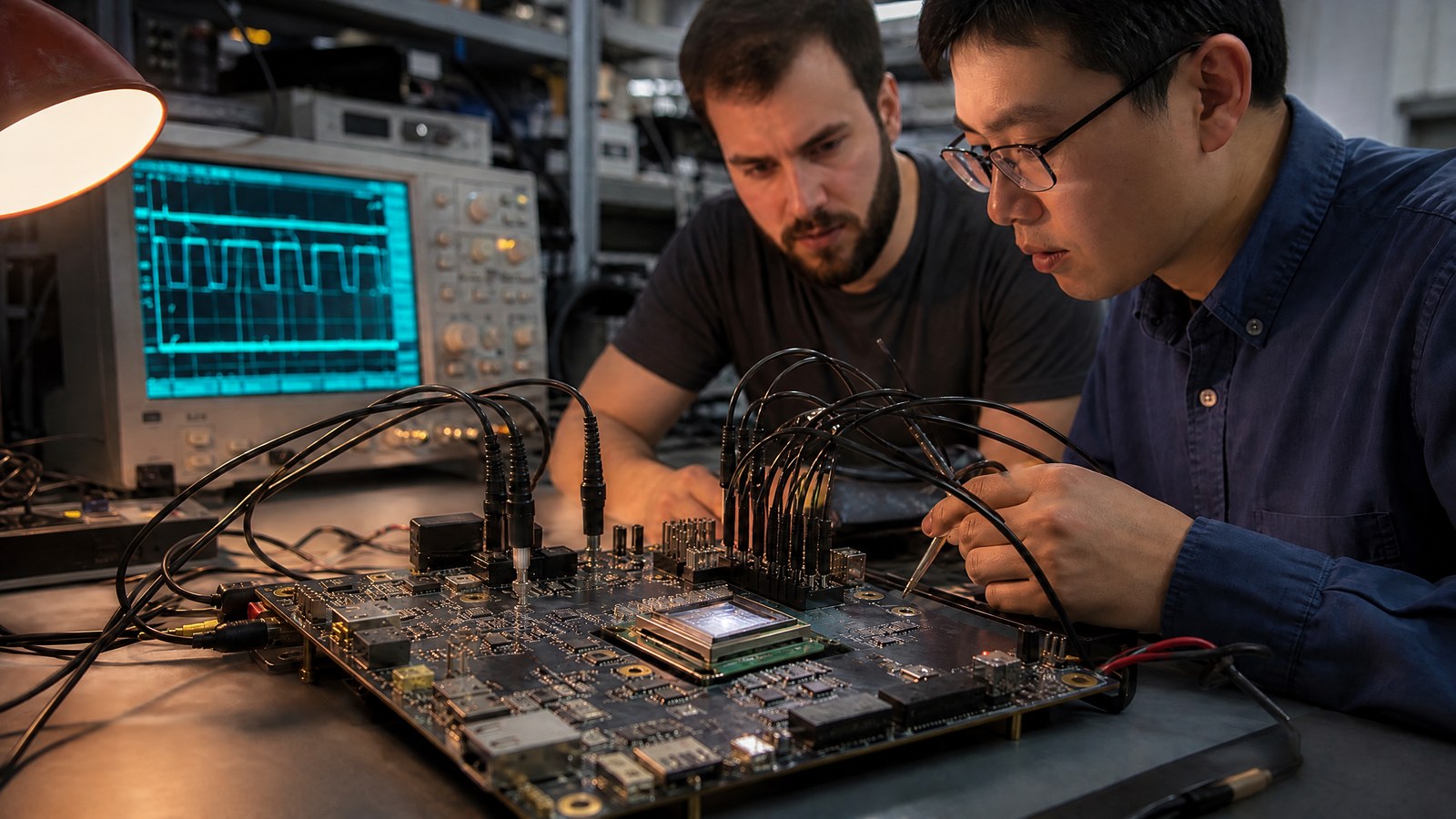
RISC-V makes an instruction-set architecture available as an open standard. It does not provide a finished processor, a verified system-on-chip, or an automatic software ecosystem for every custom extension.
 Explainer
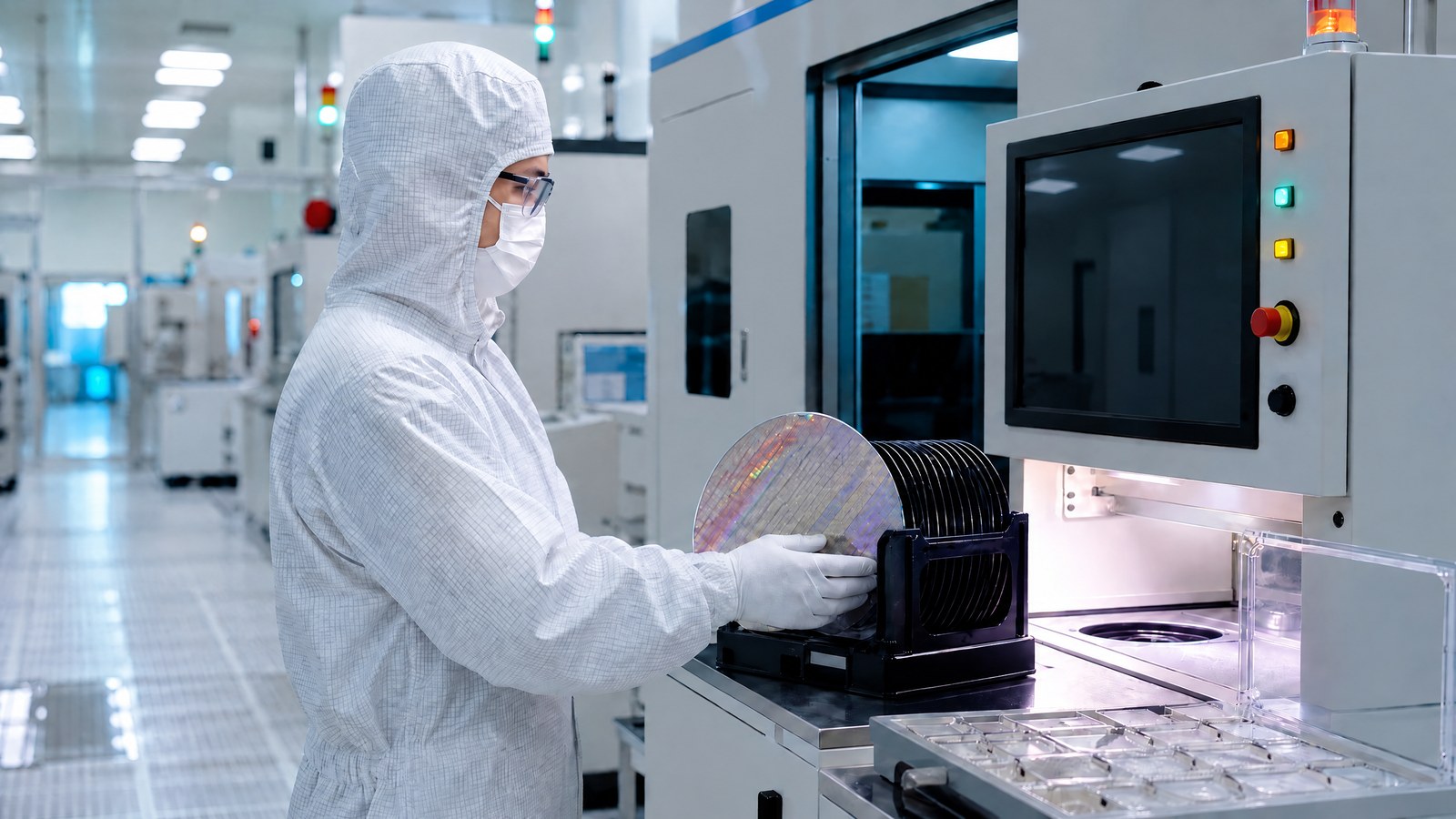
Yield is the share of manufactured devices that meet specification. Because each wafer contains many opportunities for variation, small changes in defect control and measurement can materially alter usable output and learning speed.
 Analysis
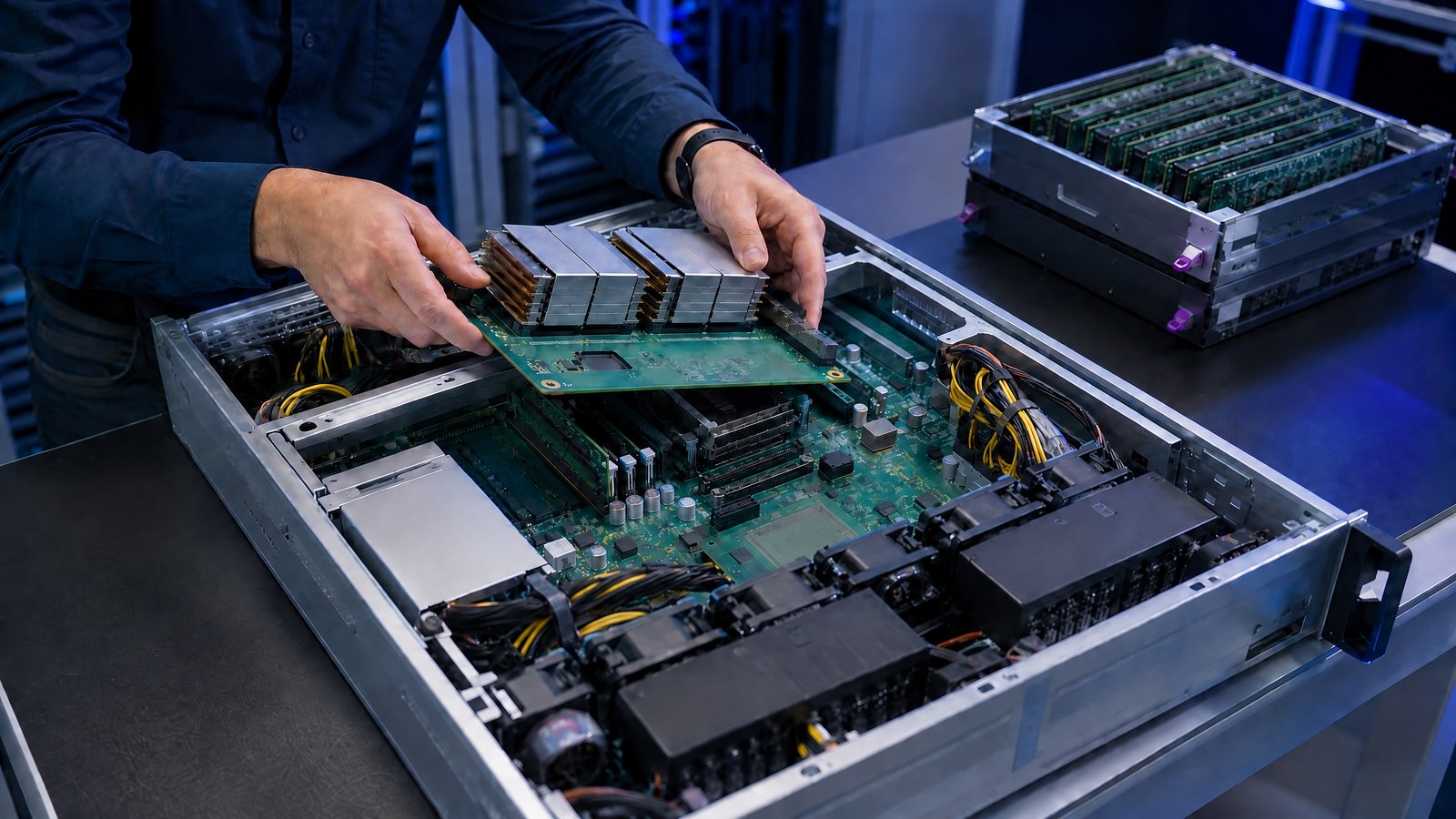
HBM and CXL address different parts of a memory-system problem. HBM brings tightly coupled, wide-interface memory near compute; CXL defines coherent links and fabric capabilities for attached memory and devices.
 Guide
A processor is not only a compute device. Its useful performance depends on clean power delivery, controlled temperature, firmware limits, and the surrounding board, chassis, and facility environment.
 Analysis
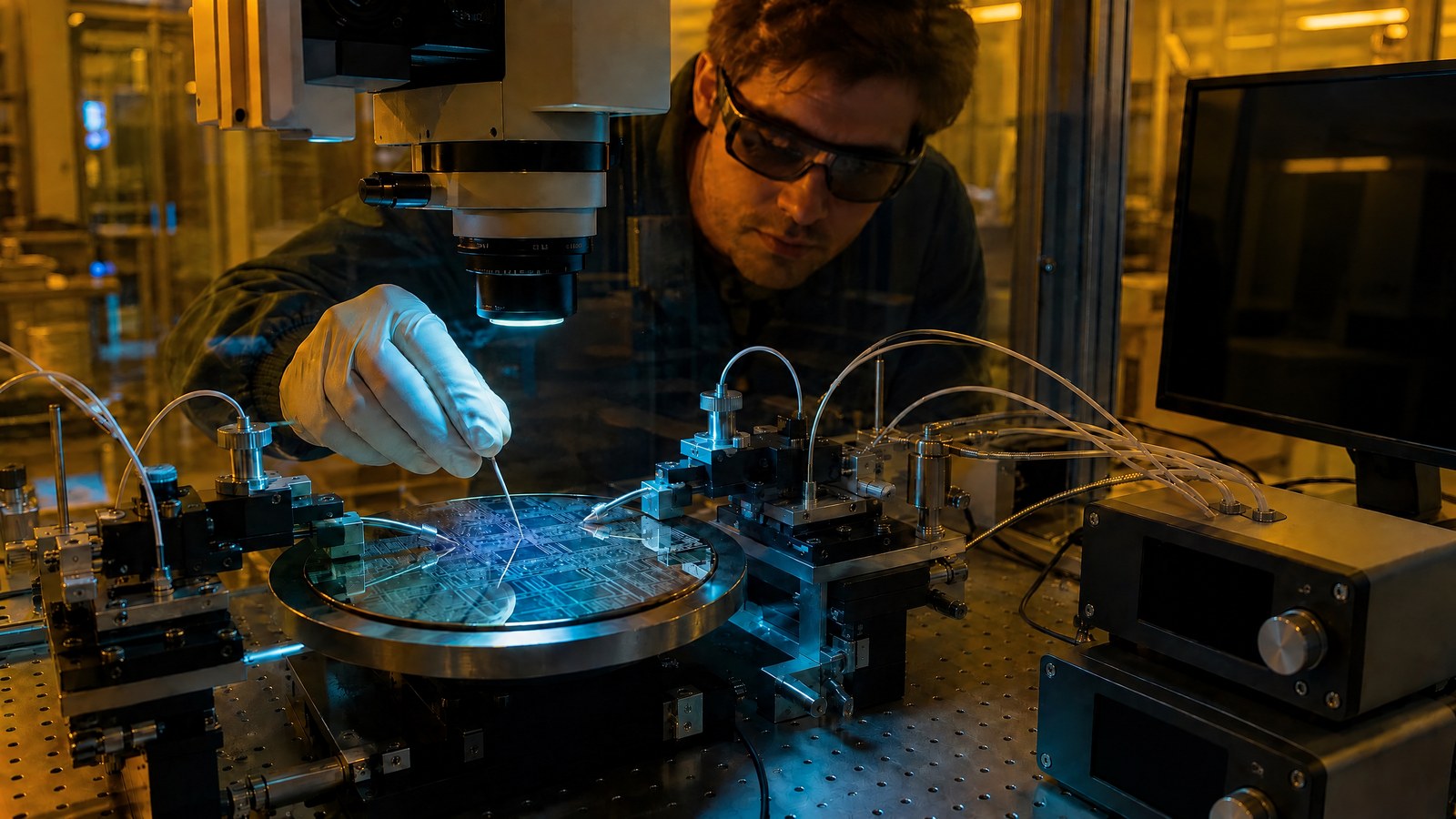
Silicon photonics integrates optical functions with semiconductor manufacturing techniques. Its promise is not that light replaces every electrical path, but that selected communication links can move more information with different bandwidth, reach, and energy trade-offs.
 Explainer
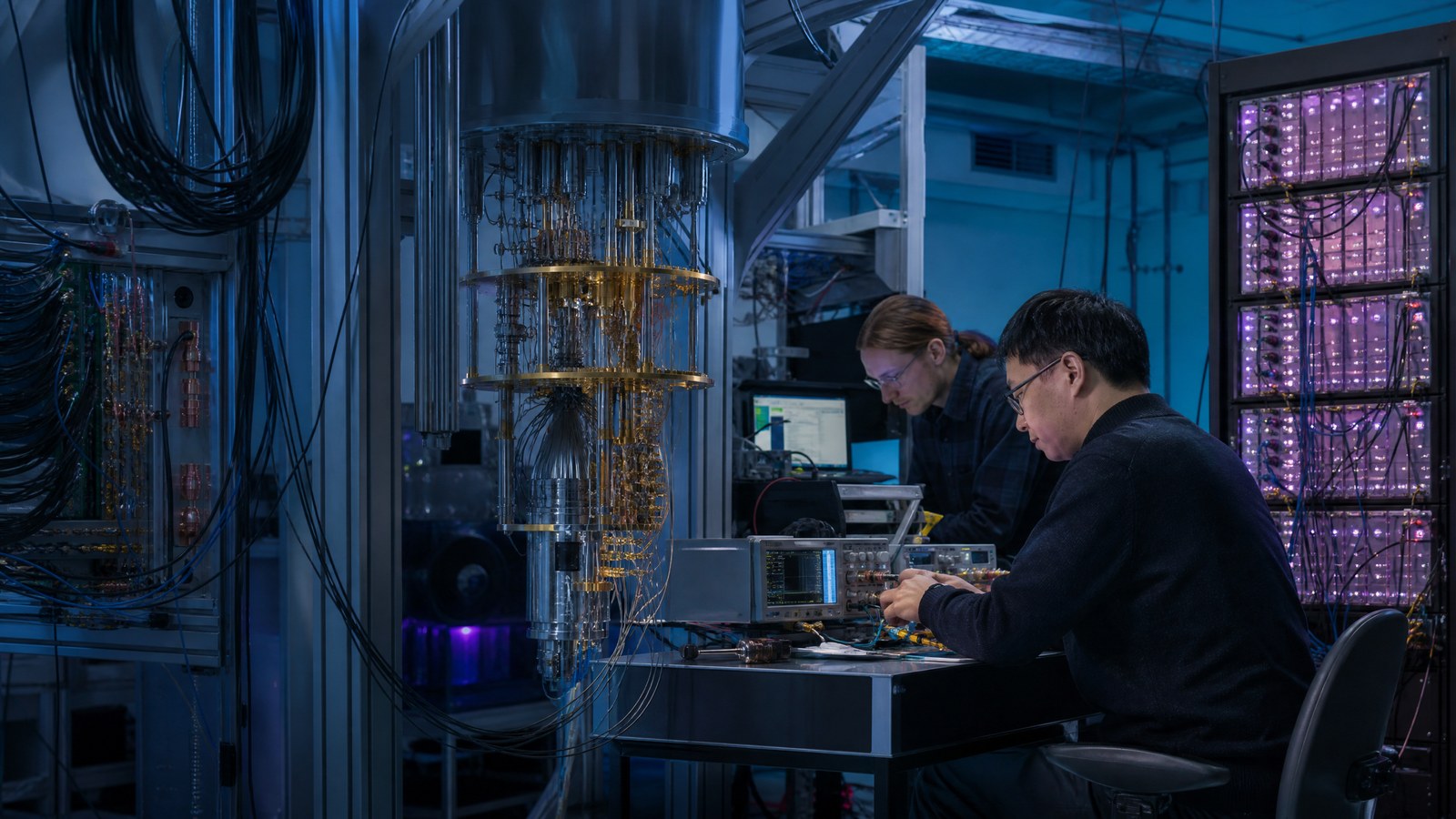
A usable quantum computer must preserve and operate on encoded information, not simply add more vulnerable physical qubits.
 Analysis
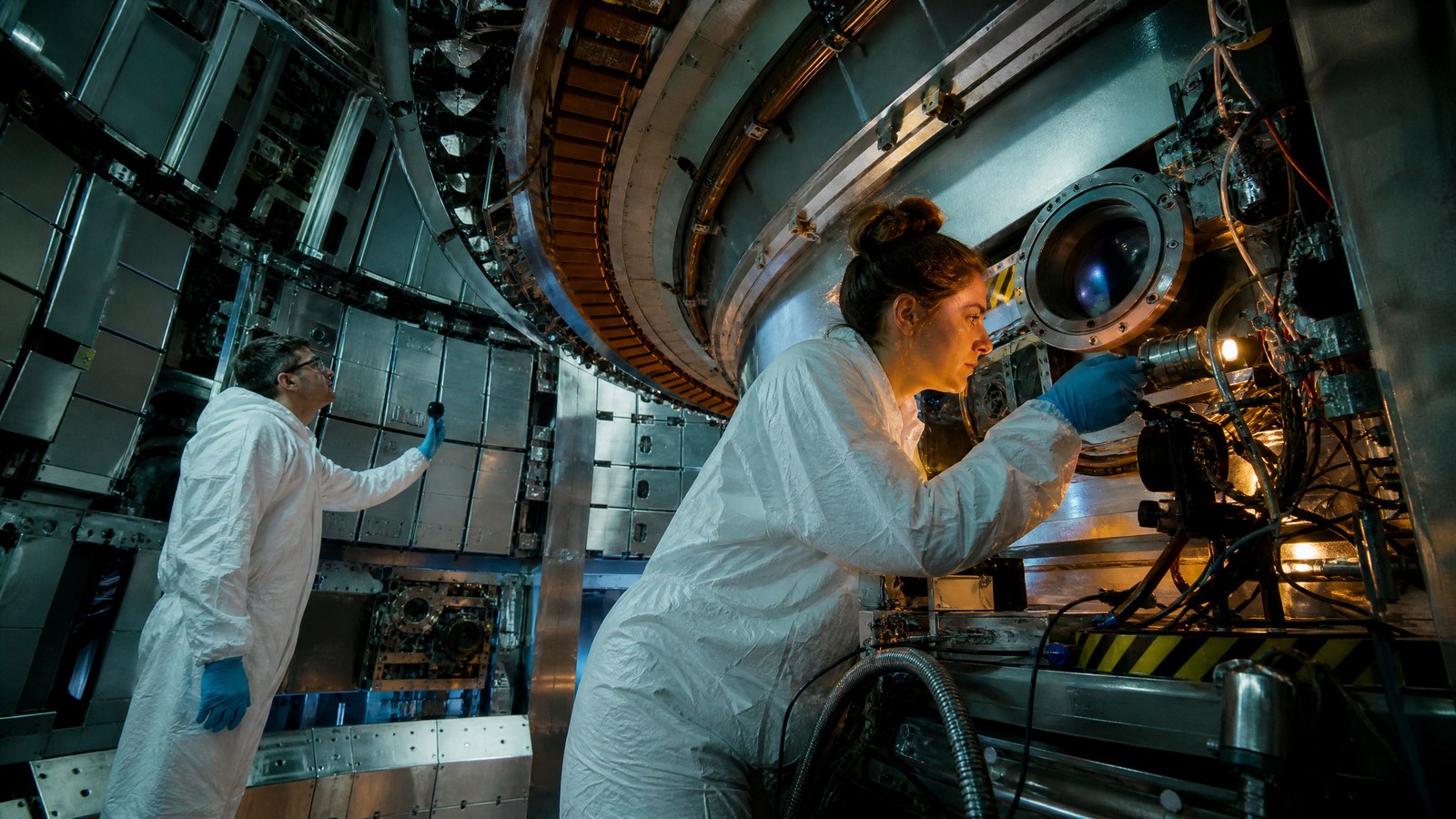
A strong fusion experiment can answer a scientific question while leaving heat, materials, fuel, and reliability challenges for a future plant.