A wearable can make a measurement feel personal and immediate, but the number on screen is not detached from the body or the moment. It is an estimate built from a sensor signal, device algorithms, and assumptions about placement and movement. That does not make wearables useless. It means people get better value from them when they understand the conditions that support a reliable signal and the limits of any particular reading.
This article is part of the consumer technology guide library.
Identify what the wearable is actually sensing
A wrist wearable may contain several sensor types, including an accelerometer for movement, a gyroscope for rotation, and an optical sensor for changes in blood volume near the skin. Optical heart-rate sensing commonly uses photoplethysmography, or PPG. PPG shines light into tissue and detects changes in reflected light associated with blood-volume pulses. It is not the same measurement method as an electrocardiogram, which records electrical cardiac activity.
The device then applies algorithms to turn raw signals into labels or estimates such as heart rate, sleep stages, energy expenditure, or activity. Each estimate has a different evidentiary basis and uncertainty. A step count may be useful for personal trends even when it is not a direct measure of health. Treat the name of a metric as a description of what the device estimates, not proof that it is a clinical measurement for every situation.
Motion can become part of the signal
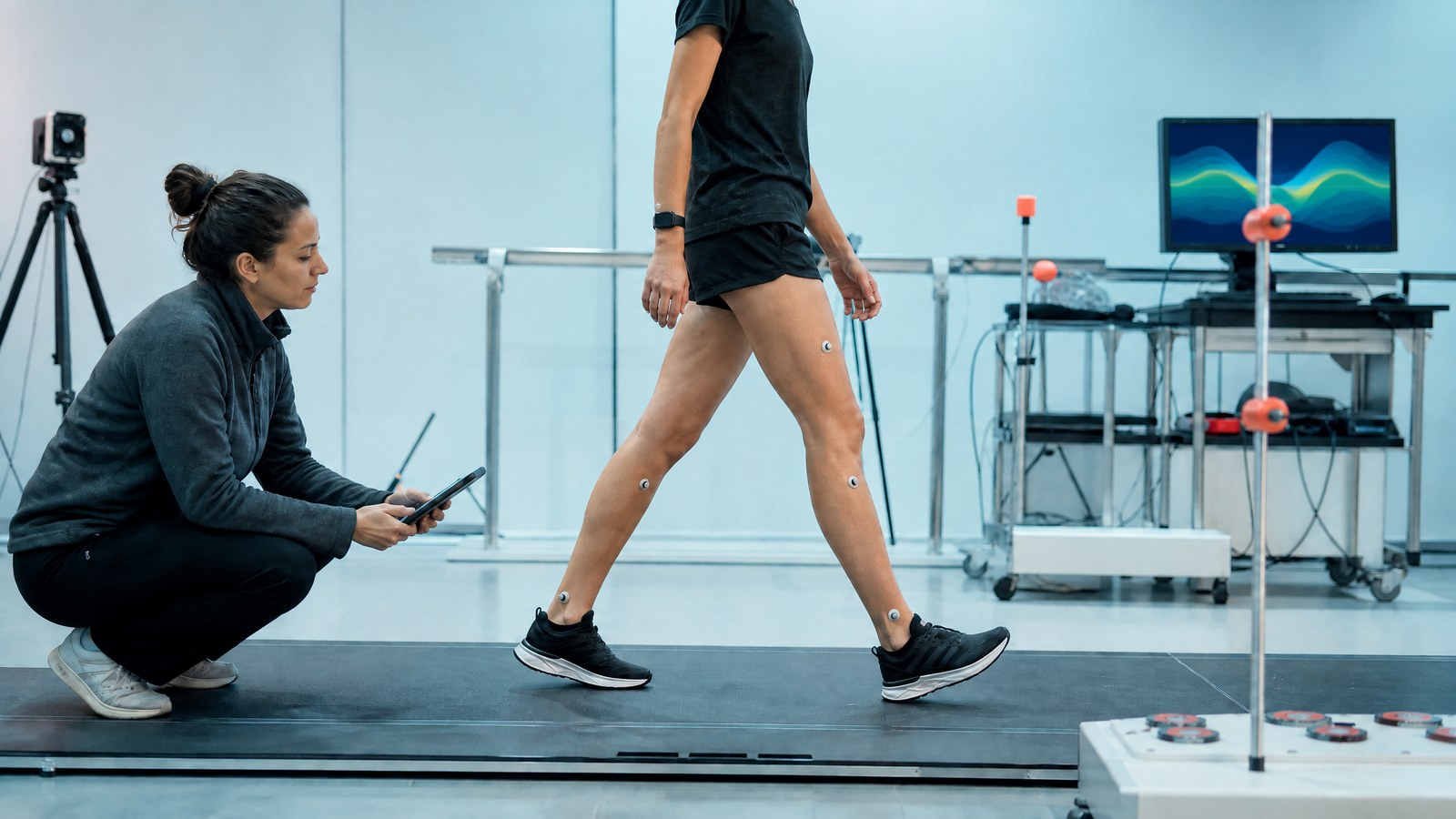
Motion artefact is unwanted change in a sensor signal caused by movement rather than the physiological or physical feature of interest. During wrist movement, an optical sensor can shift against skin, receive changing reflected light, or encounter periodic motions that resemble a pulse. Mechanical sensors face their own problem: body movement, twisting, and pressure can introduce noise that the system must distinguish from the target movement.
A study of wearable optical heart-rate sensors found significant differences by device and activity type, with average absolute error during activity higher than during rest in its data. That finding should not be turned into a universal error rate for every product or person. It supports a narrower lesson: an estimate that appears stable at rest may behave differently during motion, especially when activity changes quickly or wrist movement is repetitive.
Fit and placement influence signal quality
For a wrist wearable, fit is not purely a comfort choice. A band that is too loose can allow the sensor to move or admit ambient light; one that is uncomfortably tight can be impractical for extended wear and may irritate skin. Placement also matters because anatomy, movement, hair, perspiration, and tissue characteristics differ across the arm. Follow the device’s fitting guidance and adjust after exercise if contact has changed.
Research on wearable skin sensors describes attachment as a technical challenge because skin is soft, stretchy, and moves relative to underlying tissue. That helps explain why a rigid device and a moving body can produce variable contact. A good fit improves the chance of collecting a stable signal, but it does not make every estimate exact. Repositioning or cleaning the sensor window may help when an ordinary reading is unexpectedly erratic.
Compare like with like over time
Trend interpretation is often more useful than treating every reading as a verdict. Take measurements in comparable conditions: similar placement, activity, time of day, and device settings. If you change wrist, band tightness, workout type, or software version, note that the series may not be directly comparable. A single unusual result can be caused by ordinary signal conditions, so patterns and context deserve more weight than isolated values.
This approach also separates personal tracking from diagnosis. A wearable may help someone notice a change worth discussing, but it should not replace appropriate medical assessment, especially for symptoms or urgent concerns. Devices vary in intended use and validation. For health decisions, use the measurement method and professional guidance that match the question, rather than assuming that a convenient wrist estimate has the same meaning as a clinical test.
Read accuracy claims in context
Accuracy is not one property that transfers cleanly from a product page to all people and activities. Ask what was measured, against what reference, in which setting, and during what movement. A device might perform well for steady heart rate at rest but less well for rapid changes. The relevant comparison is not just whether a claim exists, but whether its conditions resemble the purpose you have in mind.
Population and device differences also matter. The cited study identifies skin types, motion artefact, and signal crossover as potential sources of PPG inaccuracy, while finding no statistically significant difference across skin tones in its dataset. That careful distinction is more useful than oversimplifying results. It avoids assuming one study settles every device’s performance and encourages makers, researchers, and users to examine evaluation methods and conditions.
Make the wearable work for you safely
Choose a wearable for the job you want it to do, then make its measurement conditions as consistent as reasonably possible. Keep the sensor clean, wear it as instructed, and choose a band that holds position without causing discomfort. During workouts with vigorous arm motion, consider whether a different placement or a more appropriate reference device is needed for the metric that matters most to you.
Finally, preserve room for uncertainty. A useful wearable can motivate activity, help structure routines, or reveal long-term changes without delivering laboratory-grade certainty every second. If a reading conflicts with how you feel, changes suddenly, or is tied to a health concern, do not troubleshoot only through the app. Context, symptoms, and qualified care belong in the interpretation alongside the sensor output.
Source notes
Reporting record
techduopulse stores source destinations privately. Public notes remain non-clickable so every visitor journey stays on this website.
Wearable optical heart-rate study
Context source · Motion and optical-sensor accuracyWearable skin-sensor review
Context source · Attachment, fit, and motion noiseImage updated: embedded writing removed; article content and factual claims unchanged.