The new Denza N8 EV is a five-seat battery-electric SUV, distinct from the earlier N8 plug-in hybrid and the six-seat N8L. Denza's Chinese product page confirms reservations from 26 October 2026 and a formal launch planned for November. CnEVPost and CarNewsChina report that the China launch is scheduled for 12 November; that date is still ahead as this draft is prepared on 7 November. This is not a report of completed launch or customer deliveries. [1] [2] [3] [4]
The interesting technology is the combination of a claimed maximum 1,003 km CLTC range, second-generation Blade Battery, flash charging and different motor layouts. Those labels answer different questions: how much energy the battery stores, how quickly it may recharge and how the wheels are driven. They do not establish a real-world range result, a charging time at an ordinary station or autonomous-driving capability. Final trim details and regional availability need their own checks; this is a source-based explainer, not a road test. [1] [3] [4]
Show less
On this page 9 sections
- Key Takeaways
- Which N8 is this, and what has actually opened?
- What does the 1,003 km range claim mean?
- Single motor or three motors: what changes?
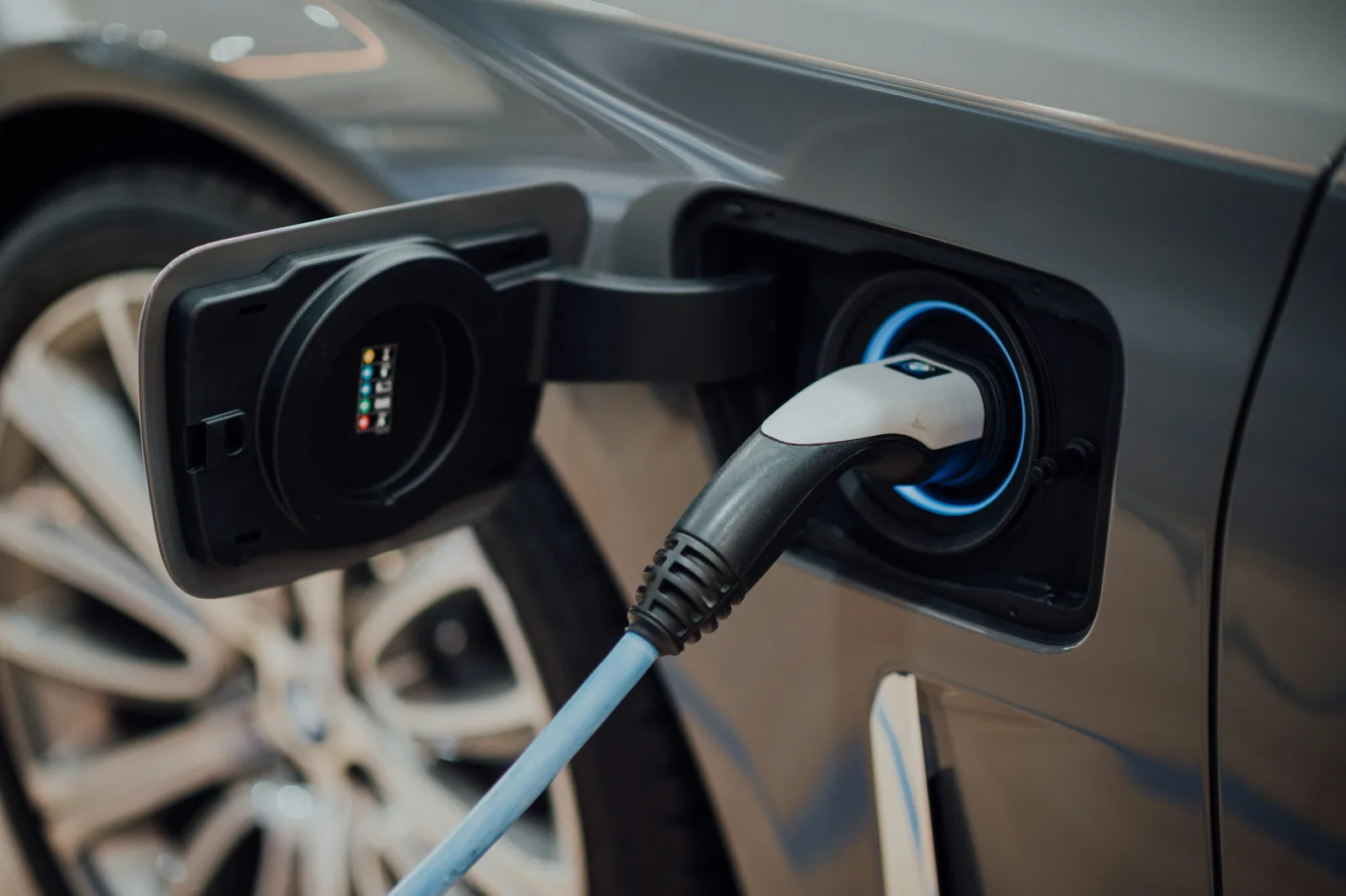
- Flash charging needs a complete charging setup
- Driver assistance and the cabin: separate features from proof
- Important Points / Key Information
- Supporting example: why charger power is not a refill time
- Conclusion
Part of our computer hardware technology guide library
Key Takeaways
- The new five-seat N8 EV is distinct from the old hybrid N8 and six-seat N8L; the current official N8 page also lists a PHEV. [1] [3]
- Primary material confirms 26 October reservations and November launch plans. Reports specify 12 November, not completed deliveries. [1] [2] [3] [4]
- Denza advertises up to 1,003 km CLTC range and flash charging; neither is a verified road-range or charging-session result here. [1] [3]
- The official page says God's Eye B, while reports say 5.0. Exact trim sensors and operating limits need final documentation. [1] [3] [4]
Which N8 is this, and what has actually opened?
The name needs more care than the badge suggests. CnEVPost identifies the original N8, launched in August 2023, as a six- or seven-seat plug-in hybrid. Its current reporting describes the returning N8 as a five-seat electric SUV alongside the separate six-seat N8L. Old N8 specifications and N8L price lists therefore cannot be treated as specifications or prices for this vehicle. [3]
The current official N8 page also lists a plug-in-hybrid version, with a separate electric-range claim. That does not change the subject here: the N8 EV is the battery-electric version. Nor does the hybrid entry establish that both powertrains have the same launch, delivery or equipment schedule. Keep the powertrain name attached when checking a configuration. [1]
On 22 October, Denza general manager Li Hui said small-deposit reservations would open on 26 October, followed by formal launch in November. The official product page retains that sequence. CarNewsChina described the initial stage as non-binding reservations, even though later English reports use 'pre-orders'. It is safest to describe what is verified: reservations opened before formal launch, not that a final retail order has been fulfilled. [1] [2] [5]
The exact 12 November date comes from dated 6 November reporting; the official product text read for this article states November without the day. Treat the event as planned and recheck it before release. No verified final N8 EV retail price or customer delivery date is provided here, and China reservation material is not evidence of an India launch. [1] [3] [4]
What does the 1,003 km range claim mean?
Denza's product page advertises 1,003 km of CLTC range for the battery-electric N8, alongside second-generation Blade Battery and flash-charging technology. CLTC is the test-cycle label attached to that figure. Keep it beside the number: '1,003 km CLTC' is more informative than 'drives 1,003 km' because the latter sounds like an observed journey. [1]
CarNewsChina reports a largest battery capacity of 130.15 kWh and several range versions, while its earlier filing report also lists a 105.792 kWh pack. These are reported configuration details, not a final trim-by-trim specification sheet verified here. Do not combine the highest motor output and longest range into one guaranteed model simply because both appear in launch coverage. [4] [5]
Kilowatt-hours describe stored energy; kilowatts describe power. A large energy capacity can support a long range, but distance also depends on consumption. Speed, temperature and cabin heating or cooling can alter the result. The U.S. EPA explains those effects when discussing its own laboratory range procedure. That is useful general context, not an EPA rating or approval of the N8. [6] [7]
There is no verified N8 road-range test in this article and no certified WLTP or EPA figure established by these sources. An approximate conversion in a news report is not a second certification. Compare like-for-like test cycles and exact variants rather than applying a universal percentage discount to the CLTC maximum. [4] [7]
Single motor or three motors: what changes?
The reports describe rear-wheel-drive versions with a single rear motor rated at 320 kW or 370 kW peak output. The tri-motor all-wheel-drive version is described as one front motor and two rear motors, with combined maximum output of 890 kW. These are reported peak power figures, not sustained power measured during this article's testing. [3] [4]
The rear pair matters as an architecture distinction: the two rear wheels have separate motors rather than sharing one rear motor. Reporting associates the tri-motor arrangement with Denza's e3 platform and low-speed functions such as compass-style turns and intelligent creep. The official page uses the newer 'e3 Evo' branding. Neither description proves which functions will be enabled on every production trim. [1] [3] [4]
Peak output does not tell us how far the SUV will travel on a charge, how efficiently it cruises or how it performs repeatedly in hot conditions. Those questions require the exact battery, wheels, control settings and independent measurements. A power headline is therefore a drivetrain clue, not a complete assessment of the vehicle. [4] [5]
Denza also lists standard DiSus-A closed dual-chamber air suspension. It is a chassis feature, separate from the battery and motor system. The announcement tells us what is advertised; it does not establish ride comfort, emergency handling or durability from a real-world comparison. [1]
Flash charging needs a complete charging setup
The official N8 page confirms flash-charging technology but does not provide a complete charge-session test in its extracted text. CnEVPost reports Denza's claim of five minutes for a usable charge and nine minutes for a near-full charge. Those are attributed promotional descriptions, not a verified zero-to-100-percent N8 charging result. [1] [3]
To make a minutes claim useful, we need the starting and ending state of charge, battery temperature, charger specification and the power delivered throughout the session. State of charge is the battery's remaining-charge percentage. A near-full endpoint is not automatically 100 percent, and a short top-up is not a full refill. [6]
The U.S. Department of Energy's Alternative Fuels Data Center explains that charging time depends on battery capacity and state of charge, vehicle charging capability and charging equipment. It also notes that DC charging power varies with the vehicle and battery state of charge. That general explanation does not establish N8 compatibility with a particular station or connector in China or India. [6]
For this SUV, the missing evidence is a documented charging curve: power over time, with the exact configuration and conditions. A station's peak rating alone cannot substitute for that curve. Until those details are available, read flash charging as an advertised capability with requirements, not a promise that every stop will take nine minutes. [3] [6]
Driver assistance and the cabin: separate features from proof
The current official N8 page lists God's Eye B as standard. The 6 November CnEVPost and CarNewsChina reports instead use the God's Eye 5.0 name. This article has not established how the B tier and 5.0 version relate on the exact production trims. Both source descriptions should remain visible rather than being merged into an invented specification. [1] [3] [4]
The cockpit details are clearer: Denza lists a 1.1-metre panoramic display and a 30-inch screen. CnEVPost says the former shows speed, navigation and driver-assistance information, while the larger screen supports shared viewing or split-screen use. Screen size and display layout are confirmed or reported features, not evidence that the interface is less distracting or easier to use on the move. [1] [3]
What is still unknown about sensors and assistance?
CarNewsChina's earlier filing report describes a roof-mounted lidar unit in regulatory imagery. That is an attributed observation about imagery, not a verified sensor count or proof that every version has the same package. Final specifications and the owner's documentation need to establish the cameras, radar, lidar, enabled functions and operating limits for each trim. [5]
Neither a sensor on the roof nor a driver-assistance brand name establishes autonomous driving or permission to stop supervising the road. Likewise, Denza's phrase 'five-star safety standard design' is a design claim, not evidence of an awarded independent five-star crash-test result. No safety approval or hands-off driving assurance is claimed here. [1]
Important Points / Key Information
Keep these distinctions with any future update, especially when prices and configuration lists arrive.
- Identify the new five-seat N8 BEV; do not borrow the old hybrid's specifications or N8L prices. The current N8 page also lists a separate PHEV. [1] [3]
- Reservations from 26 October and a planned November launch are supported by primary material. The exact 12 November date remains attributed to dated reporting. Neither proves delivery. [1] [2] [3] [4]
- The 1,003 km figure is a maximum CLTC claim, not a measured road trip or a range promise for every motor/battery combination. [1] [4]
- Flash-charging minutes need a stated charge window and compatible equipment. Driver-assistance branding needs exact trim documentation, not assumptions about autonomy. [3] [6]
- Final N8 EV price, delivery timing and India availability are not established here. No purchase recommendation, road test or independent safety rating is implied.
Supporting example: why charger power is not a refill time
Hypothetical calculation, not an N8 test: suppose an electric vehicle needs to add 60 kWh to its battery. If it could receive an average of 100 kW throughout that interval, the ideal energy-transfer time would be 60 kWh ÷ 100 kW = 0.6 hours, or 36 minutes. At an average 300 kW, the same energy would take 0.2 hours, or 12 minutes. These assumptions are invented solely to explain the units; they are not N8 charging specifications.
The crucial word is average. A charger labelled 300 kW does not establish that the car receives 300 kW throughout the session. Real charging depends on the car, battery state and equipment, and this simple calculation excludes energy losses, temperature effects, connection time and any waiting. The Department of Energy's charging guidance explains why those system variables matter. [6]
Now apply the lesson to the N8's advertised minutes claim without inventing a result: ask how much energy was added, between which battery percentages, and on which charger. For a trip, combine an actual route-consumption estimate with verified charging stops and a reserve. The 1,003 km CLTC maximum and a nine-minute promotional phrase cannot, by themselves, answer those journey questions. [1] [3] [6] [7]
Conclusion
The new Denza N8 EV is a supported five-seat battery-electric model, with reservations opened and a China launch planned for November; reports specify 12 November. Its battery, flash charging and different motor layouts make it a substantive technology story, but the highest range and power numbers are not interchangeable or independently tested here. [1] [2] [3] [4]
The next useful evidence is specific: final trim-level specifications, a documented charging curve, exact driver-assistance limits and verified launch and delivery information. Until then, keep CLTC attached to the range, source attribution attached to reported details and China availability separate from India. That gives the announcement its proper meaning without turning it into a road test or buying endorsement. [1] [3] [6]
How we checked thisSources (7)
We keep source links private so your reading stays on techduopulse. Each note names the publisher and document we checked.
[1] Denza China — Denza N8 product and reservation page — undated current page
Primary source · Five-seat N8; 26 October reservations/November launch; BEV 1003 km CLTC versus PHEV 435 km electric; Blade/flash charging; displays; God's Eye B; DiSus-A; design safety claim[2] Denza general manager Li Hui / Weibo — N8 reservation and launch plans — 22 October 2026
Primary source · Primary dated statement of reservation and November launch sequence; wish for early delivery is not delivery commitment[3] CnEVPost — N8 launch scheduled for November 12 — 6 November 2026
Secondary source · Reported exact China date; old N8/N8L distinction; motor layouts; attributed charging phrases; cockpit display roles; reported God's Eye 5.0[4] CarNewsChina — New Denza N8 EV launch and technology report — 6 November 2026
Secondary source · Reported launch date; single and tri-motor peak outputs; 130.15 kWh battery and maximum/range variants; God's Eye 5.0; no certified WLTP conversion adopted[5] CarNewsChina — N8 EV reservation and filing report — 22 October 2026
Secondary source · Non-binding reservation interpretation; attributed regulatory battery variants and roof lidar imagery; package uncertainty[6] U.S. Department of Energy / AFDC — Electric Vehicle Charging Stations — undated current guidance
Context source · Charging Equipment: capacity, state of charge, vehicle capability and equipment power; DC power varies by vehicle and battery state[7] U.S. EPA — Fuel Economy and EV Range Testing — updated 1 July 2026
Context source · Range Testing for Electric Vehicles: laboratory procedure and real-world HVAC, cold and speed factorsInitial source-backed owner-authorized manual publication. Exact reviewed publication copy used; original private draft and licensed real photograph bytes preserved. Manifest-bound editorial corrections and schema-only projections are recorded privately; no hands-on test or qualified human certification claimed.