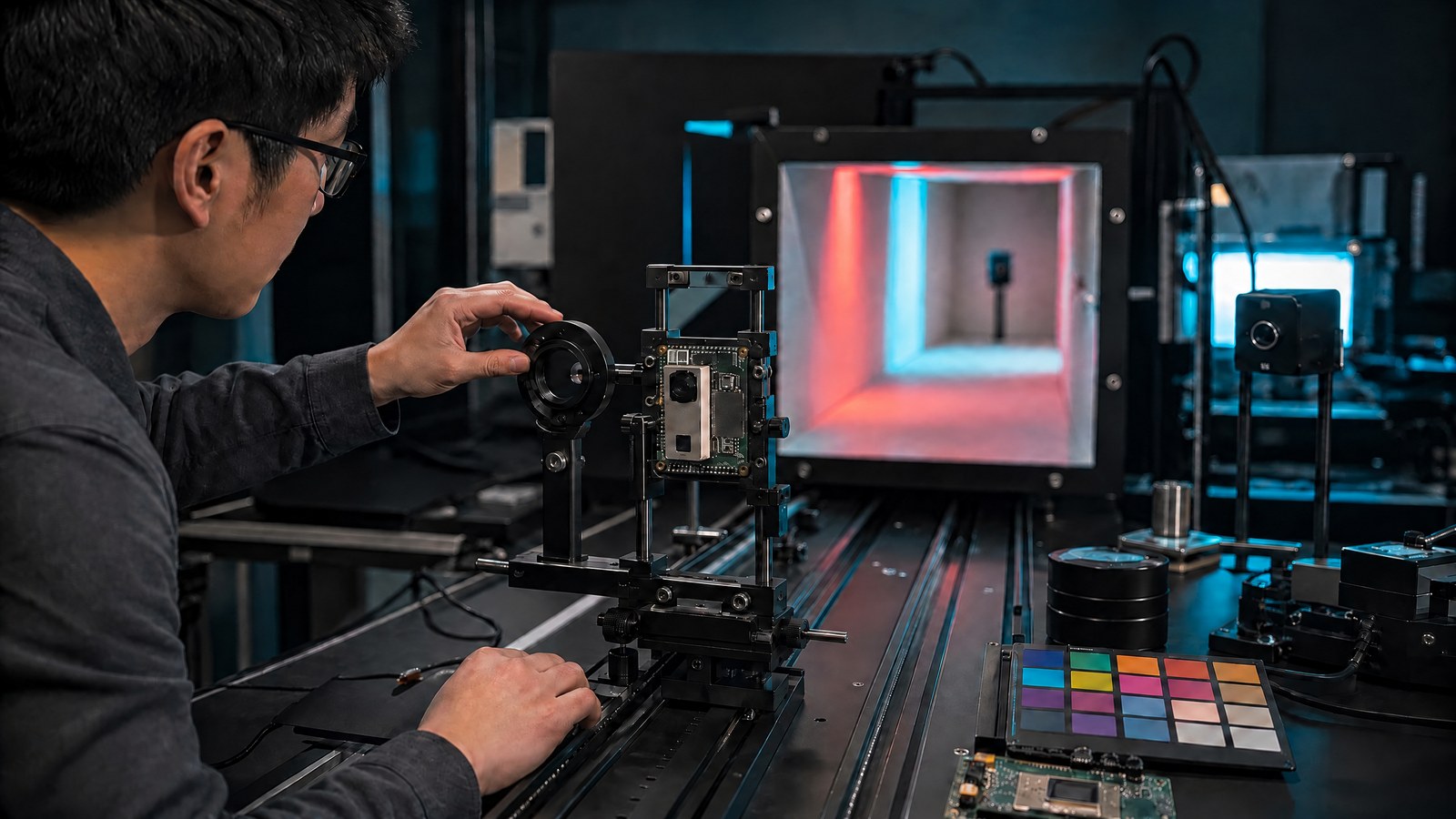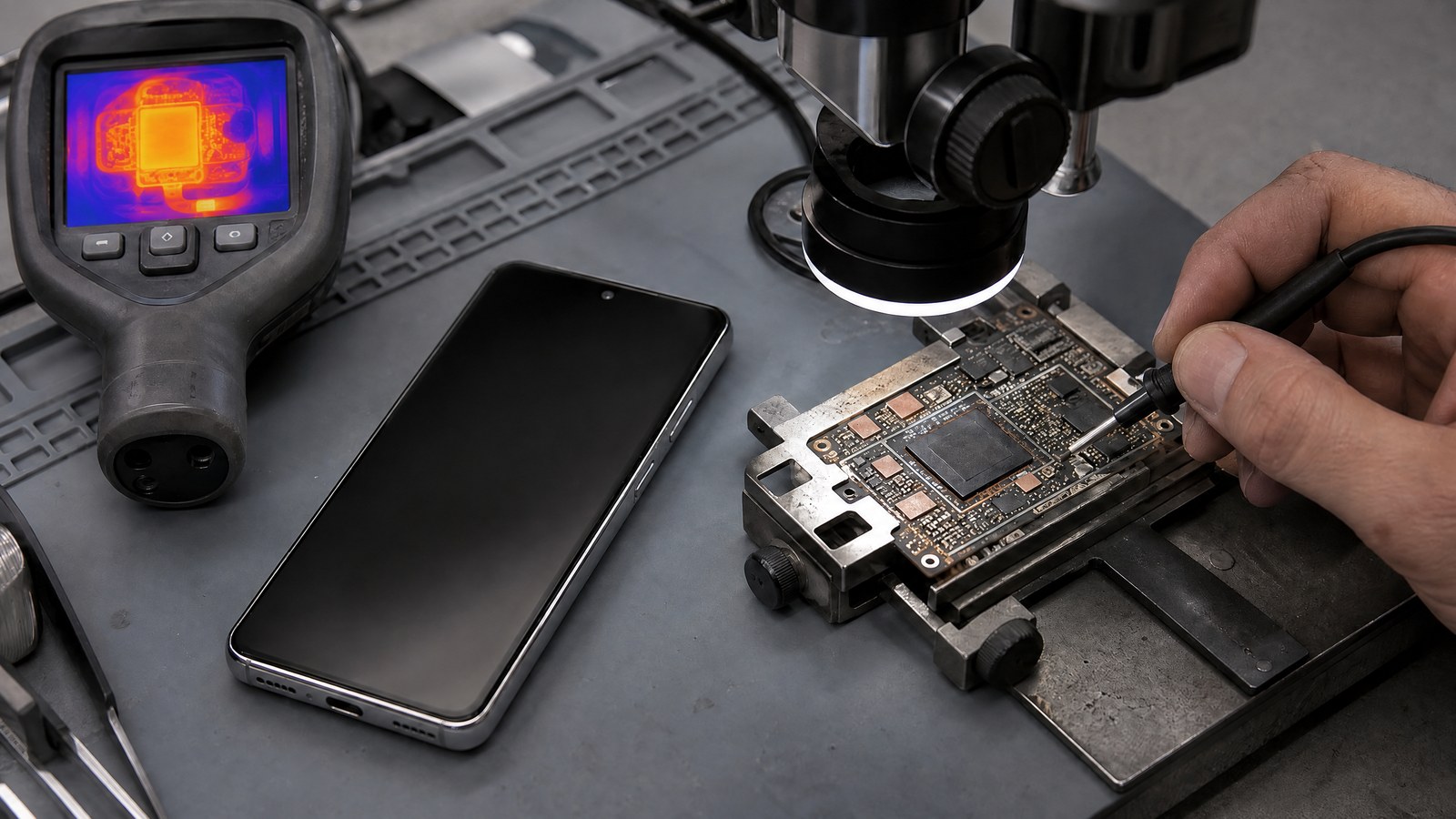
On-device artificial intelligence is often presented as a feature checklist. In practice, it is a systems-engineering trade-off among model quality, battery life, thermal headroom, latency, and memory.
This article is part of the consumer technology guide library.
Why local inference matters
Local processing can lower response time, preserve functionality with poor connectivity, and reduce the amount of raw personal data sent to a server. It can also shift energy use onto a small battery.
The hidden constraints
Model weights compete with applications for storage and memory. Sustained inference generates heat. Hardware accelerators support specific operations, so model architecture and quantisation choices affect whether advertised capability is practical.
Evaluate the complete path
A useful review should distinguish fully local features from hybrid ones, document connectivity requirements, test repeated workloads, and observe whether performance changes as the device warms.
Source notes
Reporting record
techduopulse stores source destinations privately. Public notes remain non-clickable so every visitor journey stays on this website.
Google’s company roundup dated 1 September 2026, used for context on current on-device AI and model announcements.
Primary source · Product contextImage updated: embedded writing removed; article content and factual claims unchanged.