
Android XR display glasses are a device category in Google's extended-reality platform, not a single retail product with a confirmed launch date. They add a small visual interface to audio-based eyewear, so an app can show brief information as well as speak. Google confirmed this distinction at I/O on 19 May 2026, but its fall launch window applied to audio glasses launching first—not display glasses. [1] [3]
The useful question is what that display changes: where an app runs, how it stays readable through transparent lenses, and what happens when the screen or internet connection is unavailable. Google's developer documentation provides concrete answers. It does not establish a display-glasses price, shipping date or India rollout, and the hardware timing discussed below remains attributed reporting. This is a source-based platform explanation, not a hands-on review. [4] [5] [7] [10] [11]
Show less
On this page 11 sections
- Key Takeaways
- Android XR is a platform, not one pair of glasses
- What does a display add over audio glasses?
- Where do Android XR display-glasses apps run?
- Glimmer is the UI toolkit for glanceable visuals
- What the May SDK update confirms—and what it does not
- Gemini needs connectivity; a private screen is not a privacy guarantee
- Is a 2027 display-glasses launch confirmed?
- Important Points / Key Information
- Supporting example: one reminder, three different states
- Conclusion
Part of our software engineering technologies guide library
Key Takeaways
- Android XR is a multi-device platform; display glasses are not interchangeable with audio glasses, headsets or wired XR glasses. [1] [3]
- Audio/display experiences use a dedicated activity within a phone app, projected to glasses; apps must handle optional and switched-off displays. [4] [5]
- Glimmer's checked release is alpha22 from 21 October 2026. Gemini Live requires internet, incurs cost and has connection limits. [6] [7]
- Glasses camera permission is separate from phone permission. Reported Samsung timing is not an official platform or India launch date. [8] [10] [11]
Android XR is a platform, not one pair of glasses
Google describes Android XR as a platform developed with Samsung and Qualcomm. It covers several types of hardware, but a shared platform does not give every device the same display, controls or apps. Google's documentation separates XR headsets, wired XR glasses, and intelligent eyewear in audio and display versions. [1] [3]
A headset shows the surrounding world through cameras and internal displays. Wired XR glasses overlay digital content while the wearer looks through semi-transparent lenses. Audio glasses provide spoken interaction without a visual interface; display glasses add glanceable visuals. The word glasses alone therefore cannot tell you whether a device is meant for a large immersive workspace or a brief notification. [3]
This guide concentrates on the display-glasses app model. It is not a specification sheet for Samsung eyewear or XREAL hardware, and it does not transfer the capabilities of a headset to smaller everyday frames. Start with the device class, then check the exact product and supported software. [3]
What does a display add over audio glasses?
A small display gives an app another way to communicate: a short label, an icon or a concise instruction can accompany speech. Google's design guidance calls for temporary, glanceable elements that appear when needed and recede when the task is finished. This is a different goal from moving a full phone screen into the wearer's view. [9]
The optical display also changes familiar design assumptions. Google's device guide describes display glasses as additive: they project light, and pure black renders as transparent rather than covering the world with a black rectangle. The physical background is still visible. Text that looks clear against a dark preview can become difficult to read against a bright or visually busy scene. [3] [9]
That makes concise content and legibility part of the feature itself. A useful notification should communicate its point without forcing someone to read a long paragraph while moving. Google's guidance specifically warns against excessive visual information, distracting alerts and audio that masks environmental sounds. These are design requirements, not proof that any unreleased device has solved them. [9]
Where do Android XR display-glasses apps run?
For audio and display glasses, Google's documented approach extends an existing phone app with a dedicated Android activity. An activity is an app component responsible for an interaction; here, the glasses activity runs within the phone app and is projected to the connected eyewear. Google contrasts this with an XR headset running a full APK—the Android app package—on the headset itself. [4]
Developers can reuse the phone app's underlying logic while building a separate glasses experience. That does not mean every phone app automatically gains a usable glasses interface. The developer still needs to decide what belongs on the glasses, create the projected activity and handle the connected device's capabilities. [4]
The phone remains relevant even when interaction is hands-free. For example, permission requests for sensitive glasses hardware can direct the wearer to a system dialog on the phone. The developer documentation describes an Android host-app workflow; it should not be read as a blanket compatibility promise for every phone or every future retail model. [4] [8]
A display can be present without being on
An app must check whether the connected glasses support visual UI. The current documentation uses ProjectedDeviceController and CAPABILITY_VISUAL_UI for that check. It also tells developers to handle display-state changes, because the user can turn the screen off or the screen can time out. Hardware capability and current display state are separate questions. [5]
A good app can adjust how much it says when the visual interface disappears, rather than leaving the user waiting for an invisible confirmation. It should also let the display sleep when it is not needed: Google warns that keeping it on can drain the battery quickly. These APIs support battery-aware design; they do not establish a specific battery-life figure. [5]
Glimmer is the UI toolkit for glanceable visuals
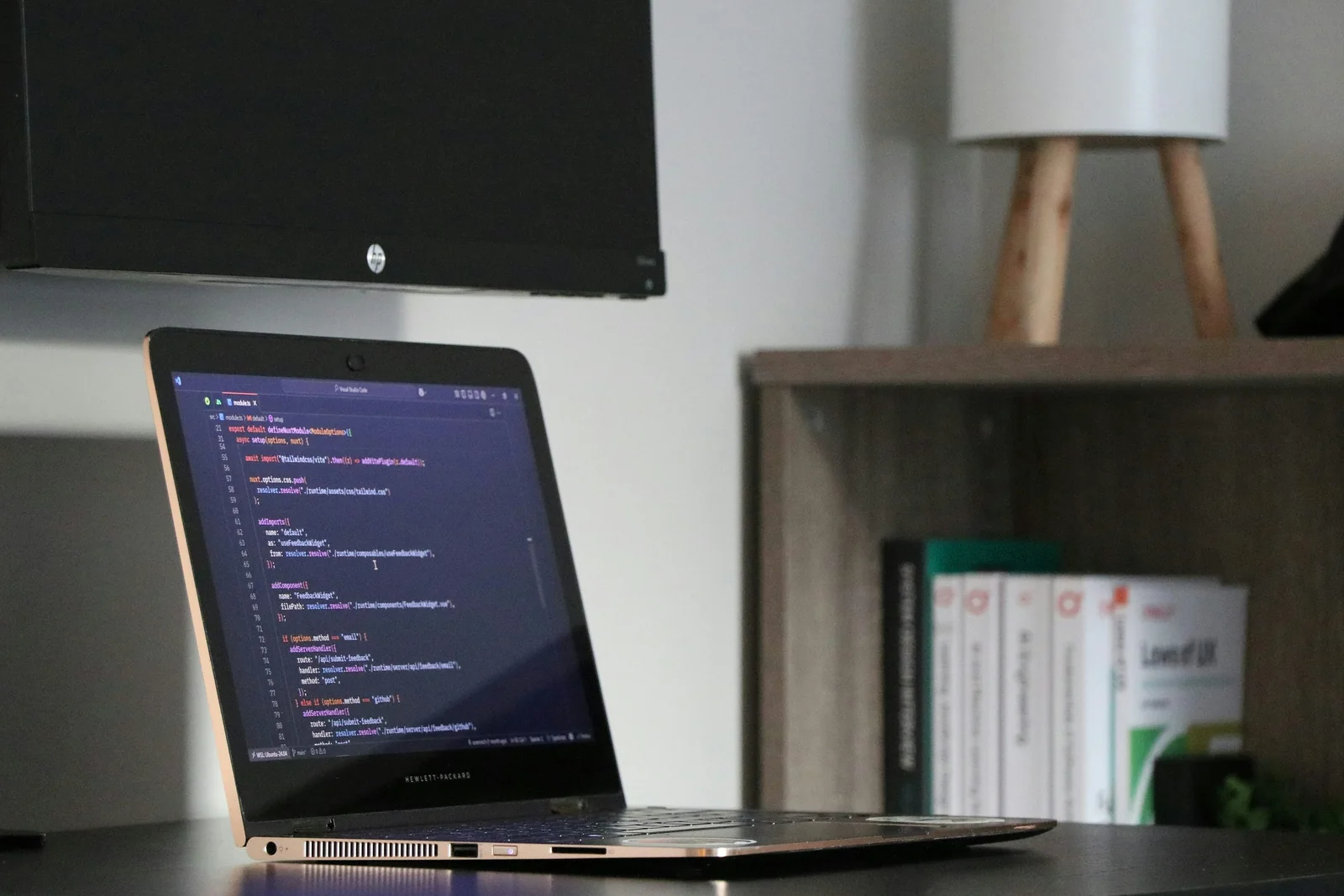
Jetpack Compose Glimmer supplies a design language and UI components for augmented Android XR experiences. In May's Developer Preview 4 announcement, Google highlighted Google Sans Flex typography, stacks that show one item at a time, and title chips that give cards context. The intended benefit is a focused interface suited to optical displays and touchpad interaction, not a crowded dashboard. [2] [6]
Glimmer remains an evolving toolkit. The official release table checked for this guide lists 1.0.0-alpha22, released on 21 October 2026, with no stable, release-candidate or beta entry for Glimmer. Developers should use current documentation and check dependency compatibility rather than copying a May sample as though the APIs were frozen. Glimmer's status also should not be used to describe the release status of every other XR library. [6]
What the May SDK update confirms—and what it does not
Developer Preview 4, announced on 19 May 2026, was a real platform milestone. Google adopted the clearer audio glasses and display glasses names, added device-availability and projected testing APIs, and described pre-release hardware access through its Developer Catalyst Program. Developer access to a prototype is not a retail preorder or proof of customer deliveries. [2]
The same announcement contains immersive features for headsets and wired XR glasses. Its early Geospatial API preview is explicitly for wired XR glasses. That detail matters: a location-aware immersive demonstration cannot be assigned to every display-glasses model simply because both belong to Android XR. [2]
Current documentation also retains preview caveats. The first-activity guide, updated on 4 November, notes a brief white flash when a projected activity starts and says launching an activity does not automatically turn on the display. These are documented development limitations, not faults observed in our own testing. [4]
Gemini needs connectivity; a private screen is not a privacy guarantee
Google documents Gemini Live integration for audio and display glasses through Firebase AI Logic. The API supports conversational audio input and output, and developers can build experiences that use app functions. But it requires a persistent internet connection, incurs cost and has project-level concurrent-connection limits. API availability does not guarantee that a particular consumer feature is released or works offline. [7]
Google also cautions that Gemini Live may not be ideal for error conditions or other critical communications, especially on audio glasses with no display. An app should have a dependable way to explain a failed connection or incomplete action instead of relying on an AI conversation to handle every exception. [7]
Glasses-specific camera access requires explicit runtime consent even if the app already has camera permission on the phone. Google's coordinated permission flow identifies the glasses request on the phone, where the user can grant or deny it. That is a concrete distinction worth checking whenever an app asks to use what the wearer sees. [8]
A display that is private to the wearer describes how information is viewed, not where captured data is processed. Google's design principles ask apps to explain what they collect, why and how it is stored. Before enabling a camera-based feature, look for those explanations and its connectivity requirements; do not assume that small wearable hardware means all processing stays local. [7] [9]
Is a 2027 display-glasses launch confirmed?
Not by the official platform sources used here. Google's May announcement says audio glasses launch first in fall 2026, but gives no matching display-glasses retail date. A planned audio-glasses window is neither a display-glasses schedule nor evidence that any product is currently shipping. No official display-glasses India availability or pricing was established in these checks. [1]
There is meaningful reporting, but its scope is narrower. On 10 September 2026, 9to5Google reported that Samsung's first Android XR glasses with a color display might launch in late 2027, citing The Elec. The underlying 9 September Korean report gives an industry-expected window of the second half of 2027 or the first half of 2028. Neither is a company-announced date, and neither establishes one schedule for the entire Android XR platform. [10] [11]
For a future product announcement, look for the exact model, country, price and availability wording. Prototype access, reservations, preorders and fulfilled delivery are different milestones. Until those facts are documented for a named display-glasses product, the accurate status is confirmed platform development with unconfirmed retail timing—not a launch countdown.
Important Points / Key Information
Keep these distinctions in mind when reading a display-glasses announcement or trying a developer sample.
- Audio glasses, display glasses and wired XR glasses are different device classes; shared Android XR branding does not make their capabilities identical. [3]
- The documented audio/display app model uses a phone-hosted projected activity, not automatic conversion of every phone app. [4]
- Check visual capability, display state and battery behavior separately. A present display may be off. [5]
- Glimmer is still alpha in the release table checked here; Gemini Live requires internet and brings API costs and connection limits. [6] [7]
- Phone camera consent does not replace glasses-specific consent, and reported hardware dates are not official availability. [8] [10] [11]
Supporting example: one reminder, three different states
Hypothetical app-design example, not a tested or announced product feature: a developer adds a glasses view to an event-reminder phone app. On connected display glasses with visuals on, it shows the event title and one relevant action, then dismisses the card. This illustrates the phone-projected model and Google's guidance for brief, temporary UI. [4] [9]
If the wearer turns the display off, the app offers an appropriately concise audio response instead of assuming the card is visible. If the connected eyewear has no display, it avoids visual-only instructions altogether. The app can also reduce nonessential output when the glasses battery is low. These are design choices enabled by capability and state checks, not measured battery savings. [5]
Suppose the developer later adds a camera-based option to read an event poster. The app needs glasses-specific permission; existing phone camera consent is insufficient. If permission is denied, it can keep the ordinary reminder function without pretending it read the poster. If the optional conversation uses Gemini Live and the internet connection fails, it should clearly report that limitation rather than claim the request completed. [7] [8]
The lesson is that a glasses feature is more than drawing a card. Its usefulness depends on handling what the device can do, what is currently available and what the user has actually allowed.
Conclusion
Android XR display glasses have a documented platform and app-development model: phone-projected activities, capability-aware interaction and a UI toolkit designed for brief optical displays. The practical constraints are equally important—screen state, legibility, battery use, internet dependency and separate hardware permissions. These details are more useful than treating all smart glasses as miniature headsets. [3] [4] [5] [6] [7] [8]
Keep retail timing separate. Google confirmed the audio/display distinction, not a generic 2027 display-glasses launch. Samsung timing remains reported rather than announced, and the underlying report allows a wider 2027/2028 window. A future buying decision needs a named product and verified local availability; this platform guide does not provide either. [1] [10] [11]
How we checked thisSources (11)
We keep source links private so your reading stays on techduopulse. Each note names the publisher and document we checked.
[1] Google — Intelligent eyewear is coming this fall — 19 May 2026
Primary source · Android XR partners; audio versus display glasses; audio glasses launching first; no display retail date in read announcement[2] Android Developers Blog — Android XR SDK Developer Preview 4 — 19 May 2026
Primary source · Renamed device classes; Projected availability/testing; Glimmer additions; pre-release Catalyst hardware; Geospatial preview limited to wired XR glasses[3] Android Developers — Understand the types of Android XR devices — updated 19 May 2026
Primary source · Headset versus wired versus audio/display classes; additive display transparency; supported tools[4] Android Developers — Create your first activity for audio glasses and display glasses — updated 4 November 2026
Primary source · Phone-hosted projected activity versus full headset APK; reuse logic; display flash and launch preview caveats[5] Android Developers — Check device capabilities at runtime for audio glasses and display glasses — updated 28 October 2026
Primary source · ProjectedDeviceController and CAPABILITY_VISUAL_UI; display on/off state; battery listeners; screen-on battery warning[6] Android Developers — Jetpack Compose Glimmer release notes — latest listed release 21 October 2026
Primary source · Release table 1.0.0-alpha22; no stable, RC or beta for Glimmer; toolkit design language[7] Android Developers — Gemini Live API for audio glasses and display glasses — updated 19 May 2026
Primary source · Firebase AI Logic integration; conversational/agentic support; persistent internet, costs, connection limits and critical-communication caution[8] Android Developers — Request hardware permissions for audio glasses and display glasses — updated 5 November 2026
Primary source · Separate runtime glasses consent even with phone permission; coordinated phone dialog; grant/deny handling[9] Android Developers — Design principles for intelligent eyewear — updated 28 October 2026
Primary source · Transient glanceable UI; transparent background competition; concise text and environmental awareness; collection-purpose-storage transparency[10] 9to5Google — Samsung's Android XR color-display glasses may launch in late 2027 — 10 September 2026
Secondary source · Ben Schoon's attributed The Elec report; late-2027 suggestion for Samsung color-display model, not official or platform-wide[11] The Elec — Report on Samsung display-equipped AI glasses — 9 September 2026
Secondary source · Underlying industry-expected second-half-2027 or first-half-2028 window; no company-announced date; scope Samsung hardwareInitial source-backed owner-authorized manual publication. Exact reviewed publication copy used; original private draft and licensed real photograph bytes preserved. Manifest-bound editorial corrections and schema-only projections are recorded privately; no hands-on test or qualified human certification claimed.